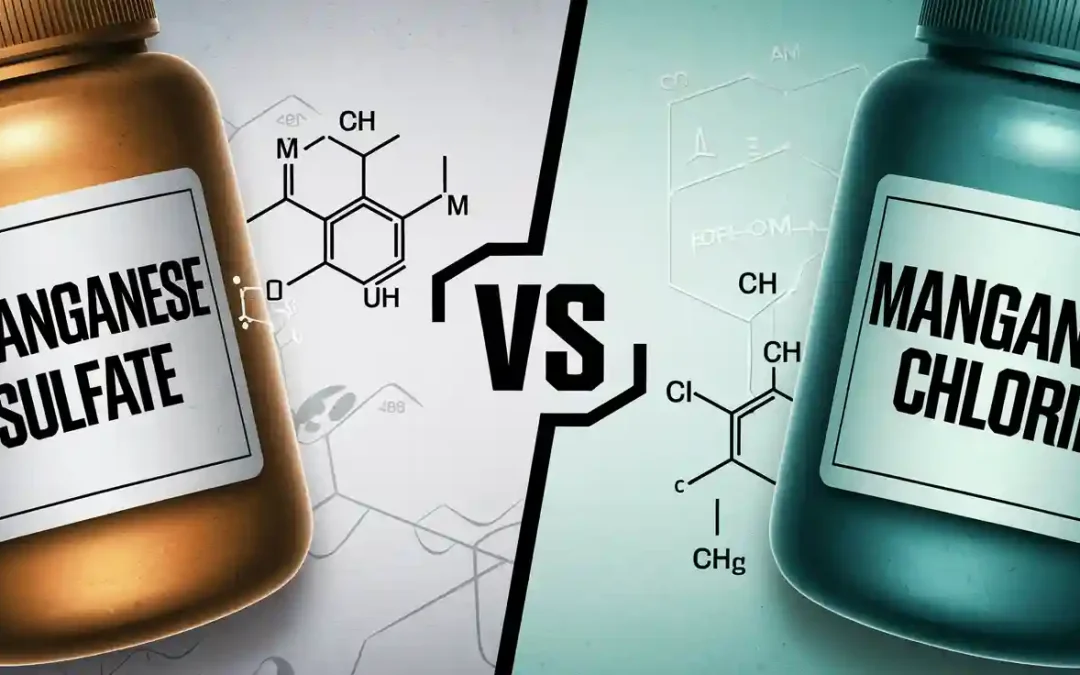
When you compare manganese sulfate vs manganese chloride, you will notice key differences. Manganese sulfate typically promotes better plant growth and is considered safer in supplements. In contrast, manganese chloride is more commonly used in industrial settings. It’s important to consider how effective each option is and whether it is safe before choosing a manganese compound for your specific needs.
Manganese sulfate helps plants grow well and is good for people. It is absorbed by plants and people very easily.
Manganese chloride works better in factories. It mixes with water fast and is used in chemical jobs.
Use manganese sulfate for farming. It helps crops stay healthy and grow strong.
Pick manganese sulfate for supplements. The body can take it in more easily.
Think about what you need before you choose. Pick the right one for the best results.
Quick Comparison
manganese sulfate vs manganese chloride
If you compare manganese sulfate and manganese chloride, you will notice some big differences. Both have manganese, but they are best for different uses. It is important to know how each one works before you decide which to use.
Here is a simple table to help you see the differences between manganese sulfate and manganese chloride:
Feature | Manganese Sulfate | Manganese Chloride |
|---|---|---|
Solubility | High | Very High |
Absorption | Good in plants and humans | Moderate in plants, lower in humans |
Effectiveness | Very effective for plants and supplements | Effective for industrial use |
Typical Uses | Agriculture, supplements | Industry, some fertilizers |
You can tell that manganese sulfate and manganese chloride are good for different things. Manganese sulfate is better for helping plants grow and for human supplements. Manganese chloride is used more often in factories and science labs.
Key Features
Tip: Pick the compound that matches what you need. You will get better results if you choose the right one.
If you want plants to grow better, use manganese sulfate. Plants take it in easily, and it helps them grow strong.
For human supplements, manganese sulfate is safer and works better. Your body can use it more easily.
If you work in a factory or lab, you might need manganese chloride. It mixes with water fast and is good for chemical jobs.
When you look at manganese sulfate and manganese chloride, think about what you need most. For healthy plants or safe supplements, pick manganese sulfate. For factories or labs, choose manganese chloride. This guide can help you pick the best one for your needs.
Chemical Properties
manganese compounds
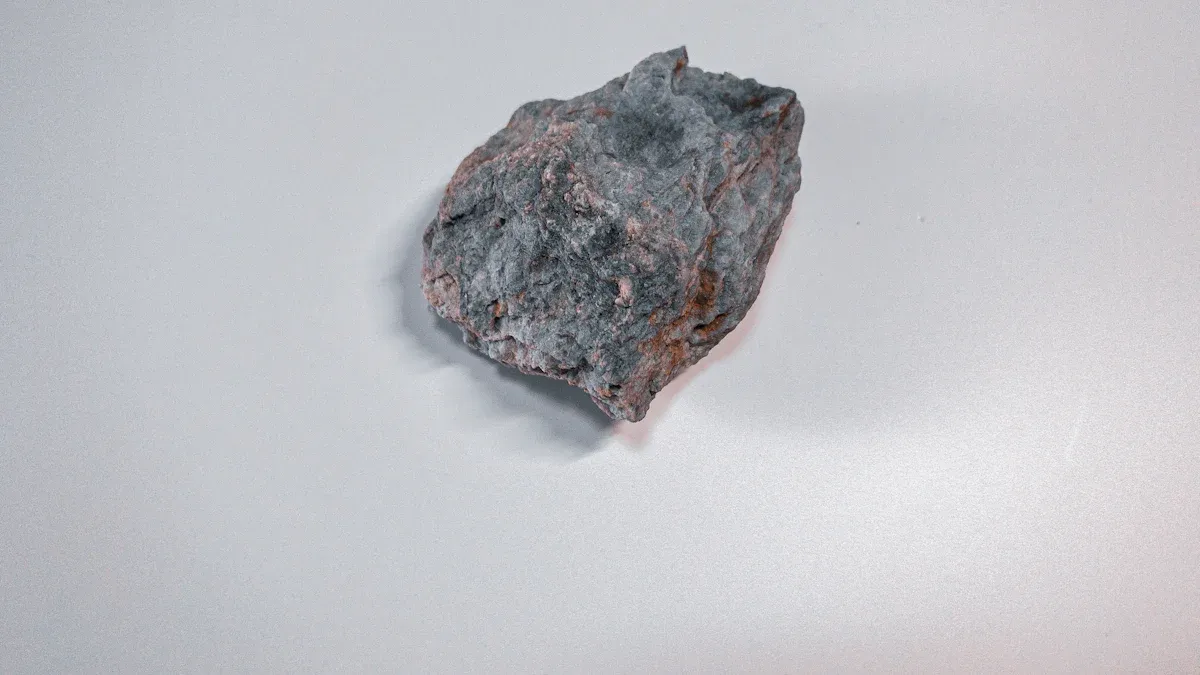
There are many manganese compounds used in science and industry. These include manganese sulfate and manganese chloride. Each one has special properties. People use them for different things because they react in their own ways. Some help plants grow strong. Others are good for work in factories or labs. Manganese compounds can look different from each other. Some are powders, and some are crystals. They can be pink, white, or pale green.
Note: Manganese compounds can change color when they react with other chemicals.
Solubility
Solubility means how well something mixes with water. Manganese sulfate mixes with water easily. You can use it to make plant food or supplements. Manganese chloride mixes with water even faster. This is why it is used in labs and factories. Always check how well a manganese compound mixes with water. If it mixes well, you can use it as a liquid. This helps plants and people take in manganese better.
Manganese sulfate: Mixes well with water, good for plants and supplements.
Manganese chloride: Mixes very well with water, best for factories.
Stability
Stability tells you if a compound keeps its form over time. Some manganese compounds stay the same in air and water. Manganese sulfate stays stable if you keep it dry. It does not break down fast. Manganese chloride can take in water from the air. This makes it less stable if left out. You should keep manganese compounds in closed containers. This keeps them safe and ready to use.
Tip: Always read the storage directions for manganese compounds before using them.
Uses
Supplementation
It is important to care about your health. Many people take manganese supplements to stay healthy. Your body needs manganese for strong bones and a healthy brain. It also helps your metabolism work well. If you do not get enough manganese from food, you might need a supplement. Manganese sulfate is used because your body absorbs it easily. Always read the label for the right dosage. Taking too much manganese can be bad for you. You should also check if it mixes with other minerals or medicines. Sometimes, doctors tell people to take a supplement if they need more manganese. Always talk to a doctor before you start a new supplement.
Agriculture
Farmers use manganese to help crops grow better. Plants need manganese for healthy leaves and strong roots. If soil does not have enough manganese, plants may look yellow or weak. Manganese sulfate is common in fertilizers because plants can use it easily. You should test the soil before adding manganese. Too much manganese can hurt plants. Manganese chloride is used less often in farming. Always use the right amount for each crop. Watch how manganese works with other nutrients in the soil. Good manganese helps crops grow well and makes food healthier.
Industrial
Factories and labs use manganese for many jobs. Manganese chloride is used a lot in making chemicals. You can find it in batteries, dyes, and other things. Workers use manganese chloride because it mixes with water fast. It helps in chemical reactions. You must be careful when using it to stay safe. Factories need the right amount of manganese to make strong steel and other materials. Manganese is also used to make glass and ceramics. Always check how it works with other chemicals. Safe use and good handling keep workers healthy in factories.
Tip: Always follow safety rules when you use manganese. This keeps you safe and helps you get the best results.
Effectiveness
Absorption
It is important to know how people and plants take in manganese. This is called manganese absorption. Your body needs manganese for many things. When you pick a supplement, you want one that your body can use well. Manganese sulfate helps your body take in more manganese than manganese chloride. Your stomach and intestines get more manganese from manganese sulfate. This means you get more good effects from the same amount.
Plants also need to absorb manganese well. If you use manganese sulfate, plants get manganese from the soil quickly. Manganese chloride does not work as well for this. You will see better results if you choose the right kind. Manganese absorption is important for both people and plants. If you want strong bones or healthy crops, pick the best manganese absorption.
Note: Good manganese absorption keeps you and your plants healthy.
Here is a quick list to help you remember:
Manganese sulfate gives better manganese absorption in humans.
Plants use manganese sulfate for faster manganese absorption.
Manganese chloride gives lower manganese absorption in most cases.
Plant Growth
You want your plants to be strong and healthy. Manganese is very important for this. When plants get enough manganese, they make more food with photosynthesis. Manganese sulfate helps plants grow better. It supports strong roots and green leaves. You will see that plants look greener and grow faster with enough manganese.
If you use manganese chloride, you may not see the same results. Plants do not take in manganese chloride as well. This can cause weak growth or yellow leaves. Always check your soil and pick the best kind for your crops. Most farmers choose manganese sulfate.
Tip: For the best plant growth, use manganese sulfate and watch your plants thrive.
Safety
exposure
It is important to know how manganese exposure affects health. You can get manganese exposure by breathing dust, touching, or eating things with manganese. Breathing in manganese dust is common at work. You might find manganese exposure in factories or welding shops. Places that use manganese compounds also have exposure risks. Breathing manganese dust can cause health problems. You should wear safety gear to lower manganese exposure.
Warnings: Always use a mask and gloves when working with manganese. These steps help keep you safe from manganese exposure and breathing in dust.
Manganese exposure can happen at home too. You might get it from water, soil, or food. Breathing in manganese dust at home is not as common. You should still be careful. Kids are more sensitive to manganese exposure. Keep manganese products away from children. Too much manganese exposure can hurt your body. Breathing in manganese dust can cause manganese neurotoxicity. Always follow warnings on product labels to avoid manganese exposure.
Toxicity
Manganese toxicity means you have too much manganese in your body. Manganese toxicity can cause serious health problems. Breathing in manganese dust or fumes raises the risk of manganese toxicity. You might feel headaches, weak muscles, or trouble walking. Manganese toxicity can also affect your brain. Manganese neurotoxicity is a big worry for workers. Breathing in manganese can cause manganese neurotoxicity and even neurodegeneration.
Warnings: If you feel sick after manganese exposure, see a doctor right away. Getting help early can stop manganese toxicity from getting worse.
Manganese neurotoxicity can cause problems with memory, mood, and movement. Breathing in manganese dust makes manganese neurotoxicity more likely. Manganese toxicity can also cause oxidative stress in your body. Oxidative stress happens when your cells get hurt. Manganese neurotoxicity and oxidative stress can cause long-term health problems. Watch for warnings about manganese toxicity and manganese neurotoxicity at work and home. High manganese exposure is linked to neurological disorders. Breathing in manganese dust is the main cause of manganese neurotoxicity and oxidative damage. Oxidative stress from manganese toxicity can harm your nerves. Always follow warnings and safety rules to avoid manganese toxicity, manganese neurotoxicity, and oxidative damage.
Cost & Access
Price
You might want to know how much these cost. The price depends on where you shop and how much you buy. Manganese sulfate usually costs less than manganese chloride. Farmers and gardeners like manganese sulfate because it is cheaper for big fields. You can buy it at garden stores or online for a good deal.
Manganese chloride costs more money. Factories and labs use it for special work, so it is more expensive. If you only need a little for science, the price may not matter much. But if you need a lot, the cost can get high fast. Here is a table to help you see the difference:
Compound | Typical Price (per kg) | Common Buyers |
|---|---|---|
Lower | Farmers, gardeners | |
Manganese Chloride | Higher | Factories, labs |
Tip: Always look at the price per kilogram before you buy. Buying in bulk can help you save money if you need a lot.
Availability
You can find manganese sulfate in many places. Most garden centers, farm stores, and online shops sell it. This makes it easy to get for your plants or supplements. You do not have to wait long or look hard.
Manganese chloride is not as easy to find in normal stores. You will mostly see it in chemical shops or online stores for labs. If you work in a factory or lab, you might have a supplier for it. For most people, manganese sulfate is easier to get.
Manganese sulfate: Easy to buy, many stores have it.
Manganese chloride: Harder to find, mostly in special shops.
Note: Always make sure you get the right kind of manganese for what you need. Check the label and ask questions if you are not sure.
Recommendations
Choosing for Supplementation
If you want a supplement, pick the safest one. Manganese sulfate is best for most people. Your body can use it easily. This helps you get the benefits you need. Doctors often say to use manganese sulfate. It has a good safety record. You can find it in health stores and online.
Tip: Always ask your doctor before you start a new supplement. This helps you not take too much manganese.
When you shop, look at the label. Make sure it says manganese sulfate is the main ingredient. Do not buy products with manganese chloride unless your doctor says so. Manganese chloride does not work as well. It can also cause more side effects.
Choosing for Agriculture
If you grow plants, you want them healthy and strong. Manganese sulfate is the best choice for farmers and gardeners. Plants use manganese sulfate fast. This helps them grow better and look greener. You can mix it with water and spray it on plants. You can also add it to the soil.
Here is a quick guide to help you choose:
Crop Type | Best Manganese Compound | Why Choose It? |
|---|---|---|
Field Crops | Manganese Sulfate | Fast absorption, strong growth |
Garden Plants | Manganese Sulfate | Easy to use, safe for soil |
Special Cases | Manganese Chloride | Only if recommended by experts |
Note: Test your soil before you add manganese. Too much can hurt your plants.
You should not use manganese chloride for most crops. It does not work as well. It can even harm plants if you use it wrong.
Choosing for Industry
If you work in a factory or lab, you need something different. Manganese chloride is often better for industry. It mixes with water very fast. This helps with chemical reactions. Many factories use manganese chloride to make batteries and dyes.
Always follow safety rules when you use manganese at work. Wear gloves and a mask to stay safe from dust or fumes.
Alert: Never use industrial manganese for food, supplements, or farming unless the label says it is safe.
When you buy manganese for work, check the product grade. Industrial manganese chloride is not safe for people or plants. Only use it for its proper job.
You have learned how manganese sulfate and manganese chloride are different. Manganese sulfate helps plants grow and is good for supplements. Manganese chloride is better for work in factories. Each one is best for certain uses. Think about what you need before you buy. Pick manganese sulfate if you want healthy crops or better health. Use manganese chloride for jobs in labs or factories.
Remember: Picking the right manganese compound gives you the best results.
FAQ
What is the main difference between manganese sulfate and manganese chloride?
Manganese sulfate is best for plants and supplements. Manganese chloride is used more in factories and labs. Pick the one that fits what you need. Each one has its own good points.
Can you use manganese chloride for plants?
Most plants do not use manganese chloride well. It does not help them grow strong. Manganese sulfate works better for healthy plants. Always read the label before using anything in your garden.
Is manganese sulfate safe for human supplements?
Manganese sulfate is safe if you use the right amount. Your body can take it in easily. Always ask your doctor before you start a new supplement. Too much manganese can make you sick.
Where can you buy manganese sulfate?
You can buy manganese sulfate at farm stores, garden shops, or online. It is easy to find for home or farm use. Make sure you get the right kind for what you need.
Why do factories use manganese chloride?
Factories use manganese chloride because it mixes with water fast. This helps with chemical jobs. It is used to make batteries, dyes, and chemicals. Always follow safety rules when you use it.
Related Products

manganese dioxide

manganese carbonate

manganese sand
Related Posts

I am Edward lee, founder of manganesesupply( btlnewmaterial) , with more than 15 years experience in manganese products R&D and international sales, I helped more than 50+ corporates and am devoted to providing solutions to clients business.

