Manganese Dioxide for Alkaline Batteries
Overview
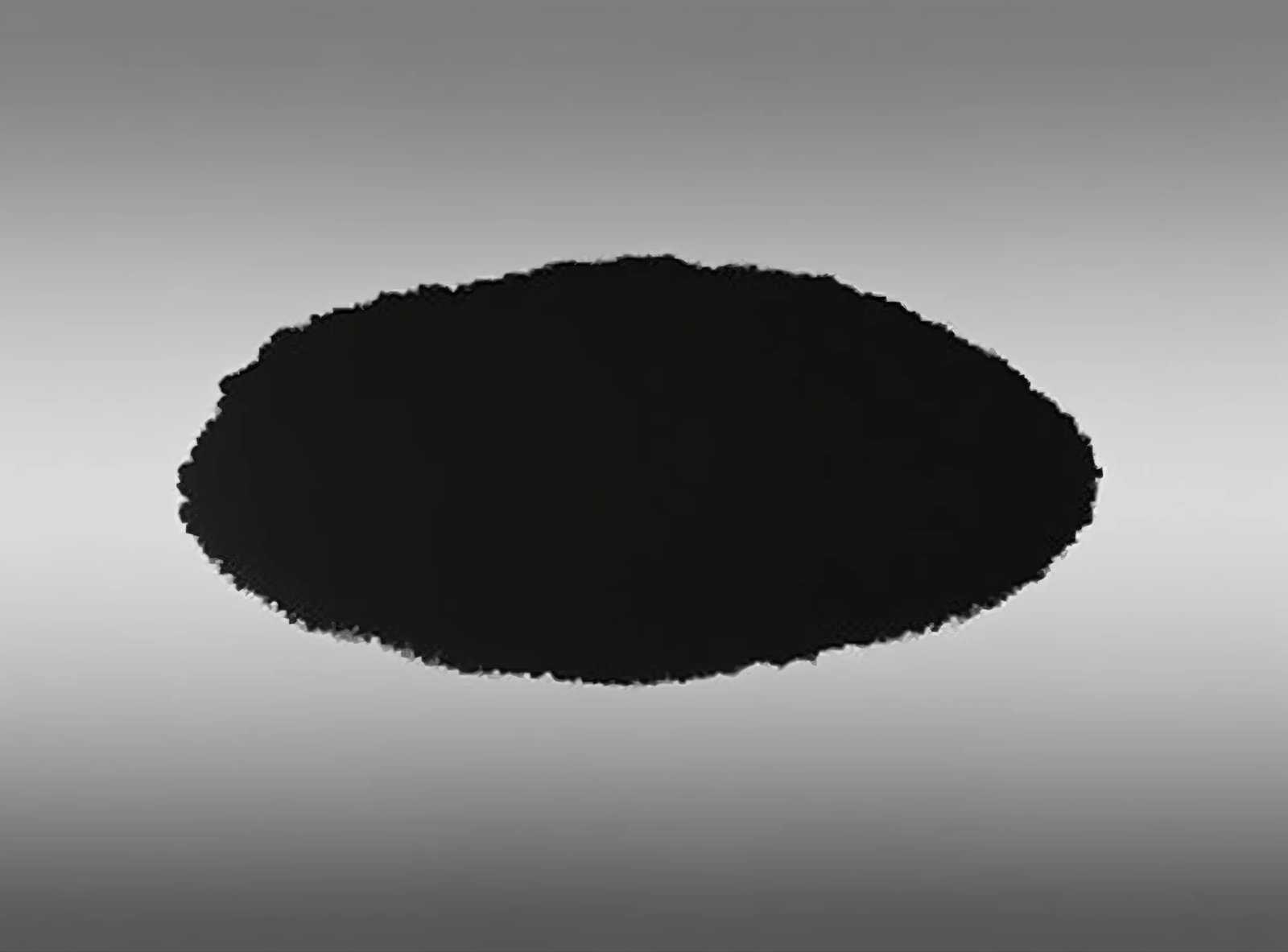
Manganese dioxide (MnO2 CAS 1313-13-9) is the core cathode active material in alkaline batteries (Zn–MnO₂ systems). The electrochemical performance, leakage risk, and shelf life of alkaline batteries are strongly influenced by the purity, crystal structure, particle morphology, and impurity control of MnO₂.
In commercial alkaline battery manufacturing, Electrolytic Manganese Dioxide (EMD) is the industry-standard material due to its high purity, controlled structure, and consistent electrochemical behavior.
Role of MnO₂ in Alkaline Batteries
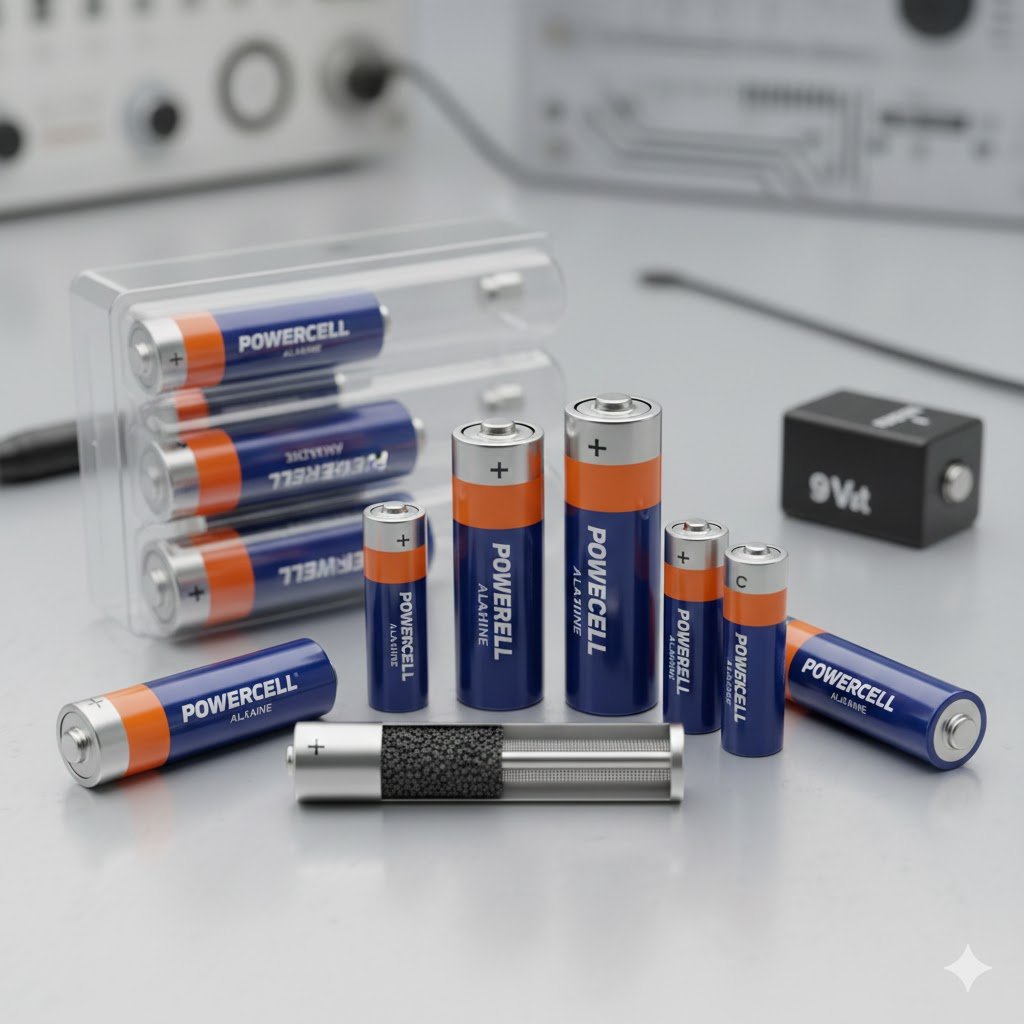
In an alkaline battery, MnO₂ functions as the cathode material and participates directly in the discharge reaction:
MnO₂ + H₂O + e⁻ → MnOOH + OH⁻
Key functions of MnO₂ include:
- Providing high electrochemical activity
- Maintaining a stable discharge voltage plateau
- Supporting high-rate discharge capability
- Reducing gas generation and leakage risk
Why Alkaline Batteries Require EMD Instead of CMD
While both Chemical Manganese Dioxide (CMD) and Electrolytic Manganese Dioxide (EMD) exist, alkaline batteries almost exclusively use EMD.
| Property | CMD | EMD |
|---|---|---|
| MnO₂ purity | 75–85% | ≥90–92% |
| Crystal structure | Mixed | γ-MnO₂ dominant |
| Electrochemical activity | Moderate | High |
| Impurity control | Limited | Strict (ppm level) |
| Typical application | Dry batteries | Alkaline batteries |
EMD offers superior ionic conductivity, structural stability, and reproducibility, which are essential for alkaline battery performance.
Battery-Grade EMD Technical Specifications for Manufacturers
| Parameter | Typical Requirement |
| MnO₂ purity | ≥90.0–92.0% |
| Crystal phase | γ-MnO₂ |
| Particle size (D50) | 5–20 μm |
| BET surface area | 40–70 m²/g |
| Moisture content | ≤1.5% |
| pH (slurry) | 3.5–5.0 |
| Tap density | 1.3–1.8 g/cm³ |
Impurity Control Requirements
Impurities in MnO₂ directly affect battery safety, leakage, and self-discharge. Alkaline battery manufacturers impose strict limits:
| Impurity | Typical Limit |
| Iron (Fe) | ≤0.05 wt% |
| Copper (Cu) | ≤0.005 wt% |
| Nickel (Ni) | ≤0.01 wt% |
| Lead (Pb) | ≤0.02 wt% |
| Sodium (Na) | ≤0.10 wt% |
Low heavy-metal content minimizes parasitic reactions and hydrogen evolution during storage and discharge.
Particle Morphology and Surface Area
Fine, porous EMD particles increase active surface area
Controlled pore structure improves electrolyte penetration
Excessively high surface area may increase gas generation
Most alkaline battery producers target a balanced BET range (40–70 m²/g) to optimize capacity and safety.
Impact on Battery Performance
High-quality EMD contributes to:
Higher initial capacity
Stable discharge curve
Improved low-temperature performance
Reduced internal resistance
Lower leakage rate during shelf life
In standardized alkaline battery testing, EMD-based cathodes typically achieve >90% discharge efficiency under nominal load conditions.
Applicable Industry Standards and References
Battery-grade manganese dioxide is commonly evaluated according to:
IEC 60086 – Primary batteries standard
ASTM E394 – Chemical analysis of manganese dioxide
JIS K 1467 – Manganese dioxide for dry and alkaline batteries
Internal specifications from major alkaline battery manufacturers
Actual acceptance criteria may vary depending on battery formulation and production process.
Packaging and Supply Considerations
Packaging: 25 kg bags, 1 MT big bags (customizable)
Storage: Dry, well-ventilated environment
Shelf life: Typically 12–24 months under proper storage
Batch-to-batch consistency and full COA documentation are critical for battery manufacturers.
Why Choose Our Battery-Grade EMD?

Strict Impurity Control
Our EMD undergoes a multi-stage purification process to minimize heavy metal impurities (Fe, Cu, Ni), ensuring the long-term stability and safety of alkaline batteries.

High Electrochemical Activity
Optimized crystal structure provides superior discharge performance, especially in high-drain devices.

Customizable Particle Size
We offer tailored particle size distributions (D50) to match your specific cathode formulation and production process requirements.

Global Logistics & Compliance
Full ISO certification and REACH compliance, with a stable monthly supply capacity of 500+ Tons
Frequently Asked Questions (FAQ)
Is CMD suitable for alkaline batteries?
CMD is generally not recommended for alkaline batteries due to lower purity and inconsistent electrochemical performance.
What MnO₂ purity is required for alkaline batteries?
Most alkaline battery producers require MnO₂ purity of 90% or higher, with strict impurity control.
Can EMD specifications be customized?
Yes. Particle size distribution, surface area, and impurity limits can be adjusted based on battery design requirements.
How does MnO₂ quality affect leakage risk?
High impurity levels and unstable morphology can increase gas generation, leading to higher leakage risk during storage.
Contact for Battery-Grade MnO₂ Solutions
If you are sourcing bulk supply of manganese dioxide for alkaline battery production, we can provide battery-grade EMD with consistent quality, full analytical data, custom particle size and technical support tailored to your manufacturing process.
You can also check out specifications for these applications:
Battery Grade MnO2 9 1 % for Zinc-Carbon Cells
High Purity Chemical Manganese Dioxide (CMD) for Li-MnO2 Systems
Activated Manganese Dioxide for High-Drain Electronic Applications
EMD Powder for Primary Lithium Battery Cathodes
MnO2 for Magnesium-Manganese Dry Cell Production
Low Impurity Manganese Dioxide for Power Tool Batteries
Synthetic Manganese Dioxide for High-Performance Energy Storage
MnO2 Nanoparticles for Next-Generation Supercapacitors
Manganese Dioxide Precursor for Lithium Manganese Oxide (LMO)
Related Products

manganese dioxide

manganese carbonate

manganese sand
Related Posts