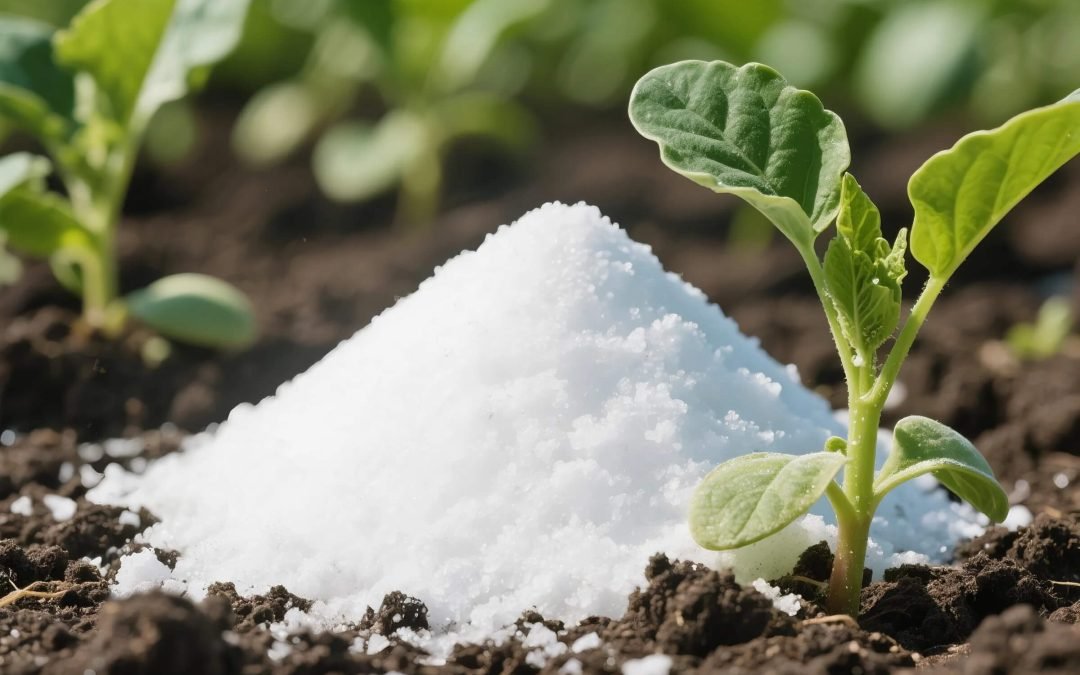
In agriculture, micronutrients play a crucial role in ensuring optimal plant growth and maximizing crop yields. Among these essential nutrients, manganese (Mn) stands out due to its significant impact on various physiological processes within plants. Manganese sulfate monohydrate (MnSO₄·H₂O) serves as an effective source of this vital micronutrient, offering numerous benefits for crop development and productivity.
What Is Manganese Sulfate Monohydrate?
Manganese sulfate monohydrate is a crystalline compound composed of manganese, sulfur, and water molecules. It is produced through the reaction of manganese dioxide with sulfuric acid, followed by crystallization. This compound is widely utilized in agriculture, industries, and chemical processes due to its unique properties and benefits.
Role of Manganese in Plant Growth
Manganese is an essential micronutrient for plants, playing a vital role in various physiological processes. Its significance in agriculture includes:
Photosynthesis: Manganese is involved in the light-dependent reactions of photosynthesis, facilitating the production of energy necessary for plant growth.
Enzyme Activation: It activates several enzymes responsible for processes such as nitrogen metabolism, respiration, and the synthesis of certain vitamins.
Disease Resistance: Manganese contributes to the formation of lignin in plant cell walls, enhancing structural integrity and resistance to pathogens.
Chlorophyll Production: It plays a role in chlorophyll synthesis, affecting the plant’s ability to capture light energy for photosynthesis.
Benefits of Manganese Sulfate Monohydrate in Agriculture
1. Corrects Manganese Deficiency
Manganese deficiency in plants can lead to symptoms such as interveinal chlorosis, reduced growth, and poor fruit development. Applying manganese sulfate monohydrate effectively corrects these deficiencies, restoring healthy plant development.
2. Enhances Crop Yield and Quality
Adequate manganese levels promote robust plant growth, leading to increased crop yields and improved quality. It contributes to better root development, flowering, and fruit setting, resulting in higher productivity.
3. Improves Disease Resistance
Manganese strengthens plant cell walls by facilitating lignin formation, enhancing the plant’s resistance to diseases and environmental stresses. This contributes to overall plant health and longevity.
4. Supports Efficient Nutrient Utilization
Manganese plays a role in nitrogen metabolism, aiding in the efficient utilization of nitrogen fertilizers. This leads to improved nitrogen use efficiency, reducing fertilizer requirements and minimizing environmental impact.
5. Suitable for Various Application Methods
Manganese sulfate monohydrate can be applied through different methods, including soil application and foliar spraying. Its high solubility ensures effective uptake by plants, regardless of the application method

Application Methods and Dosage
Soil Application
For soil application, manganese sulfate monohydrate can be incorporated into the soil before planting or during the growing season. Recommended application rates vary depending on soil manganese levels and crop requirements. Conducting soil tests prior to application is advisable to determine the appropriate dosage.
Foliar Spray
Foliar spraying provides a rapid method for correcting manganese deficiencies. Dilute manganese sulfate monohydrate in water according to recommended concentrations and apply directly to plant leaves. This method ensures quick absorption and immediate correction of deficiency symptoms.
Crops That Benefit Most from Manganese Sulfate Monohydrate
Manganese sulfate monohydrate is beneficial for a wide range of crops, including:
Cereal Crops: Such as wheat, maize, and barley, which require manganese for optimal growth and development.
Legumes: Including soybeans and peas, where manganese supports nitrogen fixation processes.
Fruit Trees: Like citrus and apples, benefiting from improved fruit quality and disease resistance.
Vegetables: Such as potatoes and tomatoes, where manganese enhances overall plant health.
Turfgrass: Where manganese contributes to lush, green growth and disease resistance.
Why Source from a Reliable Manufacturer
When selecting a supplier for manganese sulfate monohydrate, it’s crucial to choose a reputable manufacturer to ensure product quality and consistency. BTL New Material is a trusted supplier known for its high-quality manganese sulfate products. Their commitment to quality assurance and customer satisfaction makes them a reliable choice for agricultural needs.
Conclusion
Manganese sulfate monohydrate is an essential micronutrient fertilizer that plays a pivotal role in promoting healthy plant growth and enhancing crop yields. By correcting manganese deficiencies, improving disease resistance, and supporting efficient nutrient utilization, it contributes to sustainable and productive agricultural practices. Choosing a reliable supplier like BTL New Material ensures access to high-quality products that meet the nutritional needs of your crops.
❓ Frequently Asked Questions (FAQ)
1. What is Manganese Sulfate Monohydrate?
Manganese Sulfate Monohydrate (MnSO₄·H₂O) is a water-soluble crystalline compound containing approximately 31% manganese and 18% sulfur. It is widely used in agriculture to correct manganese deficiencies in soils, promote healthy plant growth, and enhance crop yields.
2. How Can I Identify Manganese Deficiency in Plants?
Manganese deficiency often manifests as interveinal chlorosis, where the tissue between leaf veins turns yellow while the veins remain green. This symptom is particularly noticeable in young leaves. Other signs include reduced growth, poor fruit development, and increased susceptibility to diseases.
3. What Are the Recommended Application Methods for Manganese Sulfate Monohydrate?
Application methods include:
Soil Application: Broadcasting or banding at planting. Typical rates range from 20–60 lbs per acre, depending on soil test results.
Foliar Spray: Applying directly to leaves, especially during early growth stages. Concentrations vary; for example, 1 to 2 pounds per acre is effective for correcting deficiencies in soybeans.
Seed Treatment: Soaking seeds in a 0.1–0.2% MnSO₄ solution for 8 hours before planting.
4. How Much Manganese Sulfate Should I Apply?
Application rates depend on soil manganese levels and crop requirements. For example, a typical broadcast application is 50 kg/ha, but up to 100 kg/ha may be necessary in certain situations. Foliar applications often range from 0.2% to 0.5% MnSO₄ solution, depending on crop type and deficiency severity.
5. Can Manganese Sulfate Be Used in Organic Farming?
Yes, manganese sulfate is allowed in organic farming under certain conditions. It is listed as a permitted substance in the National Organic Program’s regulations, provided it is used in compliance with organic standards.
Related Products

manganese dioxide

manganese carbonate

manganese sand
Related Post

I am Edward lee, founder of manganesesupply( btlnewmaterial) , with more than 15 years experience in manganese products R&D and international sales, I helped more than 50+ corporates and am devoted to providing solutions to clients business.