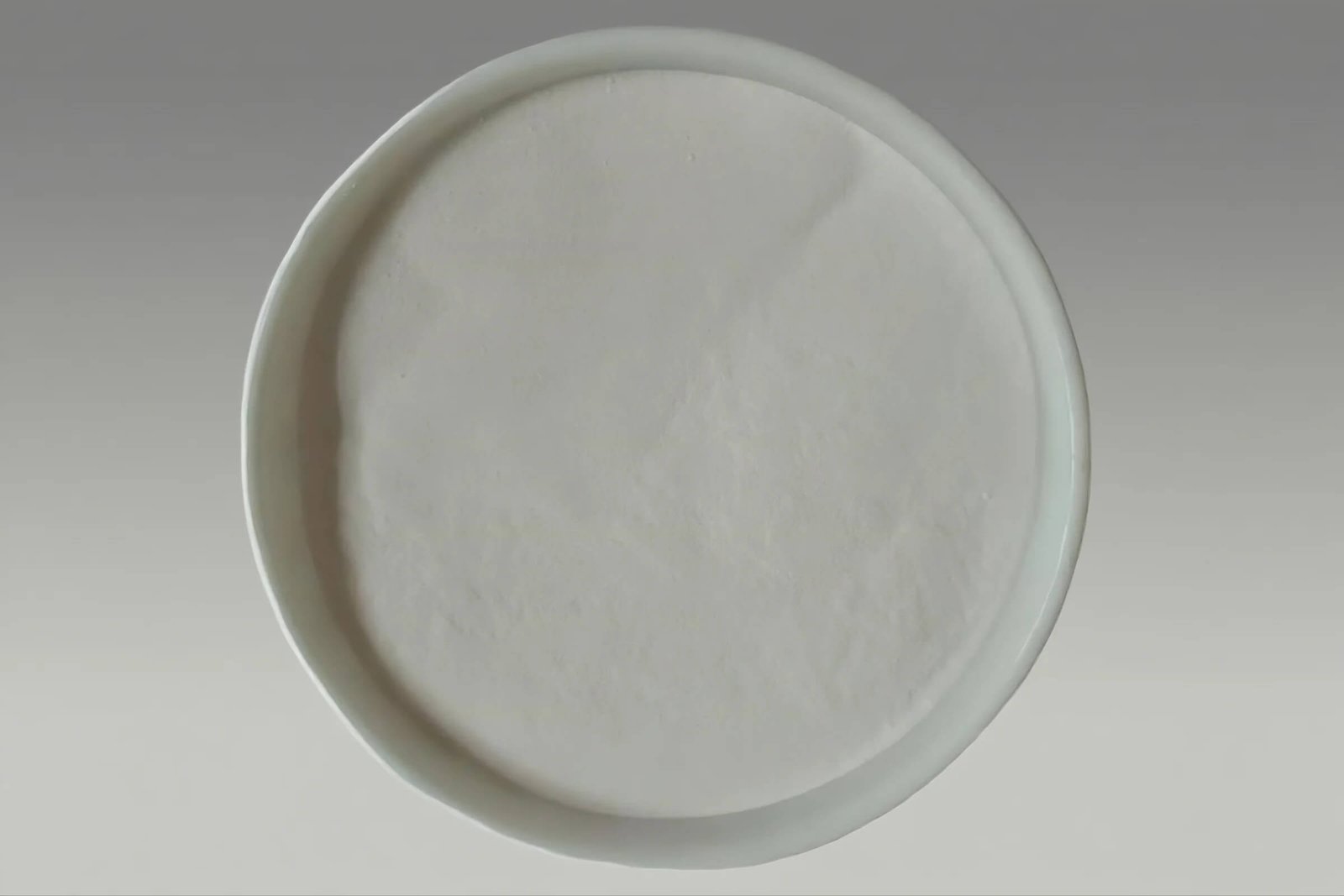
Manganese carbonate (MnCO₃) plays a critical role across multiple industries, including battery manufacturing, water treatment, agriculture, and steel production. As industrial supply chains become increasingly global, the reliability of raw material suppliers has become just as important as the materials themselves. Companies cannot afford disruptions in quality or delivery, and many now evaluate suppliers not only by product specifications but also by proven track records of successful partnerships.
This article presents case studies of successful manganese carbonate supply relationships in different industries. These examples demonstrate how tailored solutions, strict quality control, and reliable logistics can support long-term cooperation.
II. Why Case Studies Matter in Industrial Supply
In B2B industries, trust is rarely built on marketing claims alone. Procurement teams look for evidence: measurable outcomes, compliance with international standards, and satisfied clients.
Case studies serve as:
Proof of consistency – showing that suppliers can maintain quality across batches.
Evidence of adaptability – demonstrating the ability to customize particle size, purity, and packaging.
Risk management tools – helping buyers identify suppliers capable of meeting regulatory and logistical challenges.
III. Case Study 1: Supplying Battery-Grade Manganese Carbonate
Client Profile (Company A)
Location: South Korea
Industry: Lithium battery materials
Requirement: Battery-grade manganese carbonate with ≥44% Mn content, low moisture (<0.5%), and fine particle size (D50 < 10 µm).
Challenge
Battery manufacturers require extremely tight control over manganese carbonate specifications. Even small deviations in purity or moisture can compromise cathode material performance. Company A needed a supplier that could consistently meet ISO and SGS-certified standards.
Solution
The supplier introduced a strict multi-stage refining process and implemented moisture-controlled packaging to ensure low humidity during transport. Technical teams worked closely with the client’s R&D department to validate particle size distribution before bulk shipments.
Result
Stable supply of ≥44% Mn carbonate.
Reduced raw material rejection rate from 6% to 0.5%.
10% cost savings compared to previous supplier due to fewer delays and higher utilization rates.
IV. Case Study 2: Partnership with a Water Treatment Company
Client Profile (Company B)
Location: United States
Industry: Municipal water treatment
Requirement: Coarse-grained manganese carbonate (8×30 mesh) for filtration purposes, low impurities (Fe < 0.05%).
Challenge
The client faced issues with previous suppliers delivering inconsistent particle sizes, which clogged filtration systems and required frequent replacements.
Solution
The supplier developed a custom screening process to guarantee a uniform 8×30 mesh particle size. Independent third-party tests (SGS) confirmed impurity levels well below industry requirements.
Result
30% longer filter bed lifespan.
Compliance with U.S. EPA standards for municipal water treatment.
Stable monthly deliveries with zero shipment delays over 18 months.
V. Case Study 3: Long-Term Cooperation in the Steel Industry
Client Profile (Company C)
Location: Germany
Industry: Steel alloy manufacturing
Requirement: Consistent bulk supply of manganese carbonate for use as a raw material in manganese oxide production.
Challenge
Steel producers require uninterrupted manganese carbonate supply at predictable costs. Fluctuating global shipping rates and inconsistent local supply had previously forced Company C to shut down production lines.
Solution
The supplier implemented strategic inventory management and used multiple logistics partners to ensure uninterrupted delivery. Long-term contracts were signed to stabilize pricing.
Result
24-month uninterrupted supply.
Price fluctuation reduced by 40% compared to open-market sourcing.
Strong buyer confidence leading to a 5-year contract renewal.
VI. Comparative Table: Client Needs vs. Supplier Solutions
| Client | Industry | Requirement | Solution Provided | Outcome |
|---|---|---|---|---|
| A | Lithium Batteries | ≥44% Mn, moisture ≤0.5%, D50 < 10 µm | Advanced refining + moisture-proof packaging | Rejection rate reduced from 6% → 0.5% |
| B | Water Treatment | 8×30 mesh particle size, Fe < 0.05% | Custom screening + SGS validation | Filter life extended by 30% |
| C | Steel Manufacturing | Bulk supply, stable pricing, logistics reliability | Inventory planning + multi-route logistics | 24 months stable supply + cost stability |
VII. Key Lessons from These Partnerships
From these three case studies, several lessons stand out:
Quality control is non-negotiable – Strict monitoring of Mn content, particle size, and moisture ensures product reliability.
Customization is often necessary – Different industries have unique needs (e.g., fine powder vs. coarse mesh).
Logistics are part of quality – Even perfect product specifications lose value if shipments arrive late or inconsistent.
Long-term contracts benefit both parties – Buyers gain price stability, while suppliers secure predictable demand.
VIII. How to Evaluate a Manganese Carbonate Supplier
When choosing a supplier, procurement teams should look beyond basic quotations. Key factors include:
Product specifications
Mn content: typically ≥44% for industrial applications
Particle size: fine (<10 µm) for batteries, coarse (8×30 mesh) for filtration
Moisture: ≤0.5%
Certifications & testing
ISO 9001, SGS inspection reports, industry compliance standards
Supply chain reliability
History of on-time deliveries
Ability to manage bulk shipments internationally
Technical support
Customization of particle size
Application-specific advice
IX. Why Our Factory is a Reliable Partner
At BTL New Material (manganesesupply.com), we have built long-term partnerships across battery, steel, and water treatment industries. Our factory specializes in:
High-quality MnCO₃ production: ≥44% Mn content, ≤0.5% moisture, customizable particle size.
Strict QC processes: Each batch tested by SGS-certified methods.
Customization options: Particle size from D50 < 10 µm to 8×30 mesh, tailored packaging (25kg bags, jumbo bags).
Global logistics: Clients in Asia, Europe, and North America with proven on-time delivery.
These case studies reflect our ability to adapt to client requirements while maintaining product consistency.
X. Conclusion
Successful manganese carbonate supply partnerships are built on a foundation of quality, customization, and trust. As seen in the case studies above, suppliers that go beyond minimum specifications—by addressing industry-specific challenges and ensuring logistics stability—can deliver significant value to their clients.
If your business requires reliable manganese carbonate with proven results, contact our factory to discuss tailored supply solutions. We are ready to support industries ranging from batteries to steel and water treatment with consistent, high-quality MnCO₃.
Related Products

manganese dioxide

manganese carbonate

manganese sand
Related Posts

I am Edward lee, founder of manganesesupply( btlnewmaterial) , with more than 15 years experience in manganese products R&D and international sales, I helped more than 50+ corporates and am devoted to providing solutions to clients business.