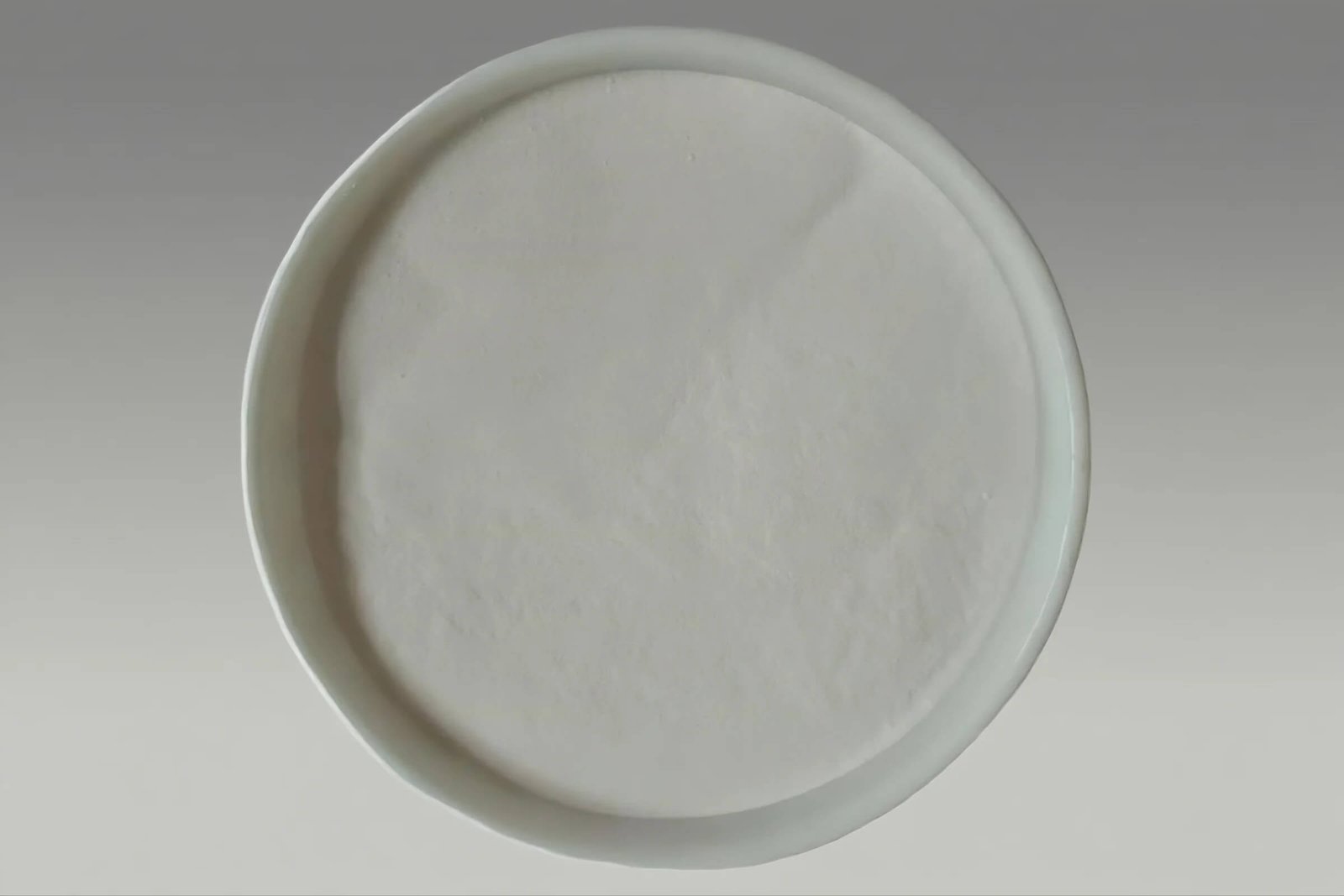
Global demand for manganese carbonate has increased steadily in recent years, driven by its wide application in battery materials, fertilizers, chemical synthesis, and water treatment. As buyers expand their sourcing networks, China has become one of the most frequently evaluated origins for manganese carbonate.
However, international buyers often approach Chinese suppliers with mixed expectations. On one hand, China is known for competitive pricing and large-scale production. On the other hand, concerns remain around product consistency, impurity control, regulatory compliance, and long-term supply reliability.
Global Supply Overview of Manganese Carbonate
Manganese carbonate (MnCO₃) is primarily produced in regions with strong access to manganese ore and developed chemical processing infrastructure.
Major Producing Regions
| Region | Key Characteristics |
|---|---|
| China | Large-scale production, integrated supply chain, multiple grades |
| India | Moderate scale, mainly industrial-grade supply |
| South Africa | Strong manganese ore resources, limited carbonate processing |
| Eastern Europe | Smaller capacity, higher production costs |
China accounts for a significant share of global manganese chemical processing, particularly in carbonate and dioxide forms. Unlike ore-exporting countries, China has developed downstream chemical conversion capabilities, allowing manganese ore to be processed into carbonate, sulfate, and dioxide products domestically.
This upstream-to-downstream integration is one of the fundamental reasons China remains competitive in manganese carbonate supply.
Cost Structure Advantages of Chinese Suppliers
Price is often the first factor buyers consider, but understanding why Chinese manganese carbonate is cost-competitive is more important than comparing unit prices alone.
Key Cost Drivers
Raw Material Integration
Many Chinese producers are located near manganese ore sources or have long-term supply contracts. This reduces raw material volatility and transportation costs.Energy and Utility Efficiency
Chemical industrial parks in China benefit from centralized utilities, reducing per-unit energy costs compared to decentralized production facilities.Labor and Automation Balance
While labor costs have increased, automation in grinding, precipitation, drying, and packaging has improved productivity per worker.Economies of Scale
Large batch production significantly lowers fixed costs per ton.
Cost Comparison (Indicative)
| Item | China | India | Europe |
|---|---|---|---|
| Average Production Scale | High | Medium | Low |
| Unit Energy Cost | Low–Medium | Medium | High |
| Logistics Cost (FOB) | Competitive | Moderate | High |
| Overall Cost Stability | High | Medium | Medium |
As a result, Chinese suppliers often offer more stable long-term pricing, especially for contract-based supply, rather than short-term spot sales.
Manufacturing Scale and Industrial Clusters in China
One of China’s most significant advantages is the presence of chemical manufacturing clusters.
Benefits of Industrial Clusters
Shared infrastructure (wastewater treatment, energy supply)
Faster access to auxiliary materials
Availability of skilled technical labor
Reduced lead time for scale-up orders
For manganese carbonate buyers, this translates into:
Shorter production cycles
Higher production flexibility
Reduced risk of supply disruption
Many Chinese factories can adjust monthly output based on demand without sacrificing quality consistency.
Quality Control and Technical Capability
Quality consistency is a major concern for buyers, especially in battery-grade and application-sensitive uses.
Typical Technical Specifications
| Parameter | Common Industrial Grade | Battery-Oriented Grade |
|---|---|---|
| MnCO₃ Content | ≥ 97.5% | ≥ 98.5% |
| Fe | ≤ 0.02% | ≤ 0.01% |
| Pb | ≤ 0.001% | ≤ 0.0005% |
| As | ≤ 0.0005% | ≤ 0.0003% |
| Moisture | ≤ 0.5% | ≤ 0.3% |
| Particle Size | Customized | Controlled (D50/D90) |
Quality Control Measures
Reliable Chinese suppliers typically implement:
In-house chemical analysis labs (AAS, ICP-OES)
Batch-based COA issuance
Incoming raw material inspection
Process monitoring at precipitation and drying stages
Retained samples for traceability
These practices allow consistent batch-to-batch performance, which is critical for downstream processing.
Compliance with International Standards
Chinese manganese carbonate suppliers increasingly align with international regulatory requirements, especially for export markets.
Common Compliance Standards
| Market | Relevant Requirements |
|---|---|
| European Union | REACH registration, impurity limits |
| United States | Application-based specifications, safety documentation |
| Battery Industry | Trace metal control, consistency |
| Fertilizer Sector | Nutrient content & solubility |
Most experienced exporters can provide:
COA (Certificate of Analysis)
MSDS / SDS
Product technical datasheets
Export customs documentation
Compliance capability is no longer a differentiator—it is a baseline expectation among serious Chinese manufacturers.
Customization and Application-Oriented Supply
Another strong advantage of Chinese manganese carbonate suppliers is customization flexibility.
Customizable Parameters
MnCO₃ purity
Impurity thresholds
Particle size distribution
Bulk density
Packaging format (25 kg bags, jumbo bags, bulk)
Application-Based Grades
| Application | Typical Focus |
|---|---|
| Battery precursors | High purity, low Fe/Pb |
| Fertilizers | Solubility and Mn content |
| Chemical synthesis | Reaction consistency |
| Pigments & ceramics | Particle size control |
Compared with suppliers in regions with limited processing capacity, Chinese factories are more willing to co-develop specifications with buyers.
Logistics and Export Experience
China’s export infrastructure significantly reduces uncertainty for overseas buyers.
Typical Export Capabilities
FCL container loading (25 kg bags on pallets)
Bulk shipment for large-volume buyers
FOB, CFR, CIF terms
Regular shipping routes to:
North America
Europe
Southeast Asia
Middle East
Experienced suppliers understand packaging stability, moisture protection, and documentation requirements, minimizing risks during international transport.
Common Misunderstandings About Chinese Suppliers
“Low price means low quality”
Price differences often result from scale efficiency, not compromised quality. Buyers should evaluate data, not assumptions.
“All suppliers are traders”
China has both traders and manufacturers. Factory audits, production photos, and technical discussions help distinguish them.
“Batch consistency is unreliable”
Inconsistent quality usually reflects poor supplier selection, not country of origin.
How to Evaluate a Reliable Chinese Manganese Carbonate Supplier
Buyers should focus on technical and operational indicators, not marketing language.
Key Evaluation Checklist
Clear technical specifications
Consistent COA across batches
Transparent production process
Defined impurity control standards
Export experience to similar markets
Asking the right questions is more effective than comparing prices alone.
Conclusion
The advantages of Chinese manganese carbonate suppliers go far beyond cost. China’s strength lies in industrial scale, technical maturity, customization capability, and export reliability.
For global buyers seeking long-term cooperation, evaluating process control, quality systems, and production capacity is more important than focusing solely on origin or price. When selected carefully, Chinese suppliers can provide stable, compliant, and application-oriented manganese carbonate supply for a wide range of industries.
Frequently Asked Questions (FAQ)
What is the typical purity of manganese carbonate from Chinese suppliers?
Most Chinese manganese carbonate manufacturers offer industrial-grade products with a MnCO₃ content of 97.5%–98.5%. For battery-related or high-purity applications, some suppliers can provide grades with MnCO₃ ≥ 98.5%, subject to impurity limits.
Are Chinese manganese carbonate suppliers suitable for battery applications?
Yes, some Chinese suppliers produce manganese carbonate suitable for battery precursor processing. These grades typically require low levels of Fe, Pb, and As, along with controlled particle size distribution. Buyers should always request detailed COA data for verification.
How stable is the quality between different batches?
Quality stability depends on the supplier’s process control and quality management system. Reputable Chinese manufacturers use batch-based testing, retained samples, and standardized production procedures to ensure consistent specifications across shipments.
Can Chinese suppliers customize manganese carbonate specifications?
Most Chinese factories offer customization options, including purity, impurity limits, particle size, and packaging formats. This flexibility is one of the main advantages when sourcing from China, especially for application-specific requirements.
What packaging options are commonly available?
Common packaging includes 25 kg bags, often palletized for container shipment. For larger volumes, jumbo bags or bulk loading may also be available, depending on the supplier’s logistics capability.
What documents do Chinese suppliers usually provide?
Standard export documentation typically includes COA, SDS (MSDS), technical datasheets, packing lists, and certificates of origin, depending on destination requirements.
How can buyers verify whether a supplier is a real manufacturer?
Buyers can request factory photos, production process descriptions, equipment lists, and technical discussions. Consistent COA data and the ability to explain production parameters are strong indicators of a genuine manufacturer.
Related Posts

I am Edward lee, founder of manganesesupply( btlnewmaterial) , with more than 15 years experience in manganese products R&D and international sales, I helped more than 50+ corporates and am devoted to providing solutions to clients business.