Manganese Sulfate Monohydrate is an important compound used in agriculture, animal feed, and some industrial processes. It appears as a light-colored crystalline powder that dissolves easily in water. To keep it effective and safe, proper storage and handling are essential. Poor practices can lead to moisture damage, loss of quality, health risks, and environmental harm. This guide offers best practices for storing and handling the compound to ensure safety and preserve product quality.

Understanding Manganese Sulfate Monohydrate
1.1 Physical and Chemical Properties
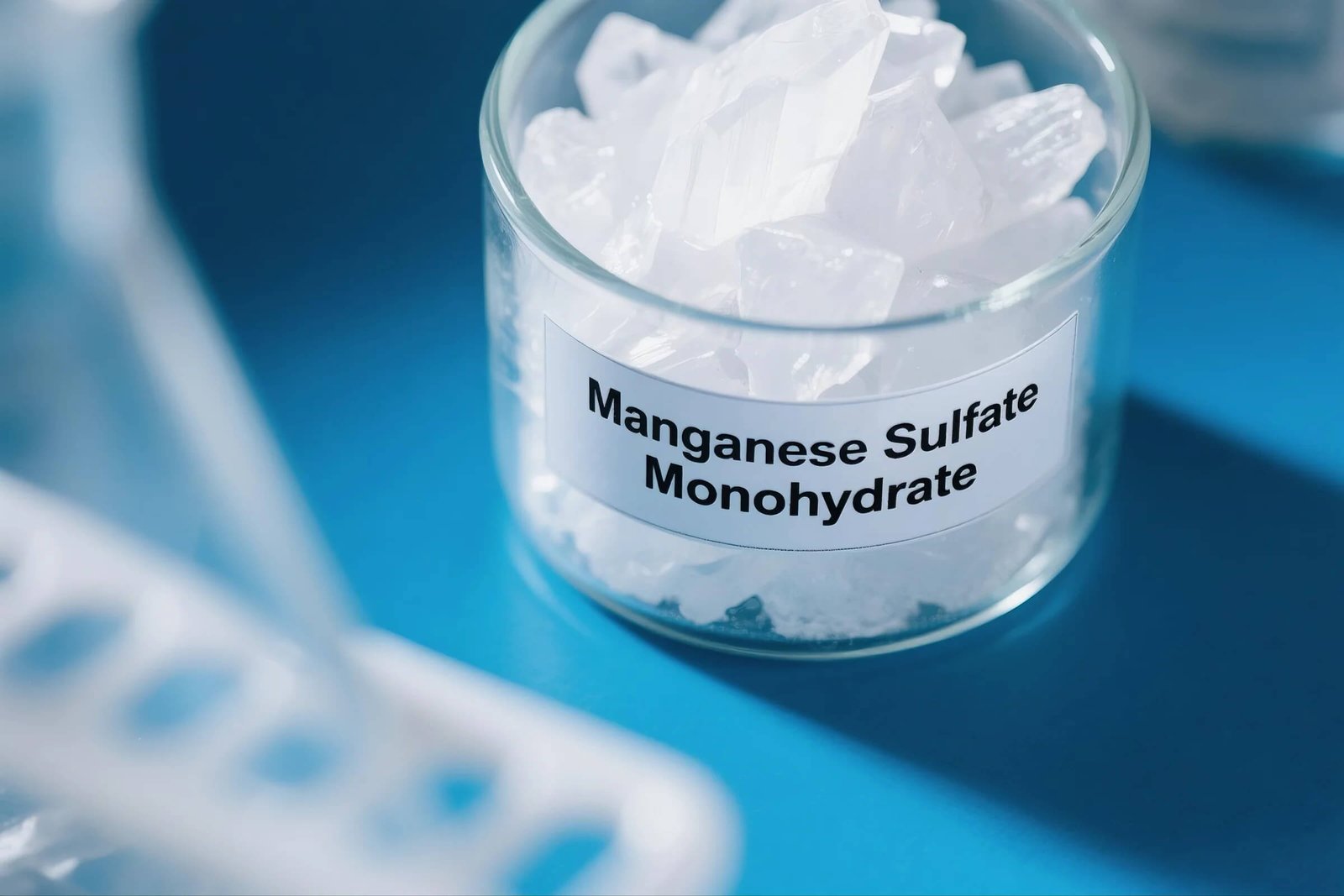
Manganese Sulfate Monohydrate is a fine powder or granular solid that absorbs moisture (hygroscopic). It is stable under normal conditions but can release sulfur oxides if heated too much. It dissolves readily in water and appears as light pink, off-white, or beige crystals.
1.2 Incompatibilities to Know
Avoid storing it near strong oxidizers (like peroxide or bleach), acids, or metals such as aluminum or magnesium—these substances can react undesirably.
Optimal Storage Practices
Ideal Environmental Conditions
Store in a cool (e.g., 15–25 °C), dry, and well-ventilated area.
Keep away from direct sunlight, heat sources, and ignition points.
Use the original packaging and keep containers tightly sealed to avoid moisture.
Never store near foodstuffs.
Packaging and Warehouse Organization
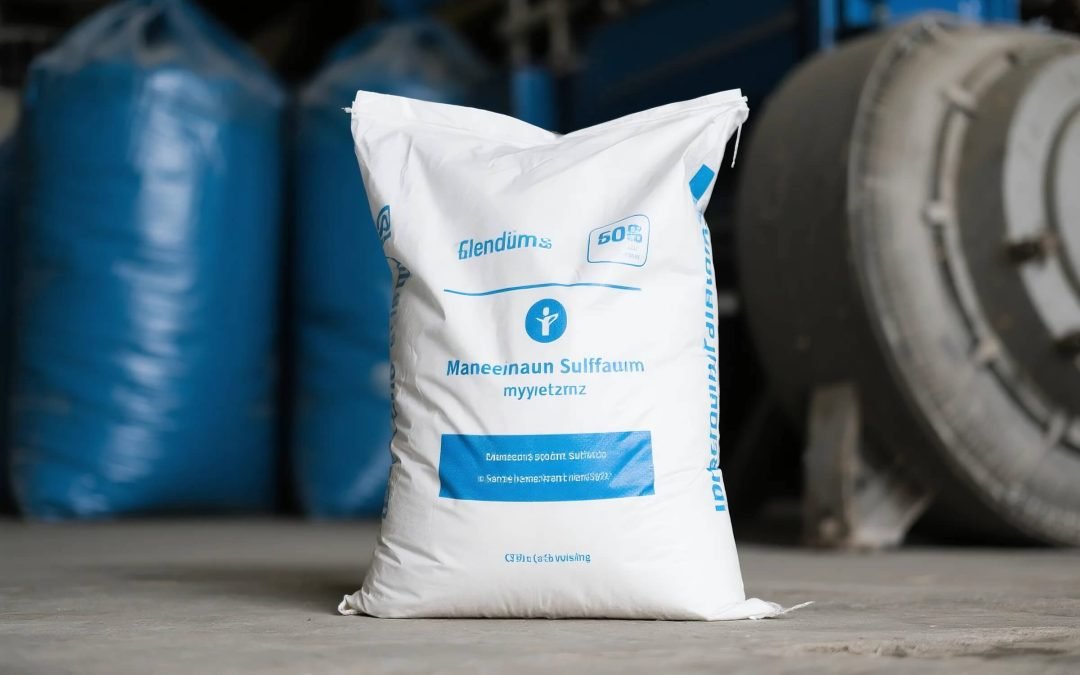
Use sealed, moisture-resistant packaging, such as PE-lined or woven bags.
Place packages on pallets to lift them off the floor, allowing airflow underneath.
Label clearly, keep aisles open for ventilation, and clean regularly to prevent dust build-up.
Shelf Life Considerations
Under ideal conditions, the material remains stable for 1 to 2 years. However, check periodically for signs of moisture, caking, or lumps—these indicate quality loss.
Safe Handling Procedures
Personal Protection Equipment (PPE)
Gloves, protective goggles, and appropriate clothing are essential.
Respiratory protection (e.g., dust mask or respirator) should be used when dust generation is high or ventilation is poor.
Keep eyewash stations and safety showers nearby.
Handling Best Practices
Perform operations in well-ventilated spaces or under exhaust ventilation.
Do not use compressed air to blow dust—it can disperse particles widely.
Avoid eating, drinking, or smoking in the handling area. Wash hands before breaks or leaving.
Handle with care to avoid tearing bags or generating unnecessary dust.
Spill Cleanup Procedures
For small spills, gently sweep into labeled, sealable containers.
Do not wash spills into drains or soil; this chemical should not enter the environment.
Dispose of waste according to local regulations or through licensed waste services.
Quality Monitoring & Maintenance
Periodically inspect inventory for signs of caking, moisture, or discoloration.
Maintain clean, dry, and organized storage areas.
Record production dates and batch numbers to track shelf life.
Discard or test any material that shows quality issues.
Common Mistakes to Avoid
Storing near high humidity or heat sources.
Mixing with incompatible substances, especially oxidizers.
Frequently opening containers without resealing.
Inadequate ventilation or ignoring dust control.
Neglecting safety gear or hygiene protocols.
Failing to inspect inventory over time.
Conclusion
Proper storage and handling of Manganese Sulfate Monohydrate helps:
Preserve product quality and effectiveness.
Reduce waste and spoilage.
Protect worker safety and health.
Prevent environmental contamination.
FAQ
Where should Manganese Sulfate Monohydrate be stored?
In a cool, dry, well-ventilated area—sealed and away from direct sun or heat.
Why keep the container tightly closed?
To prevent moisture absorption and maintain product stability.
What protective gear is necessary when handling it?
Gloves, eye protection, and a dust mask or respirator, especially if dust is present.
How should spills be handled?
Gently sweep into sealed containers and dispose according to regulations—do not use water to wash it away.
Can it be stored near fertilizers or food?
No—store separately to avoid contamination and chemical reactions.
Related Products

manganese dioxide

manganese carbonate

manganese sand
Related Posts

I am Edward lee, founder of manganesesupply( btlnewmaterial) , with more than 15 years experience in manganese products R&D and international sales, I helped more than 50+ corporates and am devoted to providing solutions to clients business.