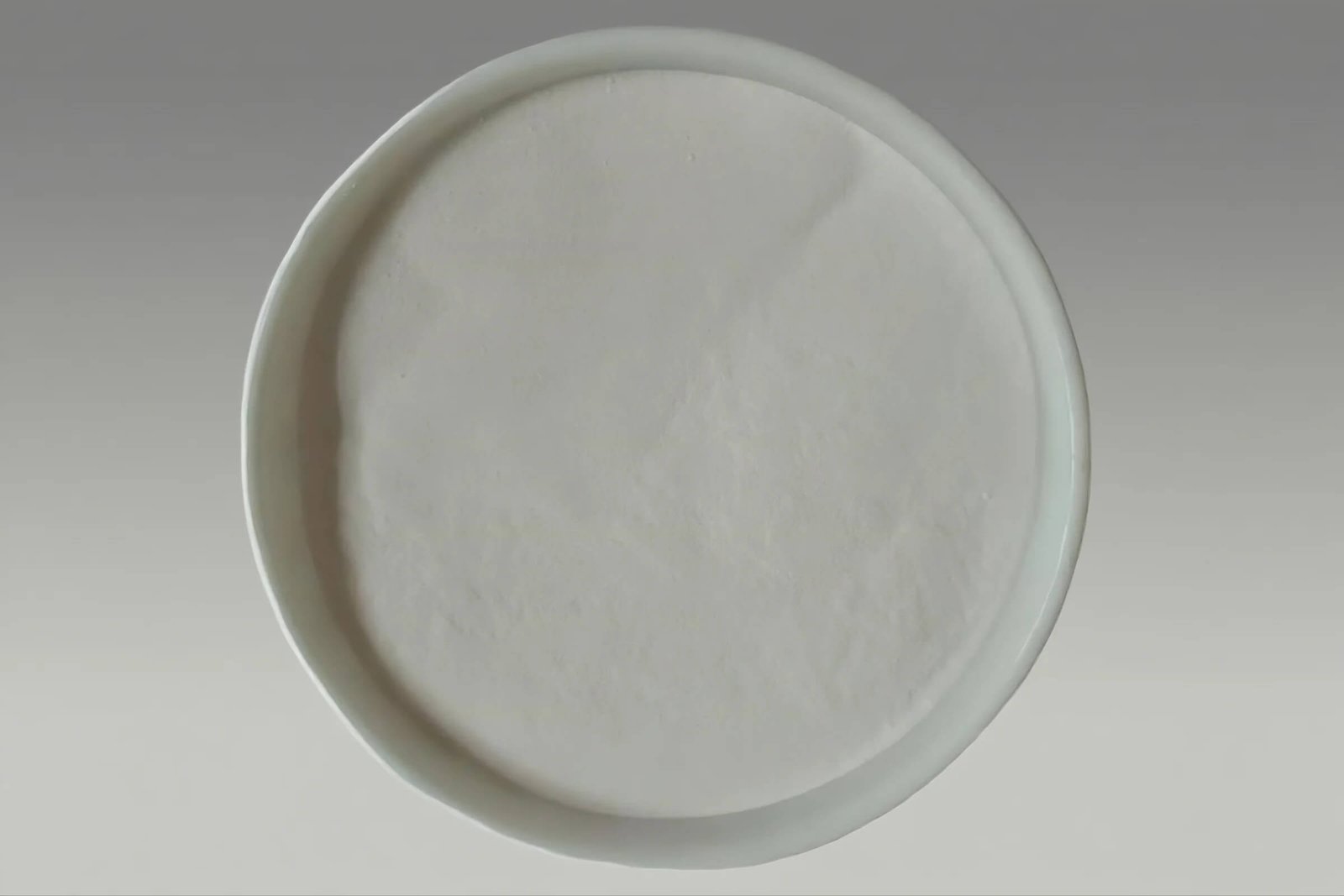
Manganese carbonate (MnCO₃) is a critical raw material widely used in industries such as steel production, batteries, ceramics, fertilizers, and water treatment. Its importance lies in its ability to serve as a precursor for manganese dioxide, manganese oxide, and other manganese compounds. In recent years, demand has surged due to the growth of electric vehicle (EV) batteries and environmental technologies.
China dominates the global manganese carbonate supply chain, accounting for a significant share of both production capacity and exports. For international buyers, sourcing manganese carbonate from China offers competitive pricing, consistent quality, and reliable logistics. However, the challenge lies in identifying trustworthy suppliers who can meet bulk order requirements with consistent product quality.
This article provides an in-depth look at the top Chinese manganese carbonate suppliers for bulk orders, outlining key factors buyers should consider, comparing leading factories, and highlighting how companies like BTL New Material and Lixi New Material can serve as reliable long-term partners.
II. Key Considerations When Choosing a Manganese Carbonate Supplier
Before committing to bulk orders, buyers should carefully evaluate suppliers based on several critical factors:
Purity and Grade
Industrial grade: Typically ≥44% Mn content.
Battery grade: ≥90% MnCO₃, used in lithium-ion cathode materials.
Lower grades may be acceptable for ceramics, pigments, or fertilizers but unsuitable for high-tech applications.
Particle Size and Consistency
Fine powders (average particle size < 10 µm) are required in battery production.
Larger granules (20–100 mesh) may be preferred for fertilizers or ceramics.
MOQ (Minimum Order Quantity)
Some suppliers require 20–50 MT minimum orders, while others are more flexible.
For first-time buyers, negotiating smaller trial shipments is essential.
Production Capacity & Lead Time
Leading Chinese factories have annual capacities ranging from 10,000 to 50,000 MT.
Buyers should confirm production schedules and delivery lead times, especially for long-term supply contracts.
Certifications & Compliance
ISO 9001, ISO 14001, and SGS testing are key indicators of reliability.
For European and American markets, compliance with REACH and RoHS regulations may be necessary.
Export Experience
Reliable suppliers should have established export records to markets such as the U.S., EU, Japan, and Southeast Asia.
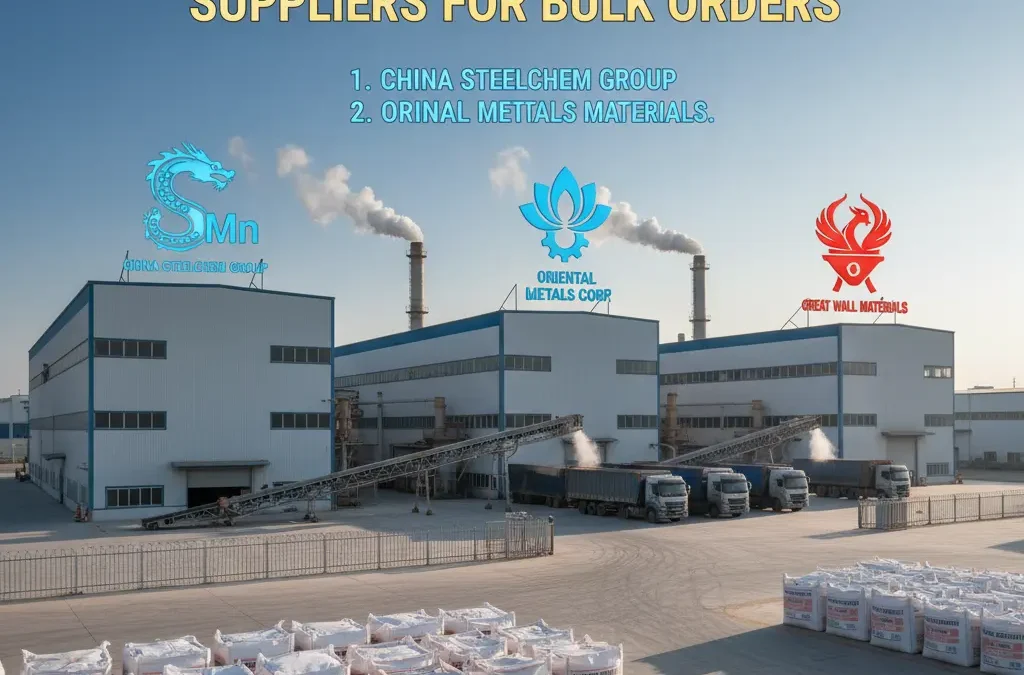
III. Top Chinese Manganese Carbonate Suppliers for Bulk Orders
Below is a comparison of two well-regarded Chinese suppliers:
Supplier Comparison Table
| Supplier | Mn Purity (Typical) | MOQ (MT) | Annual Capacity (MT) | Certifications | Main Export Markets |
|---|---|---|---|---|---|
| BTL New Material (manganesesupply.com) | ≥44% (industrial), ≥90% (battery grade) | 25–50 | 30,000+ | ISO 9001, SGS | USA, EU, Korea, Japan |
| Lixi New Material | ≥44% (industrial), customized grades available | 20 | 20,000+ | ISO 9001, SGS, REACH-ready | USA, EU, Southeast Asia |
Both companies offer competitive bulk supply options, but they differ in their approach:
BTL New Material has built a strong reputation for battery-grade manganese carbonate. Its high-purity products make it a preferred partner for cathode manufacturers.
Lixi New Material emphasizes flexibility — offering multiple grades, customizable specifications, and lower MOQ thresholds, which can be advantageous for buyers seeking tailored solutions.
IV. Advantages of Sourcing from China
Competitive Pricing
Chinese producers benefit from abundant manganese ore reserves and efficient processing.
Prices are often 10–20% lower than those from smaller regional suppliers.
High Production Capacity
Consolidated supply chains and modern facilities allow Chinese companies to support bulk orders exceeding thousands of tons.
Technological Advancements
Many Chinese suppliers employ carbonate reduction or acid leaching methods to achieve stable and consistent MnCO₃ quality.
Export Experience
Decades of exporting to North America, Europe, and Southeast Asia make logistics smooth, with established freight routes and customs compliance.
V. Industrial Applications of Manganese Carbonate
Manganese carbonate is used across a broad range of industries. Different grades and particle sizes are tailored to specific applications.
Application Comparison Table
| Application | Required Mn Purity | Particle Size | Role of Manganese Carbonate |
|---|---|---|---|
| Steel Manufacturing | ≥44% | Coarse or fine powder | Used as a flux to improve strength and durability of steel. |
| Battery Industry (Li-ion Cathodes) | ≥90% (battery grade) | Fine powder (<10 µm) | Precursor material for producing high-purity MnO₂ and NMC cathode materials. |
| Ceramics & Pigments | ≥44% | Granular/powder | Provides color stability and enhances ceramic glaze. |
| Water Treatment | ≥44% | 20–50 mesh | Acts as a filtration medium to remove iron and manganese from groundwater. |
| Fertilizers | ≥44% | Granular | Source of manganese micronutrients to correct soil deficiencies. |
This comparison highlights why buyers must carefully match supplier specifications to their intended use.
VI. How to Verify a Reliable Supplier
Choosing the wrong supplier can lead to costly mistakes, including receiving substandard products or facing shipment delays. Here are key steps to minimize risks:
Request Documentation
COA (Certificate of Analysis)
SGS or third-party testing reports
ISO certifications
Confirm Export Records
Ask for references from existing overseas customers.
Review trade data where available.
Factory Audits
On-site visits or third-party audits can confirm actual production capacity.
Sample Orders
Place smaller test orders to evaluate consistency before committing to large contracts.
Avoid Common Pitfalls
Beware of suppliers offering “battery grade” at unusually low prices, as these may be low-purity substitutes.
Confirm packaging details (25kg bags, jumbo bags) and shipping terms before placing orders.
VII. Why Work with btlnewmaterial
While there are several reliable manganese carbonate suppliers in China, BTL New Material distinguishes itself in several important ways:
Stable Quality
Industrial-grade manganese carbonate with ≥44% Mn content, suitable for steel, ceramics, fertilizers, and water treatment.
Customized grades available for different applications.
Flexible MOQ
Accepts orders starting from 20 MT, making it easier for mid-sized buyers to test the market without overcommitting.
Advanced Production Techniques
Uses both carbonate reduction and acid leaching methods to ensure consistency.
Products meet ISO 9001 standards and pass SGS inspections.
Strong Export Track Record
Supplies to the U.S., EU, and Southeast Asia, with long-term partners in multiple industries.
Custom Packaging and Logistics
Offers 25kg bags, 1MT jumbo bags, and palletized shipping.
Supports FOB, CIF, and DDP shipping terms.
Technical Support
Assists customers with application-specific needs, including advice for battery materials, fertilizers, and ceramics.
By combining reliability, flexibility, and customization, BTL New Material is an excellent partner for companies seeking consistent manganese carbonate supply for bulk orders.
VIII. Conclusion
China is the world’s leading source of manganese carbonate, with suppliers offering a wide range of grades suitable for steel, batteries, fertilizers, ceramics, and water treatment. For international buyers, choosing the right supplier requires careful evaluation of purity, capacity, certifications, and export experience.
Both BTL New Material (manganesesupply.com) and Lixi New Material stand out as trusted suppliers. BTL New Material is well known for high-purity battery-grade manganese carbonate, while Lixi New Material provides flexibility, customization, and competitive bulk supply options.
FAQs
Q1: What is the typical Mn content in industrial-grade manganese carbonate?
A: Industrial-grade MnCO₃ typically contains ≥44% Mn, suitable for steelmaking, ceramics, and fertilizers.
Q2: What is the minimum order quantity (MOQ) for Chinese manganese carbonate suppliers?
A: Most suppliers set an MOQ of 20–50 MT, though some may accept smaller trial orders.
Q3: How much does manganese carbonate cost per ton?
A: Prices vary depending on grade and market conditions but typically range from USD $400–$800/MT for industrial grade, and higher for battery grade.
Q4: What packaging options are available?
A: Standard packaging includes 25kg woven bags, 1MT jumbo bags, or palletized shipments for bulk orders.
Q5: Which industries use manganese carbonate the most?
A: Major industries include steelmaking, lithium-ion batteries, ceramics, fertilizers, and water treatment.
Related Products

manganese dioxide

manganese carbonate

manganese sand
Related Posts

I am Edward lee, founder of manganesesupply( btlnewmaterial) , with more than 15 years experience in manganese products R&D and international sales, I helped more than 50+ corporates and am devoted to providing solutions to clients business.