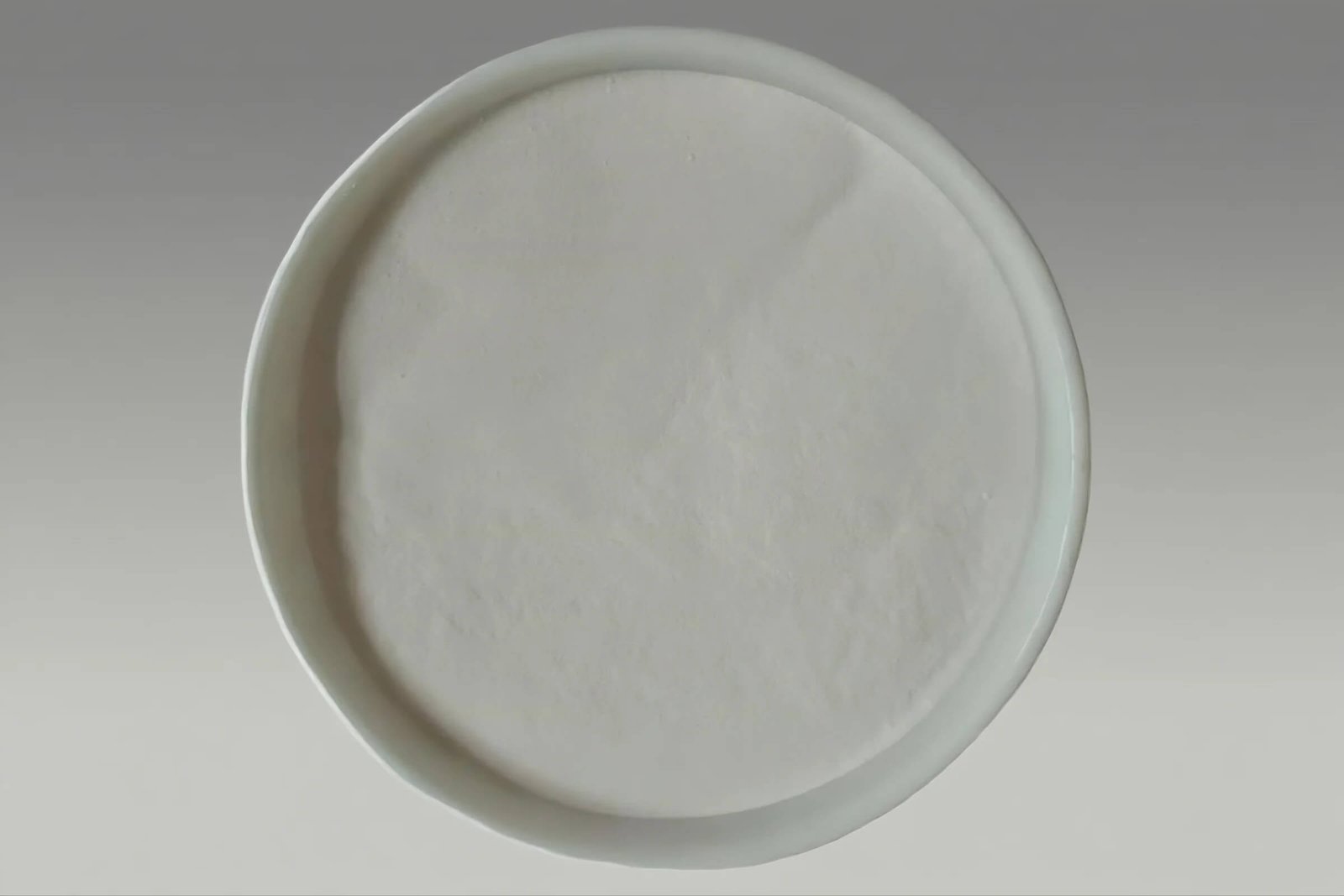
Manganese carbonate (MnCO₃) is a pink to light brown crystalline powder used in batteries, fertilizers, ceramics, and chemical production. Like many industrial chemicals, it must be handled safely to protect workers and the environment. This guide explains practical safety handling tips, including protective equipment, storage, transport, and regulatory standards.
II. Understanding Manganese Carbonate Hazards
Physical and Chemical Properties
Formula: MnCO₃
Molecular weight: 114.95 g/mol
Appearance: pink to light brown powder
Solubility: insoluble in water, soluble in acids
Health Hazards
Inhalation: Dust particles can irritate the respiratory system. Long-term inhalation may affect the central nervous system.
Skin/Eye contact: May cause irritation.
Chronic exposure: Linked to manganese toxicity, which can cause neurological issues (manganism).
According to the OSHA Hazard Communication Standard (29 CFR 1910.1200), manganese compounds are considered hazardous chemicals. The NIOSH Recommended Exposure Limit (REL) for manganese compounds is 1 mg/m³ (8-hour TWA) [NIOSH Pocket Guide].
Hazard Classification (GHS / CLP)
Classification: STOT RE 2 (Specific Target Organ Toxicity, Repeated Exposure)
Hazard Statement: May cause damage to organs through prolonged or repeated exposure (H373)
Pictogram: Health hazard symbol ⚠️
III. Personal Protective Equipment (PPE) Requirements
Proper PPE protects workers from dust exposure. OSHA and NIOSH recommend the following:
| PPE Item | Requirement | Standard Reference |
|---|---|---|
| Respiratory Protection | N95 or higher respirator when dust exceeds exposure limits | NIOSH Respirator Selection Guide |
| Eye Protection | Chemical safety goggles | OSHA 29 CFR 1910.133 |
| Gloves | Nitrile or neoprene gloves | OSHA 29 CFR 1910.138 |
| Protective Clothing | Lab coat or chemical-resistant workwear | OSHA General PPE standards |
| Foot Protection | Safety shoes if handling large quantities | OSHA 29 CFR 1910.136 |
IV. Safe Handling Procedures (Detailed)
Safe handling of manganese carbonate is critical to limit exposure and prevent contamination. Both workers and employers should follow standard industrial hygiene practices, backed by OSHA and NIOSH.
1. General Handling Rules
Engineering Controls:
Local Exhaust Ventilation (LEV) must maintain airborne concentrations below 1 mg/m³ (8-hr TWA) (NIOSH REL).
In areas with heavy dust, consider negative pressure rooms to prevent dust migration.
Workplace Hygiene:
Eating, drinking, and smoking are strictly prohibited in handling areas [OSHA 1910.141].
Provide separate lockers for work and personal clothes to prevent contamination.
2. Specific Handling Practices
Powder Transfer:
Use sealed transfer systems (closed screw conveyors or sealed drums).
For laboratories, weigh powders in a Class II biological safety cabinet or fume hood.
Dust Suppression:
Apply water misting or anti-dust agents for large-scale handling, but avoid excess water (prevents lump formation).
Batching and Mixing:
Use automatic dosing and minimize manual scooping.
Operators should wear N95 or P100 respirators (NIOSH-approved).
3. Emergency Handling
Spill Response:
For small spills → dampen powder with water spray, collect using non-sparking tools, and place in sealed containers.
For large spills → isolate area, use vacuum cleaners with HEPA filters, avoid sweeping or compressed air.
Fire Conditions:
Manganese carbonate itself is non-flammable but decomposes above 300–500 °C, releasing CO₂.
Firefighters should wear self-contained breathing apparatus (SCBA) [NFPA 400 Hazardous Materials Code].
V. Storage Guidelines
Correct storage prevents contamination, maintains product stability, and ensures regulatory compliance.
1. Storage Conditions
| Factor | Recommended Value | Source |
|---|---|---|
| Temperature | 15–25°C (59–77°F), stable at room temperature | Sigma-Aldrich MSDS |
| Humidity | Keep dry, <60% RH | GHS SDS |
| Ventilation | Store in well-ventilated area, avoid confined spaces | OSHA Storage Standards |
| Container | Use sealed HDPE drums, fiber drums with liners, or steel containers with inner bag | REACH Safety Data |
| Segregation | Keep away from acids (HCl, H₂SO₄) and oxidizers (e.g., KMnO₄, H₂O₂) | PubChem Safety Data |
2. Labeling & Documentation
Must include GHS pictogram ⚠️ (health hazard), hazard statement (H373).
Include lot number, net weight, manufacturer info, hazard warnings.
For EU shipments, labeling must follow CLP Regulation (EC No. 1272/2008).
3. Shelf Life & Stability
Stable under recommended storage conditions for up to 24 months.
If exposed to moisture, carbonate may partially decompose, producing MnO₂ + CO₂.
4. Facility Requirements
Floors: non-porous, chemically resistant, with spill containment dikes.
Storage rooms: marked with hazard signage per OSHA 1910.1200.
Safety showers and eyewash stations must be within 10 seconds walking distance (ANSI Z358.1).
VI. Transportation & Regulatory Compliance
Manganese carbonate is generally not classified as a hazardous material under international transport rules, but compliance with chemical regulations is still mandatory.
1. Transport Regulations
| Regulation | Requirement | Status | Source |
|---|---|---|---|
| UN Number | Not assigned | Not classified as dangerous | UNECE UNTDG |
| IMDG Code (Sea Transport) | Not regulated | Can be shipped as general cargo | IMO IMDG |
| IATA (Air Transport) | Not regulated | Ship as non-hazardous chemical | IATA DGR |
| ADR/RID (Road & Rail, EU) | Not classified | Can be transported with standard packaging | ADR |
Note: Even if not classified as dangerous goods, shipments must include Safety Data Sheets (SDS) and follow packaging standards.
2. Packaging for Transport
Use UN-certified fiber or plastic drums (even though not mandatory, it builds customer trust).
Double-bagging (inner polyethylene + outer drum) recommended to prevent leaks.
Each package must have:
Product name (Manganese Carbonate, MnCO₃)
Manufacturer/importer details
Net weight and batch number
GHS labeling if applicable
3. Documentation Required
Safety Data Sheet (SDS) (in local language of destination country)
Commercial invoice & packing list with HS Code: 2836.99 (Manganese carbonate falls under “Carbonates, nesoi”)
Certificate of Analysis (COA) for quality compliance
REACH pre-registration or registration number if shipping to EU
4. Compliance with International Regulations
United States:
Listed in TSCA Inventory [EPA TSCA].
European Union:
Subject to REACH Regulation (EC No. 1907/2006). Importers must register if handling >1 ton/year [ECHA REACH].
China:
Listed in IECSC (Inventory of Existing Chemical Substances in China).
Japan:
Covered under the Chemical Substances Control Law (CSCL).
5. Worker Safety During Transport
Truck drivers and handlers should be trained per DOT Hazardous Materials Training (49 CFR 172.704) even though MnCO₃ is not classified as a dangerous good.
Emergency contact and spill response instructions should be included in the transport documents.
VII. Environmental & Waste Management Considerations
Manganese carbonate waste must be disposed of properly to avoid soil and water contamination.
Waste Management
EPA RCRA: Manganese compounds are not listed as hazardous waste, but may require control under state-specific laws [EPA Hazardous Waste].
Disposal method: Landfill disposal permitted if compliant with local regulations. Incineration not recommended due to CO₂ release.
Environmental Impact
Soluble manganese from carbonate decomposition can contaminate groundwater.
Wastewater with manganese must not exceed discharge limits.
EPA secondary drinking water standard for manganese: 0.05 mg/L [EPA DW Standards].
VIII. Conclusion
Manganese carbonate is widely used in fertilizers, ceramics, and battery materials, but it requires safe handling to protect workers and the environment. Employers should follow OSHA and NIOSH exposure limits, ensure PPE use, and comply with storage and transport standards. Environmental protection also matters, as manganese can accumulate in soil and water.
By following the guidelines in this article, companies can ensure compliance, reduce risk, and build trust with partners and customers.
Related Products

manganese dioxide

manganese carbonate

manganese sand
Related Posts

I am Edward lee, founder of manganesesupply( btlnewmaterial) , with more than 15 years experience in manganese products R&D and international sales, I helped more than 50+ corporates and am devoted to providing solutions to clients business.