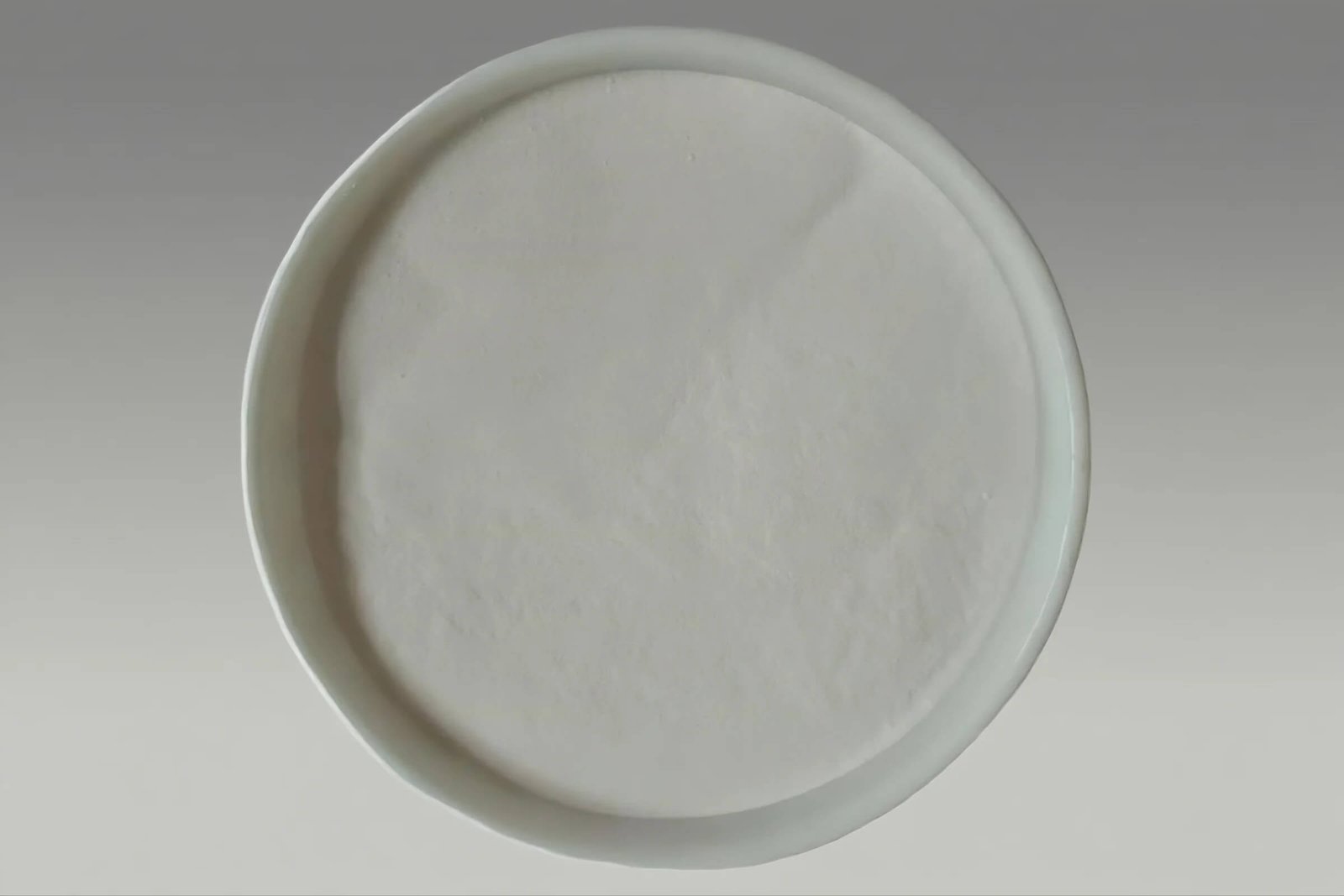
Manganese carbonate is an important inorganic compound, used in agriculture, industry, and chemistry. Understanding what it is, its chemical formula, properties, and uses is helpful both for scientists / engineers and for buyers sourcing it. This article explains manganese carbonate in detail: its definition, formula, properties , applications, production, safety, market, and how to choose a reliable supplier.
What Is Manganese Carbonate?
Definition
Manganese carbonate (also called manganese(II) carbonate) is an inorganic compound composed of manganese in oxidation state +2 and the carbonate ion.Natural occurrence
It occurs in nature as the mineral rhodochrosite.Appearance
It is a solid, often pale pink to white; sometimes light brown to violet depending on impurities.Industrial / Synthetic production
Typically produced by precipitating from aqueous solutions of soluble manganese(II) salts (e.g. manganese(II) nitrate) by adding carbonate or by bubbling CO₂, or by treating with alkali carbonates.
Chemical Formula of Manganese Carbonate
| Parameter | Value |
|---|---|
| Chemical formula | MnCO₃ |
| Molar mass (molecular weight) | 114.95 g/mol |
| Crystal system / structure | Hexagonal-rhombohedral (same motif as calcite) |
| Density | about 3.12 g/cm³ at 25 °C |
| Specific gravity | ~3.125 |
Physical and Chemical Properties
| Property | Value / Behavior | Notes / Conditions |
|---|---|---|
| Appearance | White to faint pink or light brown-violet solid powder | Depends on impurities; very pure is white/pinkish |
| Density | ~ 3.12 g/cm³ at 25 °C | |
| Melting / Decomposition Point | ~ 350 °C (decomposition) | It does not melt cleanly; decomposes, losing CO₂ |
| Solubility in Water | Very low: about 0.065 g/L at 25 °C (i.e. ~ 65 mg/L) | That is “slightly soluble” or “negligible solubility” in pure water. |
| Solubility in Acid | Readily soluble in dilute inorganic acids (e.g. HCl), with release of CO₂ gas | Typical for carbonates; reacts with acid to form soluble manganese salts. |
| Solubility in Alcohol | Insoluble in alcohols | |
| Solubility Product (K_sp) | pK_sp ≈ 10.63 (i.e. K_sp ≈ 2.4 × 10⁻¹¹) | Reflects low solubility. |
| Heat capacity | ~ 94.8 J/mol·K | At standard conditions, from thermodynamic data. |
| Standard enthalpy / Gibbs free energy of formation |
Some additional chemical behavior:
On heating, manganese carbonate decomposes, releasing CO₂, and forming manganese oxide (MnO) or non-stoichiometric oxides (such as MnO₁.88) depending on conditions. At around 200–300 °C decomposition begins.
Reacts with acids to give manganese(II) salts and carbon dioxide. For example:
Stable under normal conditions; sensitive to strong oxidizers, strong acids; may react or degrade in moist, acidic environments.
Manganese Carbonate (MnCO₃) Product Specification Sheet
| Parameter | Specification | Notes / Reference |
|---|---|---|
| Chemical Name | Manganese(II) Carbonate | CAS No.: 598-62-9 |
| Chemical Formula | MnCO₃ | Molecular weight: 114.95 g/mol |
| Appearance | Light pink to white powder | May vary with impurities |
| Purity (MnCO₃ content) | ≥ 99% (industrial grade)≥ 99.9% (battery/food grade) | COA required |
| Manganese (Mn) content | 43–44% | Theoretical Mn content: 47.79% |
| Density | ~3.12 g/cm³ | at 25 °C |
| Solubility in Water | 0.065 g/L at 25 °C | Slightly soluble |
| Solubility in Acids | Readily soluble, releases CO₂ | Reaction: MnCO₃ + 2HCl → MnCl₂ + CO₂ ↑ + H₂O |
| Decomposition Temperature | ~200–350 °C | Produces MnO + CO₂ |
| Moisture Content | ≤ 0.5% | Depending on grade |
| Insoluble Matter | ≤ 0.05% | For high-purity grades |
| Heavy Metals (Pb, As, Cd, Hg) | ≤ 10 ppm (pharma/food grade) | Must meet regulatory standards |
| Packaging | 25 kg / 50 kg woven bags, jumbo bags, or as requested | Inner PE liner recommended |
| Storage | Cool, dry, ventilated place | Keep sealed, avoid moisture |
Applications of Manganese Carbonate
| Application Sector | Use Case | Approximate Share / Data |
|---|---|---|
| Agriculture | Used as a micronutrient in fertilizers to correct manganese deficiency in soils. It supplies Mn²⁺ which is needed for chlorophyll formation and other enzymatic functions in plants. | Over 60% of global consumption of manganese carbonate is linked to agricultural/fertilizer uses. |
| Animal Nutrition | As trace mineral supplement in animal feeds to ensure adequate manganese intake. | Approx 10% of usage in some market analyses. |
| Chemical Industry | Precursor to manganese oxide, manganese sulfate, manganese chloride, etc. Used in catalysts, and production of battery materials. | In some segments ~ industrial grade accounts for ~70% of volume sold. |
| Ceramics, Glass, Pigments | Used as glaze colorant; impart colors (purple, brown, black) depending on firing. Used in glass to correct color defects (e.g. decolorizing or coloring). | Around 15% of market share in some reports. |
| Health / Pharmaceutical | Used in health supplements (where regulations allow) to supply Mn; sometimes in human nutrition or animal feed. | Smaller share compared to agriculture / industrial; growth rate for high-purity grades is higher. |
| Market Size / Growth | The global market for manganese carbonate was valued at ≈ US$ 503.41 million in 2024, and projected to reach about US$ 559.93 million by 2033, CAGR ≈ 3.61% from 2025-2033. |
Production Methods
Here are the typical methods used to produce manganese carbonate, plus relevant data.
From natural ore
The mineral rhodochrosite (MnCO₃) can be mined directly. But then it often must be purified or recrystallized for industrial uses. Mining costs, impurity removal, and transport are major parts of cost.Chemical precipitation / synthetic route
A common route is to take a soluble manganese(II) salt (e.g. manganese(II) nitrate, chloride, or sulfate), mix with carbonate or bicarbonate (or introduce CO₂), under controlled pH, to precipitate MnCO₃. Impurities are filtered out. Then the solid is washed, dried. Purity depends on starting salts, pH, wash steps.Calcination / conversion
Sometimes manganese carbonate is used as an intermediate: heating (calcining) it under controlled conditions converts it into manganese oxide(s) or other derivatives. For example, decomposition at ~ 200-300 °C starts.Grading / purification
For applications like pharmaceuticals, food, or high-grade chemical uses, high purity (e.g. ≥ 99.9%) is required. Suppliers often follow standards (ASTM, USP, etc.).
Safety and Handling
Although manganese carbonate is not extremely reactive, there are safety considerations.
Toxicity / exposure
Manganese compounds can be toxic in high doses. Inhalation of dust or fumes over long periods may lead to manganism (a neurological condition).Exposure limits
According to Chemical Book: exposure limits (ACGIH, OSHA, etc.) for manganese carbonate dust are small. For example: TWA (time-weighted average) under ACGIH is about 0.02 mg/m³ for respirable manganese (specific compounds). For OSHA, certain ceiling values exist.Handling
Use proper PPE: gloves, masks / respirators, eye protection. Avoid creating dust. Handle in well-ventilated areas. Store in dry, cool places. Avoid contact with strong acids or oxidizing agents.Stability / Storage
Stable under normal conditions. Avoid moisture (which may cause slight hydrolysis or physical degradation), avoid strong acids or oxidizers. Decomposition starts when heated to ~ 200-350 °C.
Market Trends
Understanding the market can help buyers decide when and how to purchase.
Market size and growth
The global market value in 2024 was ~ US$ 503.41 million. Forecast is to reach ~ US$ 559.93 million by 2033, representing CAGR ~ 3.61% for 2025-2033.
In another report, market valuation was ~ US$ 312.4 million in 2024, projected to reach ~ US$ 456.8 million by 2033, with CAGR ~ 4.3%.Regional market
Asia-Pacific region holds a large share (often > 45% of global market) due to high agriculture use, large population, and industrial demand.Grade / purity segmentation
Industrial / technical grade accounts for most of the volume (≈ 70%) for uses like ceramics, agriculture, chemical processing.
Food / pharmaceutical grade is smaller in volume but growing faster. Purity requirements are high (e.g. ≥ 99.9%) for such uses.
Supplier Selection Checklist
When choosing a manganese carbonate supplier, consider:
Purity & Grade
Industrial grade (≥ 99%)
Food/Pharma grade (≥ 99.9%, heavy metals ≤ 10 ppm)
Consistency
Batch-to-batch stability in particle size and moisture
Certification
ISO, SGS, COA, Reach, RoHS (if for EU market)
Production Capacity
Large suppliers can handle orders > 200 MT/month
Check lead time (typical: 2–4 weeks)
Packaging & Logistics
Moisture-proof packaging (PE-lined bags)
Export experience (compliance with UN transport codes)
Pricing Reference
Industrial grade FOB China: ~ USD 900–1200/MT
High purity grade: ~ USD 1500–2000/MT
Conclusion
Manganese carbonate (chemical formula MnCO₃) is an important inorganic compound used notably in agriculture (as a micronutrient), in ceramics and glass, in animal feed, and as a precursor in chemical manufacturing.
Related Products

manganese dioxide

manganese carbonate

manganese sand
Related Posts

I am Edward lee, founder of manganesesupply( btlnewmaterial) , with more than 15 years experience in manganese products R&D and international sales, I helped more than 50+ corporates and am devoted to providing solutions to clients business.