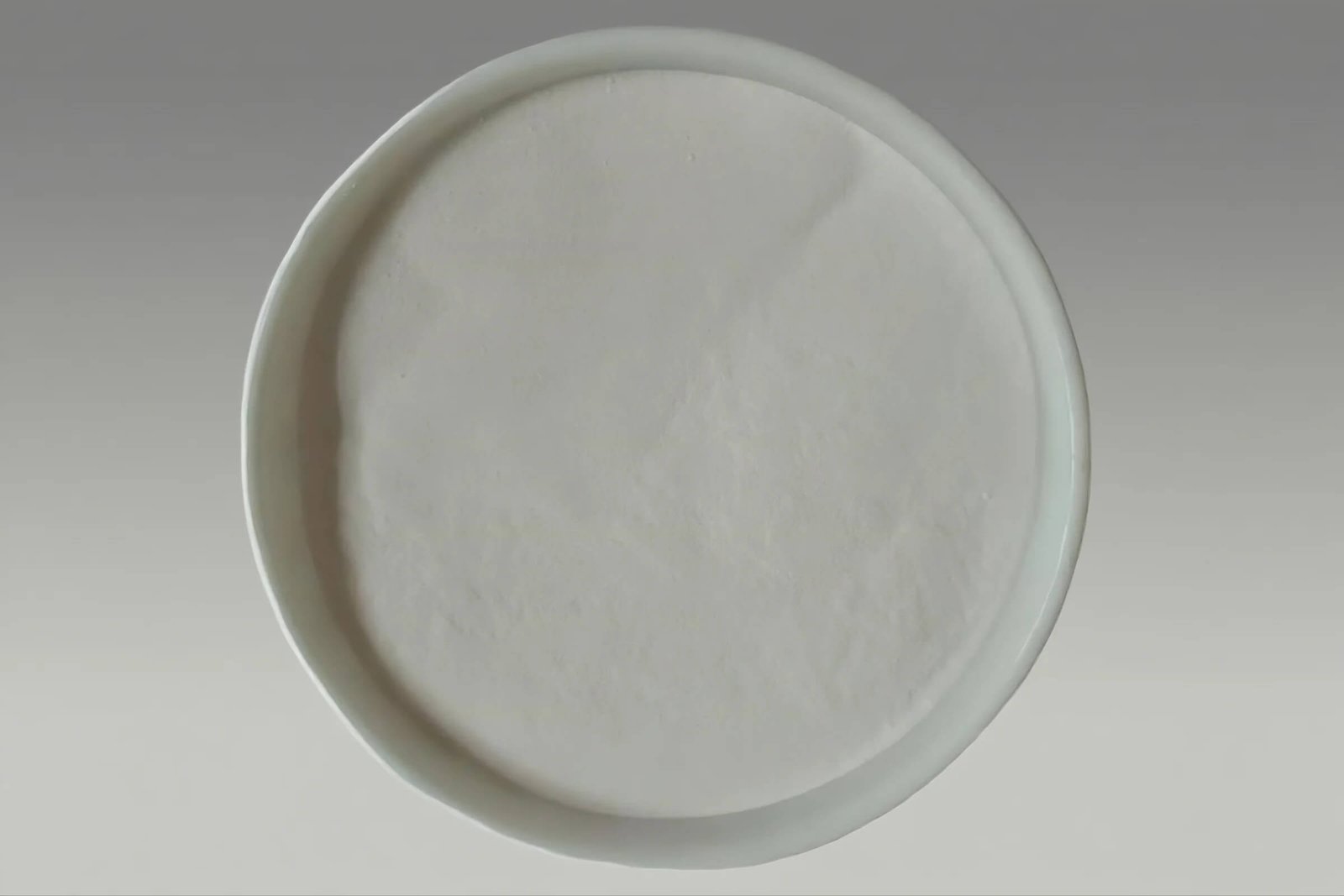
Manganese sulfate (MnSO₄·H₂O) is a crystalline compound widely used in fertilizers, animal feed, and battery production. To ensure safe use, industries rely on the Safety Data Sheet (SDS), which provides hazard identification, protective measures, and emergency procedures.
and you can download our manganese sulfate safety data sheet at the end of our blog
Why the SDS Matters
An SDS is a standardized document required under regulations such as OSHA (Occupational Safety and Health Administration) in the United States and REACH (Registration, Evaluation, Authorisation and Restriction of Chemicals) in the European Union.
For manganese sulfate, the SDS is critical because:
It provides hazard identification for workers in agriculture, chemical plants, and laboratories.
It ensures compliance with safety and environmental regulations.
It helps organizations train employees on proper handling and emergency response.
Key Safety Information from the SD
Hazard Identification
GHS Classification:
Specific target organ toxicity (repeated exposure), Category 2
Eye damage, Category 1
Chronic aquatic toxicity, Category 2
Signal Word: Warning
Hazard Statements:
May cause damage to organs through prolonged or repeated exposure
Causes serious eye damage
Toxic to aquatic life with long-lasting effects
Precautionary Measures:
Avoid breathing dust or vapors
Wear protective gloves and eye/face protection
Do not eat, drink, or smoke while handling
Prevent release to the environment
Store locked up and dispose of material properly
Composition and Ingredients
Substance: Manganese (II) sulfate monohydrate
CAS Number: 10034-96-5
Purity: 95–100%
First Aid Measures
Inhalation: Move to fresh air, clean nasal cavity with water, and seek medical attention if irritation persists.
Skin Contact: Remove contaminated clothing and wash skin with mild soap and water.
Eye Contact: Rinse with water for several minutes, remove contact lenses if present, and continue rinsing.
Ingestion: Rinse mouth, do not induce vomiting, and seek emergency medical help.
Possible Symptoms: Chills, fever, nausea, vomiting, coughing, weakness, headaches, and skin irritation
Firefighting Measures
Extinguishing Media: Foam, dry powder, CO₂, water spray, or sand.
Special Instructions: Use water spray to cool containers and prevent contaminated water from entering drains.
Protective Gear: Firefighters should wear NIOSH-approved respiratory protection and protective clothing
Accidental Release Measures
Personal Protection: Use gloves, goggles, and avoid creating dust.
Environmental Protection: Prevent release into drains or groundwater.
Cleanup Methods: Sweep up and place in appropriate containers for disposal or recycling
Handling and Storage
Handling:
Wash hands after use and before eating or smoking.
Provide proper ventilation to avoid dust accumulation.
Avoid breathing in particles.
Storage:
Keep in a cool, dry, and ventilated location.
Store away from foodstuffs.
Protect from moisture
Exposure Controls and PPE
Exposure Limits:
ACGIH TWA: 0.2 mg/m³
OSHA PEL (Ceiling): 5 mg/m³
Engineering Controls:
Install eyewash stations and safety showers near work areas.
Ensure good ventilation.
Personal Protection:
Respiratory: Use appropriate masks if ventilation is inadequate.
Eyes: Safety goggles or face shields.
Hands: Protective gloves.
Other: Avoid unnecessary exposure
Physical and Chemical Properties
Form: Granular powder
Color: White or pale pink
Melting Point: 700 °C
Solubility: Soluble in water
Density: 2.95 g/cm³
Stability and Reactivity
Stability: Stable under normal storage conditions.
Hazardous Decomposition: Sulfur oxides and manganese oxides may form under fire conditions.
Incompatibilities: Strong oxidizing agents and moisture
Toxicological Information
Oral LD₅₀ (rat): 2150 mg/kg
Health Effects:
Eye: Causes severe irritation or damage
Skin: May cause irritation
Inhalation: May irritate respiratory tract
Ingestion: Harmful if swallowed
No evidence suggests manganese sulfate is carcinogenic at levels ≥0.1%
Ecological Information
Ecotoxicity: Toxic to aquatic organisms, with potential long-term effects.
Environmental Impact: Should not be released into soil or water systems
Disposal Considerations
Dispose of manganese sulfate in accordance with local, state, and federal regulations. Do not allow material to contaminate water sources
Transport Information
DOT (U.S.): Not regulated.
IMDG (Maritime): UN 3077, Class 9, Marine pollutant.
IATA (Air): UN 3077, Class 9
Regulatory Information
Not listed under major U.S. hazardous substance regulations such as CERCLA or OSHA regulated substances.
Not classified as an extremely hazardous substance under SARA Title III
Quick Reference Tables
1. First Aid Measures
| Exposure Route | Recommended Action | Symptoms to Watch For |
|---|---|---|
| Inhalation | Move to fresh air, clean nasal cavity with water, seek medical help if irritation persists | Coughing, weakness, headaches |
| Skin Contact | Remove contaminated clothing, wash skin with mild soap and water | Skin irritation |
| Eye Contact | Rinse cautiously with water for several minutes, remove contact lenses, continue rinsing, seek medical advice | Serious eye irritation, redness |
| Ingestion | Rinse mouth, do not induce vomiting, seek emergency medical attention | Nausea, vomiting, fever, abdominal pain |
2. Personal Protective Equipment (PPE)
| Protection Type | Requirement |
|---|---|
| Respiratory | Wear an appropriate mask if ventilation is inadequate |
| Eyes/Face | Chemical goggles or safety glasses with side shields |
| Hands | Protective gloves (chemical-resistant) |
| Skin/Clothing | Avoid unnecessary exposure; wear long-sleeved protective clothing |
| Workplace Controls | Emergency eyewash fountains and safety showers should be nearby |
3. Hazard Classification
| Hazard Category | GHS Classification | Signal Word |
|---|---|---|
| Specific Target Organ Toxicity (Repeated Exposure) | Category 2 | Warning |
| Eye Damage | Category 1 | Danger |
| Aquatic Toxicity (Chronic) | Category 2 | Warning |
4. Transport Information
| Transport Mode | UN Number | Class | Packing Group | Marine Pollutant | Proper Shipping Name |
|---|---|---|---|---|---|
| DOT (U.S.) | Not Regulated | — | — | No | Not regulated |
| IMDG | UN 3077 | 9 | III | Yes | Environmentally hazardous substance, solid, n.o.s. (MnSO₄·H₂O) |
| IATA | UN 3077 | 9 | III | Yes | Environmentally hazardous substance, solid, n.o.s. (MnSO₄·H₂O) |
Handling and Storage Guidelines
Always wash hands before eating or drinking.
Provide ventilation to avoid dust buildup.
Store in a cool, dry location away from foodstuffs.
Avoid exposure to moisture.
Conclusion
By following the guidance in the SDS and applying proper protective measures, manganese sulfate can be handled safely in agriculture, industry, and research. Tables like those above allow workers and safety officers to access critical information quickly and effectively.
If you are sourcing high-quality manganese sulfate with full SDS support, ensure that your supplier provides updated documentation for compliance and workplace safety.
Related Products

manganese dioxide

manganese carbonate

manganese sand
Related Posts

I am Edward lee, founder of manganesesupply( btlnewmaterial) , with more than 15 years experience in manganese products R&D and international sales, I helped more than 50+ corporates and am devoted to providing solutions to clients business.