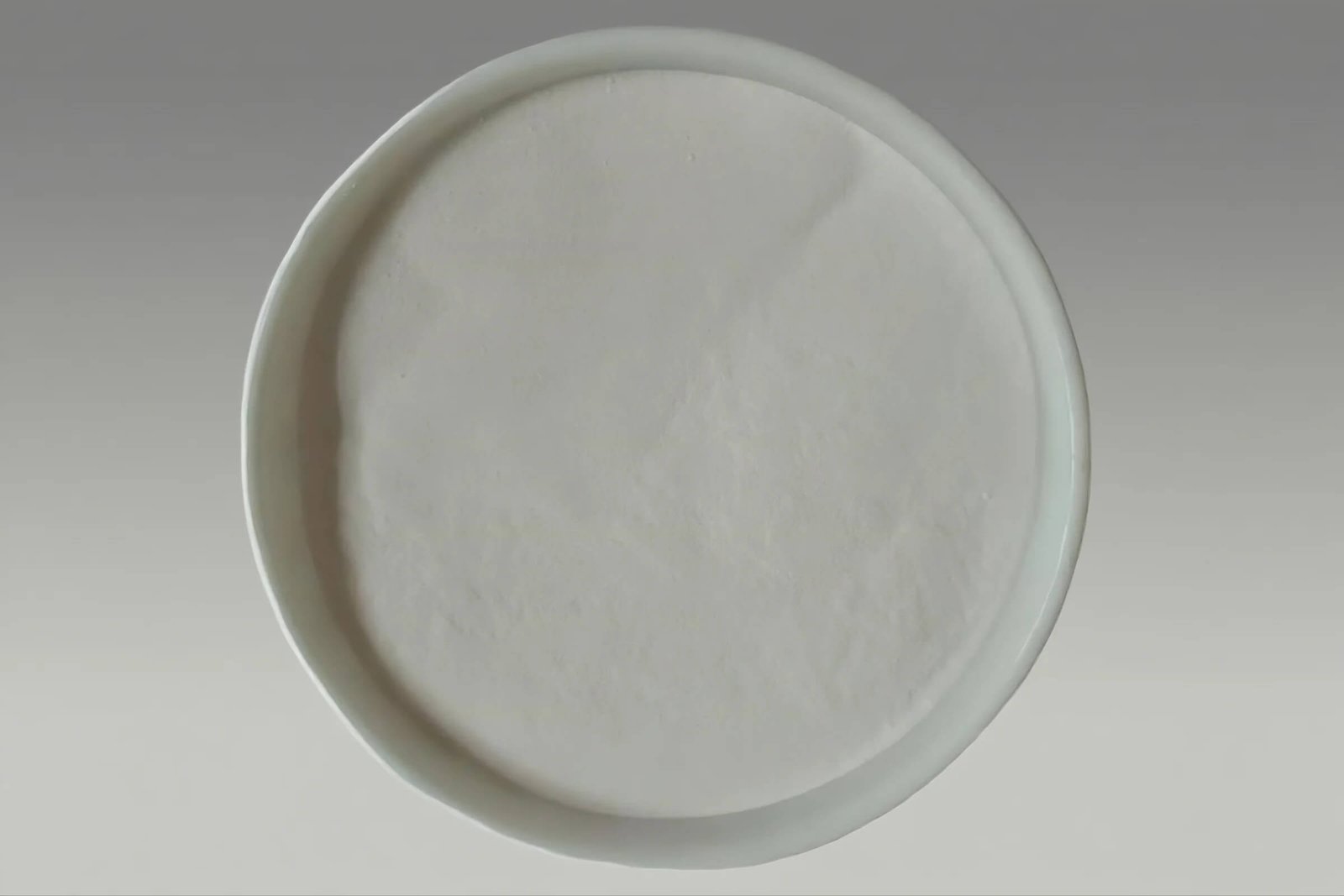
Manganese monoxide (MnO) is widely used as an inorganic manganese source in poultry and livestock nutrition due to its chemical stability, predictable manganese content, and cost efficiency. As a trace mineral additive, MnO typically contains 60–63% elemental manganese and plays a critical role in bone development, enzyme activation, reproductive performance, and antioxidant defense systems. Compared with other inorganic manganese sources, MnO offers controlled bioavailability when particle size, impurity levels, and solubility are properly managed.
1. Technical Background of MnO as a Feed Trace Mineral
1.1 Chemical Form and Nutritional Function
Manganese monoxide is an inorganic manganese compound with the chemical formula MnO. In animal nutrition, MnO functions as a source of Mn²⁺ ions, which are required for:
Activation of metalloenzymes (e.g., arginase, pyruvate carboxylase)
Formation of bone matrix and cartilage
Reproductive hormone synthesis
Antioxidant defense via manganese superoxide dismutase (Mn-SOD)
Elemental manganese is not bioavailable in metallic form and must be supplied as soluble or partially soluble compounds such as oxides, sulfates, or chelates.
1.2 Applications in Poultry and Livestock Feed
MnO is commonly used in:
Poultry premixes (broilers, layers, breeders)
Swine grower and finisher diets
Ruminant mineral blends
Compound feed formulations requiring heat stability
Its relatively low hygroscopicity and thermal stability make MnO suitable for pelleting processes above 70–80 °C.
3. Key Factors Affecting MnO Bioavailability
3.1 Purity and Elemental Manganese Content
Typical feed-grade MnO purity: ≥98%
Elemental Mn content: 60–63%
Higher purity ensures consistent manganese delivery and reduces dilution effects in premixes. Low-purity MnO may contain inert oxides that reduce effective manganese intake.
3.2 Particle Size Distribution (µm)
Recommended D50: 20–80 µm for feed applications
Smaller particle sizes increase surface area, improving acid dissolution kinetics in the stomach. Excessively coarse MnO (>150 µm) may pass through the digestive tract with reduced solubility.
Laser diffraction methods (ISO 13320) are commonly used to verify PSD.
3.3 Impurity and Heavy Metal Control (ppm)
Key impurities of concern include:
Iron (Fe)
Lead (Pb)
Arsenic (As)
Cadmium (Cd)
Excess heavy metals can interfere with mineral absorption and pose regulatory risks. Typical acceptable limits for feed-grade MnO are:
Pb ≤ 10 ppm
As ≤ 3 ppm
Cd ≤ 1 ppm
These limits align with EFSA and FDA feed safety frameworks.
3.4 Interaction with Other Dietary Minerals
High dietary levels of calcium, phosphorus, iron, or zinc can reduce manganese absorption through competitive inhibition. Proper formulation and accurate MnO dosing are necessary to maintain effective bioavailability.
4. Specification Table
| Parameter | Typical Feed Grade Range | Why It Matters |
|---|---|---|
| MnO purity (%) | ≥98.0 | Ensures consistent Mn supply |
| Elemental Mn (%) | 60–63 | Determines dosing accuracy |
| Particle size D50 (µm) | 20–80 | Affects dissolution and absorption |
| Moisture (%) | ≤0.5 | Prevents caking and degradation |
| Fe (ppm) | ≤300 | Limits antagonistic effects |
| Pb (ppm) | ≤10 | Feed safety compliance |
| As (ppm) | ≤3 | Regulatory requirement |
| Cd (ppm) | ≤1 | Toxicity control |
5. Impact on Animal Performance KPIs
5.1 Poultry
Adequate manganese intake from MnO supplementation supports:
Improved tibia strength and bone ash content
Reduced incidence of perosis
Enhanced eggshell thickness in layers
Typical manganese inclusion levels:
Broilers: 60–120 mg Mn/kg feed
Layers: 70–100 mg Mn/kg feed
5.2 Swine
In swine diets, manganese contributes to:
Normal skeletal development
Reproductive performance in sows
Enzyme-mediated energy metabolism
Deficiency may result in poor growth rates and joint abnormalities.
5.3 Ruminants
Although rumen microbes can modify mineral availability, MnO remains a stable manganese source in mineral blocks and TMR formulations, supporting reproductive efficiency and immune function.
6. Quality Control and Testing Methods
6.1 Certificate of Analysis (COA)
A standard MnO COA should include:
MnO purity and Mn content
Particle size data
Heavy metal analysis
Moisture content
Acceptance is based on predefined specification ranges agreed between supplier and feed manufacturer.
6.2 Analytical Methods
ICP-OES / ICP-MS: Quantitative elemental analysis of Mn, Pb, As, Cd
Laser diffraction (ISO 13320): Particle size distribution
Loss on drying (LOD): Moisture determination at 105 °C
Representative sampling is essential, especially for bulk shipments.
7. Purchasing and Supplier Evaluation Considerations
7.1 Grade Differentiation
Feed grade MnO: Controlled heavy metals, moderate PSD
Industrial grade MnO: Often unsuitable due to impurity risks
Buyers should verify that material is explicitly labeled for feed use.
7.2 Packaging and Storage
25 kg multi-wall paper bags with PE liner
1,000 kg jumbo bags for bulk users
MnO should be stored in dry, well-ventilated areas to prevent moisture uptake.
7.3 Common Sourcing Risks
Inconsistent Mn content between batches
Incomplete heavy metal testing
Oversized particles reducing bioavailability
Supplier audits and batch-level COAs mitigate these risks.
8. Frequently Asked Questions (FAQ)
What is the typical bioavailability of MnO in poultry feed?
Generally 1–5%, depending on diet composition and particle size.
Is MnO better than manganese sulfate?
MnSO₄ has higher solubility, but MnO offers better thermal stability and lower hygroscopicity.
What particle size is recommended for feed MnO?
A D50 of 20–80 µm is commonly used.
Why is heavy metal control critical?
Pb, As, and Cd pose toxicity and regulatory risks in animal products.
Can MnO be used in pelleted feed?
Yes, MnO is stable under standard pelleting temperatures.
9. Practical Checklist for Feed Manufacturers
Verify Mn content (60–63%) on every COA
Confirm heavy metals meet feed regulations
Specify particle size requirements in contracts
Test incoming batches using ICP methods
Adjust formulations for mineral antagonists
Related Products

manganese dioxide

manganese carbonate

manganese sand
Related Posts

I am Edward lee, founder of manganesesupply( btlnewmaterial) , with more than 15 years experience in manganese products R&D and international sales, I helped more than 50+ corporates and am devoted to providing solutions to clients business.