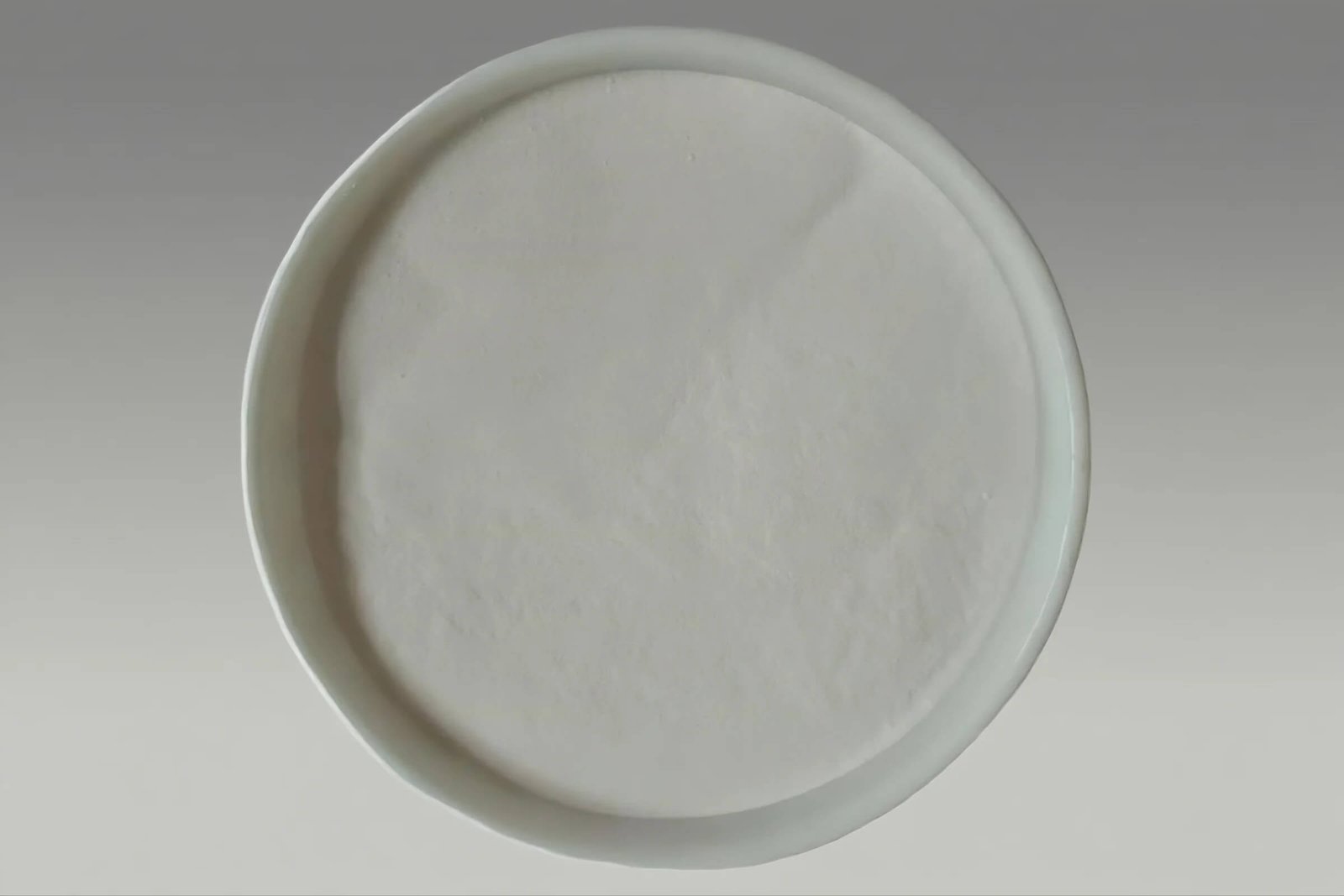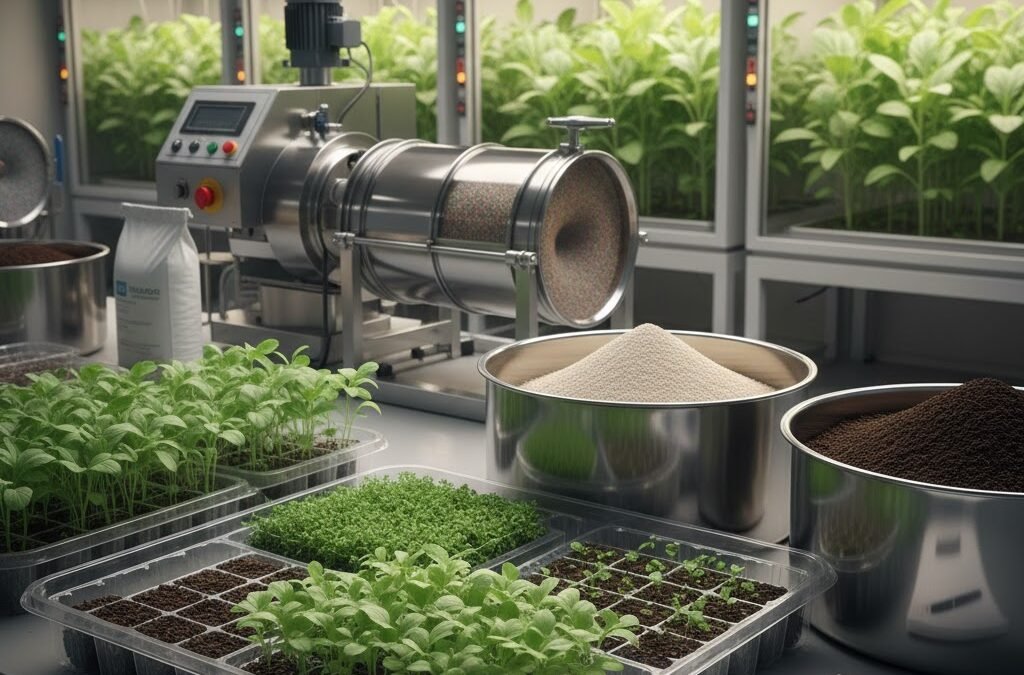
Manganese monoxide (MnO) is a concentrated, inorganic manganese source increasingly used in agricultural fertilizer formulations to correct manganese deficiency and improve crop productivity. Compared with sulfate or chelated forms, MnO offers a high manganese content (typically ≥76% Mn), low solubility, and controlled release behavior, making it suitable for soil-applied fertilizers and blended micronutrient products.
Technical Background: What Is MnO and Why It Matters in Agriculture
Manganese monoxide is an inorganic manganese compound with a high manganese mass fraction. In agriculture, MnO is primarily used as:
A soil-applied micronutrient source
A raw material in compound and blended fertilizers
An input for slow-release or controlled-availability micronutrient formulations
Manganese is an essential plant micronutrient. Typical crop manganese demand ranges from 20–300 mg/kg dry matter, depending on species and growth stage. Deficiency is common in:
Alkaline soils (pH > 7.0)
High organic matter soils
Sandy or heavily leached soils
Unlike manganese sulfate, which is highly water soluble, MnO dissolves slowly in soil acids and root exudates. This makes MnO more stable during storage and blending, but also places higher importance on particle size distribution and chemical purity to ensure bioavailability over the growing season.
Key Benefits of Manganese Monoxide in Fertilizer Applications
High Manganese Content → Lower Dosage Requirement
Typical agricultural-grade MnO contains:
Mn content: 75–78%
MnO purity: ≥99%
By comparison, manganese sulfate monohydrate contains only ~32% Mn. Higher manganese concentration allows:
Lower application rates per hectare
Reduced logistics and handling volume
Easier micronutrient balancing in NPK blends
For bulk fertilizer manufacturers, this improves formulation efficiency and reduces transportation cost per unit of delivered nutrient.
Particle Size Control → Nutrient Availability and Mixing Uniformity
Because MnO is not immediately soluble, particle size (D50) is a key agronomic parameter.
D50: 5–20 µm → faster soil reaction, suitable for intensive crops
D50: 20–50 µm → slower release, longer residual effect
>100 µm → risk of poor availability in high-pH soils
Fine, controlled particle size improves:
Dispersion in blended fertilizers
Soil contact area
Gradual manganese release aligned with root uptake
Laser diffraction testing according to ISO 13320 is commonly used to verify PSD consistency.
Low Moisture and LOI → Storage Stability and Blending Yield
Typical MnO fertilizer specifications include:
Moisture: ≤0.5%
Loss on ignition (LOI): ≤1.0%
Low moisture prevents caking during storage and transport. Low LOI indicates stable oxide chemistry and reduces:
Weight loss during granulation
Variability in nutrient labeling
Risk of unwanted reactions with ammonium or phosphate components
Impurity Control → Soil Safety and Regulatory Compliance
Heavy metal impurities are a major concern for agricultural inputs. Typical control targets for fertilizer-grade MnO include:
Pb: ≤10 ppm
As: ≤5 ppm
Cd: ≤1 ppm
Hg: ≤0.1 ppm
Excessive impurities can lead to soil accumulation and regulatory non-compliance, especially under EU and OECD fertilizer frameworks. Impurity levels are verified using ICP-OES or ICP-MS methods.
Typical Specification Table for Agricultural MnO
| Parameter | Typical Fertilizer Grade Range | Why It Matters |
|---|---|---|
| MnO purity (%) | ≥99.0 | Determines nutrient consistency |
| Manganese content (%) | 75–78 | Affects application rate |
| Particle size D50 (µm) | 5–50 | Controls nutrient release |
| Moisture (%) | ≤0.5 | Prevents caking |
| LOI (%) | ≤1.0 | Indicates thermal stability |
| Pb (ppm) | ≤10 | Soil and food safety |
| As (ppm) | ≤5 | Regulatory compliance |
| Cd (ppm) | ≤1 | Long-term soil protection |
Impact on Crop Performance and Agronomic KPIs
Photosynthesis and Chlorophyll Formation
Manganese is a cofactor in the oxygen-evolving complex of photosystem II. Adequate Mn availability improves:
Chlorophyll synthesis
Light utilization efficiency
Early vegetative vigor
Field trials typically show 5–15% yield improvement in manganese-deficient soils after correction.
Enzyme Activation and Nitrogen Utilization
Mn activates enzymes involved in:
Nitrate reduction
Amino acid synthesis
Carbohydrate metabolism
Balanced manganese nutrition improves nitrogen use efficiency, reducing lodging and improving grain fill in cereals.
Root Development and Stress Resistance
Manganese contributes to:
Lignin synthesis
Root structural integrity
Resistance to root pathogens
Crops with sufficient Mn show better tolerance to drought stress and soil compaction.
Quality Control and Testing Methods
Certificate of Analysis (COA) Items
A standard MnO COA for agriculture should include:
MnO purity
Mn content
Particle size distribution
Moisture
LOI
Heavy metals (Pb, As, Cd, Hg)
Acceptance criteria should be defined per application and soil type.
Analytical Methods
ICP-OES / ICP-MS: elemental composition and impurities
Laser diffraction (ISO 13320): particle size distribution
Gravimetric moisture analysis: storage stability
LOI testing (ASTM methods): chemical stability assessment
Representative sampling is critical, especially for bulk shipments above 20 MT.
Purchasing and Supplier Evaluation Considerations
Grade Differentiation
Not all MnO products are suitable for agriculture. Buyers should distinguish between:
Metallurgical grade
Pigment grade
Fertilizer-grade MnO
Only fertilizer-grade materials have appropriate impurity control.
Packaging and Storage
Common options include:
25 kg bags
1 MT big bags
Bulk containers
MnO should be stored in dry, well-ventilated conditions to prevent moisture uptake.
Logistics and HS Code
MnO is typically classified under HS code 282090, but buyers should verify local customs interpretation to avoid clearance delays.
Common Sourcing Risks
Inconsistent particle size between batches
Undeclared heavy metal contamination
High LOI due to improper calcination
Mislabeling of Mn content
Long-term suppliers should demonstrate batch traceability and stable process control.
Frequently Asked Questions
What manganese content is required for fertilizer MnO?
Most agricultural formulations require ≥75% Mn to ensure dosing efficiency.
Is MnO suitable for foliar application?
No. MnO is primarily used for soil application due to low solubility.
Why does particle size matter for MnO fertilizers?
Smaller particles improve soil reaction rate and nutrient availability.
How is heavy metal content controlled?
Through raw material selection and ICP-based batch testing.
Can MnO be blended with NPK fertilizers?
Yes, if moisture and particle size are properly controlled.
Does MnO work in alkaline soils?
Yes, but finer particle size is recommended to improve availability.
Final Practical Checklist for Buyers and Formulators
Verify Mn content ≥75%
Specify D50 particle size range
Require full COA with ICP impurity data
Confirm moisture and LOI limits
Match MnO grade to soil pH and crop type
Audit supplier consistency and sampling practices
Related Posts

I am Edward lee, founder of manganesesupply( btlnewmaterial) , with more than 15 years experience in manganese products R&D and international sales, I helped more than 50+ corporates and am devoted to providing solutions to clients business.