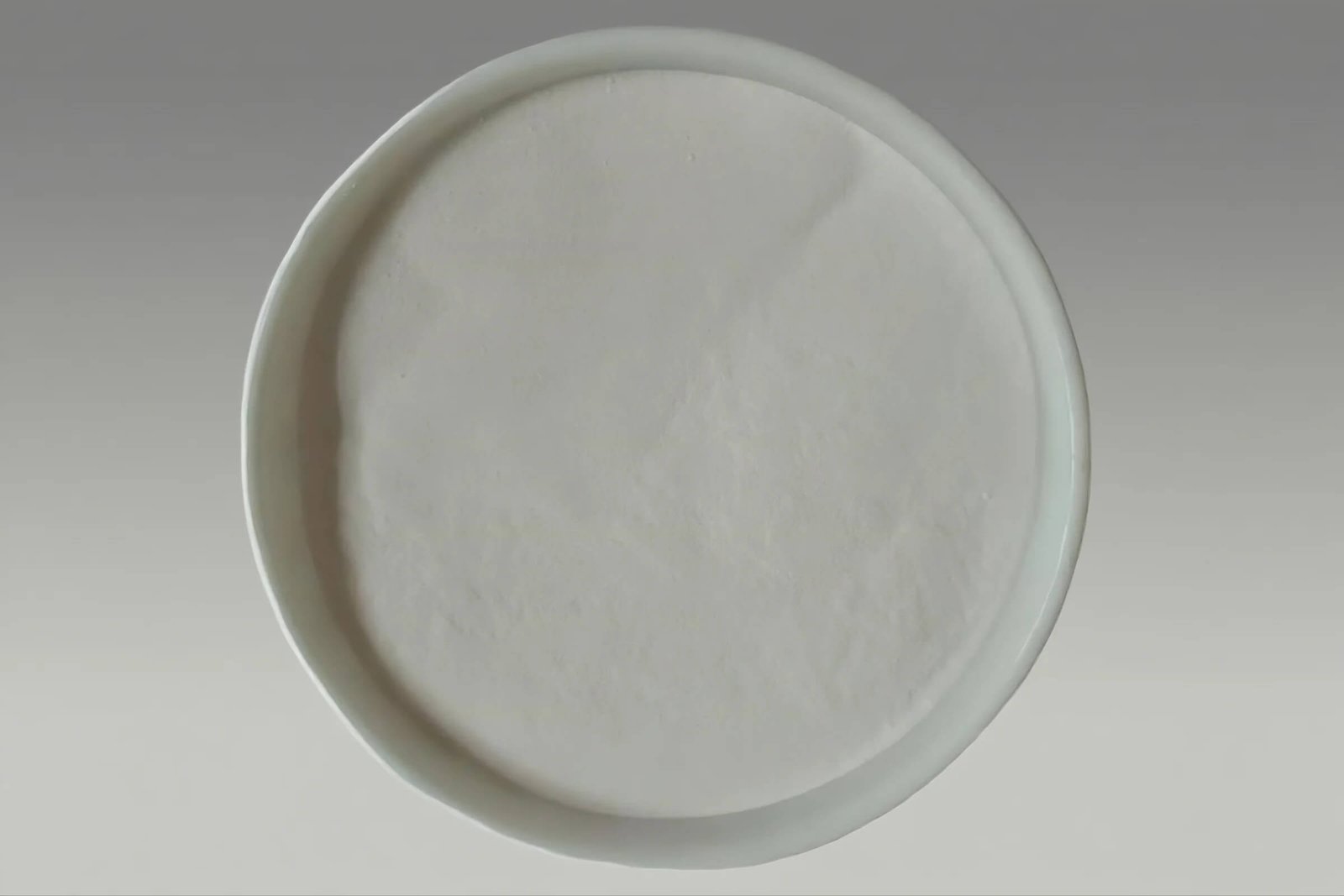
- Manufacturers use manganese carbonate in batteries to improve energy storage and efficiency.
- Farmers apply manganese carbonate as a fertilizer to boost crop growth and nutrient absorption.
- Feed producers add mnco3 to livestock diets for better animal health and productivity.
- Health supplement companies rely on manganese carbonate to support essential micronutrient intake.
- Ceramics makers choose mnco3 to create stable glaze colors and enhance product durability.
- Concrete industries use manganese carbonate for vibrant and long-lasting surface stains.
- Textile processors use manganese carbonate as a mordant, improving dye quality and colorfastness.
- Paint and varnish manufacturers depend on manganese carbonate for faster drying and smoother finishes.
- Pigment producers value manganese carbonate for consistent color formulation and adaptation to new trends.
- Agrochemical companies use manganese carbonate in crop protection products, reflecting recent growth in the manganese carbonate market and expanding manganese carbonate applications.
Industry insights highlight rising demand and new trends in the manganese carbonate market, driven by growth in energy storage, agriculture, and advanced materials.
- Manganese carbonate boosts battery performance by improving energy storage and supporting new battery technologies.
- Farmers use manganese carbonate to enhance crop growth, correct nutrient deficiencies, and enrich soil health.
- Adding manganese carbonate to animal feed promotes stronger bones, better immunity, and improved livestock productivity.
- Health supplements with manganese carbonate support blood health, bone strength, and overall wellness.
- Ceramic makers rely on manganese carbonate for stable, natural glaze colors and improved durability.
- Concrete industries use manganese carbonate to add long-lasting, vibrant colors that resist wear and fading.
- Textile processors apply manganese carbonate as a mordant to improve dye bonding, color quality, and fabric durability.
- Paint and varnish manufacturers depend on manganese carbonate to speed drying times and enhance finish quality.
Batteries
Manganese Dioxide Source
Manufacturers rely on manganese carbonate as a critical raw material in the production of dry-cell batteries. They convert mnco3 into high-purity manganese dioxide through a controlled chemical process. This manganese dioxide acts as the primary cathode material in dry-cell batteries, supporting efficient electron transfer during discharge. The purity and consistency of the manganese dioxide directly affect the battery’s overall performance. Producers select manganese carbonate for its stable composition, which ensures reliable output in large-scale production environments.
Note: The shift toward sustainable sourcing has increased the demand for high-grade manganese carbonate, as battery manufacturers seek to minimize impurities and environmental impact.
Battery Performance
Battery engineers recognize the importance of manganese carbonate in optimizing battery performance. The use of high-quality manganese dioxide, derived from mnco3, enhances the energy density and shelf life of dry-cell batteries. This improvement allows devices to operate longer and maintain consistent voltage output. In 2025, the industry has seen a notable trend toward integrating manganese carbonate in advanced battery chemistries, including lithium-ion battery anodes. These anodes benefit from the unique properties of manganese, which contribute to improved charge cycles and thermal stability.
Manufacturers also appreciate the versatility of manganese carbonate in supporting both traditional and emerging battery technologies. They use it to meet the growing demand for portable electronics, backup power systems, and renewable energy storage. The adaptability of manganese carbonate ensures that battery production remains efficient and cost-effective, even as technology evolves.
Key benefits of using manganese carbonate in batteries:
Consistent quality of manganese dioxide for cathodes
Enhanced energy density and longer shelf life
Compatibility with lithium-ion battery anodes
Support for sustainable and scalable production
Battery producers continue to innovate by refining the conversion process and exploring new applications for manganese carbonate. As a result, the role of this compound in battery technology remains essential for meeting the energy needs of modern society.

Fertilizers
Crop Micronutrient
Plant Health
Farmers recognize the importance of micronutrients in crop production. They often select manganese carbonate as a reliable source of manganese for plants. This compound supplies essential elements that support photosynthesis and enzyme activity. Healthy plants show stronger growth, improved leaf color, and better resistance to disease. When crops receive adequate manganese, they develop robust root systems and higher yields.
Note: Experts recommend regular soil testing to determine the need for micronutrient supplementation. Proper application of mnco3 helps prevent deficiencies that can limit plant development.
Growers observe that manganese deficiencies often appear as yellowing between leaf veins or stunted growth. By applying manganese carbonate, they correct these symptoms quickly. The compound dissolves efficiently in soil, making it available for plant uptake. This rapid absorption ensures that crops recover from stress and continue to thrive throughout the growing season.
Soil Enrichment
Soil scientists emphasize the role of balanced nutrition in sustainable agriculture. They use manganese carbonate to enrich soils that lack sufficient manganese. This practice restores soil fertility and supports long-term productivity. Fields treated with this compound maintain optimal nutrient levels, which benefits both current and future crops.
Key benefits of soil enrichment with manganese carbonate:
Restores essential micronutrient balance
Improves soil structure and microbial activity
Supports consistent crop performance year after year
Many agricultural operations integrate mnco3 into their fertilization programs. They blend it with other nutrients or apply it directly to the soil. This flexibility allows for targeted treatment based on crop type and local soil conditions. As a result, farmers achieve better resource efficiency and reduce the risk of over-application.
Tip: Precision agriculture tools help monitor soil health and guide the use of micronutrient fertilizers. These technologies ensure that manganese carbonate is applied where it is needed most, maximizing both crop quality and environmental stewardship.
In 2025, the demand for high-quality food production continues to rise. Manganese carbonate remains a critical input for growers who aim to meet these expectations. Its role in plant health and soil enrichment supports sustainable farming practices and helps secure reliable harvests for a growing population.

Feed
Livestock Additive
Animal Nutrition
Feed manufacturers recognize the value of adding mnco3 to animal diets. This compound supplies essential manganese, which supports enzyme function and bone development in livestock. Nutritionists design feed blends that include precise amounts of this additive to ensure animals receive balanced micronutrients. Farmers observe that animals consuming these feeds show improved growth rates and better feed efficiency.
Proper supplementation with this additive helps prevent common deficiencies that can affect animal performance.
Many feed producers rely on laboratory analysis to monitor nutrient levels in their products. They adjust formulations based on the specific needs of different species, such as poultry, swine, or cattle. This targeted approach helps maintain optimal health and productivity across various livestock operations.
Cattle Health
Veterinarians and animal health experts emphasize the importance of manganese carbonate in supporting cattle well-being. This compound plays a key role in reproductive health, skeletal strength, and immune system function. Cattle that receive adequate manganese show fewer joint problems and higher resistance to disease.
Benefits of using this additive in cattle feed:
Stronger bones and joints
Improved fertility rates
Enhanced immune response
Producers often include this compound in mineral mixes or total mixed rations. They monitor herd health closely and adjust supplementation as needed. Consistent use of manganese carbonate helps ensure that cattle remain healthy and productive throughout their lifecycle.

Health Supplements
Human Micronutrient
Hematinic Role
Manganese carbonate plays a vital role in the formulation of health supplements. Nutritionists recognize its value as a source of manganese, an essential trace element for the human body. This mineral supports the formation of healthy blood cells. It acts as a hematinic agent, which means it helps the body produce hemoglobin. Hemoglobin carries oxygen from the lungs to tissues throughout the body. People who do not get enough manganese may experience fatigue or weakness.
Doctors often recommend supplements containing mnco3 to individuals with low manganese levels. These products help restore balance and improve overall health. The body uses manganese to activate enzymes that support metabolism and bone growth. It also helps protect cells from damage caused by free radicals.
Note: Health professionals advise patients to follow recommended dosages. Too much manganese can cause unwanted side effects.
Dietary Trends
In 2025, consumers show greater interest in health and wellness. Many people choose health supplements to fill nutritional gaps in their diets. Companies respond by developing new products that include natural sources of minerals. Manganese carbonate stands out as a preferred ingredient because it offers high bioavailability. This means the body can absorb and use it efficiently.
Manufacturers design supplements for different age groups and lifestyles. Some products target athletes who need extra support for bone and joint health. Others focus on older adults who want to maintain strong bones and energy levels.
Key reasons for the popularity of manganese carbonate in supplements:
Supports blood health and energy
Promotes bone strength
Fits into vegetarian and vegan diets
People now read labels more carefully and look for ingredients they trust. They often select products with clear information about mineral sources. The trend toward personalized nutrition continues to grow. Companies use advanced testing to match supplements to individual needs.
Consumers should consult healthcare providers before starting any new supplement. This ensures safe and effective use.
Manganese carbonate remains a key component in the evolving world of health supplements. Its benefits for blood, bone, and overall health make it a valuable choice for modern nutrition.

Ceramics
Glaze Colorant
Ceramic artists and manufacturers often select manganese carbonate to achieve unique glaze finishes. This compound helps create a range of earthy tones that appeal to both traditional and modern design preferences. Its versatility allows for subtle browns, deep purples, and muted reds, which remain popular in 2025 for both tableware and decorative ceramics.
Earthy Tones
Manganese carbonate stands out for its ability to produce natural, warm colors in ceramic glazes. When fired, it reacts with other glaze ingredients to yield shades that mimic the look of stone or clay. Many designers prefer these tones because they complement organic materials and fit current trends in home décor. The compound’s predictable results make it a reliable choice for large production runs and custom pieces alike.
Artists appreciate the following benefits:
Consistent earthy hues across different firing temperatures
Compatibility with a variety of clay bodies
Ability to blend with other colorants for custom effects
Tip: Adjusting the firing atmosphere can shift the final color, giving potters more creative control over their finished work.
Flux Agent
In addition to its coloring properties, manganese carbonate can influence the melting behavior of glazes. Some glaze recipes rely on this compound as a mild flux, which lowers the melting point and helps the glaze form a smooth, glassy surface. However, manganese-based colorants, including manganese oxides and stains, may increase the surface tension of the glaze melt. This effect can sometimes cause glaze crawling or poor adhesion to the ceramic body.
To address these challenges, many ceramicists mix under-glaze stains containing manganese with a flux medium. This practice improves the ability of the overlying glaze to wet the surface and form a strong, glassy bond. By carefully balancing the glaze formula, manufacturers achieve both vibrant color and durable finishes.
Key considerations when using manganese carbonate in glazes:
Monitor surface tension to prevent crawling
Combine with appropriate fluxes for optimal bonding
Test glaze recipes on sample tiles before full production
Ceramic producers continue to refine their techniques, ensuring that manganese carbonate remains a valuable tool for achieving both aesthetic and functional goals in modern ceramics.

Concrete Stains
Color Additive
Manganese carbonate serves as a popular color additive in the concrete industry. Manufacturers select this compound to achieve rich, earthy hues that enhance the visual appeal of concrete surfaces. The fine powder disperses evenly throughout the concrete mix, producing consistent coloration from batch to batch. This uniformity helps architects and builders meet strict design specifications for both residential and commercial projects.
Surface Aesthetics
Designers value manganese carbonate for its ability to create natural-looking tones in concrete. The compound produces shades ranging from warm browns to deep reds, which blend well with modern architectural styles. These colors mimic the appearance of natural stone, making them a preferred choice for patios, walkways, and decorative flooring.
Tip: Builders often combine manganese carbonate with other mineral pigments to expand the available color palette and achieve custom finishes.
Surface aesthetics play a key role in property value and curb appeal. Homeowners and developers seek concrete stains that resist fading and maintain their vibrancy over time. Manganese carbonate meets these demands by providing stable, long-lasting color that withstands sunlight and weather exposure.
Key benefits for surface aesthetics:
Consistent, natural-looking color
Enhanced curb appeal
Compatibility with a variety of design styles
Durability
Durability remains a top priority for concrete applications. Manganese carbonate not only improves color but also contributes to the overall strength of stained surfaces. The compound integrates into the concrete matrix, reducing the risk of surface wear and chipping. This integration ensures that color does not simply sit on the surface but becomes part of the material itself.
Concrete stains containing manganese carbonate show excellent resistance to abrasion and chemical exposure. Facilities with high foot traffic, such as shopping centers and schools, benefit from these properties. Maintenance teams report fewer issues with peeling or discoloration, which reduces long-term repair costs.
Feature | Benefit |
|---|---|
Color Stability | Resists fading and UV damage |
Surface Integration | Reduces chipping and peeling |
Chemical Resistance | Withstands cleaning agents |
Abrasion Resistance | Handles heavy foot traffic |
Note: Regular cleaning with mild detergents helps preserve the appearance and durability of manganese carbonate-stained concrete.
In 2025, the demand for durable, attractive concrete surfaces continues to rise. Manganese carbonate stands out as a reliable solution for builders who want both beauty and performance in their projects.
Textile Processing
Mordant Use
Manganese carbonate plays a vital role in textile processing as a mordant. Textile manufacturers use this compound to help dyes bond more effectively with fibers. The process of mordanting prepares the fabric to receive color, making the dyeing process more efficient and reliable. In 2025, many textile plants choose manganese carbonate for its consistent results and compatibility with both natural and synthetic fibers.
Tip: Textile engineers recommend testing small fabric samples before large-scale dyeing. This practice ensures optimal results and reduces waste.
Dye Fixation
Dye fixation remains a critical step in textile production. Manganese carbonate acts as a bridge between the dye molecules and the fabric. When applied correctly, it helps lock the color into the fibers, reducing the risk of fading or bleeding during washing. This property proves especially valuable for manufacturers producing garments that require vibrant, long-lasting colors.
Key benefits of manganese carbonate in dye fixation:
Improves dye uptake by fibers
Reduces color loss during laundering
Supports a wider range of dye types, including reactive and direct dyes
Textile chemists often select manganese carbonate for its ability to work with eco-friendly dyes. This compatibility supports the industry’s shift toward sustainable production methods. Many brands now highlight the use of safer mordants in their product labeling, appealing to environmentally conscious consumers.
Color Quality
Color quality defines the appeal and value of finished textiles. Manganese carbonate enhances the depth and uniformity of dyed fabrics. It helps achieve even coloration across large batches, minimizing streaks or blotches. Designers appreciate the earthy and muted tones that manganese carbonate can produce, which align with current fashion trends.
Feature | Impact on Textiles |
|---|---|
Even Color Distribution | Consistent appearance |
Enhanced Color Depth | Rich, attractive shades |
Improved Fastness | Longer-lasting garments |
Textile producers also note that manganese carbonate supports colorfastness. Fabrics treated with this mordant retain their appearance after repeated washing and exposure to sunlight. This durability increases customer satisfaction and reduces returns.
Note: The use of manganese carbonate in textile processing reflects a broader industry trend toward high-performance, sustainable materials. Manufacturers continue to innovate, seeking new ways to improve both product quality and environmental impact.
In 2025, manganese carbonate remains a preferred choice for textile professionals who demand reliable dye fixation and superior color quality. Its role in modern textile processing supports both creative design and practical performance.
Varnish Dryers
Industrial Drier
Paints and Coatings
Manganese carbonate plays a key role in the production of industrial varnish dryers. Manufacturers use this compound to speed up the drying process in paints, varnishes, and coatings. The compound acts as a catalyst, helping the paint film cure faster and more evenly. This property makes manganese carbonate a preferred choice for both water-based and oil-based formulations.
Paint producers value manganese carbonate for its ability to improve the performance of coatings. The compound helps prevent tackiness and surface defects, such as wrinkling or uneven gloss. Many companies select manganese carbonate because it works well with a wide range of resins and pigments. This compatibility allows for flexible product development and consistent results.
Tip: Coating specialists recommend testing manganese carbonate in small batches before full-scale production. This practice ensures optimal drying and finish quality.
Drying Efficiency
Efficiency remains a top priority in modern paint and varnish manufacturing. Manganese carbonate increases drying speed, which helps reduce production time and energy costs. Factories can move products through the finishing process more quickly, leading to higher output and faster delivery to customers.
The use of manganese carbonate also supports better workplace safety. Faster drying times mean less exposure to volatile organic compounds (VOCs) for workers. This benefit aligns with stricter environmental and health regulations in 2025.
Key advantages of manganese carbonate in varnish dryers:
Shortens drying time for paints and coatings
Improves surface hardness and durability
Reduces risk of defects like blistering or peeling
Supports compliance with environmental standards
Feature | Benefit |
|---|---|
Fast Drying | Increases production efficiency |
Surface Quality | Enhances gloss and smoothness |
Safety | Lowers VOC exposure |
Versatility | Works with many formulations |
Paint and varnish manufacturers continue to rely on manganese carbonate for its proven performance. The compound helps them meet the demands of modern construction, automotive, and industrial markets. In 2025, manganese carbonate remains a trusted solution for achieving high-quality, durable finishes in a fast-paced industry.
Pigments & Dyes
Color Formulation
Manganese carbonate plays a vital role in the formulation of pigments and dyes. Manufacturers use this compound to produce a wide spectrum of colors, especially in applications that require stable and consistent results. The chemical properties of manganese carbonate allow for precise control over hue and intensity. This control proves essential in industries such as plastics, paints, and printing inks.
Pigment specialists value manganese carbonate for its ability to create both vibrant and muted tones. The compound blends well with other colorants, which enables the development of custom shades. Many companies rely on manganese carbonate to meet strict quality standards for colorfastness and resistance to fading. These qualities ensure that finished products maintain their appearance over time.
Material Applications
Manganese carbonate-based pigments appear in a variety of materials. Producers incorporate these pigments into plastics, ceramics, and construction materials. The compound’s compatibility with different binders and substrates makes it a preferred choice for manufacturers seeking versatility.
Common material applications include:
Plastic components for automotive and consumer goods
Architectural coatings and decorative paints
Printing inks for packaging and textiles
Colored glass and ceramic tiles
Each application benefits from the stability and durability of manganese carbonate pigments. For example, plastic parts colored with these pigments resist UV degradation and maintain their appearance even after prolonged exposure to sunlight. In the construction sector, colored concrete and tiles retain their vibrancy and do not show signs of chalking or discoloration.
Note: Manufacturers often select manganese carbonate pigments for projects that require both aesthetic appeal and long-term performance.
Industry Trends
In 2025, the pigments and dyes industry continues to evolve. Companies focus on developing eco-friendly formulations that reduce environmental impact. Manganese carbonate supports this shift by offering a non-toxic alternative to some traditional heavy metal pigments. Regulatory agencies encourage the use of safer materials, which drives further adoption of manganese carbonate in new product lines.
Recent trends show increased demand for custom color solutions. Brands seek unique shades to differentiate their products in competitive markets. Manganese carbonate enables rapid prototyping and small-batch production, which helps companies respond quickly to changing consumer preferences.
Application Area | Benefit of Manganese Carbonate Pigments |
|---|---|
Plastics | UV stability, color retention |
Paints & Coatings | Fade resistance, custom hues |
Printing Inks | Consistent print quality |
Ceramics & Glass | High-temperature color stability |
Pigment producers also invest in research to enhance the performance of manganese carbonate-based dyes. They explore new processing techniques to improve dispersion and compatibility with advanced materials. As a result, manganese carbonate remains a cornerstone of modern color formulation, supporting both innovation and sustainability in the pigments and dyes sector.
Agrochemicals
Crop Protection
Manganese carbonate has become a key ingredient in modern agrochemical products. Agrochemical companies use this compound to protect crops from various diseases and environmental stresses. Farmers rely on manganese carbonate to strengthen plant defenses and improve overall crop resilience. This approach helps maintain high yields and consistent quality in fields across the globe.
Application Methods
Agrochemical specialists offer several ways to apply manganese carbonate for crop protection. The most common method involves mixing the compound into foliar sprays. Farmers spray these solutions directly onto plant leaves. This technique allows for rapid absorption and quick results. Some growers prefer to use manganese carbonate in seed treatments. They coat seeds with a thin layer of the compound before planting. This method gives young plants an early boost and helps prevent disease during the critical germination stage.
Soil application remains another popular choice. Farmers blend manganese carbonate into the soil before or during planting. This practice ensures that roots have access to essential nutrients throughout the growing season. Many large-scale operations use precision agriculture tools to guide application rates and timing. These technologies help maximize the effectiveness of manganese carbonate while reducing waste.
Tip: Experts recommend regular monitoring of soil and plant tissue. This practice helps determine the best timing and method for manganese carbonate application.
Application Method | Key Benefit | Typical Use Case |
|---|---|---|
Foliar Spray | Fast nutrient uptake | Disease prevention |
Seed Treatment | Early plant protection | Improved germination |
Soil Application | Long-term nutrient support | Sustained crop health |
Environmental Impact
Environmental scientists study the effects of agrochemicals on ecosystems. Manganese carbonate stands out for its relatively low toxicity compared to many synthetic pesticides. When used as directed, this compound poses minimal risk to beneficial insects, wildlife, and water sources. Farmers who follow best practices help protect pollinators and maintain soil health.
Recent advances in formulation have improved the environmental profile of manganese carbonate-based products. Manufacturers now design slow-release granules and targeted sprays. These innovations reduce runoff and limit the amount of active ingredient entering waterways. Many growers choose manganese carbonate because it supports integrated pest management strategies. This approach combines chemical, biological, and cultural methods to control pests with less environmental impact.
Note: Regulatory agencies encourage the use of safer agrochemicals. Manganese carbonate aligns with these guidelines and supports sustainable agriculture.
Farmers and agrochemical companies continue to monitor the long-term effects of manganese carbonate use. They invest in research to develop even safer and more efficient products. In 2025, manganese carbonate remains a trusted tool for crop protection, balancing productivity with environmental responsibility.
Manganese Carbonate Applications
Professionals across many sectors recognize the value of manganese carbonate applications in 2025. These applications support industries ranging from energy storage to agriculture. The following table offers a quick reference for the most common uses, their associated industries, and important notes for each. This overview helps readers compare the diversity and impact of manganese carbonate applications at a glance.
# | Application Area | Industry | Key Notes |
|---|---|---|---|
1 | Batteries | Energy Storage | Improves battery efficiency and supports new chemistries |
2 | Fertilizers | Agriculture | Boosts crop health and soil enrichment |
3 | Feed | Animal Nutrition | Enhances livestock growth and well-being |
4 | Health Supplements | Nutrition/Wellness | Provides essential micronutrients for human health |
5 | Ceramics | Manufacturing | Delivers stable glaze colors and acts as a flux agent |
6 | Concrete Stains | Construction | Adds durable, natural color to concrete surfaces |
7 | Textile Processing | Textiles | Improves dye fixation and color quality |
8 | Varnish Dryers | Paints & Coatings | Accelerates drying and improves finish |
9 | Pigments & Dyes | Materials Science | Enables custom color formulation and supports industry trends |
10 | Agrochemicals | Crop Protection | Strengthens plant defenses and supports sustainable farming |
This table highlights how manganese carbonate applications span both traditional and emerging markets. Each use addresses specific industry needs, from improving product performance to supporting environmental goals.
Key points about manganese carbonate applications in 2025:
Battery manufacturers rely on these applications to meet the growing demand for efficient energy storage.
Farmers and agrochemical companies use manganese carbonate applications to enhance crop yields and protect plants.
The construction and ceramics industries benefit from the compound’s ability to deliver lasting color and durability.
Health and nutrition sectors depend on manganese carbonate applications for safe, effective supplementation.
Textile and pigment producers turn to these applications for consistent, high-quality results.
Manganese carbonate applications continue to evolve as industries seek sustainable solutions and advanced materials. Companies invest in research to expand these applications, ensuring that manganese carbonate remains a vital resource for innovation and growth.
Industry experts see manganese carbonate driving growth across batteries, agriculture, feed, and more. These applications support modern manufacturing, food production, and environmental sustainability. Recent insights reveal new opportunities in the manganese carbonate market, especially as technology advances. Insights from 2025 highlight steady growth and expanding uses. Readers should watch for future trends and stay informed about new opportunities in this evolving field.
FAQ
What industries use manganese carbonate the most in 2025?
Battery manufacturing, agriculture, animal feed, ceramics, and construction industries use manganese carbonate the most. These sectors rely on its unique properties to improve product performance, efficiency, and sustainability.
Is manganese carbonate safe for humans and animals?
When used as directed, manganese carbonate is considered safe for both humans and animals. Regulatory agencies set strict guidelines for its use in supplements and feed to prevent overexposure.
How does manganese carbonate improve battery performance?
Manufacturers convert manganese carbonate into high-purity manganese dioxide. This material increases energy density, extends battery life, and supports advanced battery chemistries, including lithium-ion technologies.
Can farmers use manganese carbonate on all crops?
Farmers can use manganese carbonate on many crops, especially those prone to manganese deficiency. Soil testing helps determine the right application rate and ensures optimal plant health.
What makes manganese carbonate popular in ceramics and pigments?
Ceramics and pigment producers value manganese carbonate for its ability to create stable, earthy colors. It also acts as a flux agent, improving glaze quality and durability.
Are there environmental concerns with manganese carbonate use?
Manganese carbonate poses minimal environmental risk when applied properly. Modern formulations and precision application methods help reduce runoff and protect ecosystems.
Where do manufacturers source manganese carbonate?
Manufacturers source manganese carbonate from mining operations and chemical synthesis. They prioritize high purity and consistent quality to meet industry standards.
What trends influence manganese carbonate demand in 2025?
Rising demand for energy storage, sustainable agriculture, and eco-friendly materials drives growth. New applications in advanced batteries and green technologies also shape market trends.
Related Products

manganese dioxide

manganese carbonate

manganese sand
Related Posts

I am Edward lee, founder of manganesesupply( btlnewmaterial) , with more than 15 years experience in manganese products R&D and international sales, I helped more than 50+ corporates and am devoted to providing solutions to clients business.