
manganous oxide (MnO) Supplier
Manganese(II) oxide (MnO) for industrial applications, supplied according to application-specific composition, particle size and impurity requirements.
BTL New Material supplies manganese monoxide in powder form for industrial customers requiring manganese-based raw materials for ferrite, ceramics, glass, metallurgy and chemical processing.
- CAS No. 1344-43-0
- Molecular formula: MnO
- Gray-green powder
- 25 kg cardboard drum packaging
- Technical documents available
- Bulk supply and specification review available
Manganous Oxide Product Specifications
Manganese monoxide is not purchased under one universal specification. For industrial procurement, the required composition, particle size and impurity limits should be matched to the customer’s manufacturing process and final application.
| Parameter | Unit | Specification | Typical Test Result |
|---|---|---|---|
| Manganese (Mn), Dry Basis | % | ≥ 76.0 | 76.38 |
| Manganese Dioxide (MnO₂) | % | ≤ 0.5 | 0.28 |
| Moisture | % | ≤ 0.3 | 0.10 |
| Iron (Fe) | % | ≤ 0.02 | 0.0056 |
| Calcium (Ca) | % | ≤ 0.05 | 0.0429 |
| Magnesium (Mg) | % | ≤ 0.02 | 0.0131 |
| Sulfate (SO₄²⁻) | % | ≤ 1.0 | 0.28 |
| Lead (Pb) | % | ≤ 0.002 | 0.0015 |
Choose MnO by Application, Not Only by “Industrial Grade”
“Industrial grade” is a broad purchasing description. Different MnO applications can require different limits for manganese content, iron, heavy metals, moisture and particle size.
Composition
Manganese content and MnO content can affect the material balance and dosage required in downstream formulations.
Particle Size
Particle size can influence mixing, dispersion, reaction behavior and processing characteristics.
Impurity Limits
Iron, heavy metals, moisture and other impurities may become important when MnO is used in sensitive formulations.
Manganese Monoxide Applications
Our MnO products can be evaluated for different industrial applications. The correct grade and specification should be selected according to the customer’s process requirements.
Animal Feed & Nutrition
Manganous oxide (MnO) can be used as a manganese source in animal feed, premixes, and animal nutrition formulations.
- Poultry feed and premixes
- Swine and livestock nutrition
- Feed-grade manganese supplementation
- Controlled manganese content and product consistency
View feed-grade MnO for animal nutrition
Ferrite & Electronic Ceramics
MnO can be used as a manganese source in soft magnetic ferrite and electronic ceramic formulations.
- Mn-Zn ferrite materials
- Soft magnetic components
- Electronic ceramic formulations
- Controlled impurity requirements
Ceramics & Glazes
Manganese oxide materials can be used in ceramic and glaze formulations where manganese contributes to color and formulation characteristics.
- Ceramic glaze formulations
- Color development
- Controlled particle size
- Industrial ceramic processing
Chemical Processing
MnO can serve as a manganese raw material or intermediate in selected chemical processes.
- Manganese chemical production
- Chemical synthesis
- Raw material processing
- Application-specific purity requirements
Metallurgy & Glass
MnO may be evaluated as a manganese-based raw material for metallurgical and glass-related processes.
- Metallurgical processing
- Steel-related applications
- Glass formulations
- Low-iron requirements where applicable
MnO Supply for Industrial Procurement
For B2B buyers, the most efficient way to source manganese monoxide is to confirm the application and technical specification before asking for a final quotation.
Confirm Application
Tell us whether the MnO is intended for ferrite, ceramics, glass, metallurgy, chemical processing or another application.
Confirm Specification
Provide your required MnO content, Mn content, particle size and impurity limits.
Sample & COA
We can provide technical documentation and samples for specification verification.
Bulk Order
After specification confirmation, packaging, quantity and shipping terms can be discussed for the bulk order.
MnO Technical Documents
Technical documentation is important when evaluating manganese monoxide for industrial production. Request the latest documents for your intended specification.
Why Source Manganese Monoxide From BTL New Material?
Application-Based Specification
We focus on matching manganese products with the technical requirements of the customer’s application instead of quoting only by a general grade name.
Technical Documentation
TDS and SDS documentation are available, with batch-specific COA available for specification verification.
Bulk Export Supply
Packaging and shipping arrangements can be discussed according to quantity, destination and customer requirements.
About us
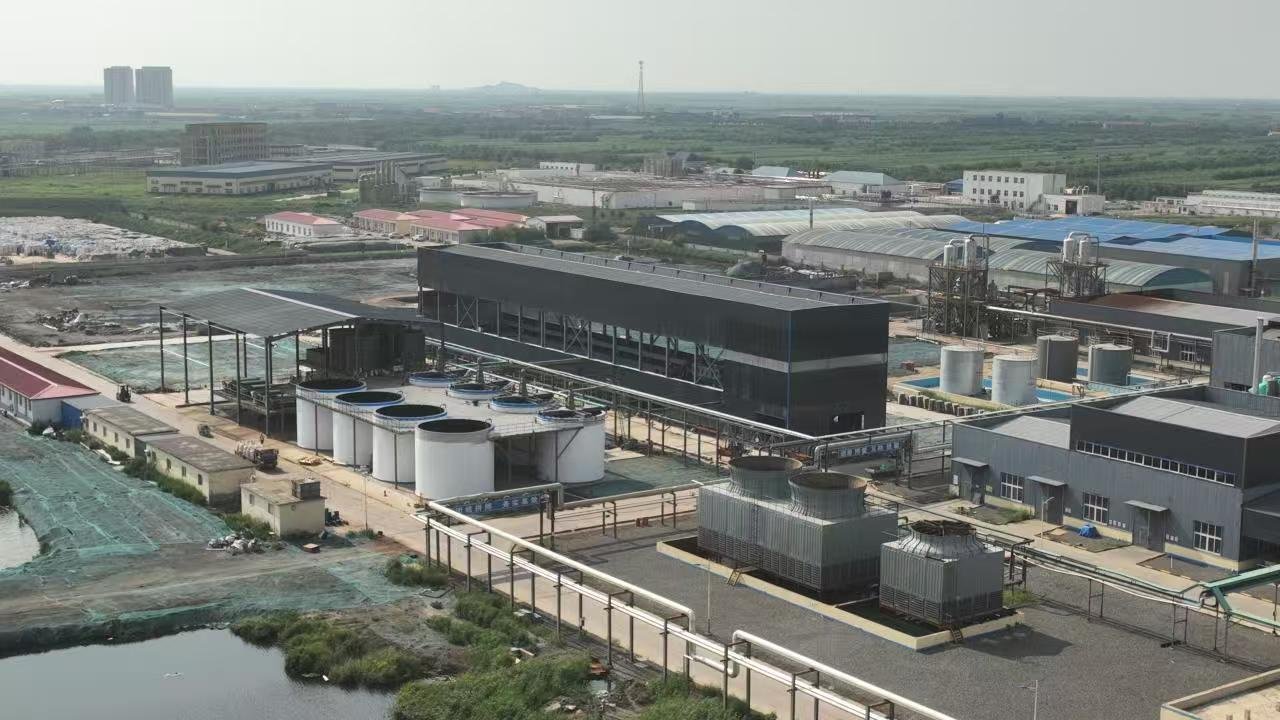
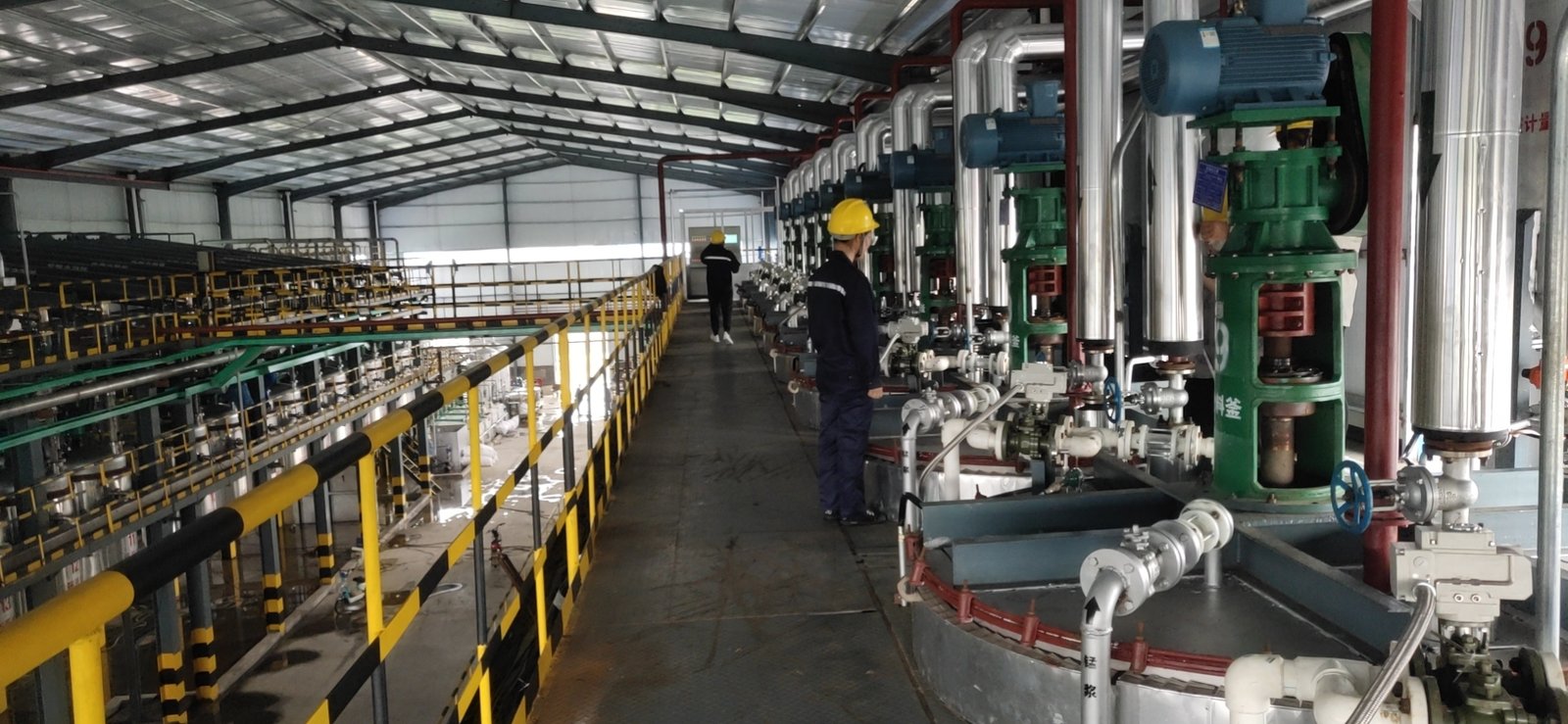
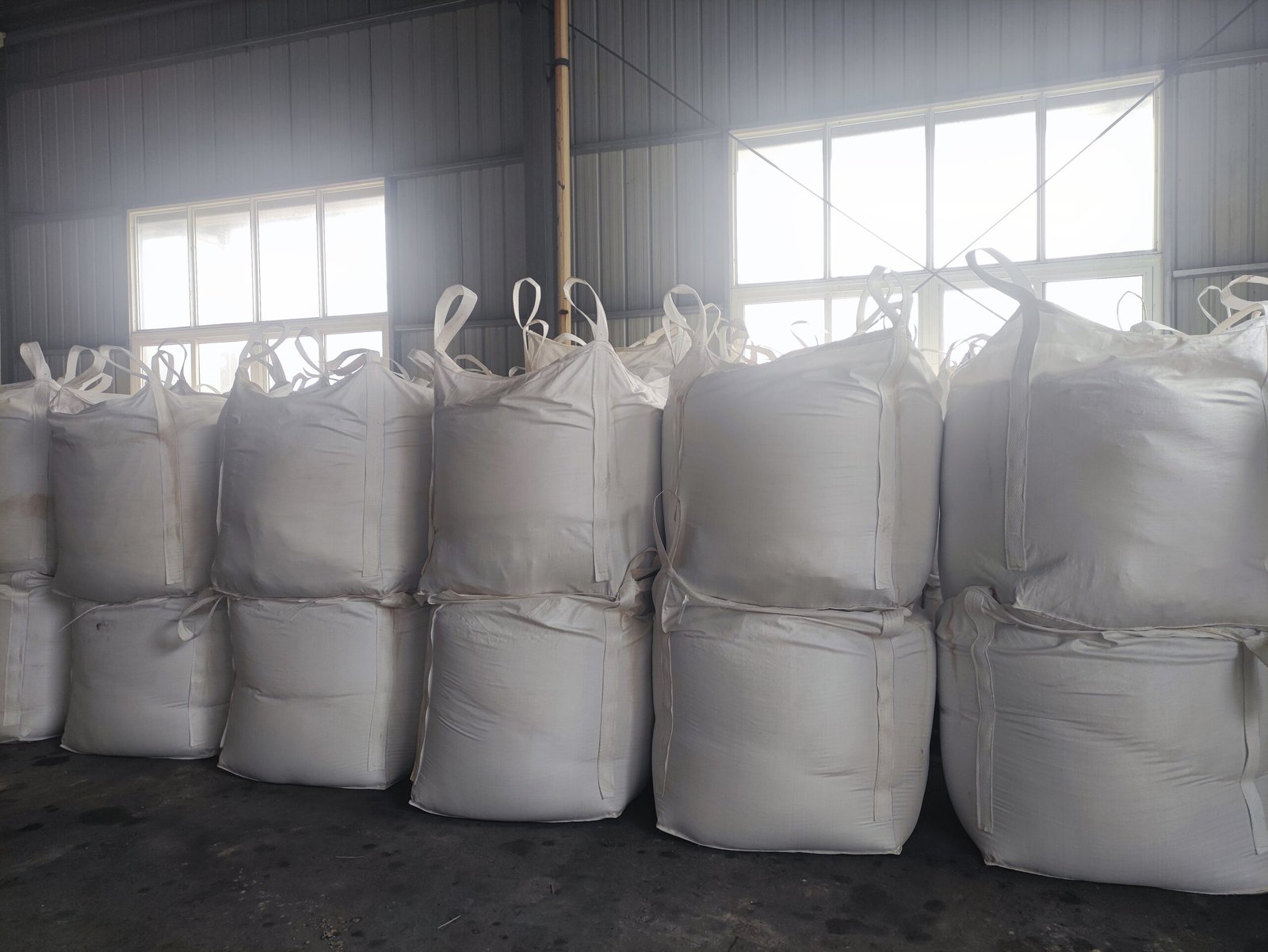
BTL New Material is a China-based supplier specializing in manganese chemicals for industrial and commercial applications. We supply manganese dioxide, manganese carbonate, manganese oxide, and manganese sulfate with application-based specifications. We support international B2B customers with stable supply, COA/SDS documentation, samples, and bulk orders.

Manganese Monoxide FAQ
Manganese monoxide (MnO), also called manganese(II) oxide or manganous oxide, is a manganese compound with CAS No. 1344-43-0. It is commonly supplied as a gray-green powder.
The CAS number of manganese monoxide (MnO) is 1344-43-0
The molecular weight of manganese monoxide (MnO) is 70.94 g/mol
What packaging is available for manganese monoxide?
The current standard packaging shown for this product is 25 kg per cardboard drum. Customized packaging can be discussed according to order requirements.
Yes. TDS and SDS are available, and a batch-specific COA can be provided for specification verification.
MnO can be used in ferrite materials, ceramics, glass-related formulations, metallurgy and chemical processing. The appropriate specification should be selected according to the intended application.
Specification requirements can be reviewed according to the customer’s application, including composition, particle size and impurity limits.
Request a Manganese Monoxide Specification & Quote
Tell us your application, required specification, quantity and destination. We can review the requirement and provide the appropriate MnO specification, technical documents and quotation.
Related Products

Manganese dioxide

Manganese carbonate

Manganese sand