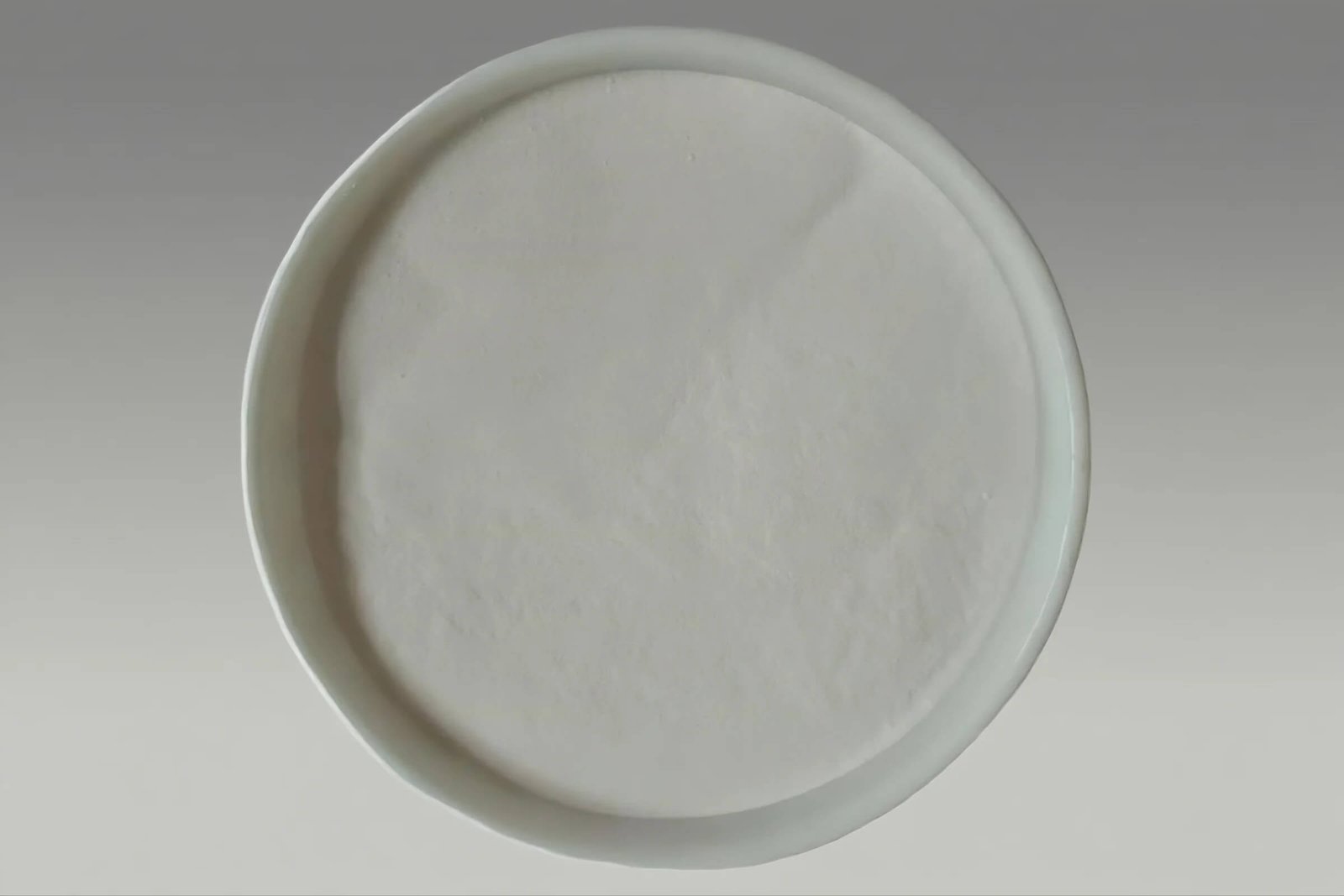
When you search for manganese sulfate, you will see important details. These details include purity levels from 98% to 99.9%. Mesh size can be between 60 and 180 mesh. Packaging comes in 25 kg or 50 lb bags. It can also come in woven or jumbo sacks and pails. You should check the moisture content too. It stays at or below 0.5%. There are also limits on heavy metals for safety. The table below shows how manganese sulfate specifications change its use in farming and factories:
| Specification Aspect | Impact on Applications |
|---|---|
| Purity | High purity helps crops and animal feed get nutrients better. |
| Industry Standards | Meeting strict standards makes it good for batteries and other factory uses. |
| Demand Trends | High quality meets the growing need for safe, useful materials. |
- Check the purity level of manganese sulfate. Try to get at least 98% purity for farming. This helps plants take in nutrients better.
- Pick the right mesh size for your needs. Finer mesh, like 180 mesh, dissolves fast. Coarser mesh, like 60 mesh, works for slow-release uses.
- Choose the right packaging. Use jumbo bags for big amounts. Use standard bags or pails for small amounts.
- Always check the moisture content. Low moisture, 0.5% or less, stops clumping. It also helps the product last longer.
- Look for certifications on the packaging. Certified products are safe and good quality. This helps you feel sure about what you buy.
Manganese Sulfate Specifications
Purity
Purity is very important when picking manganese sulfate. It shows how much of the product is real manganese sulfate. The rest is other stuff. Most products have purity between 98% and 99.9%. Higher purity means there are fewer extra things inside. If you want manganese sulfate for batteries or electronics, pick the highest purity. Ultra-high purity costs more because it is used in electric car batteries. These batteries need very clean materials to work well. Always check the purity level before you buy.
Mesh Size
Mesh size tells you if the powder is fine or rough. You might see mesh sizes like 60, 100, or 180 mesh. A bigger mesh number means the powder is finer. Finer powders mix with water faster. This is good for liquid fertilizers or sprays. Coarser powders are better for slow-release uses. Mesh size can change the price too. Finer powders usually cost more because they are harder to make. Pick the mesh size that fits your needs.
Packaging
You can get manganese sulfate in different packages. Most sellers have 25 kg or 50 lb bags. Some also have woven sacks, jumbo bags, or plastic pails. If you need a lot, jumbo bags are best. For small amounts, use regular bags or pails. Good packaging keeps the product dry and safe. It helps during shipping and storage. Make sure the packaging meets industry rules. Many sellers follow strict rules to keep the product clean and safe.
Tip: Always look for certifications on the packaging. Certified products are safer and better quality.
Here is a table of common certifications you might see on manganese sulfate packaging:
| Certification | Description |
|---|---|
| ISO 9001 | Quality management systems |
| ISO 14001 | Environmental management systems |
| FCA | Fertilizer Certification Assurance |
| FAMI-QS | Feed Additives and Premixtures Quality System |
| FSMA | Food Safety Modernization Act compliance |
Moisture & Heavy Metals
Moisture content shows how much water is in the product. Most manganese sulfate has moisture at or below 0.5%. Low moisture stops clumping and helps it last longer. Heavy metals are also important. You want low levels of lead, cadmium, and arsenic. These metals can hurt plants, animals, and people. Sellers test for heavy metals to keep the product safe. Always ask for a certificate of analysis if you need proof of low heavy metals.
When you check manganese sulfate specifications, look at purity, mesh size, packaging, moisture, and heavy metals. These details help you pick the right product and keep your work safe and smooth.
Purity Grades
Typical Grades
There are different purity grades for manganese sulfate. Most products are either high purity or low purity. High purity grades are between 98% and 99.9%. These have very few extra things mixed in. Low purity grades have more unwanted substances. Always look at the label or ask your supplier about purity. High purity costs more but works better for special uses.
Note: High purity manganese sulfate often comes with a certificate of analysis. This paper shows the exact purity and proves it meets strict rules.
Purity & Uses
The purity grade you pick changes how well manganese sulfate works. High purity helps plants and animals get nutrients easier. Farmers and feed makers usually choose high purity for best results. Low purity might not work as well and can sometimes cause problems.
Here is a table that shows how purity grades affect fertilizers and animal feed:
| Purity Grade | Application | Performance Impact |
|---|---|---|
| High | Fertilizers | Enhanced nutrient delivery in plants |
| High | Animal Feed | Improved growth and health in animals |
| Low | Fertilizers | Reduced effectiveness in nutrient delivery |
| Low | Animal Feed | Potential for slow growth and health issues |
You should always pick the purity grade that fits your needs. For the best results in farming or animal feed, use high purity. For less important uses, low purity might be okay. Always check manganese sulfate specifications before buying to get the right grade.
Mesh Size Options
Mesh Range
When you look at manganese sulfate specifications, mesh size stands out as a key detail. Mesh size tells you how fine or coarse the powder is. You will see mesh sizes like 60, 100, and 180 mesh. A higher mesh number means the powder is finer. For example, 180 mesh powder feels smooth and mixes quickly. Lower mesh numbers, such as 60 mesh, create a coarser powder. You can use this information to match the product to your needs.
Here is a simple table to help you compare mesh sizes:
| Mesh Size | Texture | Common Use |
|---|---|---|
| 60 mesh | Coarse | Slow-release blends |
| 100 mesh | Medium | General mixing |
| 180 mesh | Fine | Liquid solutions |
Tip: Finer mesh powders dissolve faster in water. You should choose a mesh size that fits your mixing process.
Application Impact
Mesh size affects how you use manganese sulfate in your work. If you want to make liquid fertilizers, pick a fine mesh like 180 mesh. Fine powders mix well and do not leave lumps. For slow-release fertilizers, a coarse mesh works better. Coarse powders break down slowly and feed plants over time. Animal feed makers often use medium mesh sizes. These mix well but do not dissolve too fast.
You can follow these steps to choose the right mesh size:
- Decide if you need fast or slow mixing.
- Check your equipment for handling fine or coarse powders.
- Ask your supplier for samples if you are unsure.
Mesh size also changes the price. Finer powders cost more because they take extra steps to produce. You should balance cost and performance when you select mesh size. Always review manganese sulfate specifications before you buy. This helps you get the best results for your application.
Packaging Types
Standard Bags
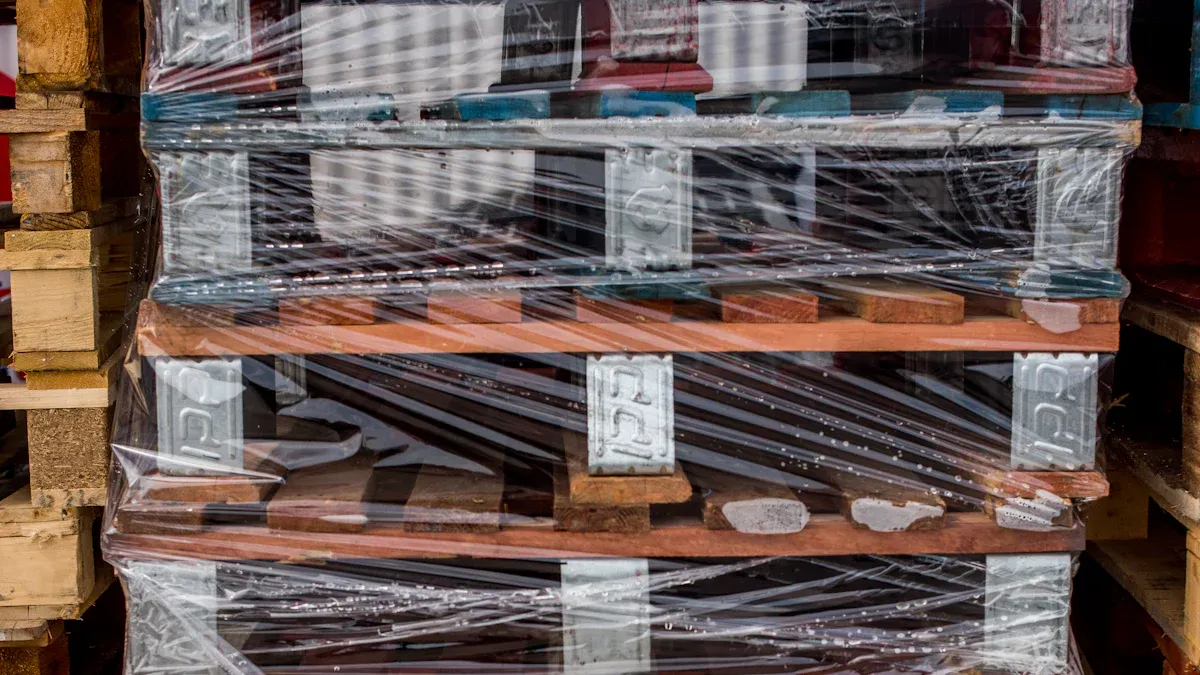
You will often find manganese sulfate packed in standard bags. These bags usually hold 25 kg or 50 lb of product. Most suppliers use strong woven plastic or multi-layer paper for these bags. This type of packaging protects the powder from moisture and keeps it safe during shipping. Standard bags work well if you need small or medium amounts. You can move and store them easily. Many companies choose bags because they are simple and cost-effective.
Bulk & Pails
If you need large amounts, you can choose bulk packaging. Suppliers offer jumbo bags, also called big bags, which can hold up to 1,000 kg. These bags help you save time when you handle big orders. Some companies use plastic pails for smaller but still significant quantities. Pails keep the product dry and make pouring easy. In global trade, you may also see manganese sulfate shipped in drums or tanks. Each option has its own benefits:
- Bags: Easy to handle and store, good for small to medium needs.
- Drums: Offer strong protection, suitable for export and long-term storage.
- Tanks: Used for liquid forms, best for very large shipments.
Tip: Always match your packaging choice to your storage space and how much you need to use at one time.
Labeling & Storage
Proper labeling helps you track and use manganese sulfate safely. Labels should show the product name, weight, batch number, and safety warnings. You should always check the label before using the product. Good storage keeps the powder dry and free from clumps. Store bags or pails in a cool, dry place away from direct sunlight. Make sure the area stays clean and free from pests. Following these steps helps you meet manganese sulfate specifications and keeps your product in top condition.
Choosing Specifications
By Application
You need to pick manganese sulfate that fits your job. Different jobs need different grades and forms. For farming, you should use a product with 98% purity or more. This helps crops get the nutrients they need. If you use manganese sulfate in batteries or electronics, pick the highest purity you can find. Fine mesh, like 180 mesh, dissolves fast and is good for liquid fertilizers. Coarse mesh, such as 60 mesh, is better for slow-release blends.
Here is a table that shows how your needs can change what you pick:
| Specification | Details |
|---|---|
| Assay | 98.0 – 101.0% |
| Particle Size | Mesh On 60: 5% maximum |
| Containers | 110 lb/50 kg fiber drum |
| Storage | Store in a clean, dry place |
Each detail is important. The right assay means you get good quality. Mesh size changes how the product mixes. The container keeps it safe during shipping and storage. Clean, dry storage keeps it fresh and stops clumping.
Custom Needs
Sometimes, you need something special. You might want a certain mesh size for your tools. You may need packaging that fits your space. Some people ask for extra tests for heavy metals or moisture. You can talk to your supplier about these things. Many suppliers can give you custom packaging or special grades.
Tip: Make a list of what you need before you buy. This helps you compare products and choose the best one.
Always check manganese sulfate specifications before you buy. This helps you get the right product for your work. If you need something special, ask for a custom solution. Suppliers often help you get exactly what you need.
When picking manganese sulfate, look at purity, mesh size, and packaging. These things help you find what works for you. Make a checklist or use a table to compare choices before buying. If you need something special, ask your supplier for help. You get better results when you check every detail and ask questions.
FAQ
What purity level should you choose for agriculture?
Pick manganese sulfate with at least 98% purity for crops. This helps plants take in nutrients more easily. High purity also means fewer bad things in your soil.
How does mesh size affect your application?
Mesh size changes how fast manganese sulfate dissolves. Fine mesh, like 180 mesh, mixes fast in water. Coarse mesh, like 60 mesh, is good for slow-release blends. Choose the mesh size that fits your job.
Why is moisture content important?
Low moisture, usually 0.5% or less, keeps manganese sulfate loose. This stops clumps and makes storage simple. It also helps the product last longer and mix better.
Can you request custom packaging?
Yes, you can ask for custom packaging from suppliers. You can get jumbo bags, pails, or drums. Custom packaging helps you store and ship the way you want.
Tip: Always ask your supplier about special labels or extra safety steps.
Related Products

manganese dioxide

manganese carbonate

manganese sand
Related Posts

I am Edward lee, founder of manganesesupply( btlnewmaterial) , with more than 15 years experience in manganese products R&D and international sales, I helped more than 50+ corporates and am devoted to providing solutions to clients business.