Manganese sulfate is a key mineral used in many fields. It is important in agriculture, animal feed, battery production, and fine chemical manufacturing. Understanding the difference between two main forms—manganese sulfate monohydrate and anhydrous manganese sulfate—helps buyers choose the right product for their needs. One form contains water; the other does not. This difference affects how much active manganese you get, how the material looks and handles, how it stores, and how much it costs.
What Is Manganese Sulfate Monohydrate?

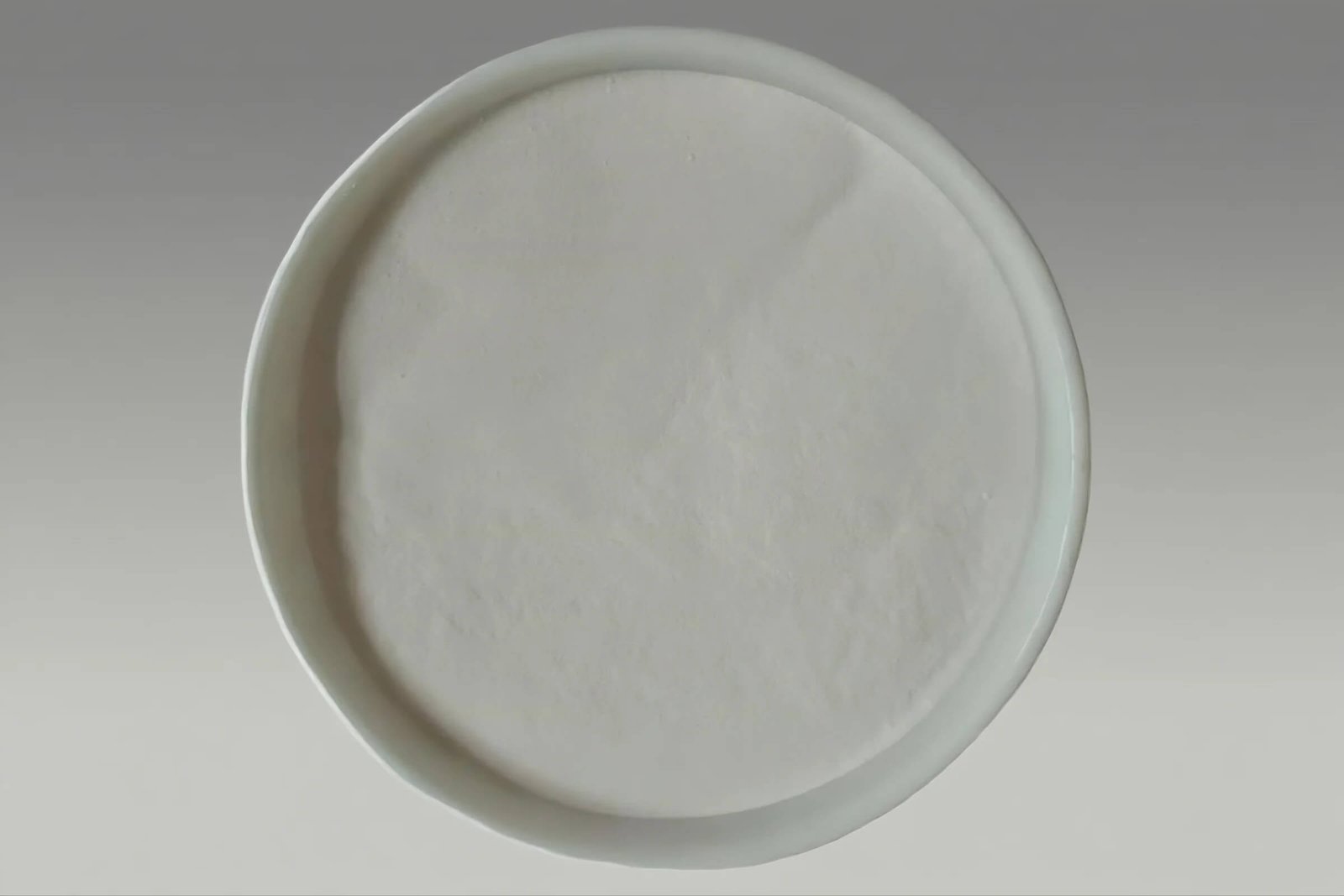
Manganese sulfate monohydrate has the chemical formula MnSO₄·H₂O. In plain terms, this means each molecule has one water molecule attached. This form appears as a pale pink solid under normal conditions. It is the most common and widely used type, especially in agriculture and animal feed. It is also a precursor for many manganese-based chemicals
Its molar mass (weight per mole) is about 169 g/mol, and its density is around 2.95 g/cm³ . It dissolves easily in water, making it practical for use in liquid fertilizers and feeds.
For further details on this form’s use in farming, see the page Manganese Sulfate Monohydrate in Agriculture on this site.
What Is Anhydrous Manganese Sulfate?
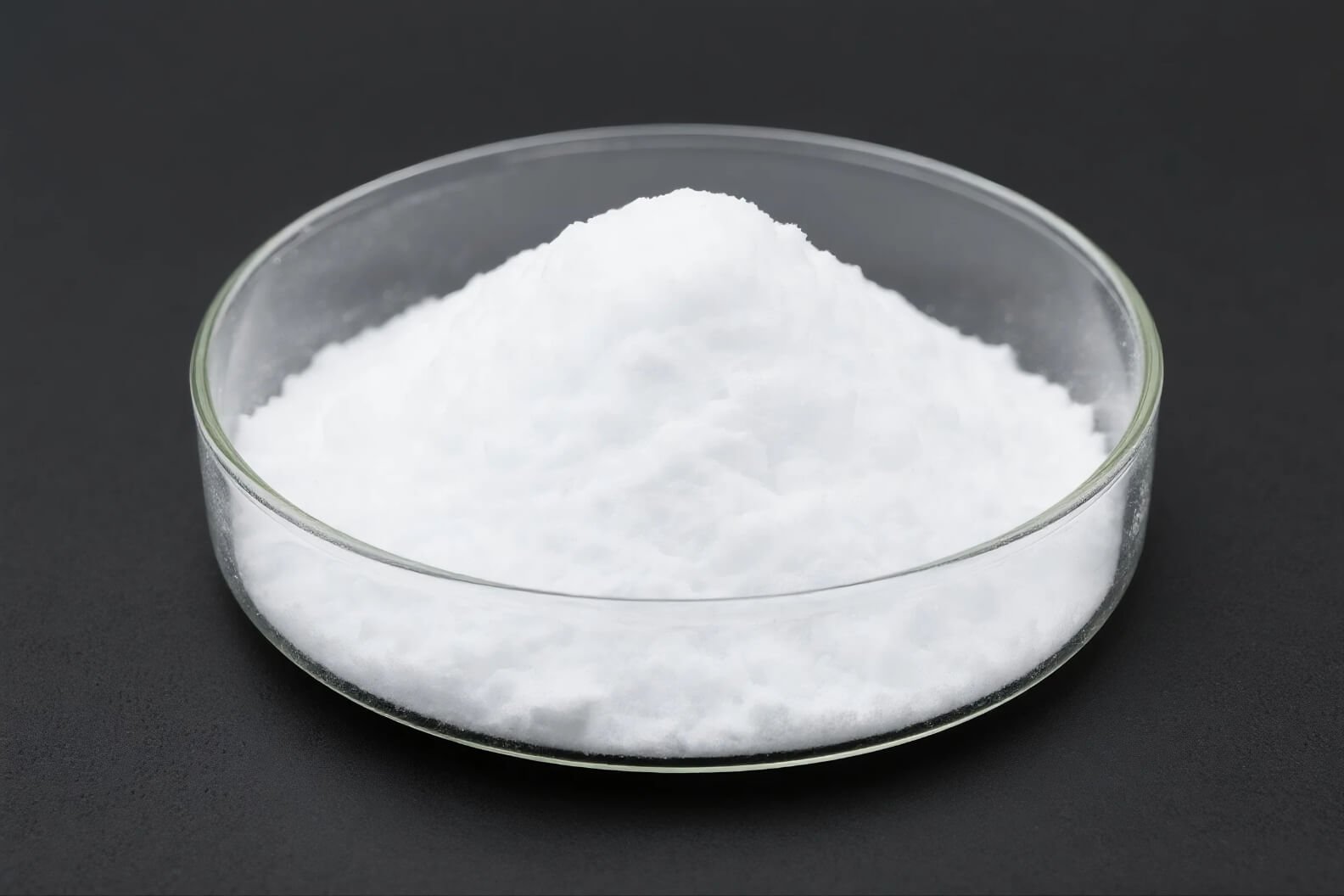
Anhydrous manganese sulfate has the formula MnSO₄, with no water molecule attached. It typically appears as a white crystalline solid .
Its molar mass is about 151 g/mol, noticeably lower than the monohydrate form because it lacks water. Its density is higher—about 3.25 g/cm³.
This form is often used where dryness and purity are critical. It may cost more because the dehydration process (removing the water) adds steps and energy.
manganese sulfate monohydrate VS anhydrous manganese sulfate
Here are the main differences:
Water content
Monohydrate: ~10% by weight is water.
Anhydrous: contains 0% water.
Molar mass
Monohydrate: ~169 g/mol.
Anhydrous: ~151 g/mol.
Density
Monohydrate: ~2.95 g/cm³.
Anhydrous: ~3.25 g/cm³.
Color
Monohydrate: pale pink.
Anhydrous: white.
Active manganese content
Anhydrous has more manganese per gram, since there is no water weight.
Stability & storage
Monohydrate handles humidity better.
Anhydrous must be stored in dry conditions to avoid moisture uptake.
Cost and production
Monohydrate is less expensive; it is the standard, easier-to-produce form.
Anhydrous requires drying, which raises cost.
Main uses
Monohydrate: widely used in fertilizers and feed supplements.
Anhydrous: preferred where high purity is needed, such as battery-grade material or fine chemicals.
Comparison Table
| Feature | Monohydrate (MnSO₄·H₂O) | Anhydrous (MnSO₄) |
|---|---|---|
| Water Content | ~10% | 0% |
| Molar Mass | ~169 g/mol | ~151 g/mol |
| Density | ~2.95 g/cm³ | ~3.25 g/cm³ |
| Color | Pale pink | White |
| Manganese (Mn) per g | Lower | Higher |
| Storage Needs | Handles humidity well | Requires dry storage |
| Production Cost | Lower | Higher |
| Main Applications | Fertilizer, feed, general use | High-purity, industrial |
How to Choose the Right Type
Choosing between the two forms depends on application:
Agriculture or animal feed?
Go with monohydrate. It’s cost-effective, easy to handle, dissolves well in water for spraying or mixing, and is trusted for fertilizer use .Industrial or high-purity needs?
Choose anhydrous. It has higher manganese content and no water, which makes it ideal for processes that require dryness or exact composition, like battery materials or catalysts.
When purchasing, buyers should check:
Purity level (e.g., %Mn, water content)
Packaging and storage condition (airtight containers for anhydrous)
Certifications like ISO, REACH, or SGH compliance
Supplier credibility and specification sheets (COA: Certificate of Analysis)
Safety and Regulatory Notes

Both forms contain manganese(II) ions (Mn²⁺), which are essential nutrients but toxic in excess. Long-term exposure, especially through inhalation, may lead to a condition called “manganism,” a neurological disorder similar to Parkinson’s disease.
According to European REACH regulation, all hydrates—including monohydrate—are covered under the same registration as the anhydrous form. This simplifies legal compliance in the EU .
Storage and handling tips:
Store both forms in a dry, cool environment.
Anhydrous should be kept in airtight containers with desiccants.
Wear protective gear to avoid inhaling dust or powder.
Conclusion
To summarize, the main differences between manganese sulfate monohydrate and the anhydrous form include:
Presence or absence of water (monohydrate contains water; anhydrous doesn’t)
Differences in weight, density, color, and manganese content
Practical considerations like storage, cost, and application suitability
For most agricultural and feed-related needs, manganese sulfate monohydrate is the ideal choice—cost-effective and easy to work with. For high-purity, dry applications like batteries or fine chemicals, anhydrous manganese sulfate offers advantages in composition and volume of active material.
FAQ (Frequently Asked Questions)
Q1: Can the anhydrous form be used in farming?
Yes, but it is less cost-efficient and may absorb moisture. Monohydrate is the preferred form for most agricultural uses.
Q2: Does monohydrate absorb more water over time?
No, monohydrate already contains water in its structure. However, anhydrous may absorb moisture if not stored properly.
Q3: Which form contains more manganese per gram?
Anhydrous contains more active manganese per gram because it has no water.
Q4: How should anhydrous manganese sulfate be stored?
Keep it in airtight packaging in a dry area. Use desiccants if possible to prevent moisture absorption.
Q5: Are both forms safe for animal feed?
Yes, both can be safe when formulated correctly. Monohydrate is more commonly used due to ease of use and cost-effectiveness.
Related Products

manganese dioxide

manganese carbonate

manganese sand
Related Posts
Related Posts

I am Edward lee, founder of manganesesupply( btlnewmaterial) , with more than 15 years experience in manganese products R&D and international sales, I helped more than 50+ corporates and am devoted to providing solutions to clients business.