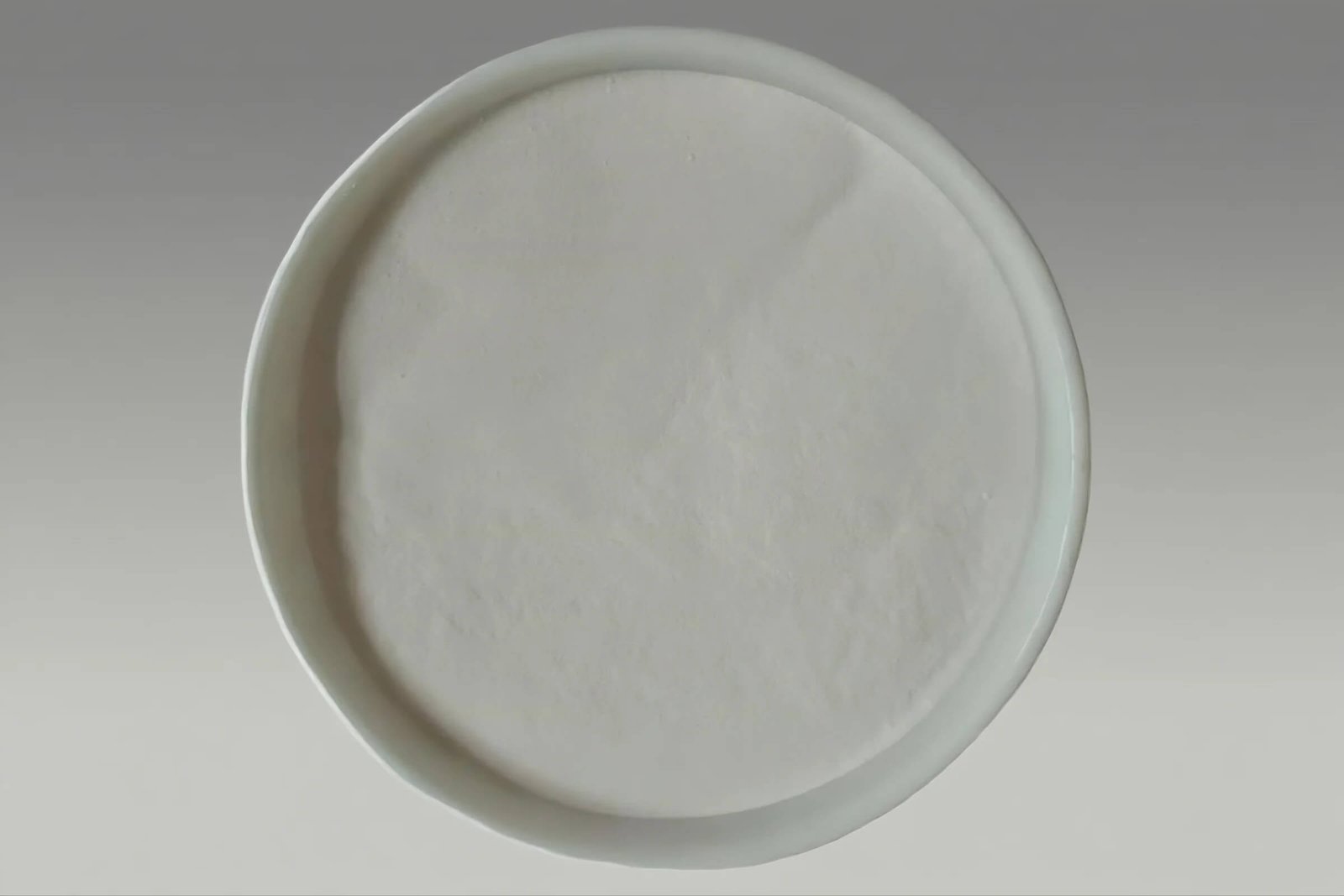
Manganese dioxide fertilizer gives an important element for farming. Manganese is a key nutrient and is part of micronutrients that plants need. If soil does not have enough manganese, plants grow less and are not as healthy. Farmers around the world now use better micronutrients, like nanofertilizers, to help crops grow well and be more productive.
Manganese dioxide fertilizer gives crops manganese slowly. This helps crops grow strong and healthy. It works well in soil with high pH or lots of organic matter.
Farmers need to test soil and plants often. This helps them use the right amount of manganese fertilizer. It stops crops from getting too little or too much manganese. This leads to better crop yields.
Farmers should use manganese dioxide fertilizer with other nutrients. They must apply it the right way, to soil or leaves. This helps farming stay good for the earth. It also makes crops better over time.
Manganese Dioxide Fertilizer Overview
What Is Manganese Dioxide Fertilizer
Manganese dioxide fertilizer is added to soil to give crops manganese. Farmers use it when soil does not have enough manganese. This helps crops grow better and stay healthy. Manganese dioxide, called MnO2, looks like a black powder or crystal. It gives plants manganese for a long time. Manganese is important for plants to grow and develop.
Manganese dioxide fertilizer keeps manganese levels right in soil. This makes sure crops get enough of this nutrient. Crops like wheat, soybeans, potatoes, and spinach need manganese. Sometimes, manganese in soil cannot be used by plants. This happens more in soils that are neutral or alkaline. Using manganese dioxide fertilizer can help make manganese available again. It supports healthy plant growth.
Note: Manganese dioxide fertilizer is not the only type used in farming. Other types, like manganese sulfate, dissolve faster and fix problems quickly. MnO2 is good because it releases slowly and stays stable in soil.
Key Properties
Manganese dioxide, or MnO2, has special features that make it good for fertilizer:
MnO2 is a black powder or crystal with high density.
It does not dissolve in water and stays stable in soil. This means it gives manganese for a long time.
MnO2 is a strong oxidizing agent. It can change soil chemistry and help release other nutrients.
Its rutile-type crystal structure helps it stay stable in fertilizer mixes.
MnO2 does not work well with strong acids or reducing agents. But it stays stable in most fertilizers.
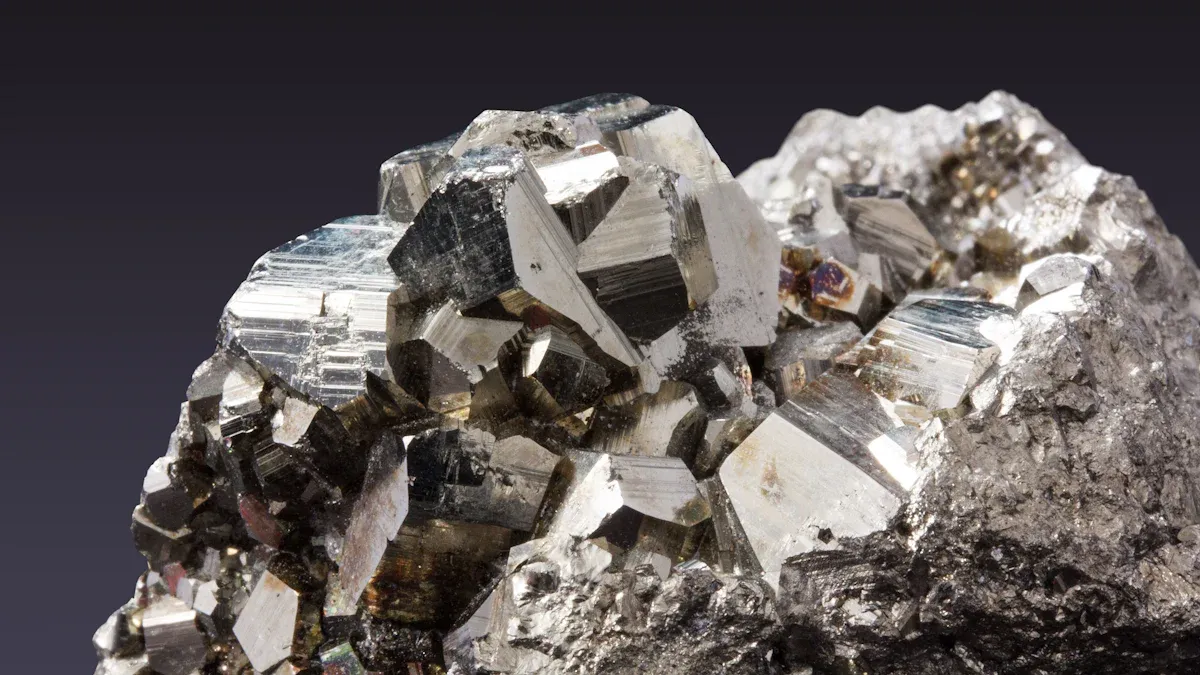
The mineral pyrolusite is the main source of manganese dioxide for farming.
Because it does not dissolve and is stable, it works as a long-lasting nutrient additive.
MnO2’s oxidizing power can help good soil reactions. This may help crops take up more nutrients.
Soil conditions affect how well manganese dioxide fertilizer works. Manganese in soil comes in different forms. These include exchangeable Mn(II), manganese oxides like MnO2, and organic manganese. In normal, oxygen-rich soil, manganese dioxide does not dissolve much. Plants cannot use it easily. If soil gets waterlogged or has lots of organic matter, MnO2 can change to Mn(II). Mn(II) dissolves better and plants can absorb it. Microbes and soil pH also change how much manganese plants can use.
Aspect | Details |
|---|---|
Dry edible beans, cucumbers, lettuce, oats, onions, peas, potatoes, radishes, sorghum, soybeans, snap beans, spinach, Sudangrass, sweet corn, table beets, wheat | |
Effective manganese fertilizers | Manganous oxide (finely ground powders, less effective than manganese sulfate), manganese sulfate (more effective) |
Ineffective manganese form | Manganese dioxide (manganic oxide, MnO4) is insoluble and ineffective as a fertilizer |
Application methods | Band application near seed, foliar sprays, soil acidification (e.g., sulfur, aluminum sulfate) |
Application recommendations | Avoid broadcast application due to fixation; annual application on deficient soils; foliar sprays at 1-2 lbs Mn per acre in 30 gallons water |
Soil pH considerations | Manganese availability decreases in neutral to alkaline soils (pH >6.5); acidifying soil improves availability |
Toxicity risks | Excess manganese can cause toxicity in very acid soils (pH <5.0); symptoms include chlorosis, leaf spotting, and scorching |
Sensitive crops to excess Mn | Alfalfa, cabbage, cauliflower, clover, dry edible beans, potatoes, small grains, sugar beets, tomatoes |
New studies show manganese dioxide fertilizer helps plants get more nutrients and grow better. For example, mustard greens grown with manganese fertilizer had 29% more chlorophyll a. They had 20% more chlorophyll b and over 21% more total chlorophyll. These plants grew taller and had thicker stems. In rice, MnO2 nanomaterials at 50 mg/L helped plants take in more minerals and boosted antioxidant activity. Wheat treated with nano MnO2 fertilizer used nutrients better and gave higher yields than regular manganese fertilizers. But how well manganese dioxide fertilizer works depends on soil, crop, and how it is used.
Tip: Always test your soil before using manganese dioxide fertilizer. This helps you use the right amount. It also stops you from using too much, which can harm sensitive crops.
Role of Manganese in Plants
Functions in Plant Growth
Manganese helps plants in many ways. It is needed for enzymes that help with photosynthesis. Plants use manganese to make energy and grow strong. It helps protect plant cells from damage. Manganese also helps plants make special compounds. These compounds help plants deal with stress.
Some important jobs of manganese are:
Helping plants use sunlight better and grow more.
Turning on enzymes for breaking down sugars.
Making plants stronger against tough weather.
Helping plants fight off diseases and stress.
Manganese makes sure crops get what they need to grow well and give good yields.
Deficiency and Toxicity Signs
If plants do not get enough manganese, leaves turn yellow between the veins. This happens first on young leaves. Plants cannot move manganese easily inside them. If the problem gets worse, plants stop growing well. Leaves may curl and get small brown spots. These signs show the plant needs more manganese.
Too much manganese can also hurt plants. This happens mostly in very acidic soils. Leaves may get brown or purple spots and look burnt. Plants may not grow as much. The color and shape of leaves can change. Not enough or too much manganese makes plants unhealthy and lowers crop quality.
Tip: Farmers should test their soil often. This helps them find problems early and use the right amount of manganese for better crops.
Manganese Dioxide in Fertilizer Production
Use in Compost and Organic Fertilizer
Farmers and compost makers add manganese dioxide to compost piles. This plant nutrient additive helps make organic fertilizer better. Manganese dioxide acts like a helper and grabs ammonia gas. This lowers air pollution and keeps more nitrogen in the fertilizer. Producers often mix manganese dioxide with biochar, like wheat straw pyrochar or hydrochar. This mix makes compost work better and helps good microbes grow.
Chicken manure and wheat straw are common things used in compost. When mixed with manganese dioxide and biochar, they break down faster and are safer for plants. There are different types of MnO2, such as α-MnO2 and δ-MnO2. δ-MnO2 works best for composting. MnO2 also helps control microbes by quorum sensing. This leads to better humification and less phytotoxicity.
Aspect | Description |
|---|---|
MnO2 Role | Conditioner that grabs NH3 and makes fertilizer better |
Combination | Often mixed with biochar to help compost and microbes |
Compost Substrates | Chicken manure and wheat straw |
MnO2 Forms | α-MnO2 and δ-MnO2, with δ-MnO2 working best |
Effects | Lowers NH3 gas, helps break down compost, and makes plant nutrient additive better |
Environmental Impact | Cuts down pollution and saves money |
Tip: Adding manganese dioxide to compost makes organic fertilizer safer and better for crops.
Nanofertilizer Benefits
Scientists made nanofertilizers using manganese dioxide. These tiny particles are advanced plant nutrient additives. MnO2 nanofertilizers give manganese slowly, so plants get nutrients over time. The small size of manganese dioxide particles gives them more surface area. This makes them more active and useful.
Nanofertilizers with MnO2 help roots grow and make plants healthier. They also help plants handle stress and use nutrients better. Farmers get bigger harvests and stronger crops with manganese dioxide nanofertilizer. These fertilizers make less waste and pollution, so they are better for the environment. MnO2 nanofertilizers help farming stay good for the earth by giving a steady supply of manganese and other nutrients.
Note: Manganese dioxide nanofertilizers are a new way for farmers to grow better crops and care for the environment.
Comparing Manganese Fertilizers
Manganese Dioxide vs. Other Sources
Manganese dioxide, or MnO2, is different from other manganese fertilizers. It gives nutrients to plants slowly. This means manganese stays in the soil longer. Other fertilizers, like manganese sulfate and chelated manganese, work in other ways. Manganese sulfate dissolves fast in water. Plants can use this manganese right away. But it can wash away in sandy soils. Chelated manganese fertilizers, such as Mn-EDTA, give manganese slowly over time. These work well in soils with high pH. Other manganese products may not help as much in these soils.
Aspect | Sulfate Fertilizers | Chelated Fertilizers |
|---|---|---|
Release Speed | Rapid dissolution, immediate availability | Slow and controlled release, gradual availability |
Nutrient Availability | Immediate nutrient uptake | Prolonged nutrient supply |
Risk of Leaching | Higher, especially in sandy soils | Lower, due to controlled release |
pH Sensitivity | More sensitive, less effective in alkaline soils | Less sensitive, effective across wide pH range |
Manganese dioxide fertilizer does not dissolve easily in water. It works best in soils that get waterlogged or have lots of organic matter. In these soils, MnO2 changes to a form plants can use. Other manganese fertilizers act faster. But MnO2 lasts longer in the soil.
Effectiveness and Cost
Farmers pick manganese fertilizers by how fast they work and their price. Manganese dioxide fertilizer gives manganese slowly and for a long time. This helps crops over many weeks. Manganese sulfate works fast and costs less money. Many farmers use it to fix a manganese problem quickly. Chelated manganese fertilizers cost more. But they work well in hard soil conditions.
A study looked at manganese carbonate and manganese sulfate for two years. Both helped wheat grow better and gave more manganese to the plants. Manganese carbonate moved through the soil better. But manganese sulfate was cheaper. The study did not test manganese dioxide. But it showed each manganese fertilizer has its own good points.
Tip: Farmers should choose the manganese fertilizer that fits their soil, crop, and budget. Testing the soil helps pick the best fertilizer for each field.
Application Methods
Soil and Foliar Application
Farmers use two main ways to add manganese. They can put MnO2 on the soil or spray it on leaves. Soil application is good for crops with a small manganese problem. Farmers spread MnO2 on the ground before or during planting. This helps roots take in manganese slowly. Foliar application is used when plants need help fast. Farmers mix MnO2 with water and spray it on leaves. Plants get manganese quickly through their leaves.
The best way depends on the crop and how bad the problem is. Wheat and soybeans often do well with soil application. Spinach and potatoes may need foliar sprays if leaves turn yellow. Farmers should look at soil tests and plant signs before choosing. They must use the right amount to avoid wasting fertilizer.
Tip: Foliar sprays work fast but may need to be done again. Soil application lasts longer and helps plants grow steady.
Safety Tips
Farmers must be careful when using MnO2 fertilizer. They should wear gloves and masks to stay safe. MnO2 dust can bother skin and lungs. It is important to keep MnO2 dry and away from kids and animals. Farmers should not let MnO2 spill near water to keep nature safe. They need to follow local rules for using and throwing away fertilizer.
Good safety steps keep people and land safe. Farmers should read labels and follow all directions for using manganese. They should wash hands after touching MnO2. Safe habits help crops grow well and keep everyone healthy.
Note: Using MnO2 fertilizer the right way keeps farming safe and helps protect the environment.
Identifying and Correcting Deficiency
Field Diagnosis
Farmers may see yellow lines or pale spots between veins on young leaves when plants lack manganese. These signs often show up first on the newest leaves at the top or middle of the plant. Sometimes, small tan dots appear if the problem gets worse. If it gets really bad, leaves can drop off and the plant may stop growing well.
Looking at plants can help find early problems, but it is not always right. Many nutrient problems look the same, so farmers might mix up manganese deficiency with other issues. The best way to know for sure is by testing plant tissue. Farmers collect the newest open leaves and send them to a lab. This tells them if the plant needs more manganese. It helps to compare leaves from both healthy and sick plants. Soil tests can give extra clues, but they do not always show manganese problems well. Using tissue tests, soil tests, and knowing the field’s history gives the best answer.
Tip: Farmers should check fields often and sample both healthy and sick plants. This helps find manganese problems early and stops bigger issues later.
Correction Strategies
Fixing manganese deficiency early keeps plants strong and saves crops. Studies show that using manganese dioxide nanofertilizers helps a lot. For example:
Spraying MnO2 nanofertilizer at 30 ppm made common bean yields go up by 49% over two years.
Eggplant fields with manganese nanoparticles grew 22% more fruit.
Squash plants had better fruit and more harvest after getting 20 ppm MnO nanofertilizer.
A study in Ohio showed that spraying manganese on soybeans raised yields by 7 bushels per acre in fields low in manganese. But in fields with enough manganese, extra fertilizer made yields go down. This means testing before adding manganese is very important.
Farmers can use these steps to find and fix manganese deficiency:
Look for yellow between veins on the youngest leaves. Check for tan spots or leaf loss if it is bad.
Collect leaves from both sick and healthy plants. Send them to a lab for testing.
Use soil tests to check for high pH or lots of organic matter, which can make manganese hard for plants to get.
If tests show manganese deficiency, spray manganese sulfate or manganese dioxide on leaves. Use 1 to 2 pounds of manganese in 30 gallons of water per acre.
Spray manganese as soon as you see symptoms. Waiting can lower yields by about 5% each week.
Do not mix manganese sprays with glyphosate herbicides. If both are needed, spray them at different times or add ammonium sulfate to the tank.
Watch for signs of too much manganese, especially in very acidic soils. Too much can hurt sensitive crops.
Note: Using the 4Rs—right source, right rate, right time, and right place—helps farmers fix manganese problems the best way.
Careful checking and testing help farmers keep plants healthy and avoid problems from too much or too little manganese.
Recommendations for Growers
Maximizing Yield and Quality
Farmers today want more crops and better quality. They use the right mix of nutrients to help plants grow well. Manganese is very important for crops. It helps plants stay strong and healthy. Farmers who want more crops must watch manganese in their soil.
Soil tests tell farmers if their fields need manganese. They use tests like DTPA or Mehlich III to check this. If the test shows low manganese, farmers add fertilizer to fix it. Spraying leaves works fast, especially when plants are young. Putting fertilizer in the soil before planting helps roots get nutrients over time.
Farmers pick crop types that use manganese well. These crops need less fertilizer and give more yield. Using the right amount of nutrients stops problems that can hurt crops. Farmers watch their plants for signs of trouble and change their plan if needed.
Tip: Farmers who check soil and plants often find problems early. Acting fast helps get more crops and better harvests.
Practice | Benefit |
|---|---|
Soil testing | Finds nutrient gaps |
Foliar application | Fast nutrient boost |
Balanced fertilization | Prevents nutrient problems |
Crop variety selection | Improves yield and efficiency |
Regular monitoring | Maintains crop health |
Integrating Manganese Dioxide Fertilizer
Farmers use different ways to keep soil healthy and grow good crops. They mix organic, inorganic, and biological sources to feed plants. Manganese dioxide fertilizer is a plant nutrient additive in this plan. It gives crops manganese and helps them grow.
Farmers follow these steps to use manganese dioxide fertilizer:
Test soil for manganese and check the pH. Manganese is harder for plants to get in high pH soils.
Pick the best fertilizer for the crop and soil. Manganese dioxide is good for spraying on leaves because it has lots of manganese.
Use fertilizer at the right time. Put it in the soil before planting or on the side to help roots. Spray leaves during important growth times to get more yield.
Balance manganese with other nutrients. This keeps crops healthy and stops problems.
Choose crop types that use manganese well. These crops need less fertilizer and give better yields.
Use tools like disc harrows to mix fertilizer and organic matter into the soil. This helps plants get more nutrients.
Use soil tests, watch crops, and use the right mix of nutrients for the best results.
Farmers who do these things get more crops and healthier plants. They keep soil good and help farming last a long time.
Note: Using manganese dioxide fertilizer with other nutrient plans helps farmers grow better crops and get more yield every season.
Manganese dioxide fertilizer helps crops grow better and fight disease. Farmers test soil and plant tissue often to know what nutrients to add. This stops them from using too much fertilizer. Manganese should be part of a balanced plan for crops. Farmers need to look for signs that plants do not have enough manganese. Careful planning keeps farming safe and helps crops grow well today.
FAQ
What crops respond best to manganese dioxide fertilizer?
Crop | Response Level |
|---|---|
Wheat | High |
Soybeans | High |
Spinach | Moderate |
Potatoes | Moderate |
How can growers tell if their soil needs manganese?
Farmers use soil tests to check manganese. They watch for yellow areas between leaf veins. Tissue tests help show if plants need more manganese.
Is manganese dioxide fertilizer safe for the environment?
Farmers keep manganese dioxide away from lakes and rivers. They follow safety rules to use it right. Using it the right way keeps soil, plants, and animals safe.
Related Products

manganese dioxide

manganese carbonate

manganese sand
Related Posts

I am Edward lee, founder of manganesesupply( btlnewmaterial) , with more than 15 years experience in manganese products R&D and international sales, I helped more than 50+ corporates and am devoted to providing solutions to clients business.