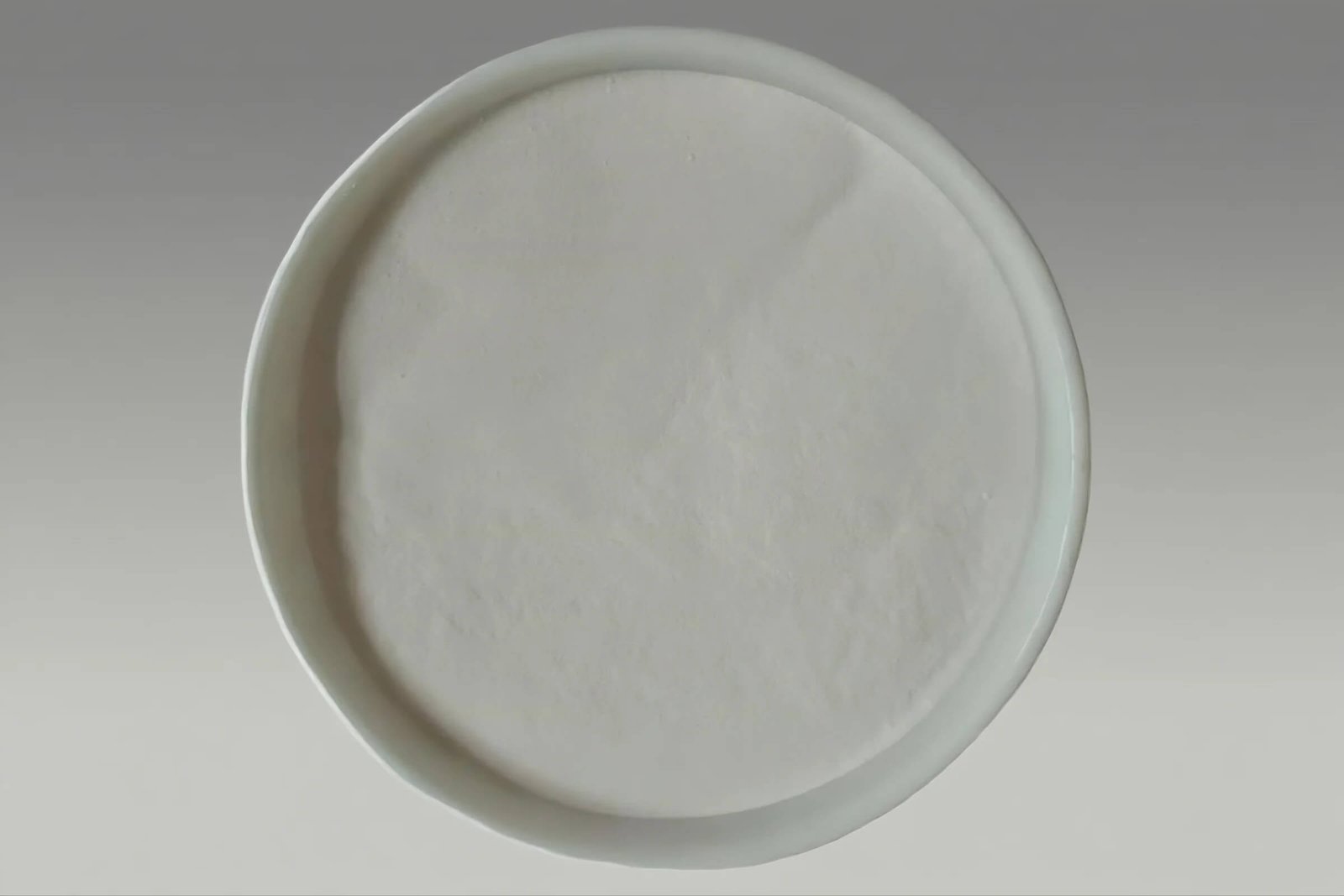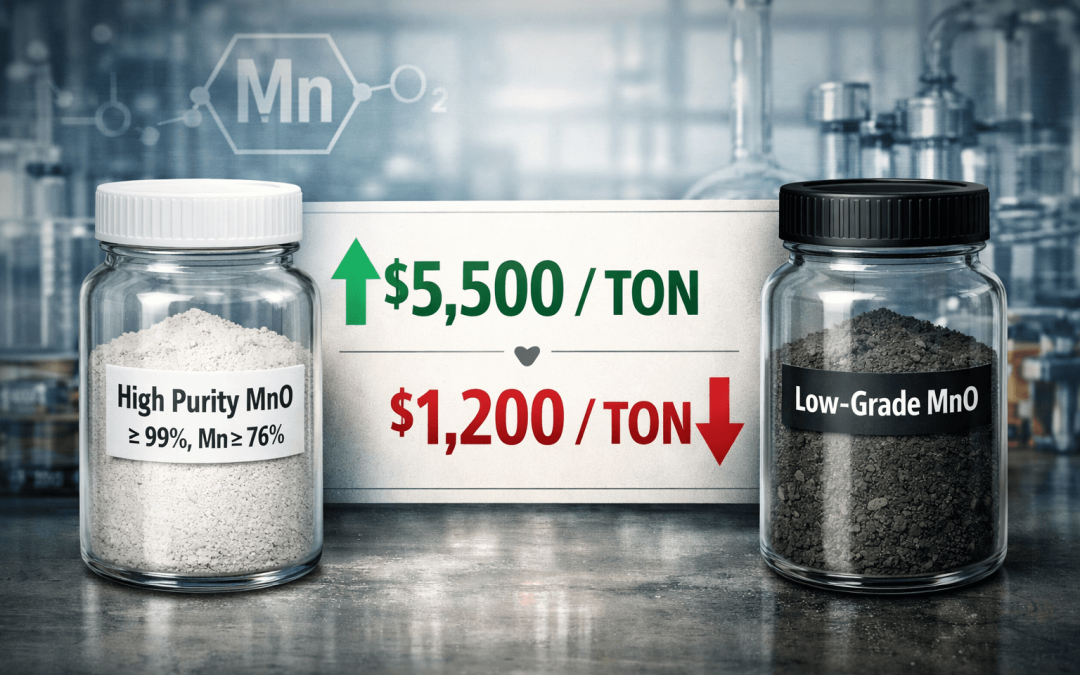
The price of manganese monoxide (MnO) varies significantly depending on purity, manganese content, and application requirements. In 2026, bulk manganese monoxide prices range from below USD 1,500 per ton for low-grade material to over USD 5,500 per ton for high-purity chemical-grade MnO.
This price gap is not driven by branding or origin alone, but by chemical composition, phase control, impurity limits, and production process stability.
We will explain why high-purity MnO (≥99% MnO, ≥76% Mn) commands a premium, how it differs from low-end MnO, and how buyers should evaluate pricing when sourcing manganese monoxide in 2026.
1. Technical Background: What Is Manganese Monoxide (MnO)?
Manganese monoxide (MnO) is a divalent manganese oxide with a theoretical manganese content of 77.44%. It is commonly used in:
Paint driers and coating additives
Specialty ceramics and pigments
Glass and frit formulations
Certain battery and functional material processes
In industrial practice, the term “manganese oxide” is often used loosely. However, MnO must be clearly distinguished from other manganese oxides, such as Mn₃O₄ or Mn₂O₃, which have different oxidation states, manganese contents, and performance characteristics.
The quality of MnO directly affects reaction behavior, color stability, catalytic activity, and consistency in downstream applications.
2. Why MnO Prices Vary So Widely in the Market
In 2026, manganese monoxide prices differ mainly due to four technical factors:
Chemical purity (MnO %)
Manganese content (%)
Oxide phase composition
Impurity control (Fe, Cu, Ni, Co, etc.)
Low-end MnO products are often produced for cost-sensitive applications, while high-purity MnO is manufactured for performance-critical chemical uses.
3. Low-End Manganese Monoxide: Price and Characteristics
Typical Specifications (Low-End / Industrial Grade)
| Parameter | Typical Range |
|---|---|
| MnO content | 92–97% |
| Mn content | 60–68% |
| Mixed oxide phases | Common (Mn₃O₄ present) |
| Fe content | 300–1,000 ppm |
| Particle size | Uncontrolled |
| Application | Metallurgy, low-grade ceramics |
Typical Price Range (2026)
USD 1,000 – 1,800 per metric ton (FOB China)
Why Low-End MnO Is Cheaper
Produced from lower-purity raw materials
Less control over reduction atmosphere
Mixed oxide phases allowed
Minimal impurity removal
Limited batch-to-batch consistency
For buyers who only need manganese input without strict chemical performance requirements, this grade may be acceptable. However, it is not suitable for paint driers or precision chemical applications.
4. High Purity MnO: Definition and Market Position
High-purity manganese monoxide is defined by both chemical purity and manganese content, not just one parameter.
Typical High-End Specifications
| Parameter | High Purity MnO |
|---|---|
| MnO purity | ≥ 99.0% |
| Mn content | ≥ 76.0% |
| Oxide phase | Single-phase MnO |
| Fe content | ≤ 50 ppm |
| Cu / Ni / Co | ≤ 10–20 ppm |
| Application | Paint drier, specialty chemicals |
Mn ≥ 76% is very close to the theoretical maximum of 77.44%, leaving little tolerance for secondary oxides or impurities.
5. High Purity MnO Price Per Ton in 2026
Realistic Market Pricing
For MnO ≥ 99% with Mn ≥ 76%, the typical 2026 price range is:
USD 4,800 – 5,800 per metric ton (FOB China)
In many cases, USD 5,500 / ton is a standard and reasonable quote, especially when impurity limits and phase stability are guaranteed.
Why High Purity MnO Costs More
1. Stoichiometric Limit Control
Any presence of Mn₃O₄, Mn₂O₃, or residual MnCO₃ will immediately reduce Mn content. Achieving ≥76% Mn requires strict phase control during reduction.
2. High-Purity Raw Materials
Producers must use battery- or chemical-grade manganese carbonate or sulfate instead of mineral-grade feedstock.
3. Atmosphere-Controlled Reduction
Temperature, time, and oxygen partial pressure must be precisely controlled to prevent over-oxidation or phase transformation.
4. Impurity Removal and QC
Iron, copper, and nickel impurities can interfere with paint drying reactions, requiring additional purification and testing.
6. Specification Comparison: Low-End vs High-End MnO
| Parameter | Low-End MnO | High Purity MnO |
|---|---|---|
| MnO purity (%) | 92–97 | ≥99 |
| Mn content (%) | 60–68 | ≥76 |
| Oxide phase | Mixed | Single-phase MnO |
| Fe (ppm) | 300–1000 | ≤50 |
| Typical price (USD/ton) | 1,000–1,800 | 4,800–5,800 |
| Suitable for paint drier | ❌ | ✅ |
7. Impact on Paint Drier and Chemical Performance
In paint drier formulations, manganese acts as an oxidative catalyst. High-purity MnO provides:
More predictable drying time
Reduced color variation
Lower risk of gelation or instability
Improved batch-to-batch consistency
Low-grade MnO often introduces uncontrolled side reactions due to mixed oxides and metallic impurities.
8. Quality Control and Testing Methods
Reliable suppliers of high-purity MnO typically provide:
ICP-OES or ICP-MS for trace metals
XRD analysis to confirm MnO phase
Chemical titration for Mn content
Batch COA with defined acceptance limits
Without these controls, MnO purity claims cannot be verified.
9. Purchasing Considerations for 2026
When sourcing manganese monoxide, buyers should clarify:
Required Mn content (not just MnO %)
Maximum impurity limits
Application (paint drier vs industrial use)
Volume and delivery terms
Batch consistency requirements
Comparing a USD 1,500 MnO product with a USD 5,500 product without understanding specifications is technically meaningless.
10. FAQ
What is the difference between MnO purity and Mn content?
MnO purity refers to oxide composition, while Mn content reflects actual manganese percentage, which determines performance.
Is Mn ≥ 76% difficult to achieve?
Yes. It is close to the theoretical limit and requires strict phase control.
Can low-grade MnO be used for paint driers?
Generally no. Impurities and mixed oxides affect drying behavior.
Why do some suppliers quote very low MnO prices?
They often sell mixed manganese oxides or feed-grade material.
Is high-purity MnO always necessary?
Only for applications where chemical consistency and performance matter.
Final Practical Checklist
Confirm Mn content, not only MnO %
Request technical data sheet
Check Fe, Cu, Ni impurity limits
Match MnO grade to application
Avoid comparing prices without specs
Related Products

manganese dioxide

manganese carbonate

manganese sand
Related Posts

I am Edward lee, founder of manganesesupply( btlnewmaterial) , with more than 15 years experience in manganese products R&D and international sales, I helped more than 50+ corporates and am devoted to providing solutions to clients business.