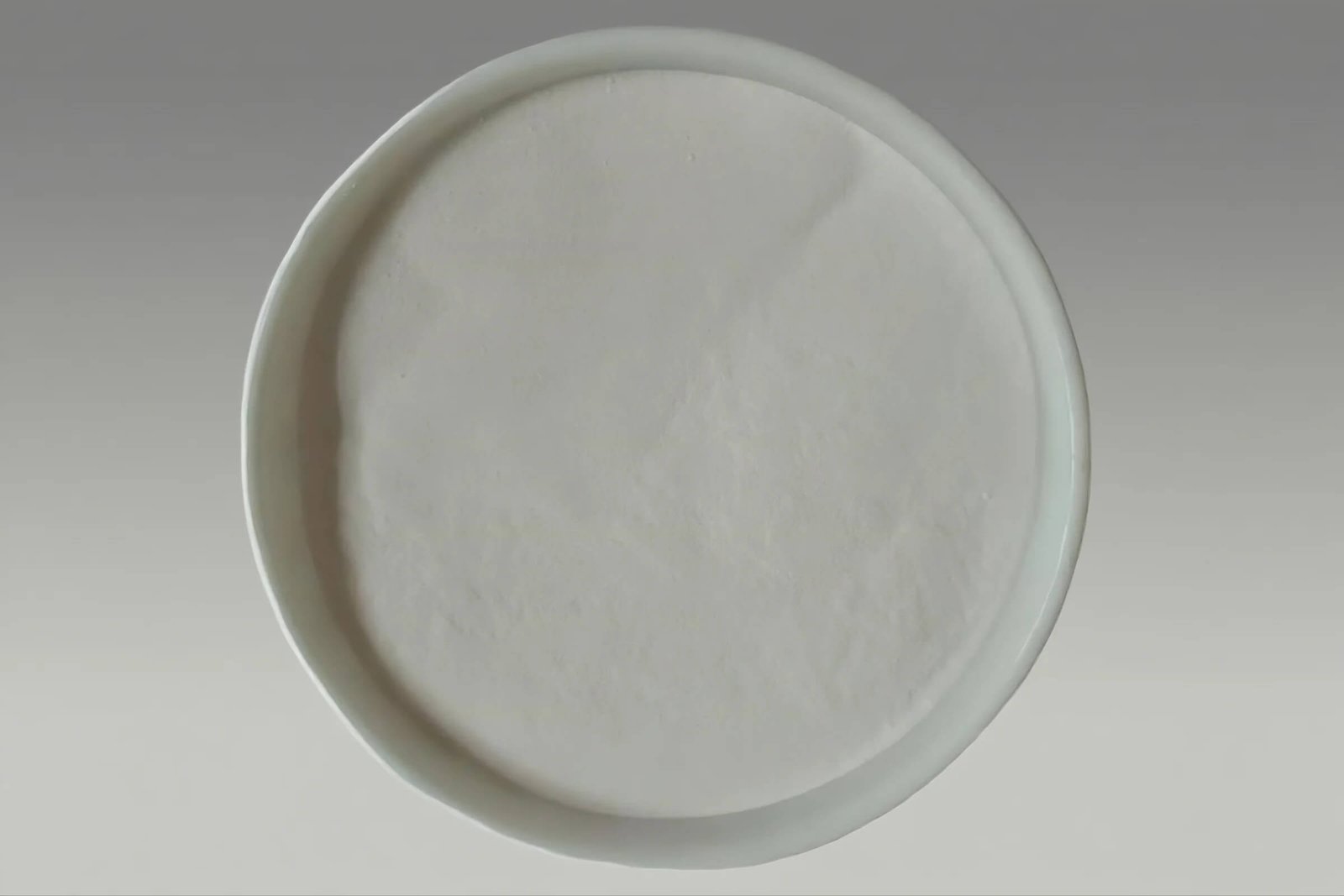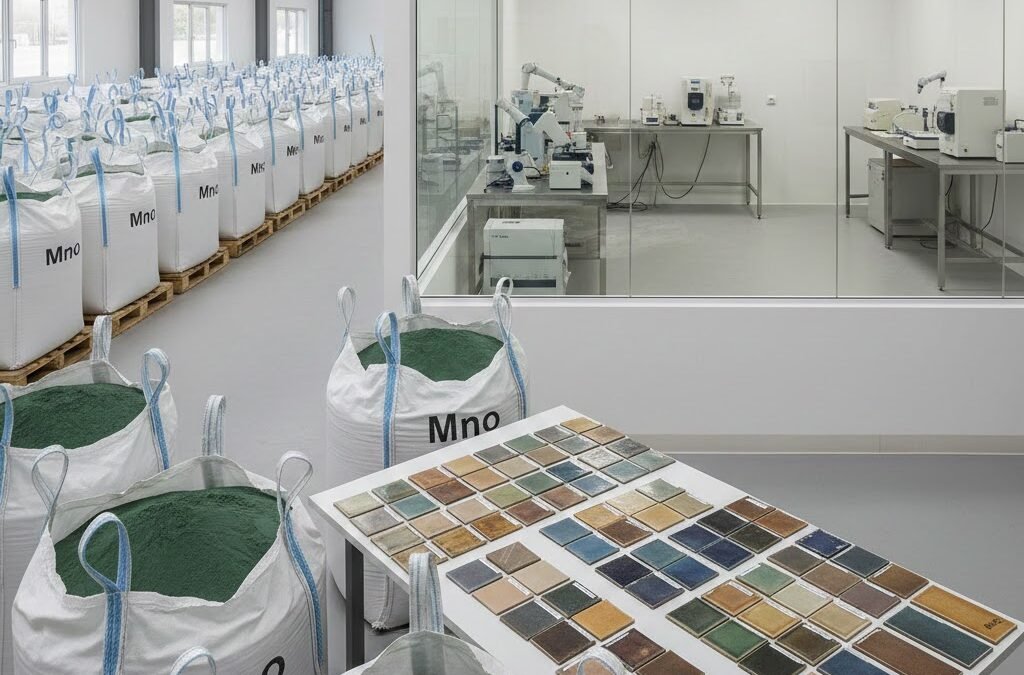
Manganese monoxide (MnO) is a critical raw material in ceramic production, particularly for glazes, pigments, and kiln fluxes. Its purity, particle size, and impurity profile directly influence the color, texture, and structural integrity of ceramic products. High-quality MnO ensures consistent color development, reduces defect rates, and improves firing stability. Typical industry specifications for ceramics include Mn content of 60–72%, purity above 98%, and particle size D50 of 5–20 µm. Choosing a reliable supplier is essential for achieving repeatable results and maintaining production efficiency. This article guides technical buyers and procurement teams on sourcing, evaluating, and verifying MnO for ceramic applications.
Technical Background
What is Manganese Monoxide?
Manganese monoxide (MnO) is an inorganic compound consisting of manganese in its +2 oxidation state combined with oxygen. It appears as a green or grayish powder and is used primarily as:
A colorant in ceramic glazes and enamel (produces pink, brown, and purple tones depending on concentration and firing atmosphere)
A fluxing agent in kiln ceramics to lower the melting point of glazes
An additive in special ceramic pigments for decorative or functional surfaces
Its chemical stability and low impurity levels are critical for predictable color outcomes and firing behavior.
Importance in Ceramics
In ceramic formulations, MnO influences:
Color Control: Manganese ions interact with silica, alumina, and other oxides to produce specific colors. Variability in purity or particle size can lead to color inconsistency.
Firing Performance: Impurities such as Fe, Pb, or Cu can alter glaze viscosity, affect melting temperature, and increase defect rates like pinholing or blistering.
Structural Integrity: MnO can modify the thermal expansion of glazes, reducing cracking or crazing during cooling.
Key Supplier Selection Criteria
1. Purity and Chemical Composition
Target range for ceramics: Mn content 60–72%, purity ≥98%
Impact: High Mn content ensures the expected color intensity; low impurities minimize firing defects.
Analytical method: ICP-OES or ICP-MS to verify manganese and trace metal levels (Fe, Pb, Cu, Ni, As).
2. Particle Size and Distribution
Recommended particle size: D50 = 5–20 µm
Impact: Uniform particle size improves glaze homogeneity, reduces sedimentation, and ensures predictable reaction kinetics during firing.
Testing: Laser diffraction (ISO 13320).
3. Moisture and Loss on Ignition (LOI)
Typical moisture content: ≤0.5%
LOI: 2–4%
Impact: Excess moisture can cause clumping, reduce flowability, and affect mixing; LOI reflects the stability and expected weight loss at high firing temperatures.
4. Impurity Control
Heavy metals limit: Fe ≤500 ppm, Pb ≤50 ppm, Cu ≤50 ppm
Impact: Prevents color contamination and reduces glaze defects; critical for ceramics with food contact or decorative use.
Specification Table for Ceramics-Grade MnO
| Parameter | Typical Ceramic Grade Range | Why It Matters |
|---|---|---|
| Purity (%) | ≥98 | Stable color and firing behavior |
| Mn content (%) | 60–72 | Determines color intensity |
| Mesh size | 325–400 mesh | Ensures uniform dispersion |
| D50 (µm) | 25–45 | Correlates with mesh classification |
| Fe (ppm) | ≤500 | Prevents color contamination |
| Pb (ppm) | ≤50 | Safety and compliance |
| Moisture (%) | ≤0.5 | Storage and flowability |
| LOI (%) | 2–4 | Thermal stability in kiln |
Recommended Mesh Size by Ceramic Application
1. Ceramic Glazes (Functional & Decorative)
Typical requirement: 325–400 mesh
Reason:
Ensures smooth glaze surface
Reduces undissolved MnO particles
Improves color uniformity after firing
Equivalent D50: ~30–45 µm
325 mesh MnO is widely accepted as the standard ceramic glaze grade in international trade.
2. Ceramic Pigments & Color Bodies
Typical requirement: 400–600 mesh
Reason:
Finer particles react more completely with silica and alumina
Improves chromatic stability
Reduces color speckling or shade deviation
Equivalent D50: ~20–30 µm
Higher mesh MnO is often required for precision pigments used in tiles, sanitaryware, and decorative ceramics.
3. Ceramic Fluxes & Structural Ceramics
Typical requirement: 200–325 mesh
Reason:
Coarser particles are acceptable when MnO is used mainly as a flux
Lower milling cost
Reduced dust generation
Equivalent D50: ~45–75 µm
Industrial ceramic bodies typically do not require ultra-fine MnO.
Performance Impact
Color Development
MnO reacts with silica and alumina to produce pinks, browns, and purples depending on kiln atmosphere (oxidation vs. reduction).
Purity variation of ±1% Mn can shift color tone by several shades.
Firing Stability
Controlled particle size ensures uniform melting and reduces glaze defects such as pinholes, blistering, or uneven gloss.
LOI affects weight consistency during firing, impacting surface finish and shrinkage.
Production Consistency
Reliable suppliers provide batch-to-batch reproducibility, crucial for decorative ceramics and large-scale production.
Heavy metal control prevents unanticipated color or surface defects.
Quality Control & Testing
Key Methods
ICP-OES / ICP-MS: Verifies manganese content and heavy metals.
Laser Diffraction: Determines particle size distribution.
Moisture / LOI: Oven drying and muffle furnace tests.
Sampling Principles: Ensure representativeness by mixing multiple containers from the same batch; avoid top-layer only sampling.
COA Requirements
Must include Mn content, purity, particle size, Fe/Pb/Cu levels, moisture, and LOI.
Verify consistency with previous batches or benchmark values.
Purchasing & Supplier Evaluation
Grades
Ceramic-grade MnO: ≥98% purity, controlled particle size, low heavy metals
Industrial grade: Lower purity (96–97%), may be acceptable for non-decorative ceramics
Battery/chemical grade: Higher Mn content, usually ≥99%, may not justify higher price for ceramic applications
Packaging & Logistics
Common: 25–50 kg kraft bags with polyethylene liner
Store in dry, ventilated area to prevent caking
HS code: 280530 (Manganese oxides)
Pricing Factors
Purity and Mn content: High-purity MnO commands premium prices (≈ USD 3,500–5,500/ton for 99% MnO)
Particle size refinement: Fine, uniform powders cost more due to milling and classification
Volume & shipping: Bulk orders reduce per-ton cost; import tariffs and logistics affect landed price
Supplier Verification
Review production methods: Electrolytic vs. chemical reduction
Inspect TDS and COA for critical parameters
Ask for sample testing before mass orders
How to Source MnO for Ceramics
Identify potential suppliers: Search for industrial chemical suppliers or manganese oxide manufacturers.
Request COA and TDS: Confirm purity, particle size, and heavy metals.
Evaluate production capability: Large-scale, consistent output reduces batch variability.
Check references or third-party reviews: Prior experience in ceramics is preferred.
Sample testing: Conduct lab trials to verify color, firing behavior, and particle dispersion.
FAQ
What Mn content is ideal for ceramic glazes?
60–72% Mn content ensures predictable color development.What particle size works best for glazes?
D50 of 5–20 µm allows uniform dispersion and consistent firing.Why is LOI important in MnO?
LOI reflects expected weight loss during firing, impacting glaze behavior and shrinkage.How are heavy metals controlled?
Reliable suppliers analyze Fe, Pb, Cu, Ni, and As via ICP-OES or ICP-MS, keeping levels below specified ppm limits.Which grade of MnO is suitable for ceramics?
Ceramic-grade with ≥98% purity, controlled particle size, and low impurities.How should MnO be stored?
Dry, ventilated storage in sealed bags to avoid moisture and caking.How does particle size affect color?
Finer particles react more uniformly, producing even color; coarse or broad distribution can cause shading inconsistencies.
Practical Procurement Checklist
Confirm Mn content ≥60% and purity ≥98%
Check particle size D50 5–20 µm
Review Fe, Pb, Cu levels in COA
Validate moisture ≤0.5% and LOI 2–4%
Sample-test in target glaze or firing conditions
Confirm supplier production method and batch reproducibility
Evaluate packaging and storage conditions
Request bulk pricing and shipping terms for cost-effective sourcing
Related Products

manganese dioxide

manganese carbonate

manganese sand
Related Posts

I am Edward lee, founder of manganesesupply( btlnewmaterial) , with more than 15 years experience in manganese products R&D and international sales, I helped more than 50+ corporates and am devoted to providing solutions to clients business.