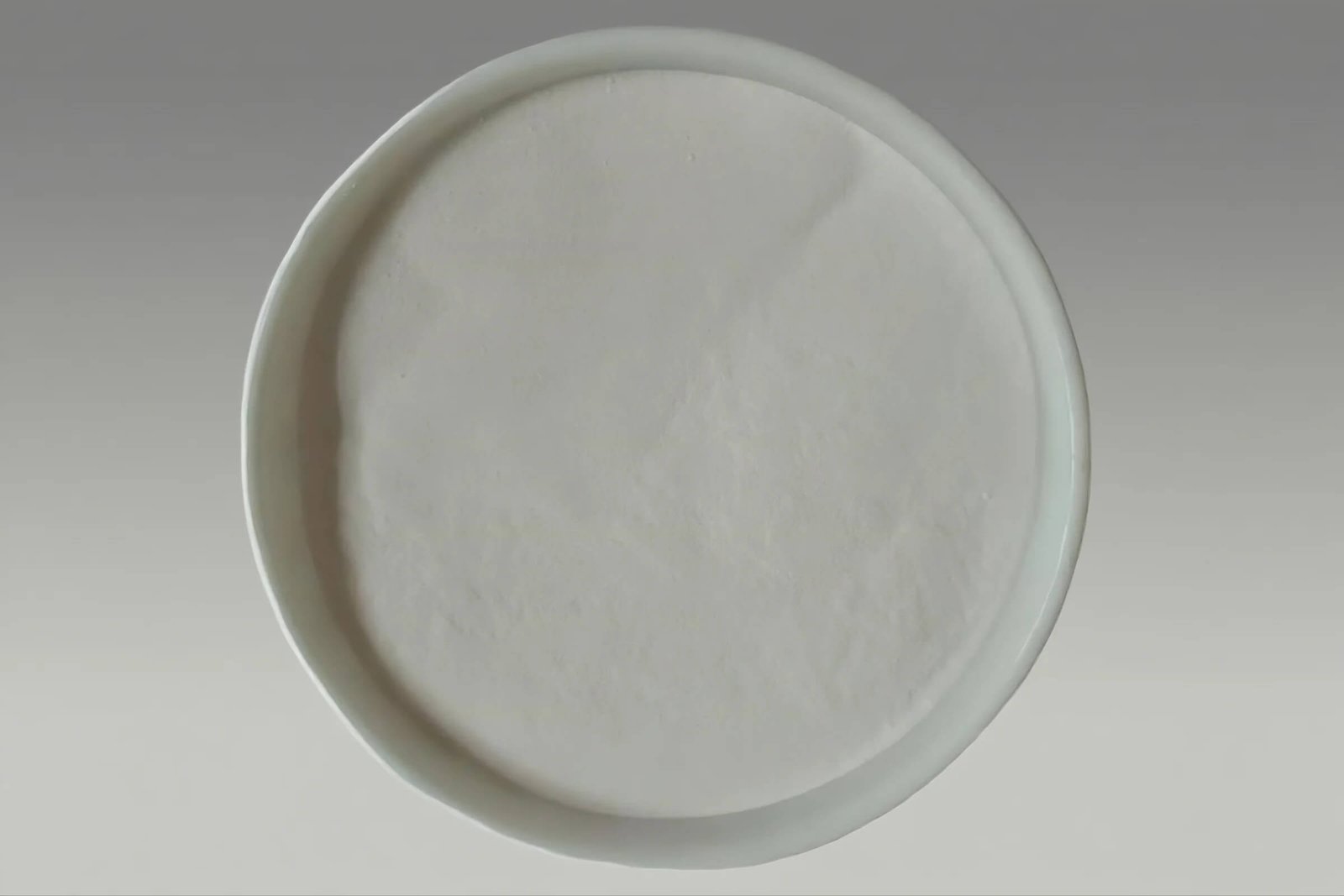
Manganese carbonate (MnCO₃) is an important material in many industries — from steel to fertilizers to batteries. But not all manganese carbonate is the same. Natural (mined) and synthetic (chemically made) forms differ in ways that matter for quality, cost, and performance. In this post we compare natural vs synthetic manganese carbonate, using real data, published studies, and industry norms. The goal is to help manufacturers, buyers, engineers, and researchers make informed decisions.
Chemical formula: MnCO₃.
Natural form: The mineral rhodochrosite is a common natural manganese carbonate. It often contains other elements (impurities) like iron (Fe), calcium (Ca), magnesium (Mg), etc.
Synthetic form: Made by precipitation or other chemical processes (e.g. reacting a soluble Mn(II) salt with a carbonate source), allowing tighter control of purity, particle size, and other properties.
Natural Manganese Carbonate: Characteristics
Here are key features of natural manganese carbonate:
| Property | Typical Values / Range | Implications |
|---|---|---|
| Manganese content (Mn %) | Natural rhodochrosite sometimes ~ 44-46% Mn in high‐grade ore; in lower grade or mixed ore, lower. For example, some natural ores have ~ 46% Mn, ~2% Fe, ~8% SiO₂, etc. | If Mn% is lower, you need to use more material; impurities may affect reactions or product properties. |
| Impurities | Iron, silica, calcium, magnesium, etc. Rhodochrosite often has small substitutions (Fe²⁺ ↔ Mn²⁺), and associated minerals. Eg: in some natural rhodochrosite, MgCO₃ ~7%, CaCO₃ ~2%. 矿物学会+1 | These impurities can influence chemical reactivity, color, thermal stability, conductivity, etc. |
| Particle size / morphology | Natural samples often coarse, irregular crystals; varied particle size; not uniform. Specifics depend on mining, crushing, milling. Very little published standard natural particle size distribution for raw ore. | Irregular particle size often leads to inconsistent behavior in chemical, thermal, or battery uses; slower dissolution or reaction. |
| Availability / Cost | Natural ore is mined; geographic and logistical constraints; cost lower for bulk, low-purity uses. | Good for applications with low purity requirements (e.g. some steel or fertilizer uses). But for high-end uses, natural may need further purification, raising cost. |
Synthetic Manganese Carbonate: Characteristics
Here are what synthetic (chemically produced) manganese carbonate typically offers:
| Property | Typical Values / Range | Source / Example | Implications |
|---|---|---|---|
| Manganese content (Mn %) / Purity | • Battery-grade or high-purity synthetic: “≥ 99% MnCO₃ content” (i.e. almost pure MnCO₃) • Industrial synthetic grade: ≥ 44-46% Mn for many uses (manganesesupply) | In battery precursor contexts, high-purity is needed. Impurities like Fe, Ni, Cu must be very low (e.g. Fe ≤ 50 ppm, Ni/Cu ≤ 10 ppm) in some battery grade specs. (manganesesupply) | High purity reduces side reactions, improves performance, safety, and cycle life in demanding applications. |
| Particle size / morphology | • In battery precursor or fine chemical use: D50 (median particle diameter) ~ 5-10 µm, sometimes tighter distributions. • Nanoparticles: e.g. in research, MnCO₃ nanoparticles ~ 54 ± 12 nm used as precursor for spinel LiMn₂O₄ in lab scale. • For animal feed grade: mesh sizes like 200-325 mesh for poultry (which corresponds to ~44-74 µm), 100-200 mesh (≈74-150 µm) for larger animals. | Smaller, uniform particles allow better reaction control, more uniform mixing, faster conversion (thermal, chemical), improved performance in batteries, etc. Larger particles easier to handle, less dust, but slower reaction. | |
| Control over impurities | Very low levels of undesirable metals / alkali / earth metals; fine control via chemical purification, washing, process design. E.g. synthetic processes that purify from manganese sulfate, or use precipitation methods that remove Ca, Mg, etc. (Google Patents) | Critical when the downstream process is sensitive — e.g. cathode materials, electronics. | |
| Cost, reproducibility, supply | Higher cost per ton compared to low-grade natural; but more reproducible and more reliable quality. Synthetic production can be scaled, but energy and chemical inputs cost. | For high-end applications, the additional cost is often justified. For bulk, low requirement uses, synthetic may be overkill. |
Key Differences: Side by Side Comparison
Here is a comparative table summarizing the major differences:
| Factor | Natural Manganese Carbonate (MnCO₃) | Synthetic Manganese Carbonate |
|---|---|---|
| Source | Mined ore (rhodochrosite etc.), possibly with mixed associated minerals. | Chemical precipitation, controlled manufacture from Mn salts. |
| Purity (Mn content) | Often 44-46% for good native ore; lower in mixed ore. Impurity levels higher. | Can reach > 99% MnCO₃ content for high/premium grade; industrial synthetic ~44-46%. |
| Impurities | Fe, Si, Mg, Ca etc present; sometimes variable; may require beneficiation. | Low Fe, Ni, Cu; careful process control; often meet tight specs (ppm levels). |
| Particle Size & Morphology | Irregular crystals; wide size distribution; often coarse. | Uniform particle size, tight distribution; small particles (~5-10 µm), sometimes nano scale for specific uses. Spherical or desired shapes possible. |
| Reactivity / Dissolution Behavior | Slower dissolution; inconsistent reaction due to impurities and particle size variation. | Faster, more predictable reactions; better for thermal decomposition, battery precursor conversion. |
| Cost | Lower raw material and mining cost for large volume/low-spec uses; less processing required for low spec. | Higher production cost (chemicals, energy, purification), but cost/benefit favorable for high spec uses. |
| Applications | Steel additive, fertilizers, feed (where purity less critical), pigments, low-end chemicals. | Battery cathodes precursors, electronics, fine chemicals, high performance ceramics. |
| Availability & Lead Time | Natural ore dependent on mining, transport, season, quality variation. | More controllable; supply chain easier to manage for synthetic with good production. |
Applications: Where Natural vs Synthetic Matters
Below are specific industries/applications, with real data about how differences matter.
| Application | Purity / Mn% Needed | Particle Size Needed / Typical | Why These Levels Matter |
|---|---|---|---|
| Battery precursors (e.g. LiMn₂O₄, NCM cathodes) | Battery-grade MnCO₃: ≥ 99% MnCO₃; Fe ≤ 50 ppm; Ni, Cu ≤ 10 ppm. (manganesesupply) | Particle size D50 ~ 5-10 µm; narrow size distribution. (manganesesupply) | Impurities cause defects, side reactions, capacity fade. Small, uniform particles ensure better mixing, uniform heat treatment, better cathode formation. |
| Steelmaking / Metallurgy | Lower purity acceptable; natural ore with ~ 44-46% Mn may be fine. Impurities of Fe, Si tolerated to some degree. | Larger, coarser particles; not very fine needed. | Steel process tolerates some impurities; cost sensitivity high. For deoxidation, manganese source may be oxidized; reaction kinetics less sensitive to size. |
| Animal feed / Fertilizer | For feed grade: ≥ 44% Mn; low levels of harmful metals (Pb, Cd, etc). (manganesesupply) | Mesh sizes for feed: poultry 200-325 mesh (~44-74 µm), larger animals 100-200 mesh (~74-150 µm). (manganesesupply) | Smaller particles help mixing and digestion in feed; larger particles reduce dust, ease handling. Purity ensures safety. |
| Lab / Research / Specialty chemicals | Very high purity often required; in research you want well-characterised materials. Synthetic sources used. | Depending on experiment: sometimes nano, sometimes micro; very controlled morphology. | Impurities or size variation can distort experimental results; reproducibility important. |
| Pigments, Ceramics, Glass | Moderate to high purity; color effects, thermal behavior can be influenced by impurities. | Fine particles often better for color uniformity, smooth surface; particle sizes perhaps a few microns to tens of microns. | Uniform color, consistent melting, firing behavior depend on purity and size. |
Data Examples and Studies
One study on battery precursors indicates that battery-grade MnCO₃ should have ≥ 99% content of MnCO₃, Fe ≤ 50 ppm, Ni, Cu ≤ 10 ppm, moisture ≤ 0.5%, and D50 particle size ~ 5-10 µm.
In feed grade, one guideline says for poultry, mosaic of 200-325 mesh (~44-74 µm), and for larger animals 100-200 mesh (~74-150 µm). Purity at least ~ 44% Mn.
In a lab synthesis for spinel LiMn₂O₄, researchers used MnCO₃ nanoparticles of around 54 ± 12 nm diameter.
Natural rhodochrosite often contains ~ 7% MgCO₃ and ~2% CaCO₃ impurities.
Historical mining data: Manganese ore in Virginia mines had ~ 46% Mn, ~ 2% Fe, ~ 8% silica.
Why the Differences Arise
To understand why synthetic and natural differ, here are the underlying principles:
Geology vs Chemical Control
Natural manganese carbonate forms in geological environments with many variables: mineral associations, temperature, pressure, presence of other ions, etc. Impurity substitution (e.g. Fe²⁺ replacing Mn²⁺) is common. Synthetic processes occur in controlled reactors: pH, temperature, reagents, purity of inputs, etc., so fewer variables.Particle Growth & Morphology
Natural crystals grow over long time, irregularly. Synthetic precipitation allows control: rate of addition, mixing, pH, stabilizers, surfactants, temperature, which influence nucleation and growth. This lets one get uniform particle size, narrow distribution, even spherical or other shapes.Impurity Incorporation and Removal
In natural ores, impurities are inherent; separate removal (beneficiation, washing) costs money. In synthetic, one can design steps to avoid introducing impurities, or to wash them out. Also, chemicals used (salts, carbonate source) can be purified.Cost vs Performance Trade-off
Producing high purity, fine particles, with tight specifications raises cost: more steps, more reagent, energy, more quality control. Natural, lower purity, coarser particles cost less, but performance lower in sensitive applications.
When to Use Natural vs Synthetic
Here are guidelines to help decide which type to use in a given situation:
| Decision Criterion | If you choose Natural | If you choose Synthetic |
|---|---|---|
| Required purity / allowed impurity tolerance | If the downstream process tolerates some impurity (steel, bulk fertilizers, feed), natural may suffice. | If extremely low levels of Fe, Ni, Cu etc are required (batteries, electronics), synthetic is needed. |
| Particle size / uniformity needed | If large particles or coarse size acceptable, natural plus milling may work. | When you need specific size (e.g. 5-10 µm, or nano size), or narrow distribution, synthetic offers better control. |
| Cost sensitivity | If price per ton is critical, and performance risk acceptable, natural is lower cost. Natural may require less processing. | When performance, safety, lifetime, consistency matter more than raw material cost, synthetic cost is justified. |
| Volume and supply consistency | Natural supply may fluctuate in quality, availability, mining issues. | Synthetic supply can be more consistent, provided the manufacturing setup is stable and scalable. |
| Regulation / safety / environmental concerns | For feed, fertilizer, environmental uses, impurity standards / heavy metal regulations may limit use of lower purity natural materials. | Synthetic can be designed to meet regulations more reliably. |
Real Cost / Market Considerations
Synthetic, battery-grade manganese carbonate commands higher price due to purification, tight specs, small particle size, certifications. Some industry sources note synthetic battery-grade MnCO₃ price in China export in 2024 around USD 900-1,200/ton for good quality. (This is a sample / approximate figure; real quotes vary by supplier, purity, volume). manganesesupply
Natural ore prices are much lower per ton, especially for low grade or bulk uses, but additional processing (crushing, milling, beneficiation) adds cost.
If using natural for high-performance applications, cost of additional processing + risk of inconsistent performance might outweigh savings in raw material.
Risks & Considerations
Impurity effects: Some impurities may catalyze unwanted reactions (in batteries cause side reactions), or degrade in heat, or cause color defects.
Particle size effects: If particles are too big or uneven, reaction kinetics, thermal decomposition, mixing will be uneven; may reduce yield, performance.
Moisture content: High moisture can lead to caking, poor handling, variable weight, negative impact in battery precursors. Synthetic more controllable.
Supply chain and reproducibility: Natural materials vary batch to batch; synthetic can give more reproducible quality.
Environmental & regulatory compliance: Natural mining has environmental cost; trace metal pollutants may need to be controlled; synthetic processes may also produce chemical wastes.
Summary: Pros & Cons
| Pros | Natural Manganese Carbonate | Synthetic Manganese Carbonate |
|---|---|---|
| Lower cost for lower spec applications | ???? | — |
| Widely available (where ore exists) | ???? | — (but synthetic is globally scalable) |
| Lower energy for raw extraction (but may need milling, beneficiation) | ???? | — (chemical costs, energy, reagents) |
| Natural “green” image in some contexts | ???? | — |
| High purity, consistent quality | — | ???? |
| Controlled particle size, shape, narrow distribution | — | ???? |
| Better suited for high performance, safety sensitive applications | — | ???? |
| Less risk of impurity-related failures | — | ???? |
Practical Recommendations for a Carbonate Manganese Factory
If you are a manufacturer or potential buyer, here are practical steps:
Define Specification Requirements Up Front
Know what your customer / process requires: minimum Mn content, max allowed impurity levels (Fe, Ni, Cu, Pb, etc.), particle size (D50 or mesh), shape, moisture content.Test & Certify
Always get a Certificate of Analysis (CoA) from supplier, or run your own lab tests for purity, particle size distribution, moisture, heavy metal impurities.Consider Blending or Purification
If natural ore is used, you might purify via washing, beneficiation, or mix with higher purity synthetic material to meet specs.Control Particle Size & Morphology in Production
In synthetic production, use controlled precipitation, surfactants, controlled pH and temperature, to get uniform particles. In natural ore processing, ensure milling, classification, sieving to meet desired size.Account for Total Cost of Ownership
Not just raw material cost: consider downstream costs, yield losses, quality failures, scrap, performance, lifetime. Synthetic may cost more upfront but save in later stages.Regulatory & Environmental Compliance
Especially for feed, fertilizers, batteries — ensure compliance with heavy metal limits. Monitor environmental impact of mining or chemical synthesis.
Conclusion
In short: natural manganese carbonate is cheaper and suitable for bulk, less sensitive applications; synthetic manganese carbonate costs more but offers higher purity, better particle size control, and is necessary for high performance or safety sensitive uses (batteries, electronics, etc.).
Related Products

manganese dioxide

manganese carbonate

manganese sand
Related Posts

I am Edward lee, founder of manganesesupply( btlnewmaterial) , with more than 15 years experience in manganese products R&D and international sales, I helped more than 50+ corporates and am devoted to providing solutions to clients business.