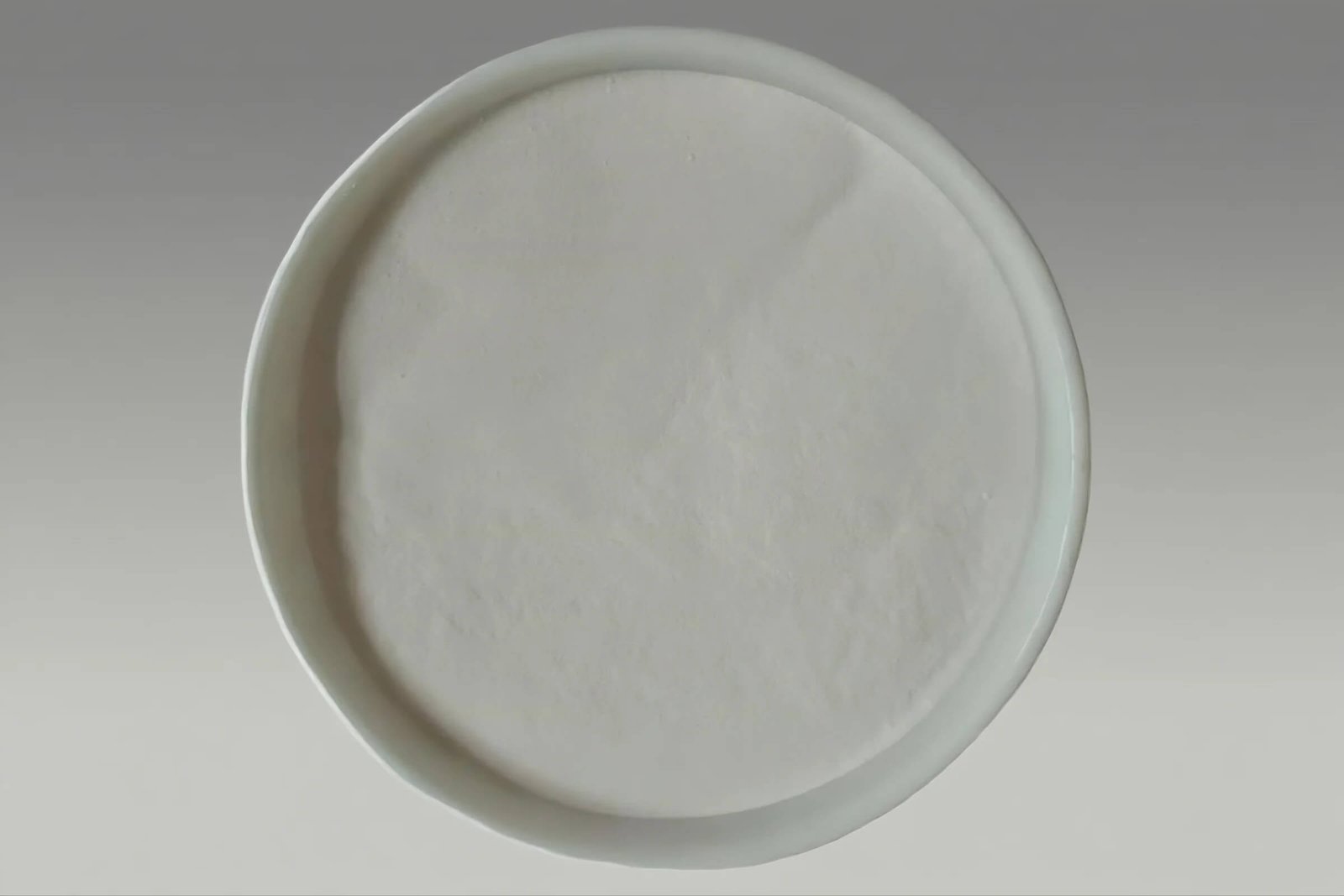
When you conduct quality control for manganese carbonate, there are several factors to consider. The primary tests include assessing chemical purity, particle size, and moisture content. Additionally, it’s essential to evaluate bulk density, appearance, and color. The practices of the supplier play a crucial role in maintaining product consistency.
Effective traceability and adherence to ISO standards are vital for ensuring the origin of your manganese carbonate and confirming its quality.
- Do chemical purity tests to make sure manganese carbonate is good enough for use. High purity is very important for things like batteries and electronics.
- Check particle size to see how well manganese carbonate will mix and react. Small particles dissolve faster and work better.
- Watch moisture content to stop clumping and spoilage. Keeping moisture low helps with safe storage and shipping.
- Check if the supplier has ISO certification. Certified suppliers follow strict rules for quality and safety. This makes their products more reliable.
- Keep track of where raw materials come from to find problems early. Knowing the source of manganese carbonate helps keep quality and follow rules.
Quality Control for Manganese Carbonate
Chemical Purity Tests
You have to check how pure manganese carbonate is for industry use. Purity shows how much manganese is in the product. If purity is high, there are fewer other elements. Chemical analysis helps you find out the purity. This is important because different jobs need different grades. For example, battery makers want higher purity than people making ceramics.
You can see purity levels in this table:
| Purity Level | Description |
|---|---|
| Below 44% | Less manganese in the product |
| 44%-46% | Normal grade for most industries |
| Above 46% | More manganese for special uses |
You need to pick the right purity for your standards. If you use manganese carbonate as an oxidant, desiccant, or glazing agent, you must follow strict rules. These rules help stop problems in your finished product. Chemical purity tests also let you check how well manganese ore beneficiation and manganese ore processing work. When you do quality control, you make sure your product is good enough.
Particle Size Analysis
Particle size changes how manganese carbonate works in your process. You use particle size analysis to see if the powder is fine or coarse. This test helps you meet the right grade for your job. Fine particles dissolve faster and react better in chemical jobs. Coarse particles may not mix well or may sink.
You can use sieves or laser tools to check particle size. Quality control always includes this step to keep your product the same every time. If you skip this test, you might have problems with quality or how it works. Particle size analysis also helps you watch how manganese ore beneficiation is going. By following these steps, you make sure your product is what your customers want.
Moisture Content
Moisture content shows how much water is in your manganese carbonate. Too much water can make it clump or spoil. You need to keep moisture at the right level for your grade. You can use drying ovens or moisture analyzers to test this.
Quality control always checks for moisture. If you control moisture, you keep your product safe when you store or ship it. This step also helps you meet standards and stop waste. Moisture content analysis is important because water can get in during manganese ore beneficiation. By testing for moisture, you keep your manganese carbonate safe and useful.
Tip: Always write down your test results. Good records show you follow quality control and meet standards.
Physical Properties

Bulk Density
Bulk density shows how much space manganese carbonate takes up. You find this by weighing it and checking its volume. This helps you know how to store and move it. If bulk density is low, you need bigger containers. If it is high, the powder might pack too tight and cause issues.
You should test bulk density with every new batch. This keeps your process steady and safe. Bulk density can change if particle size or shape changes. The shape of the particles, called morphology, is important too. Different shapes can change how the powder flows and mixes. You want shapes that help your process work well.
Here is a table with key physical properties for manganese carbonate:
| Property | Importance |
|---|---|
| Purity | High purity is needed because impurities can change how it works. |
| Particle Size | Smaller particles react and dissolve better, which helps in many uses. |
| Morphology | The shape of particles can change how well it works. |
Tip: Always use the same way to test bulk density. This makes your results correct and easy to compare.
Appearance and Color
You can learn a lot about manganese carbonate by looking at it. It should be a light pink or light brown powder. If it looks different, there may be impurities or a problem. A uniform color means it is mixed well and pure.
You should also look at the particle size. The powder should look even, with no big lumps. If you see uneven pieces, it may not work well.
Here is a table that shows what to expect for appearance and color:
| Characteristic | Description |
|---|---|
| Appearance | Light pink or light brown powder |
| Particle Size | Even particle size |
When you check how it looks and its color, you find problems early. This helps you stop issues in your final product. You keep your manganese carbonate at the right quality for your needs.
Safety and Compliance
Heavy Metal Screening
You always need to check manganese carbonate for heavy metals. These metals can hurt people and the environment. You must follow strict rules to keep your product safe. Heavy metal screening finds things like lead, cadmium, and arsenic. These can get into manganese during mining or processing. You use special tests to look for these metals. If you find too much, you cannot use the product. You must follow the rules to protect people and nature.
You should always follow safety and regulatory rules when testing. These rules help keep manganese safe for use. They also show you care about quality. Many industries want you to meet standards for heavy metals. You must test every batch to follow the rules. This step helps you avoid trouble and keeps your product trusted.
Note: Always write down your test results. Good records help you show you follow the rules and standards.
Environmental Standards
You must follow environmental rules when working with manganese carbonate. These rules help protect nature and keep you in compliance. You need to know the rules where you work. Rules can be different in each place. You must check local, national, and world rules. These rules tell you how to store, use, and throw away manganese.
You must also follow rules for emissions and waste. These rules help keep air, water, and soil clean. You need to teach your team about safety and compliance. Good training helps stop accidents and reach quality goals. You must change your process when rules change. This keeps your business safe and strong.
You can use this checklist to help you follow the rules:
- Look for new rules often.
- Teach your team about safety and compliance.
- Keep records of all tests and actions.
- Check your process to meet new rules.
Tip: Following the rules helps you earn trust from customers and regulators. It also keeps your business safe from fines and shutdowns.
Supplier Practices and Traceability
ISO Certification
You should check if your manganese supplier has ISO certification. This helps you trust their product and how they make it. ISO certification means the supplier follows strict rules for quality, safety, and the environment. When you pick a certified supplier, you get better results. The table below explains what each ISO standard does for you:
| Certification | Standard & Scope | Benefit to You |
|---|---|---|
| ISO 9001:2015 | Quality Management | Consistent batch-to-batch purity |
| ISO 14001:2015 | Environmental Management | Verified low-emission operations |
| ISO 45001:2018 | Occupational Health & Safety | Safe handling & reduced downtime |
You want your manganese carbonate to be the same every time. ISO 9001:2015 helps make sure of that. ISO 14001:2015 shows the supplier cares about nature. ISO 45001:2018 keeps workers safe and stops problems. These standards make your supplier more trustworthy. You also follow the rules more easily with certified suppliers. Many industries need these standards for manganese products.
Tip: Always ask your supplier to show proof of ISO certification before you order. This keeps your business safe and helps you reach your quality goals.
Raw Material Source
You should always know where your manganese comes from. Traceability lets you track the raw material from the mine to your factory. This helps you find problems early and avoid risks. Good suppliers keep records of the mine, transport, and processing steps. You get better quality when your supplier traces every step.
Suppliers who use traceability help you follow industry rules. You avoid hidden impurities and get pure manganese carbonate. You also support safe mining and fair work. Many buyers want traceability to meet world standards and protect their brand.
- Check if your supplier tells you the mine location.
- Ask for records for each batch.
- Make sure the supplier follows traceability rules.
When you know the raw material source, you control the quality of your manganese carbonate. You also follow the rules and meet industry standards. This step builds trust with your customers and helps you avoid big mistakes.
Ultra-Pure Manganese Carbonate
Advanced Purification
Ultra-pure manganese carbonate is needed for special jobs. These jobs need the highest purity. This chemical has almost no impurities. It is used in advanced electronics, strong batteries, and medicine. Even a small impurity can cause big problems here.
To get this purity, you use special cleaning steps. These steps remove things you do not want. You can use crystallization, chemical precipitation, or ion exchange. Each step removes a different impurity. You check the purity after each step. This careful work gives you ultra-pure manganese carbonate that meets strict rules.
More companies want ultra-pure manganese carbonate now. They use it for new electronics and making medicine. You must pick the right cleaning steps for your needs. Using ultra-pure manganese carbonate helps your products work better.
- Ultra-pure manganese carbonate is important for high-tech jobs, like making semiconductors, where even tiny impurities can cause problems.
- Regular industrial-grade manganese carbonate is okay for some batteries and electronics, where a few impurities are not a problem.
- More people want ultra-pure materials for new electronics and strong batteries, so this area is growing.
Tip: Always ask for a certificate of analysis when you buy ultra-pure manganese carbonate. This paper shows the purity and quality.
Testing Methods
You need special tests to check if ultra-pure manganese carbonate is clean. These tests look for even tiny bits of impurities. You might use atomic absorption spectroscopy, inductively coupled plasma mass spectrometry, or X-ray fluorescence. Each test helps you see if the cleaning worked.
You must test every batch before using it in medicine. The purity must meet strict rules for medicine ingredients. You also check for heavy metals and other bad things. If you find any impurity, you must clean it again or not use it.
Medicine makers need ultra-pure manganese carbonate for safe and good medicine. It is used in making medicine and other things that need high purity. You must keep good records of every test. This helps you prove the quality and where your ultra-pure manganese carbonate came from.
Note: Testing is not just about following rules. It keeps your good name and makes sure your medicine is safe.
Interpreting Results
Acceptable Ranges
You have to know what the numbers mean in your test results. Each property has a range that shows if your product is good. If your numbers are in these ranges, your manganese carbonate is okay for industry use. If your numbers are not in the range, you might have trouble.
Here is a table with common acceptable ranges:
| Property | Typical Range |
|---|---|
| Purity | 44% – 46% (industrial) |
| Particle Size | 10 – 50 microns |
| Moisture Content | Less than 1% |
| Bulk Density | 1.5 – 2.0 g/cm³ |
| Heavy Metals | Below legal limits |
You should always check your results against these ranges. If a number is outside the range, look at your process. Sometimes you need to test again to make sure.
Tip: Always write down your results. This helps you see problems early and fix them.
Impact on Usability
Your test results tell you how you can use manganese carbonate. If purity is high, you can use it in batteries or electronics. If purity is low, it may only work for ceramics or animal feed. Small particles dissolve fast and work better in chemical jobs. Big particles may not mix well.
If there is too much moisture, the powder can stick together or go bad. If bulk density is low, you need more space to store it. If heavy metals are high, the product is not safe.
- Pick high-purity manganese carbonate for important jobs.
- Choose the right particle size for your needs.
- Watch moisture and heavy metals to keep your product safe.
Remember: Good results mean your manganese carbonate will work well and make your customers happy.
You should test manganese carbonate to make sure it is good. These tests look at purity, particle size, and moisture. If your supplier follows good rules, you can trust the product. When you use standards, you meet what industries want. Testing often keeps manganese carbonate safe for all uses. Checking quality all the time helps you get great results, no matter if you use industrial-grade or ultra-pure manganese carbonate.
FAQ
What is the most important test for manganese carbonate quality?
You should check chemical purity first. This test shows how much manganese is in your product. High purity helps it work better in most industries.
Why does particle size matter for manganese carbonate?
Particle size changes how your product mixes and dissolves. Fine particles work better in chemical jobs. Coarse particles can mix unevenly or react slowly.
How do you store manganese carbonate safely?
Keep manganese carbonate in a dry, cool spot. Use sealed containers to block moisture. Put clear labels on every container. This stops clumping and keeps your product safe.
Can you use industrial-grade manganese carbonate in food or medicine?
No, you cannot use industrial-grade manganese carbonate in food or medicine. You need ultra-pure grades for those jobs. Always check the grade before you use it.
What should you do if test results fall outside acceptable ranges?
- Do not use the batch.
- Check your process for mistakes.
- Test again to make sure.
- Call your supplier if problems stay.
Always write down your tests and what you do.
Related Products

manganese dioxide

manganese carbonate

manganese sand
Related Posts

I am Edward lee, founder of manganesesupply( btlnewmaterial) , with more than 15 years experience in manganese products R&D and international sales, I helped more than 50+ corporates and am devoted to providing solutions to clients business.