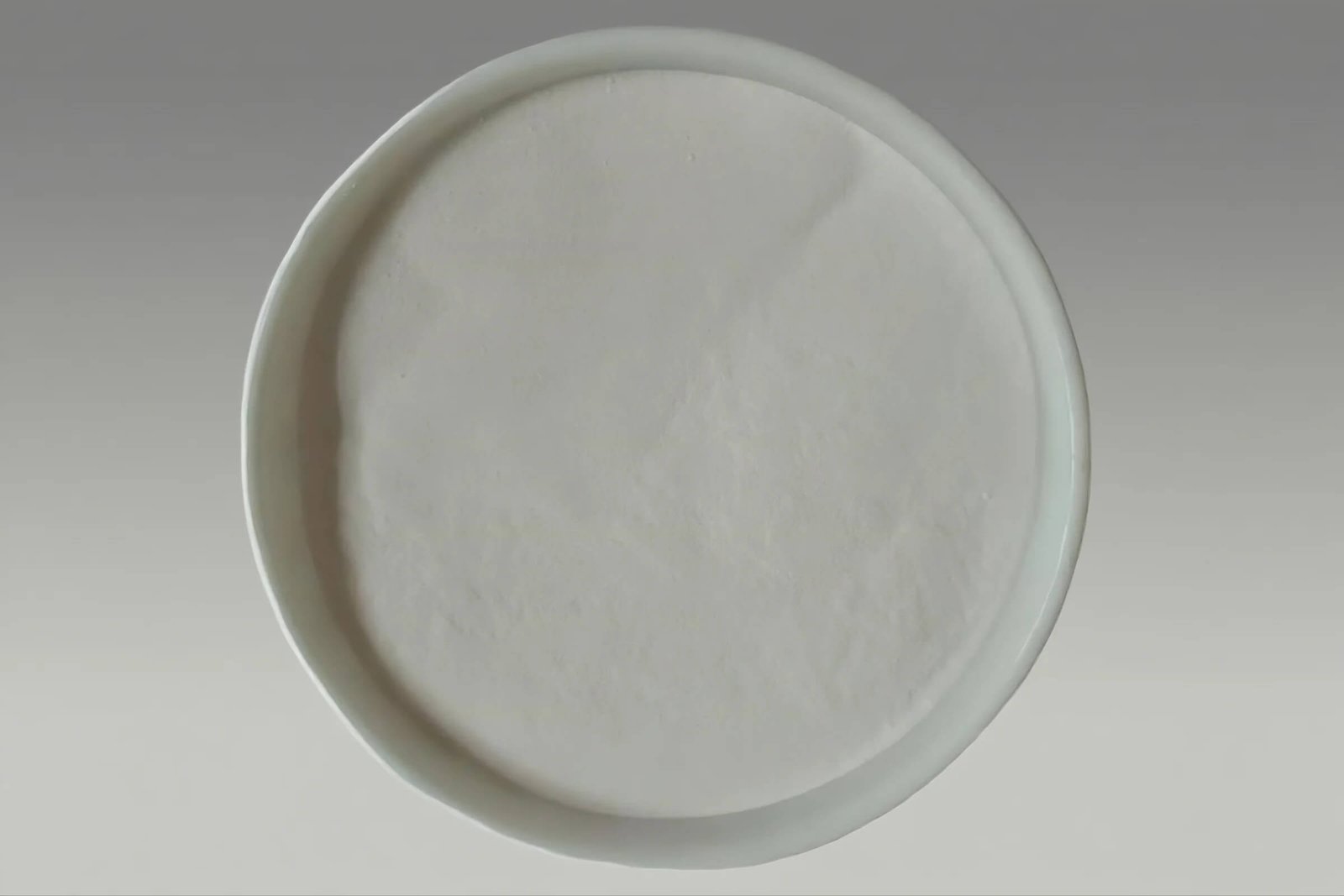
Manganese oxide is supplied in multiple grades—feed, fertilizer, and industrial—each defined by distinct purity levels, impurity controls, and physical specifications.
Feed-grade manganese oxide typically requires ≥60–62% Mn with strict limits on lead, arsenic, and cadmium to meet regulatory standards. Fertilizer-grade materials prioritize solubility and agronomic availability, while industrial-grade manganese oxide focuses on reaction consistency, thermal stability, and cost efficiency.
Technical Background
Manganese oxide is a general term covering several manganese–oxygen compounds used as a manganese source in nutrition, agriculture, and industrial manufacturing. In commercial supply chains, it is most commonly delivered as manganese monoxide–based material for feed and fertilizer applications, and as broader industrial oxide blends for manufacturing processes.
Functional Role by Application
Animal nutrition: Provides an essential trace mineral for enzyme activation, bone formation, and reproductive health.
Fertilizer: Supplies manganese as a micronutrient critical for photosynthesis and nitrogen metabolism.
Industrial processes: Acts as a reactant, pigment component, or flux in ceramics, metallurgy, and specialty chemical formulations.
Precursor quality directly influences bioavailability, reaction yield, and regulatory compliance, making grade differentiation essential.
Grade Classification of Manganese Oxide
Feed Grade Manganese Oxide
Feed-grade manganese oxide is designed for inclusion in premixes, mineral supplements, and compound feeds.
Key requirements:
Controlled manganese content for nutritional accuracy
Very low heavy metal levels
Fine, uniform particle size for mixing consistency
Typical specifications align with international feed regulations such as those issued by the FDA, EFSA, and FAO.
Fertilizer Grade Manganese Oxide
Fertilizer-grade manganese oxide is used in soil application, foliar sprays, or blended fertilizers.
Primary focus:
Agronomic effectiveness rather than ultra-high purity
Controlled particle size for soil dispersion
Stable manganese availability under different soil pH conditions
This grade balances performance and cost, making it suitable for large-scale agricultural use.
Industrial Grade Manganese Oxide
Industrial-grade manganese oxide is applied in ceramics, pigments, metallurgical fluxes, and chemical synthesis.
Defining characteristics:
Broader impurity tolerance
Particle size tailored to process needs (often >200 µm)
Emphasis on thermal and chemical stability
This grade is typically selected based on process compatibility rather than nutritional or agronomic criteria.
Key Benefits Linked to Material Properties
Purity and Manganese Content (%)
Feed grade: Typically ≥98% purity with 60–62% Mn
Fertilizer grade: 90–96% purity with flexible Mn content
Industrial grade: 85–95% purity
Higher purity improves formulation accuracy in feed, while industrial users often accept lower purity to optimize cost.
Particle Size Distribution (D50, µm)
Feed grade: D50 usually 20–50 µm
Fertilizer grade: 50–150 µm
Industrial grade: 100–500 µm
Smaller particles improve homogeneity in premixes, while coarser particles reduce dusting in industrial handling.
Moisture and Loss on Ignition (LOI)
Typical moisture: ≤1.0%
LOI: 2–5% depending on grade
Low moisture and controlled LOI improve shelf life, reduce caking, and stabilize downstream processing yields.
Impurity Control (ppm Level)
Heavy metals such as Pb, As, Cd, Hg, Fe, and Ni must be tightly controlled for feed and fertilizer grades.
Feed grade Pb: often ≤10 ppm
As: ≤3 ppm
Cd: ≤1 ppm
Industrial grade materials may allow higher limits depending on application risk.
Specification Comparison Table
| Parameter | Feed Grade Range | Fertilizer Grade Range | Industrial Grade Range | Why It Matters |
|---|---|---|---|---|
| Purity (%) | ≥98 | 90–96 | 85–95 | Affects safety, accuracy, and cost |
| Mn Content (%) | 60–62 | 50–60 | 45–60 | Determines functional effectiveness |
| Particle Size D50 (µm) | 20–50 | 50–150 | 100–500 | Mixing, solubility, handling |
| Pb (ppm) | ≤10 | ≤20 | ≤100 | Regulatory and safety risk |
| As (ppm) | ≤3 | ≤5 | ≤50 | Toxicity control |
| Moisture (%) | ≤1.0 | ≤1.5 | ≤2.0 | Storage stability |
| LOI (%) | ≤3.0 | ≤4.0 | ≤5.0 | Process yield |
Impact on Performance KPIs
Nutritional and Agronomic Performance
Accurate Mn delivery improves enzyme activity and bone strength in livestock.
In crops, manganese supports chlorophyll formation and nitrogen utilization.
Manufacturing Yield and Consistency
Uniform particle size reduces segregation in feed premixes.
Stable LOI minimizes mass loss during calcination or blending.
Compliance and Risk Reduction
Controlled heavy metals reduce rejection risk during regulatory audits.
Clear grade definition simplifies documentation and traceability.
Quality Control and Testing Methods
Certificate of Analysis (COA)
A compliant COA typically includes:
Mn content (%)
Purity (%)
Moisture and LOI
Heavy metal analysis
Analytical Techniques
ICP-OES / ICP-MS: Elemental impurities (ISO and ASTM methods)
Laser diffraction: Particle size distribution (ISO 13320)
Oven drying / muffle furnace: Moisture and LOI testing
Representative sampling is essential to ensure batch-level accuracy.
Purchasing and Supplier Evaluation Considerations
Grade Differentiation
Buyers should clearly specify whether the manganese oxide is for feed, fertilizer, or industrial use to avoid mismatched quality.
Packaging and Storage
Feed and fertilizer grades are typically packed in 25 kg or 1-ton bulk bags with moisture barriers.
Industrial grades may use bulk packaging for cost efficiency.
Logistics and HS Code
Manganese oxide is commonly shipped under HS Code 2820, but buyers should verify local customs classifications.
Common Sourcing Risks
Inconsistent Mn content
Undeclared heavy metal levels
Particle size variability between batches
FAQ
What manganese content is required for feed-grade manganese oxide?
Most feed applications require 60–62% Mn with purity ≥98%.
Can fertilizer-grade manganese oxide be used in animal feed?
No. Fertilizer-grade material does not meet feed safety and heavy metal standards.
Why is particle size important in feed applications?
Fine, consistent particle size ensures uniform mixing and prevents segregation.
How are heavy metals controlled?
Through raw material selection, controlled processing, and ICP-based testing.
What LOI level is acceptable?
Typically ≤3% for feed grade and ≤5% for industrial grade.
FAQ
Confirm application-specific grade (feed, fertilizer, industrial)
Specify Mn content and purity clearly
Set maximum limits for Pb, As, and Cd
Define particle size range and testing method
Require batch-specific COA with ICP results
Verify packaging and moisture protection
Related Posts

I am Edward lee, founder of manganesesupply( btlnewmaterial) , with more than 15 years experience in manganese products R&D and international sales, I helped more than 50+ corporates and am devoted to providing solutions to clients business.