You help soybeans, corn, and wheat grow by using manganese sulfate soybean. Manganese helps plants do things like photosynthesis and enzyme work. Many farmers have trouble because their crops do not get enough manganese. This problem affects soybean and corn. You should find these problems early. Use good ways to fix them. Simple tips for mixing and using manganese can help you. You will get better crops and healthier plants.
Manganese is very important for plants. It helps with photosynthesis and enzyme work. It also helps plants handle stress. This makes crops stronger.
Watch your crops for manganese deficiency. Yellow areas between leaf veins are a main sign. This happens in soybeans, corn, and wheat.
Test your soil pH often. Keep it from 5 to 6.5. This helps plants take in manganese well.
Use manganese sulfate on soil for lasting help. Only use foliar sprays if you see clear deficiency signs.
Fix manganese deficiency fast. Acting early can make crops healthier and give better yields.
Importance of Manganese
Plant Functions
Giving your plants enough manganese helps them grow well. This nutrient does many important things inside the plant.
Manganese helps enzymes do their jobs. These enzymes help plants use energy and make food.
Plants do photosynthesis better when they have manganese. Chlorophyll is made and kept in the leaves. Chlorophyll makes leaves green and helps them catch sunlight.
Manganese helps plants deal with stress. It helps enzymes protect plant cells from harm.
Here are some main ways manganese helps plants:
Manganese helps enzymes work in plant processes.
It helps make chlorophyll and keeps leaves healthy.
Manganese helps plants fight stress by helping enzymes.
It helps plants use nitrogen from the soil.
Manganese helps roots grow and take in nutrients.
It helps plants use iron and move it where needed.
Manganese helps cells grow and divide to make strong tissues.
Your crop grows better when these things happen. Manganese keeps plants working and healthy.
Crop Health
You keep your crop safe from disease by managing manganese. This nutrient helps plants build strong defenses.
Manganese helps plants make special compounds called phytoalexins. These compounds help crops fight fungi and bacteria.
Crops with enough manganese can fight root rot and other problems.
Leaves look healthier and stems get stronger. Manganese helps crops recover from stress and grow better.
In wheat and other grains, manganese helps control root rot from bad fungi.
Brassica crops and cucumbers also fight disease better with manganese sprays.
Keeping manganese levels steady helps crops stay healthy and grow well.
Manganese Deficiency Signs
Soybean Symptoms
You can find manganese deficiency in soybeans by checking the leaves. The most common sign is when the area between the veins turns yellow or light green, but the veins stay green.
The youngest trifoliate leaves show these signs first.
If the problem gets worse, you might see light green or white spots between the veins.
Brown or black dead spots can show up if the problem keeps going.
Leaves might fall off early, and the plants can look small.
Tip: If you see these signs, look for uneven growth in your field. Acting early can help keep your soybeans safe from harm.
Corn Symptoms
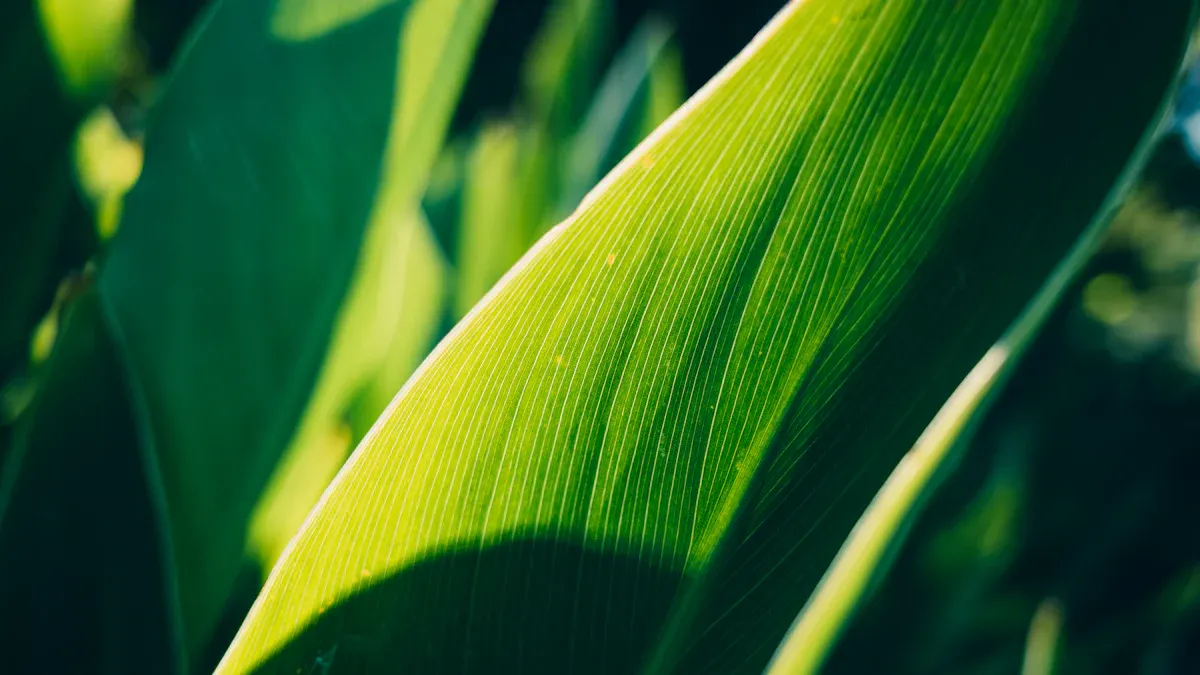
Manganese deficiency in corn shows up on the top leaves. You will see the area between the veins turn pale green or yellow.
In bad cases, long white lines can appear on the leaves.
The whole plant might look pale green.
Growth slows down, and plants might not get very tall.
Crop | |
|---|---|
Soybean | Yellowing between veins on new upper trifoliate leaves. |
Corn | Yellowing between veins on new upper leaves; bad cases have long white lines. |
Wheat | Yellowing between veins with dead spots. |
You can use soil and leaf tests to check for manganese deficiency in corn. Soil tests tell you about nutrients, but leaf tests during the season give better results.
Wheat Symptoms
Wheat plants with manganese deficiency show many warning signs.
Young leaves get yellow spots and lines that turn brown or gray-white.
These spots can join together and make big dead patches.
Leaf blades might bend or droop.
Yellowing shows up in odd patches, mostly on the youngest leaves.
Plants often stay small, and you might see light green spots in the field.
Wheat in tractor lanes can look healthier because packed soil helps roots get manganese.
Note: High soil pH, lots of humus, and cool, dry weather can make manganese deficiency worse in wheat.
Causes of Deficiency
Soil pH
You should check your soil pH to keep crops healthy. If the soil pH goes above 6.5, plants get less manganese. This happens a lot in fields with lime or free carbonates. Manganese turns into oxides that plants cannot use. High pH soils often have more manganese problems. Well-aerated areas can show these issues more. Keep your soil pH between 5 and 6.5 for best results. This helps crops like corn take in manganese and grow strong. If pH gets too high, you lose nutrients and hurt your field’s fertility.
Tip: Test your soil pH every season. Change how you use lime so pH does not go above 6.5, especially for corn or soybeans.
Organic Matter
Organic matter can help or hurt how plants get manganese. Lots of organic matter can tie up manganese and make it hard for crops to use. Sometimes, organic matter helps manganese dissolve by giving electrons. This makes manganese easier for plants to use. But too much organic matter in wet soils can cause manganese problems. You need to balance organic matter to keep crops healthy and avoid nutrient issues.
Organic Matter Influence | Description |
|---|---|
Helps manganese solubility | Organic matter can make manganese easier for crops to use. |
Can decrease availability | Lots of organic matter can tie up manganese and cause problems. |
Other Factors
Many other things can cause manganese problems in crops. Too much calcium, magnesium, or potassium can block manganese. Overliming is a common problem in sandy soils or fields with little organic matter. You might see yellow stripes on young wheat leaves after liming. This means manganese is missing. High potassium can also cause magnesium problems and make crops look unhealthy. You need to manage fertilizer carefully to keep your field healthy and help corn, soybean, and wheat grow well.
Overliming can cause manganese problems, even if soil tests look good.
High potassium can cause magnesium problems and poor growth.
Manganese Sulfate Soybean Application
Foliar vs. Soil
You can use manganese sulfate soybean in two ways. Foliar application works fast and helps soybeans quickly. You spray the fertilizer on the leaves. This helps if you see yellow or pale leaves. It is good for fields with high pH. The leaves get relief right away.
Soil application helps for a longer time. You put manganese sulfate in the soil before planting or when plants are small. This stops problems from coming back. It fixes the main cause of manganese deficiency. Studies show foliar sprays do not always make more beans. If your soybeans look fine, foliar sprays may not help and cost more. Soil application keeps manganese levels steady in your field.
Tip: Use foliar manganese fertilizer only if you see clear signs of deficiency. For long-lasting help, pick soil application with manganese sulfate soybean.
Rates and Timing
You need to know how much and when to use manganese sulfate soybean. Tests show you should use 1 to 2 pounds per acre. Start when you see signs of deficiency. This is usually when soybeans are about 6 inches tall. If you see symptoms again, use another 1 to 2 pounds per acre after 10 days.
Here is an easy guide for using manganese fertilizer:
Use 1–2 lbs/acre of manganese sulfate when you see symptoms.
Use a second dose 10 days later if needed.
Do not use manganese sulfate if your soybeans look healthy.
Application Method | Rate (lbs/acre) | Timing | Notes |
|---|---|---|---|
Foliar | 1–2 | When symptoms show | Fast help, not always worth the cost |
Soil | 1–2 | Before planting or early | Lasts longer and keeps plants healthy |
Note: Foliar manganese fertilizer works fast but does not always give more beans. Soil application with manganese sulfate soybean keeps your crop healthy all season.
Mixing and Herbicides
Be careful when you mix manganese sulfate soybean with herbicides. Manganese sulfate does not mix well with glyphosate. If you need both, wait at least three days between sprays. Mixing them can make weed control and manganese fertilizer work less well.
If you have few weeds, you can mix manganese sulfate with glyphosate. If you have some weeds, use ammonium sulfate with chelated manganese instead. If you have lots of weeds, use manganese fertilizer after glyphosate, not together.
Add things like ammonium sulfate to help stop problems between manganese and glyphosate.
Chelated manganese products, like EDTA-manganese, work better with glyphosate when there are some weeds.
Citric acid can sometimes cause problems but may help in other mixes.
⚠️ Always check if products work together before mixing manganese sulfate soybean with herbicides. Separate sprays keep your crop safe.
Use manganese sulfate for soil application instead of chelated forms. Manganese sulfate dissolves easily in water. It gives soybeans more manganese. This product is safer for your crop and works best in fields with manganese deficiency.
Manganese sulfate dissolves fast and is easy for plants to use.
It is safer for crops than chelated manganese forms.
Pick manganese sulfate soybean for soil application in fields with deficiency.
Tip: Manganese sulfate soybean is the best choice for soil application. It helps your soybeans grow strong and healthy.
Yield Results
Research Summary
You will notice better crops when you use manganese sulfate. Many studies show this nutrient helps plants fight disease. It also helps plants grow stronger. In Rajasthan, wheat fields got nano manganese sulfate. The wheat had less leaf blotch disease. Treated wheat made more grain than untreated wheat. Researchers saw big differences in yield and disease resistance. Manganese sulfate helps crops stay healthy. It also stops problems from manganese deficiency.
Wheat fields with manganese sulfate had stronger plants. They had fewer dead spots. You can protect crops from disease. You can boost yield by fixing manganese deficiency early.
Field Examples
Farmers who use manganese sulfate often make more money. In Ohio, soybean growers got 2 more bushels per acre. This small change helped their profits a lot. Another farmer saw corn yields go up by 31 to 38 bushels per acre. These results show manganese sulfate helps you get more from your fields. It supports better production.
Crop | Manganese Sulfate Application | Yield Increase (bushels/acre) |
|---|---|---|
Soybean | Foliar/Soil | 2 |
Corn | Soil | 31–38 |
Wheat | Foliar/Soil | Significant |
You can see manganese sulfate helps with yield gains. It works for soybean, corn, and wheat. Farmers who fix manganese deficiency early get stronger plants. They also get better harvests. You can use manganese sulfate to improve crop production. It helps protect your profits.
You can help your crops grow better by using manganese sulfate the right way. First, test your soil before you begin. Next, put manganese sulfate on your field at 25 to 30 days after sowing. Do it again at 35 to 40 days after sowing. Foliar sprays give fast results. Water your field after each time you use manganese sulfate. Do not spray when it is hot or windy outside.
Fixing manganese deficiency quickly keeps photosynthesis working well. This stops your crops from losing yield.
Key Findings | Impact on Crop Productivity |
|---|---|
Manganese deficiency affects Photosystem II | It lowers how well plants do photosynthesis |
Hidden deficiency can lower yield | You can lose up to 12 bushels per acre |
Fixing the problem early helps yield | Plants grow better and are healthier |
Foliar spraying is best for wheat. It helps you get more grain. You get better results when you act early and use the right steps.
FAQ
Can you mix manganese sulfate with all herbicides?
Do not mix manganese sulfate with glyphosate. Mixing them can make weed control weaker. It can also make plants take in less nutrients. Always read the product labels before you mix anything. Wait three days between using each product for the best results.
How do you know if your field needs manganese sulfate?
Look for yellow areas between leaf veins or slow plant growth. Use soil tests and leaf tests to check for deficiency. Finding problems early helps you keep your crop safe and get more yield.
What is the best time to apply manganese sulfate?
Use manganese sulfate when you see signs of deficiency. For soil use, apply it before planting or when plants are small. Foliar sprays work best when leaves turn yellow.
Is manganese sulfate safe for all crops?
???? Manganese sulfate is safe for soybean, corn, and wheat if you use the right amount. Do not use too much. Too much can hurt your plants. Always read the instructions and test your soil first.
Related Products

manganese dioxide

manganese carbonate

manganese sand
Related Posts

I am Edward lee, founder of manganesesupply( btlnewmaterial) , with more than 15 years experience in manganese products R&D and international sales, I helped more than 50+ corporates and am devoted to providing solutions to clients business.