Executive Summary
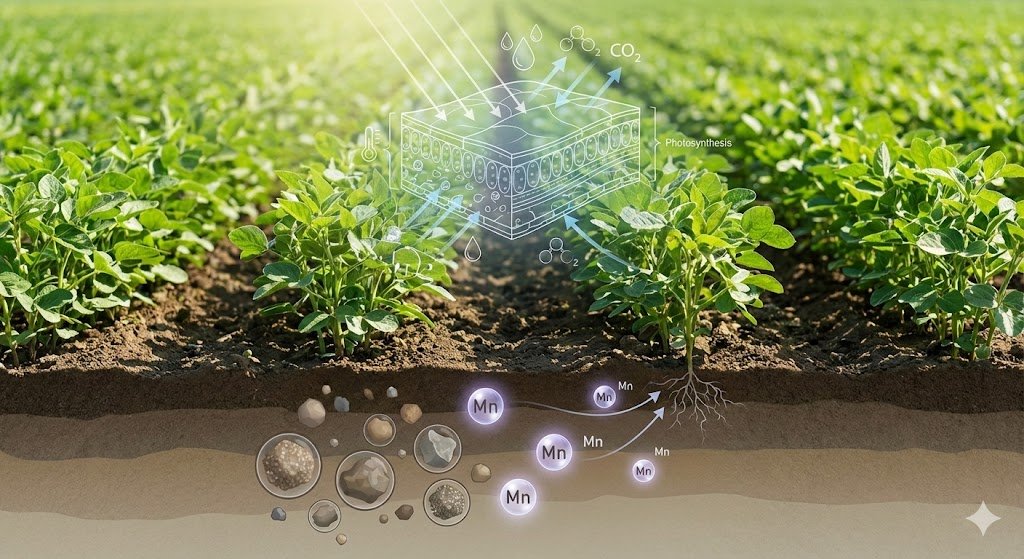
Manganese carbonate is widely used in agriculture as a stable manganese fertilizer and an important raw material for micronutrient fertilizer formulations. Manganese (Mn) is an essential plant micronutrient that plays a direct role in photosynthesis, enzyme activation, and plant metabolic regulation. In agricultural soils with low manganese availability—particularly alkaline or highly weathered soils—insufficient Mn can reduce photosynthetic efficiency by 10–40%, leading to chlorosis, reduced biomass, and yield losses. Compared with highly soluble manganese fertilizers, manganese carbonate provides controlled Mn²⁺ release, improved soil compatibility, and reduced leaching risk. These properties make manganese carbonate well suited for compound fertilizers, trace element blends, and long-term soil nutrient management programs.
1. Technical Background: Manganese as an Agricultural Micronutrient
1.1 What Is Manganese Carbonate?
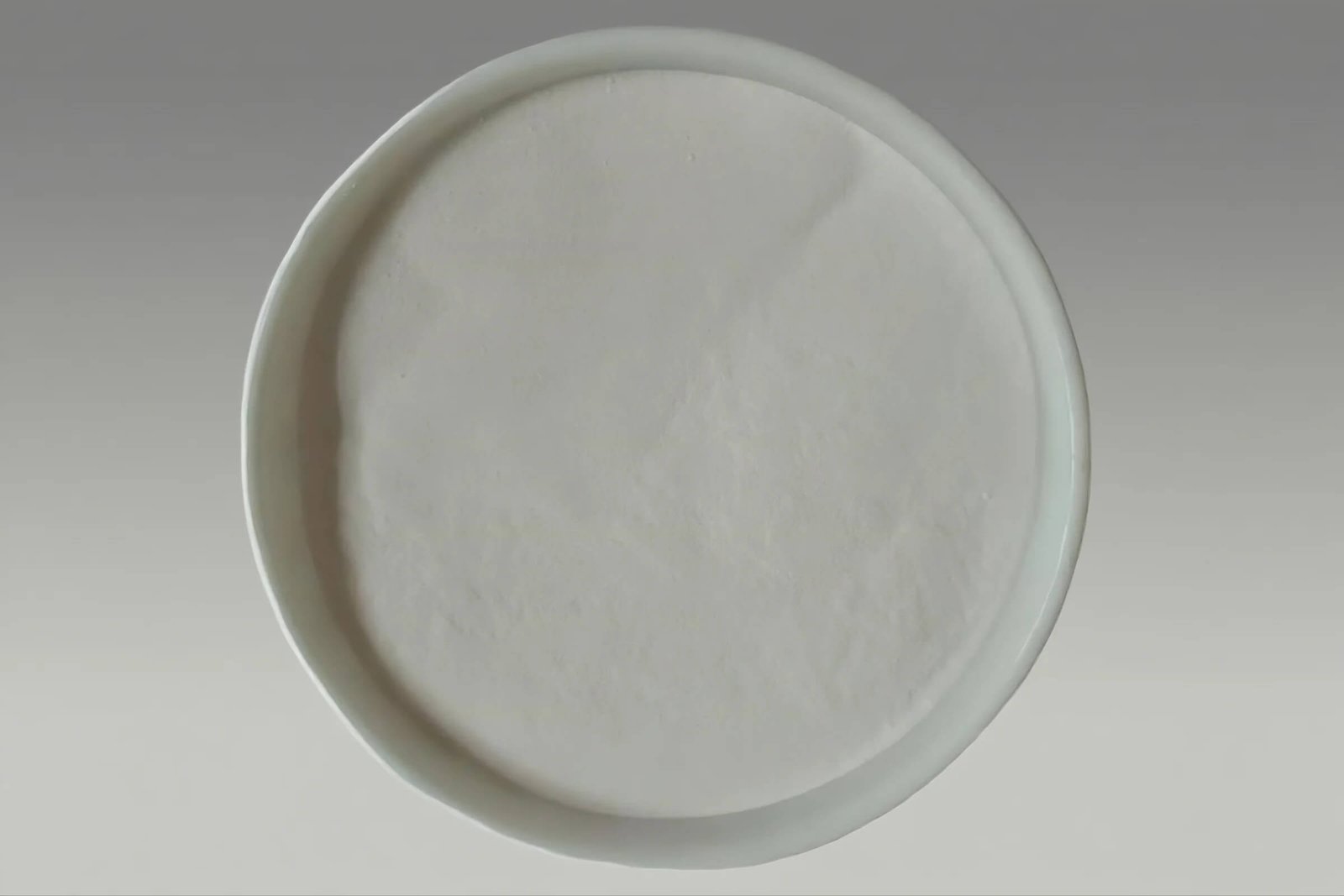
Manganese carbonate (MnCO₃) is an inorganic manganese compound containing approximately 47.8% elemental manganese. It is typically supplied as a fine powder with low water solubility and moderate chemical stability.
In agriculture and fertilizer manufacturing, manganese carbonate is used as:
A manganese fertilizer raw material
A component in micronutrient and trace element fertilizers
A precursor for other manganese-based agricultural inputs
Its low solubility distinguishes it from water-soluble manganese salts and makes it suitable for controlled nutrient release in soils.
1.2 Importance of Manganese in Crop Nutrition
Manganese is classified as an essential micronutrient required in small but critical amounts. Typical manganese concentrations in healthy plant tissue range from 20 to 300 mg/kg (dry matter).
Manganese is involved in:
Activation of more than 35 plant enzymes
Nitrogen and carbohydrate metabolism
Regulation of plant hormone synthesis
Protection against oxidative stress
Photosynthesis and chloroplast function
Among agricultural micronutrients, manganese has one of the most direct links to photosynthetic performance.
2. Role of Manganese in Photosynthesis and Crop Growth
2.1 Manganese Function in Photosystem II
In plant photosynthesis, manganese is an essential component of Photosystem II (PSII). It forms part of the oxygen-evolving complex (OEC), a Mn–Ca cluster responsible for splitting water molecules during light reactions.
This reaction supplies:
Electrons for the photosynthetic electron transport chain
Protons for ATP synthesis
Molecular oxygen as a byproduct
When manganese nutrition is insufficient, PSII activity declines, disrupting electron flow and reducing energy conversion efficiency. Research shows that manganese deficiency can reduce PSII efficiency by 30–50% before visible symptoms occur.
2.2 Visual and Physiological Effects of Manganese Deficiency
In agricultural crops, manganese deficiency typically appears as:
Interveinal chlorosis on young leaves
Reduced chlorophyll concentration
Slower leaf expansion
Lower biomass accumulation
These symptoms are common in cereals, legumes, and horticultural crops grown on high-pH or organic-rich soils.
3. Why Manganese Carbonate Is Used in Fertilizers
3.1 Controlled Manganese Availability in Soil
Manganese carbonate has very low water solubility (less than 0.01 g/100 mL at 20°C). Instead of dissolving rapidly, it reacts gradually with soil acids and root exudates to release Mn²⁺ ions.
This behavior provides:
Sustained manganese availability
Reduced nutrient loss through leaching
Lower risk of manganese toxicity compared to highly soluble salts
For soil-applied micronutrient fertilizers, this controlled release is often preferred.
3.2 Interaction with Soil pH
Manganese availability is strongly influenced by soil pH:
Optimal uptake occurs at pH 5.5–6.5
At pH > 7.0, manganese becomes less available
Manganese carbonate can act as a buffered manganese source, gradually releasing Mn²⁺ under slightly acidic conditions. This makes it suitable for:
Compound fertilizers
Base fertilizer applications
Long-term soil fertility programs
4. Key Agronomic Benefits of Manganese Carbonate
4.1 Purity and Micronutrient Accuracy
Agricultural-grade manganese carbonate typically has a purity of 95–99% MnCO₃, corresponding to 45–48% elemental manganese.
Higher purity ensures:
Accurate micronutrient formulation
Reduced variability in manganese application rates
Lower risk of unwanted contaminants in soil
For example, precise Mn content allows agronomists to apply 0.5–5 kg Mn per hectare, depending on crop demand and soil test results.
4.2 Particle Size and Soil Distribution
Particle size influences how manganese carbonate behaves in soil:
D50: 5–15 µm → faster manganese availability
D50: 20–40 µm → longer residual effect
A controlled particle size distribution improves:
Uniform blending in compound fertilizers
Consistent soil coverage
Predictable nutrient release patterns
4.3 Moisture and Loss on Ignition (LOI)
Low moisture and LOI values are important for fertilizer processing and storage.
Typical specifications:
Moisture: ≤0.5%
LOI (900°C): ≤32%
These parameters affect:
Shelf stability of fertilizer blends
Accuracy of micronutrient dosing
Flowability during fertilizer production
4.4 Heavy Metal and Impurity Control
Impurities can interfere with plant nutrient uptake or pose environmental risks.
Recommended limits for agricultural use:
Iron (Fe): ≤200 ppm
Copper (Cu): ≤50 ppm
Lead (Pb): ≤10 ppm
Cadmium (Cd): ≤5 ppm
Strict impurity control ensures manganese carbonate is suitable for sustainable agriculture and food safety requirements.
5. Typical Specification Table for Agricultural Manganese Carbonate
| Parameter | Typical Agricultural Range | Agronomic Relevance |
|---|---|---|
| MnCO₃ purity (%) | 95–99 | Determines Mn nutrient content |
| Elemental Mn (%) | 45–48 | Accurate fertilizer formulation |
| Particle size D50 (µm) | 5–30 | Controls release rate in soil |
| Moisture (%) | ≤0.5 | Storage and blending stability |
| LOI (%) | ≤32 | Carbonate stability indicator |
| Fe (ppm) | ≤200 | Prevents nutrient competition |
| Pb (ppm) | ≤10 | Soil and crop safety |
6. Impact on Crop Performance and Agricultural KPIs
Field and greenhouse studies show that correcting manganese deficiency using appropriate manganese fertilizers can lead to:
Photosynthetic efficiency: +10–25%
Chlorophyll content (SPAD index): +8–15
Leaf area index: +10–20%
Dry matter yield: +5–18%
Final crop yield (deficient soils): +5–30%
The strongest responses are observed in wheat, rice, maize, soybean, citrus, and other manganese-sensitive crops.
7. Quality Control and Testing for Fertilizer-Grade Material
7.1 Common COA Parameters
A fertilizer-grade manganese carbonate COA typically includes:
MnCO₃ purity
Elemental manganese content
Moisture
LOI
Heavy metal analysis
7.2 Analytical Methods
ICP-OES / ICP-MS for trace elements
Laser diffraction for particle size analysis
Gravimetric testing for LOI
Oven drying for moisture determination
Consistent batch sampling is essential for reliable fertilizer production.
8. Purchasing Considerations for Fertilizer Manufacturers
8.1 Grade Selection
Industrial grade: Not recommended for crop nutrition
Agricultural grade: Controlled impurities and particle size
Battery grade: Excessively strict and cost-inefficient
8.2 Packaging and Storage
25 kg bags or 1,000 kg bulk bags
Dry, ventilated storage conditions
Protection from moisture exposure
8.3 Common Risks in Sourcing
Inconsistent manganese content
Excess iron contamination
Poor particle size control between batches
9. FAQ: Manganese Carbonate in Agriculture
Q1: Is manganese carbonate a direct fertilizer?
It is a soil-applied micronutrient source that releases Mn²⁺ gradually.
Q2: How does it differ from manganese sulfate?
It releases manganese more slowly and reduces leaching losses.
Q3: Which soils benefit most from manganese carbonate?
Alkaline, calcareous, and manganese-deficient soils.
Q4: Can manganese carbonate be blended with NPK fertilizers?
Yes, it is commonly used in compound and micronutrient fertilizers.
Q5: Is over-application a risk?
Yes. Excess manganese can cause toxicity, especially in acidic soils.
10. Practical Checklist for Agricultural Buyers and Agronomists
Confirm MnCO₃ purity ≥95%
Verify elemental Mn content
Match particle size to application method
Ensure heavy metals meet agricultural limits
Align manganese source with soil pH
Request consistent COA documentation
Related Products

manganese dioxide

manganese carbonate

manganese sand
Related Posts

I am Edward lee, founder of manganesesupply( btlnewmaterial) , with more than 15 years experience in manganese products R&D and international sales, I helped more than 50+ corporates and am devoted to providing solutions to clients business.