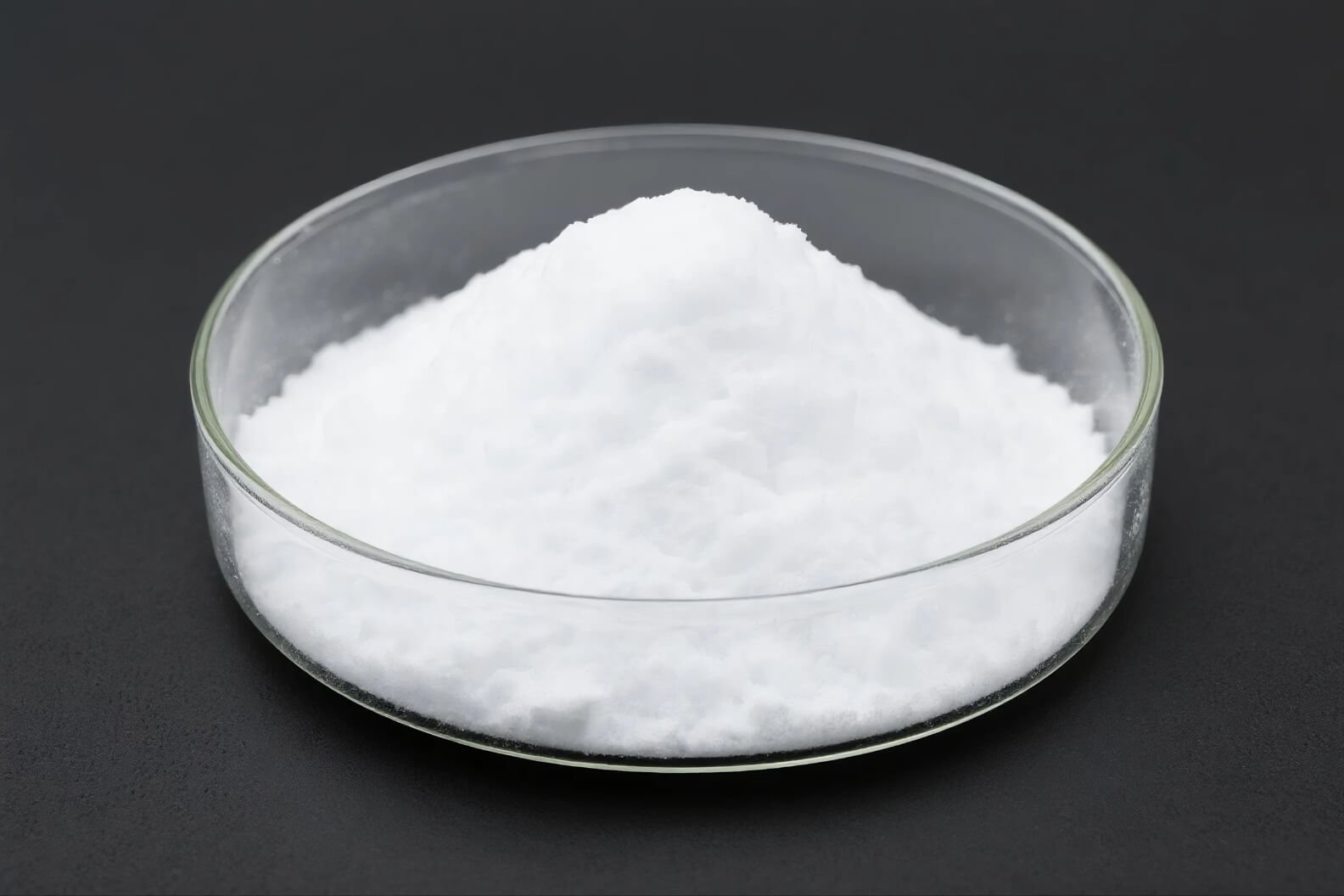
When choosing a Manganese Sulfate supplier, the reliability of quality directly impacts your product’s performance and cost. This guide provides a data-centric perspective on how to evaluate product quality through specific, measurable standards. We will focus on key metrics such as the 99.9% purity and ppm-level impurity control required for high-purity Manganese Sulfate in EV batteries, as well as the 32% manganese content for agricultural applications. Furthermore, this article will explain how certifications like the ISO 9001 Quality Management System, Certificates of Analysis (CoAs), and international compliance (e.g., REACH) provide a reliable guarantee for this data, ensuring you receive a consistent and trustworthy product.
The Pillars of Quality: Key Standards Explained
The quality of Manganese Sulfate Monohydrate is defined by a series of precise measurements and specifications. These standards ensure that the product is fit for its intended use, whether in advanced technology or traditional applications.
Purity & Grade: The Number One Factor with Specific Data
The most crucial quality metric is purity, which is measured by the percentage of manganese (Mn) content and the controlled absence of impurities. The required purity level changes dramatically depending on the application.
- High-Purity for EV Batteries: The electric vehicle (EV) battery market has extremely stringent demands. For use in cathodes of lithium-ion batteries (e.g., Nickel Cobalt Manganese, or NCM), Manganese Sulfate Monohydrate must have an exceptionally high purity, typically 99.9% or higher, to ensure optimal battery performance and longevity. Impurities, such as heavy metals, must be controlled to very low levels. For example, industry reports often cite maximum limits for heavy metals, with iron (Fe) at less than 5 ppm, zinc (Zn) at less than 10 ppm, and cobalt (Co) at less than 1 ppm. These strict limits are necessary because impurities can disrupt the electrochemical processes within the battery, leading to reduced efficiency and a shorter lifespan.
- Consistent Quality for Agriculture: While purity standards for agricultural use are less extreme, consistency is paramount. Manganese Sulfate Monohydrate is a vital micronutrient in fertilizers and animal feed. For effective crop or livestock health, the manganese content must be reliable, typically around 32% Mn. Additionally, agricultural-grade products must comply with regulations that limit the presence of hazardous heavy metals, which can be harmful to both soil and crops. For instance, the U.S. Environmental Protection Agency (EPA) sets limits for heavy metals in fertilizers to protect the environment and food chain. These include maximum allowable concentrations for elements like arsenic (As) at 12 ppm, cadmium (Cd) at 10 ppm, and lead (Pb) at 60 ppm. A supplier should be able to provide documentation proving compliance with these and other similar global standards.
Physical Properties: The Practical Side of Quality
Beyond chemical composition, a product’s physical characteristics are also key to its quality. These properties affect how the product is handled, stored, and integrated into your manufacturing processes. For example, a consistent particle size is essential for uniform mixing in bulk fertilizer blends or precise dosing in animal feed. The density and moisture content of the product affect its stability, flowability, and shelf life. Technical data sheets, like those published by chemical suppliers such as Noah Chemicals, specify these properties with details such as a minimum density of 1.4 g/cm³ and a particle size range, often with a specific percentage passing through a certain mesh size, to ensure optimal performance.
The Proof: Essential Certifications & Documents
A supplier’s claims about quality are only as strong as the evidence they can provide. Certifications and formal documentation are the independent proof that their products meet established standards.
ISO 9001: The Quality Management System
The ISO 9001 certification is an international standard for a Quality Management System (QMS). It doesn’t certify a specific product; rather, it certifies that a company has a robust, repeatable system for how it manufactures, tests, and delivers products. For a customer, this means that every time you place an order, the supplier is following a documented, globally recognized process to ensure product consistency. A study by the International Journal of Quality & Reliability Management found that implementing ISO 9001 in the chemical industry led to a 15% reduction in production defects and a 20% improvement in process efficiency. This certification is proof of a factory’s commitment to process control and continuous improvement.
Certificates of Analysis (CoAs): The Product’s Report Card
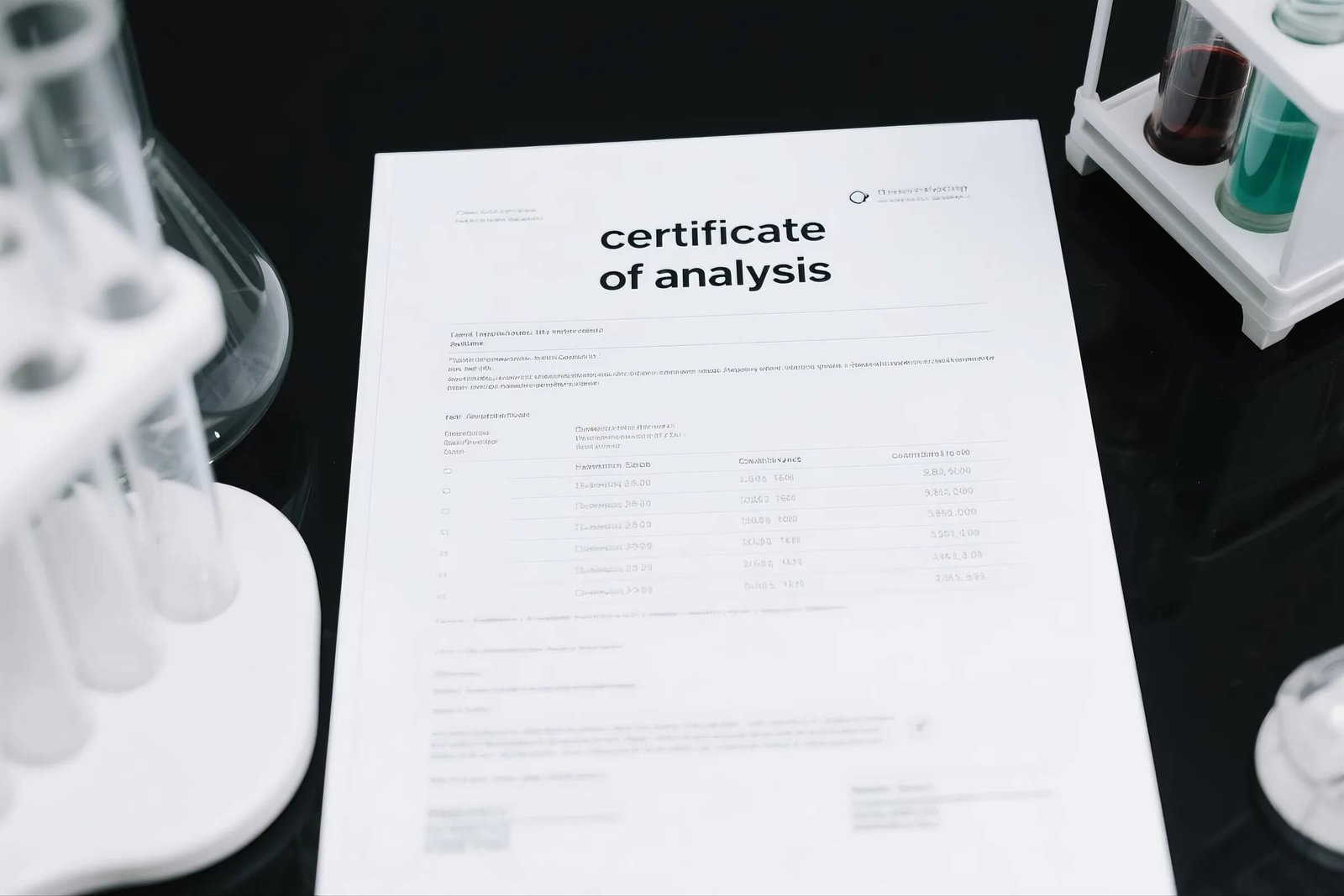
The most direct and critical document for proving a product’s quality is the Certificate of Analysis (CoA). This is a formal, signed document that details the specific results of quality control tests for a particular batch of product. A comprehensive CoA will list the exact manganese content, moisture levels, and the results of impurity analysis. The best suppliers provide CoAs verified by independent, third-party laboratories. This is a crucial step that removes any potential for bias and provides an unbiased, objective report on product quality. For an example of what a detailed CoA should include, you can reference the standards and formats used by independent labs like Intertek, which provide certified analysis for various chemicals.
Compliance Certificates (e.g., REACH): Global Trade & Safety
For any company involved in international trade, adherence to global regulations is a must. For products sold in the European Union, a supplier must demonstrate REACH compliance. This regulation requires companies to provide detailed information on their chemical substances to ensure they are safe for human health and the environment. A successful REACH registration, which can be verified through the European Chemicals Agency (ECHA) database, is a guarantee that the product has been evaluated for safety and can be legally sold in Europe. This provides an additional layer of trust and ensures your supply chain is compliant with international law.
Your Commitment to Quality: The Btlnewmaterial Difference
At btlnewmaterial, quality is more than just a certificate; it is embedded in our entire operation. We begin with a rigorous inspection of all raw materials upon arrival, ensuring they meet our initial specifications. Throughout the manufacturing process, we use continuous monitoring to maintain consistency. Finally, every batch undergoes a comprehensive final inspection and testing process before it is approved for shipping.
We provide a Certificate of Analysis for every batch of Manganese Sulfate Monohydrate, and our factory holds all necessary certifications to demonstrate our commitment to global quality standards.
FAQ
Q: What is the most important quality metric for Manganese Sulfate Monohydrate?
A: Purity is the most critical metric. For high-tech applications, a purity of 99.9% or higher is required, with strict controls on impurities. For agricultural uses, a consistent manganese content of around 32% is key.
Q: Why should I care about ISO 9001?
A: ISO 9001 is a certification for a quality management system. It’s important because it shows that a factory has a consistent process for making products, which means you can trust the quality of your orders will be uniform over time.
Q: How can I verify a product’s purity?
A: The best way to verify purity is to request a Certificate of Analysis (CoA) for your specific batch. A trustworthy supplier will provide a CoA that has been verified by an independent, third-party laboratory.
Related Products

manganese dioxide

manganese carbonate

manganese sand
Related Posts

I am Edward lee, founder of manganesesupply( btlnewmaterial) , with more than 15 years experience in manganese products R&D and international sales, I helped more than 50+ corporates and am devoted to providing solutions to clients business.