You can use manganese sulfate water treatment for water problems. This method helps you take out iron and manganese from water. It also stops sulfur bacteria, which make water smell bad and leave stains. When you use manganese sulfate, your water gets cleaner and tastes better. You may ask how this method works or why it is different. The reason is in how manganese acts during treatment.
- Manganese sulfate takes out iron and manganese from water. This makes water taste better and look clearer.
- This treatment stops sulfur bacteria from growing. It gets rid of bad smells and keeps water fresh.
- Using manganese sulfate saves money and is safer for your family. It is also better for the environment.
- Using manganese sulfate often keeps water clean. It also stops stains in sinks and laundry.
- Always follow safety rules when using manganese sulfate. This keeps water treatment safe and works well.
Manganese Sulfate Water Treatment
What Is Manganese Sulfate
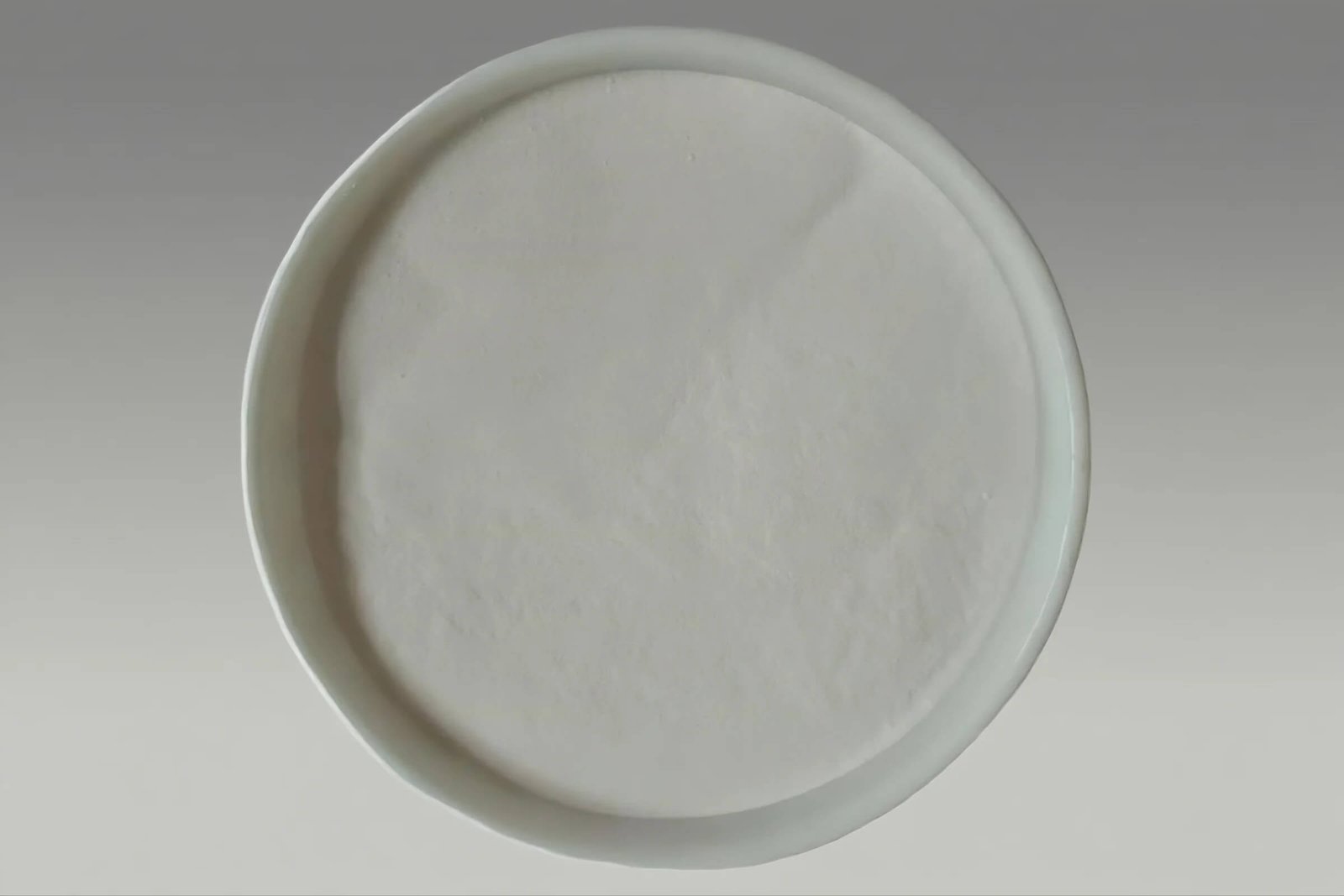
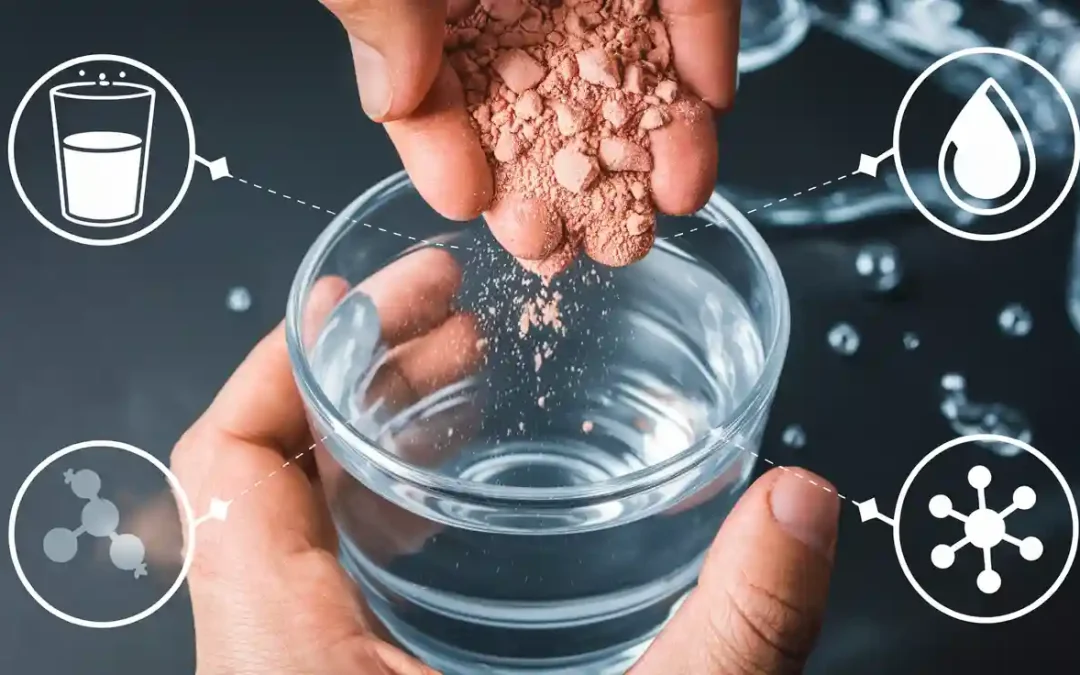
You might ask what manganese sulfate is and why it helps your water. Manganese sulfate is a chemical with manganese and sulfate ions. It looks like pale pink powder or crystals. This compound mixes well with water. That makes it useful for many things. In manganese sulfate water treatment, you use it to clean and improve water.
Manganese is found in soil and rocks. It can get into water from the ground or surface. When you use manganese sulfate water treatment, you add a set amount to your water. This helps take out things you do not want. It also makes your water better.
Note: The World Health Organization once said drinking water should have no more than 400 micrograms of manganese per liter. They later removed this rule because most water does not have too much manganese. So, you do not have strict rules when using manganese sulfate water treatment at home or work.
Role in Water Systems
You use manganese sulfate water treatment to fix water problems. This method helps remove iron and manganese from water. These can stain sinks and laundry. They can also make water taste like metal. Using manganese sulfate can help stop these problems. Your water will taste and look better.
Manganese sulfate water treatment also helps stop sulfur bacteria. These bacteria can make water smell like rotten eggs. Treating water with manganese sulfate keeps these bacteria from growing. This makes your water smell fresh.
Here are ways manganese sulfate water treatment helps your water system:
- Takes out iron and manganese that stain and taste bad
- Stops sulfur bacteria that make odors
- Makes water clearer and safer
You can use manganese sulfate water treatment for small or big water systems. Many people pick this method because it works well. It also does not need strict rules.
Mechanism of Action
Oxidation Process
You begin by putting manganese sulfate into the water. This starts a change called oxidation. The manganese sulfate reacts with oxygen in the water. This reaction turns manganese from Mn(II) to Mn(IV). The oxidation makes small solid pieces. These pieces help remove manganese because you can filter them out.
Some systems use permanganate ions too. These ions make the oxidation happen faster. They help turn dissolved manganese into solids more quickly. This process works for both small and big water systems.
Tip: Check the water’s pH before you start. The oxidation works best if the pH is higher than 7.5.
Manganese Removal
You want to take out extra manganese from your water. This happens after the oxidation step. The solid manganese pieces stick together. They fall to the bottom of the tank or filter. You can get rid of them by flushing or backwashing.
Here is how you remove manganese:
Put manganese sulfate in the water.
Wait for oxidation to make solid pieces.
Let the pieces settle or use a filter to catch them.
Take out the trapped pieces from your system.
Manganese removal also helps with other metals. Iron often comes out with manganese. This makes your water look better and safer to drink.
Step | Action | Result |
|---|---|---|
1 | Add manganese sulfate | Starts manganese removal |
2 | Oxidation of manganese | Makes solid pieces |
3 | Settle or filter pieces | Removes manganese |
4 | Clean filter or tank | Keeps system working well |
You should repeat manganese removal when needed. This keeps your water free from stains and bad tastes.
Iron and Sulfur Bacteria Control
Iron or sulfur bacteria can be in your water. These bacteria make water smell and leave stains. Removing manganese helps control these problems. When you add manganese sulfate, oxidation makes particles that trap bacteria. These particles settle or get caught in your filter.
Flocculation and adsorption help too. Flocculation means the particles join together and make bigger clumps. Adsorption means bacteria and metals stick to the particles. Both steps help remove more manganese.
Note: Do manganese removal often to keep bacteria away. Clean your filters and tanks often.
You can use manganese removal at home, on farms, or in factories. This method works for many water systems. You get cleaner water and fewer stains or smells.
Benefits
Water Quality Improvement
You want your water to taste good and look clear. Manganese sulfate helps you do this. It takes out iron and manganese. These can make stains and a metal taste. Your water gets cleaner and safer to drink and cook with. It also stops sulfur bacteria from growing. These bacteria make water smell like rotten eggs. When you control them, your water smells better.
Tip: Use manganese sulfate often to keep water clear and fresh.
Here are the main things you notice:
Water tastes and smells better
Fewer stains on sinks and clothes
Less danger from bad metals
Safety and Environment
You want your family and nature to be safe. Manganese sulfate is safer than many strong chemicals. You only need a little bit, so it does not hurt you. It does not leave bad stuff in your water. You can use it safely by wearing gloves and keeping it dry.
Manganese sulfate breaks down fast in nature. It does not pollute rivers or dirt. Many water systems use it because it is gentle for the earth.
Note: Always read and follow safety rules when you use it.
Cost and Comparison
You want something that works and saves money. Manganese sulfate costs less than other water treatment chemicals. You do not need fancy tools to use it. You can clean big or small water systems without spending a lot.
Here is a simple comparison:
Chemical | Effectiveness | Safety | Cost |
|---|---|---|---|
Manganese Sulfate | High | Safe | Low |
Chlorine | Medium | Moderate | Medium |
Potassium Permanganate | High | Moderate | High |
You see manganese sulfate works well and costs less. You also get safer water for your house or business.
Reminder: Pick manganese sulfate if you want clean, safe, and cheap water.
Applications and Best Practices
Common Uses
You can use manganese sulfate in many places for water treatment. People at home use it for wells. Small towns use it to keep water safe to drink. Farms and food factories use it too. It helps where iron and manganese make stains or bad smells.
Biofiltration is important in these systems. You add manganese sulfate to start the process. The filter has biofiltration media that helps bacteria grow. These bacteria change iron and manganese into solids. The filter then takes out these solids from the water. You can use this way in city water plants, schools, and pools.
Tip: Biofiltration works best if you clean filters and check them often.
Dosage and Handling
You must measure manganese sulfate carefully. Always follow the rules from your water system or filter maker. Most systems only need a small amount. If you use too much, extra solids may stay in your water. If you use too little, it will not remove enough iron or manganese.
Wear gloves and safety glasses when you use manganese sulfate. Keep it dry and away from kids and pets. When you add it, mix it well in the water. Make sure water goes through the biofiltration media. This helps the bacteria work. After biofiltration, use a filter to catch all the solids.
Here is a simple table for safe handling:
Step | What You Do |
|---|---|
Measure | Use the right amount |
Protect | Wear gloves and glasses |
Mix | Stir into water well |
Filter | Use biofiltration media |
Clean | Wash filters often |
Limitations
There are some limits with manganese sulfate treatment. Biofiltration needs the right temperature and pH. Cold water or low pH can slow down the bacteria. Filtration works best if you keep filters clean. If you do not clean them, solids can block the water.
Some water has a lot of iron or manganese. You may need extra steps before biofiltration. Sometimes, you need more than one kind of filter. Always test your water before and after treatment. This helps you know if your system works well.
Note: Biofiltration and filtration are safe and work well, but you must follow best practices for the best results.
You can use manganese sulfate to help clean water. This treatment takes out iron and manganese. You will see fewer stains in your sink. Your water will not taste like metal. It also stops sulfur bacteria from growing. This keeps your water smelling fresh. Many people pick manganese sulfate because it works well. It also costs less than other choices.
Tip: Use manganese sulfate if you want simple and good water treatment.
FAQ
What problems can manganese sulfate water treatment solve?
This water treatment takes out iron, manganese, and sulfur bacteria. It helps stop stains, bad smells, and metal tastes. Your water gets better for drinking and cooking. It is safer and cleaner.
Is manganese sulfate safe for water treatment at home?
You can use manganese sulfate safely at home. Always read the instructions and wear gloves. This treatment does not leave harmful chemicals in your water. It keeps your family safe and your water clean.
How often should I use manganese sulfate in my water treatment system?
Use manganese sulfate as part of your regular water care. Check your water often for stains or smells. If you notice problems, treat your water again. Clean your filters and tanks to keep things working well.
Can manganese sulfate help with microbial treatment of pollution?
Yes, manganese sulfate can help with microbial pollution treatment. It supports bacteria that break down pollution in water. This helps remove metals and bacteria from your water.
What happens if there is too much manganese in drinking water?
Too much manganese in water can cause stains or a metal taste. This treatment helps control how much manganese is in your water. It keeps your water safe and nice to drink.
Related Products

manganese dioxide

manganese carbonate

manganese sand
Related Posts

I am Edward lee, founder of manganesesupply( btlnewmaterial) , with more than 15 years experience in manganese products R&D and international sales, I helped more than 50+ corporates and am devoted to providing solutions to clients business.