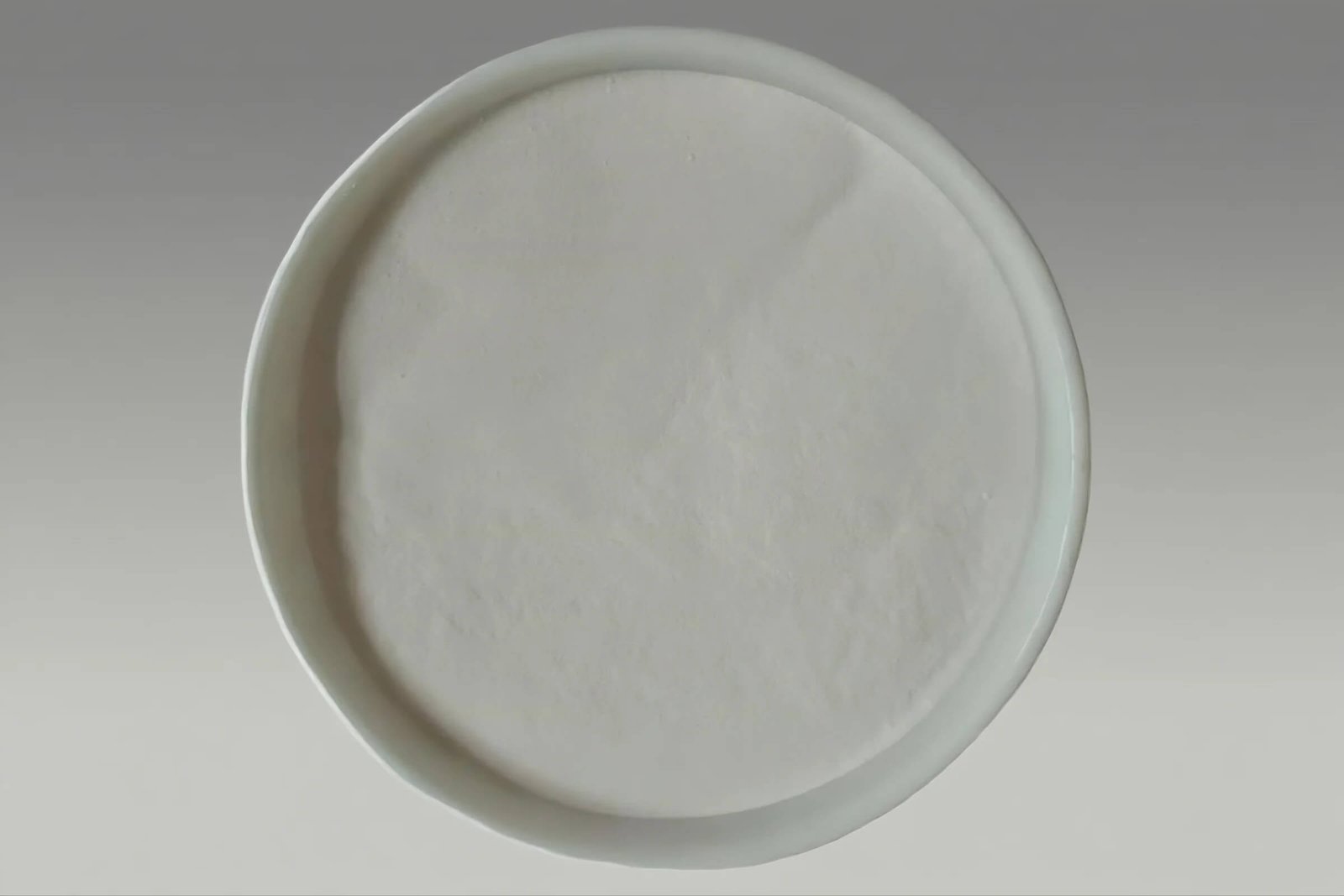
Manganese monoxide (MnO) is a critical micronutrient raw material used in fertilizer formulations to correct manganese deficiency in crops, particularly in alkaline or calcareous soils.
Industrial fertilizer-grade MnO typically requires Mn ≥ 60–76%, controlled particle size (usually <250 μm), low moisture, and strict limits on heavy metals such as Pb, As, and Cd at ppm levels. Poor-quality MnO can lead to segregation during blending, inconsistent nutrient delivery, and rejection in export markets. This guide explains how MnO functions in fertilizers, which specifications matter most, how quality is verified, and how buyers should evaluate suppliers to reduce technical and commercial risk.
1. Technical Background: What Is Manganese Monoxide?
1.1 Chemical Form and Role
Manganese monoxide (MnO) is an inorganic manganese compound containing divalent manganese (Mn²⁺). In fertilizer applications, MnO serves as a manganese source for soil or compound fertilizers, particularly in:
NPK bulk blends
Granulated micronutrient fertilizers
Customized trace element premixes
Compared with manganese sulfate (MnSO₄), MnO is less water-soluble but offers slower release in soil, making it suitable for long-term micronutrient correction.
1.2 Why MnO Quality Matters in Fertilizers
In fertilizer manufacturing, MnO quality affects:
Nutrient availability (rate of Mn²⁺ release in soil)
Blending uniformity with NPK granules
Dust generation and handling safety
Regulatory acceptance in export markets
Low-grade MnO may meet manganese percentage targets on paper but fail in practical application due to poor particle size control or excessive impurities.
2. Key Benefits of Properly Specified MnO in Fertilizers
2.1 Manganese Content (%) → Nutrient Efficiency
Typical fertilizer-grade MnO: Mn 60–76%
Higher Mn content allows:
Lower dosage per ton of fertilizer
Reduced formulation variability
More predictable micronutrient delivery
If Mn content fluctuates between batches, fertilizer producers must constantly recalibrate formulations, increasing production risk.
2.2 Particle Size Distribution → Blending and Application Performance
Common requirement: <250 μm, often D50 = 20–80 μm
Fine, controlled particle size:
Improves dispersion in bulk blends
Reduces segregation during transport
Enhances soil contact area for nutrient release
Oversized MnO particles tend to separate from NPK granules, leading to uneven manganese distribution in the field.
2.3 Moisture and LOI → Storage Stability
Moisture (H₂O): typically ≤1.0%
Loss on Ignition (LOI): often ≤2.0–3.0%
High moisture or LOI can cause:
Caking during storage
Reduced shelf life
Weight inconsistency in bulk shipments
These factors directly impact distributor handling and rebagging operations.
2.4 Heavy Metal Control → Regulatory Compliance
Key impurity limits commonly requested by fertilizer buyers:
Lead (Pb): ≤10–30 ppm
Arsenic (As): ≤5–10 ppm
Cadmium (Cd): ≤5 ppm
Excessive heavy metals can result in:
Non-compliance with EU fertilizer regulations
Import rejection in regulated markets
Long-term soil contamination concerns
3. Typical Specification Ranges for Fertilizer-Grade MnO
| Parameter | Typical Fertilizer-Grade Range | Why It Matters |
|---|---|---|
| Mn content (%) | 60–76 | Determines nutrient concentration |
| MnO purity (%) | 92–99 | Impacts consistency and impurities |
| Particle size | <250 μm | Prevents segregation in blends |
| D50 (μm) | 20–80 | Improves soil contact |
| Moisture (%) | ≤1.0 | Storage stability |
| LOI (%) | ≤2–3 | Indicates thermal stability |
| Pb (ppm) | ≤10–30 | Regulatory compliance |
| As (ppm) | ≤5–10 | Soil safety |
4. Impact on Fertilizer Performance and KPIs
4.1 Crop Nutrient Availability
Properly sized MnO releases Mn²⁺ gradually, supporting:
Chlorophyll formation
Enzyme activation
Photosynthesis efficiency
This is particularly important for manganese-deficient soils with high pH.
4.2 Manufacturing Yield and Consistency
Stable MnO specifications reduce:
Batch rework
Off-spec fertilizer blends
Internal quality deviations
For large NPK producers, even a 1–2% reduction in reprocessing can significantly affect operating costs.
4.3 Distribution and Storage Performance
Low-moisture, free-flowing MnO reduces:
Bag breakage
Dust loss
Product returns from distributors
5. Quality Control and Testing Methods
5.1 COA Parameters Buyers Should Review
A valid MnO COA for fertilizer use should include:
Mn (%)
MnO purity (%)
Particle size / sieve analysis
Moisture and LOI
Heavy metals (Pb, As, Cd)
5.2 Analytical Methods Commonly Used
ICP-OES or ICP-MS: elemental composition and impurities
Laser diffraction (ISO 13320): particle size distribution
Gravimetric methods: moisture and LOI
Buyers should confirm that testing is done on representative samples, not lab-scale material.
6. Purchasing and Supplier Evaluation Considerations
6.1 Grade Differentiation
MnO grades vary significantly:
Fertilizer grade: balanced cost, controlled impurities
Feed grade: stricter heavy metal limits
Battery or electronic grade: much higher purity, unnecessary cost for fertilizers
Purchasing battery-grade MnO for fertilizer use usually offers no technical benefit.
6.2 Packaging and Logistics
Common packaging formats:
25 kg bags
1-ton jumbo bags
Proper inner liners are important to prevent moisture uptake during sea transport.
6.3 Common Sourcing Risks
Inconsistent Mn content between batches
Poor particle size control
COA values not matching bulk shipments
On-site audits or third-party inspections can mitigate these risks.
7. Frequently Asked Questions
What manganese content is typically required for fertilizer MnO?
Most fertilizer formulations require Mn content between 60% and 76%, depending on dosage strategy.
Is finer MnO always better for fertilizers?
Not necessarily. Particle size should be fine enough for blending but not so fine that it causes dusting issues.
How does MnO compare with manganese sulfate in fertilizers?
MnO offers slower release and better stability, while manganese sulfate provides faster solubility.
Why is LOI important for MnO?
High LOI can indicate unstable material that may change weight or performance during storage.
How are heavy metals in MnO controlled?
Through raw material selection and purification, verified by ICP-based testing.
8. Practical Checklist for Fertilizer Buyers
Confirm Mn (%) range matches formulation needs
Specify particle size (<250 μm) in contracts
Set clear heavy metal ppm limits
Review full COA, not partial data
Verify moisture and LOI for storage stability
Request batch consistency history from suppliers
Related Posts

I am Edward lee, founder of manganesesupply( btlnewmaterial) , with more than 15 years experience in manganese products R&D and international sales, I helped more than 50+ corporates and am devoted to providing solutions to clients business.