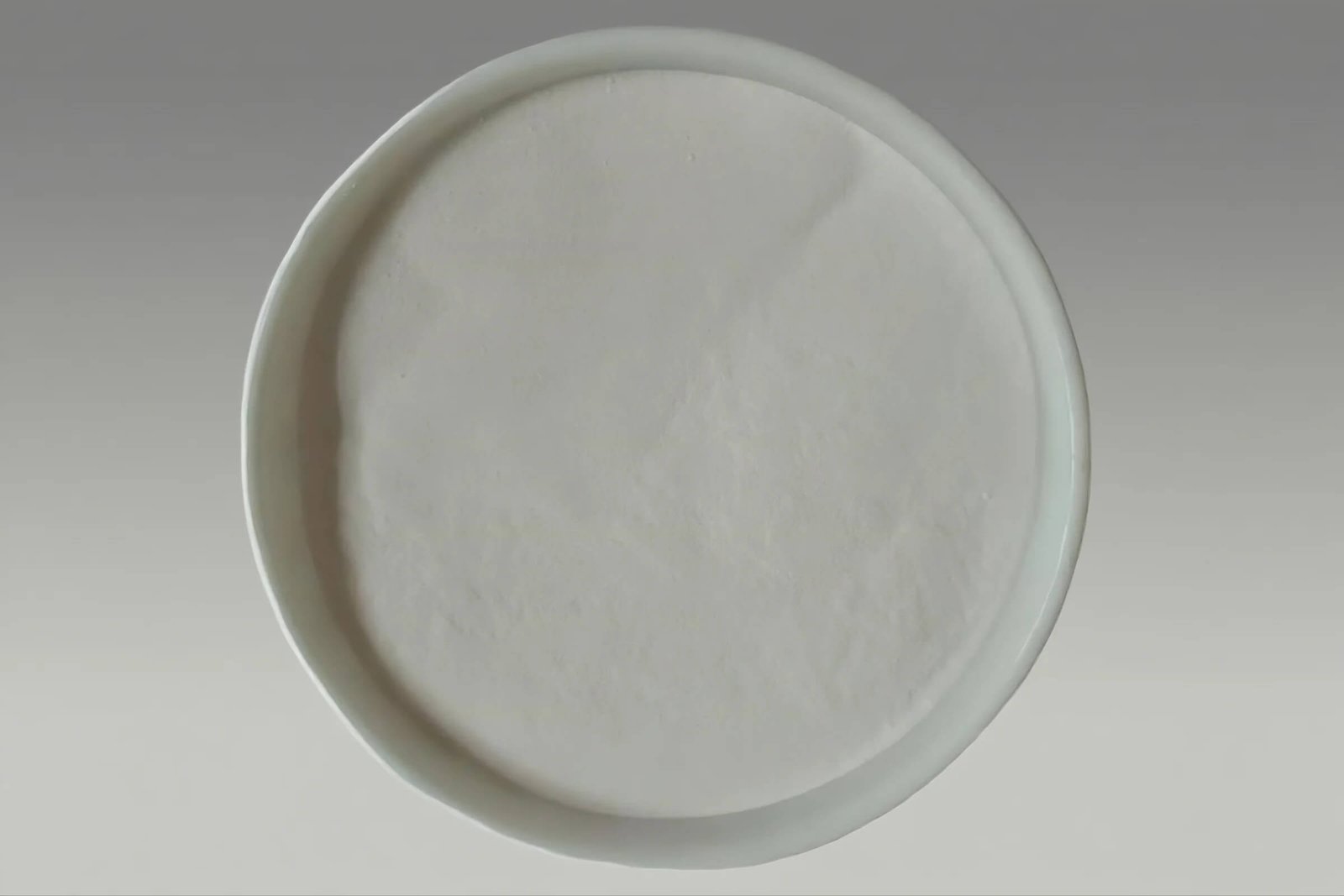
According to Grand View Research, the global electrolytic manganese dioxide (EMD) market was valued at USD 1.57 billion in 2023 and is expected to reach USD 2.55 billion by 2030, growing at a CAGR of 7.3% . This growth is driven primarily by increasing demand from battery applications, especially lithium-ion and alkaline batteries, as well as steady industrial consumption in water treatment and glass production.
Annual Global Market Forecast (Grand View Research):
| Year | Global Market Size (USD B) | CAGR (%) |
|---|---|---|
| 2023 | 1.57 | — |
| 2024 | 1.69 | 7.3 |
| 2025 | 1.81 | 7.3 |
| 2026 | 1.94 | 7.3 |
| 2027 | 2.08 | 7.3 |
| 2028 | 2.23 | 7.3 |
| 2029 | 2.39 | 7.3 |
| 2030 | 2.55 | 7.3 |
Insight: The market shows steady growth year-over-year, reflecting consistent demand for high-purity manganese dioxide, especially in battery applications.
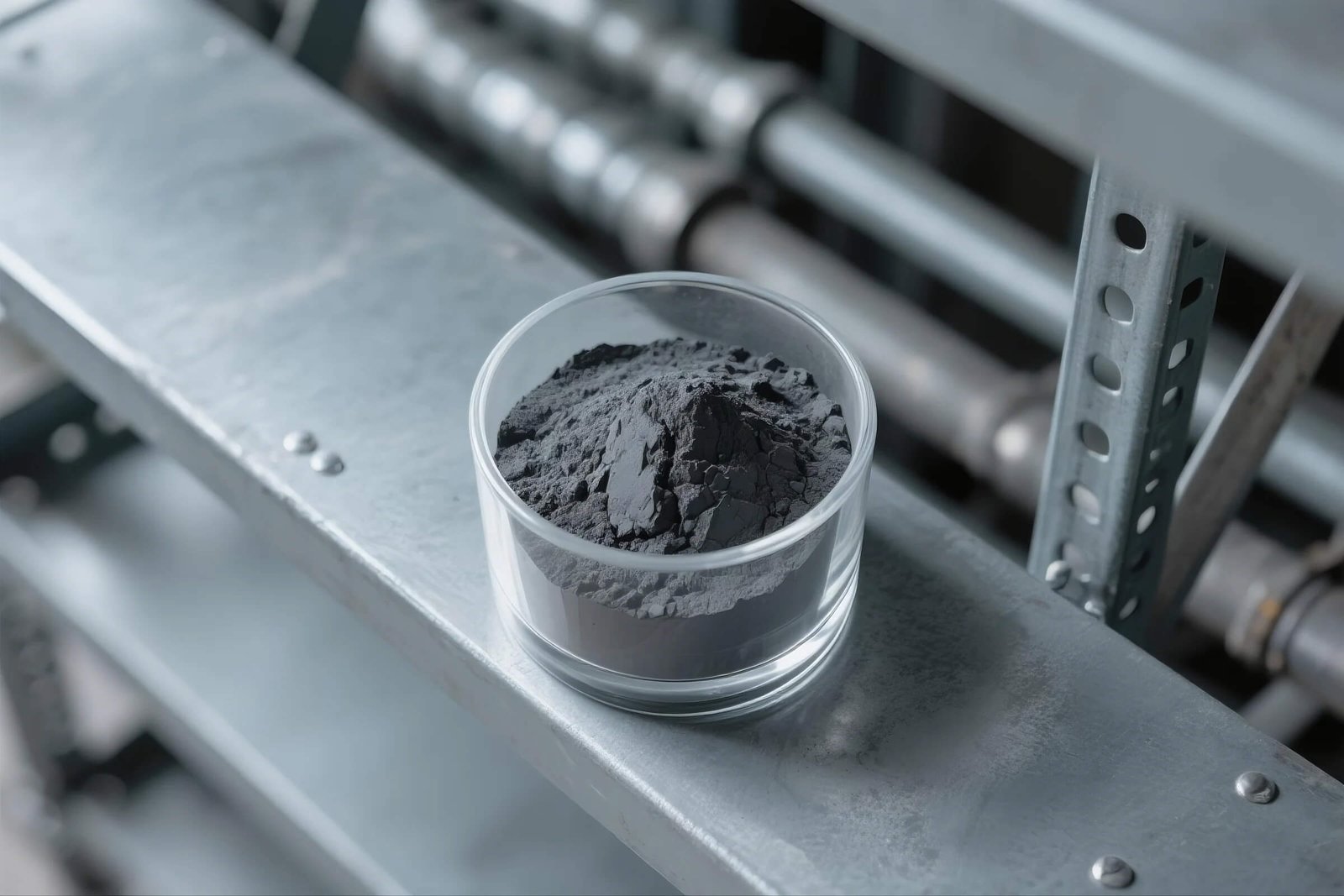
2. Regional Market Distribution
Asia-Pacific leads global production and consumption, accounting for ~60% of total demand, driven largely by China’s battery manufacturing and steel industry. North America represents ~20%, and Europe ~15%, with the remaining ~5% spread across other regions .
Regional Consumption (2023):
| Region | Share of Global Demand | Key Drivers |
|---|---|---|
| Asia-Pacific | 60% | China battery & steel, India growing electronics |
| North America | 20% | EV batteries, water treatment |
| Europe | 15% | Green energy, industrial batteries, glass |
| Rest of World | 5% | Emerging markets, small-scale industrial use |
Observation: Asia-Pacific dominance reflects both raw material access and regional manufacturing concentration.
3. End-Use Applications
EMD is predominantly consumed in battery production, accounting for ~90% of total usage in 2023. Secondary applications include water treatment, glass and ceramics, and chemicals/fertilizers.
End-Use Applications (2023, Grand View Research):
| Application | Share of Total Consumption | Example Industries |
|---|---|---|
| Batteries (Alkaline & Li-ion) | 90% | Electronics, EVs, energy storage |
| Water Treatment | 5% | Municipal & industrial filtration |
| Glass & Ceramics | 3% | Architecture, specialty glass |
| Chemicals & Fertilizers | 2% | Agrochemicals, pigments |
Detailed Battery Segment Breakdown:
Lithium-ion batteries: ~50% of battery consumption, mainly for portable electronics and EVs.
Alkaline batteries: ~40% of battery consumption, mainly household devices and industrial uses.
Trend: Lithium-ion battery demand is expected to grow faster than alkaline, reflecting the global EV market expansion.
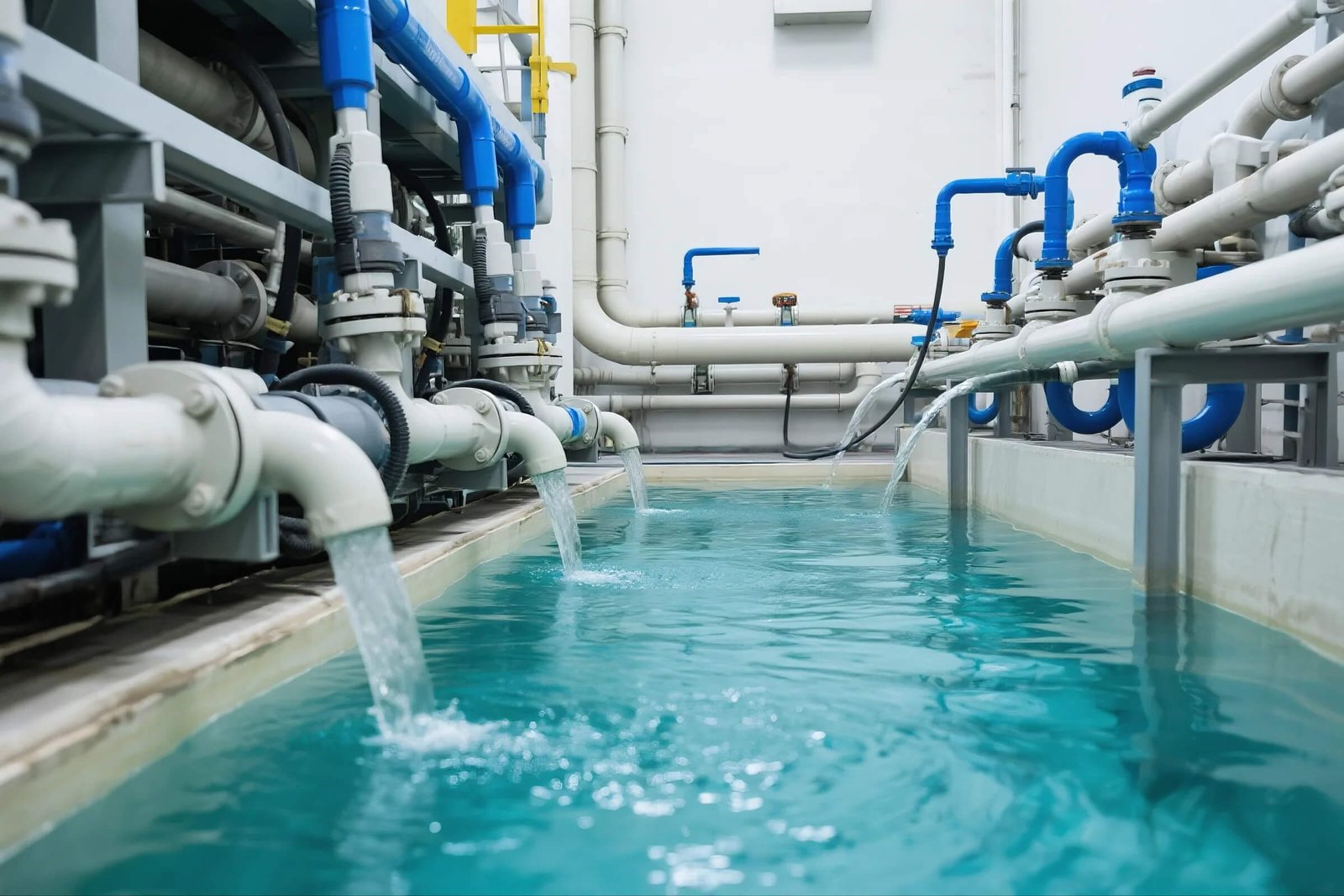
4. Raw Material Costs
Manganese ore is the primary raw material influencing MnO₂ prices. Spot prices fluctuate based on supply, futures markets, and inventory levels. For instance, in mid-2025, limited stockpiles and strong demand led to increased manganese ore prices .
Energy & Chemicals:
Energy (electricity) accounts for approximately 28–30% of EMD production cost per ton.
Sulfuric acid and other reagents add roughly 15–18% of production cost.
Labor and overhead: ~10–12% of total cost.
EMD Cost Breakdown (USD/ton, 2023 estimate):
| Cost Component | Share of Total | USD/ton |
|---|---|---|
| Manganese Ore | 37% | 650 |
| Electricity | 28% | 490 |
| Chemicals (Sulfuric Acid, Reagents) | 16% | 280 |
| Labor & Maintenance | 12% | 210 |
| Environmental Compliance | 7% | 120 |
| Total | 100% | 1,750 |
Insight: Ore and energy costs dominate, highlighting sensitivity of final MnO₂ pricing to global commodity prices.
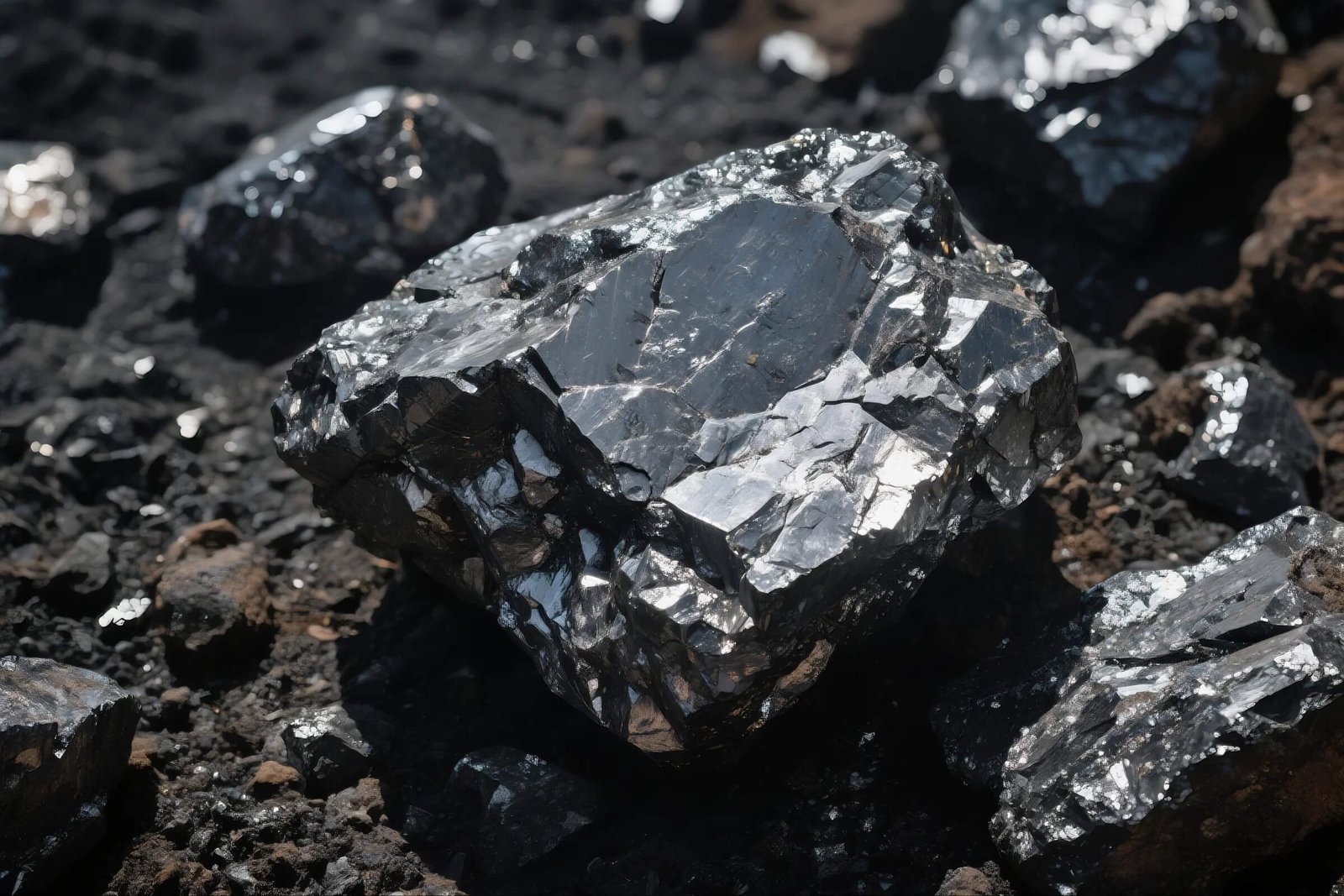
5. Production Methods & Technical Factors
Two primary production methods exist: Electrolytic Manganese Dioxide (EMD) and Chemical/Thermal Manganese Dioxide (CMD).
EMD – High purity (≥91%), mainly used for lithium-ion and alkaline batteries. High electricity consumption increases cost but ensures high quality.
CMD – Purity ranges 65–85%, suitable for industrial applications like glassmaking and water treatment. Lower energy consumption and cost, but not battery-grade.
EMD vs CMD Comparison:
| Factor | EMD | CMD |
|---|---|---|
| Purity | ≥91% | 65–85% |
| Cost (USD/ton) | 1,750 | 1,280 |
| Energy Consumption | High | Medium |
| Applications | Batteries | Glass, chemicals, water treatment |
| Environmental Impact | Energy intensive, low chemical waste | Less energy, higher chemical waste |
6. Regional Demand Trends
Asia-Pacific: ~60% of global demand, mostly battery-grade MnO₂.
China: ~45% of global MnO₂ demand, driven by EVs and electronics.
India: ~10%, growing with industrial electronics and alkaline batteries.
North America: 20%, primarily industrial batteries and water treatment.
Europe: 15%, driven by renewable energy, EV battery use, and glass production.
Annual Regional Growth (2023–2030, % CAGR):
| Region | CAGR |
|---|---|
| Asia-Pacific | 7.5% |
| North America | 6.5% |
| Europe | 6.0% |
Insight: Asia-Pacific grows faster than other regions due to strong battery and EV adoption.
7. Price Sensitivity & Drivers
Key factors affecting MnO₂ prices:
| Factor | Impact on Price | Notes |
|---|---|---|
| Manganese Ore Price | High | USD 1/dmtu change can shift EMD cost by ~USD 30–40/ton |
| Electricity Cost | High | 28–30% of production cost; electricity-intensive electrolysis |
| Chemicals | Medium | Sulfuric acid, reagents ~15–18% of total cost |
| Battery Demand | High | Over 90% of consumption; EV & electronics growth pushes prices up |
| Production Method | Medium | EMD vs CMD cost difference ~USD 470/ton |
| Regional Trade & Logistics | Medium | Tariffs, shipping costs, exchange rates |
Observation: Prices are most sensitive to raw material and energy costs, while production method and demand influence long-term trends.
8. Historical Price Data (Spot Price Trend)
| Year | MnO₂ Spot Price (USD/ton) | Ore Price (USD/dmtu) |
|---|---|---|
| 2019 | 1,500 | 1.10 |
| 2020 | 1,520 | 1.15 |
| 2021 | 1,580 | 1.20 |
| 2022 | 1,600 | 1.25 |
| 2023 | 1,750 | 1.30 |
Observation: Gradual increase reflects growing demand and raw material cost inflation.
9. FAQs
Q1: Which sector consumes the most MnO₂?
A: Batteries (~90% of global consumption).
Q2: What is the global EMD market CAGR?
A: 7.3% (2023–2030, Grand View Research).
Q3: What are the primary cost drivers?
A: Manganese ore and electricity.
Q4: Which region dominates MnO₂ consumption?
A: Asia-Pacific (~60%).
Q5: What is the difference between EMD and CMD?
A: EMD is high purity (≥91%) for batteries; CMD is lower purity (65–85%) for industrial uses.
10. Conclusion
Manganese dioxide pricing is driven by:
Raw material costs: Ore is the largest single cost.
Energy & chemicals: Electricity-intensive processes dominate EMD production.
Battery demand: Over 90% of usage is battery-related.
Production method: EMD is high-cost but necessary for battery-grade applications.
Regional trade: Asia-Pacific leads, influencing global pricing trends.
Related Products

manganese dioxide

manganese carbonate

manganese sand
Related Posts

I am Edward lee, founder of manganesesupply( btlnewmaterial) , with more than 15 years experience in manganese products R&D and international sales, I helped more than 50+ corporates and am devoted to providing solutions to clients business.