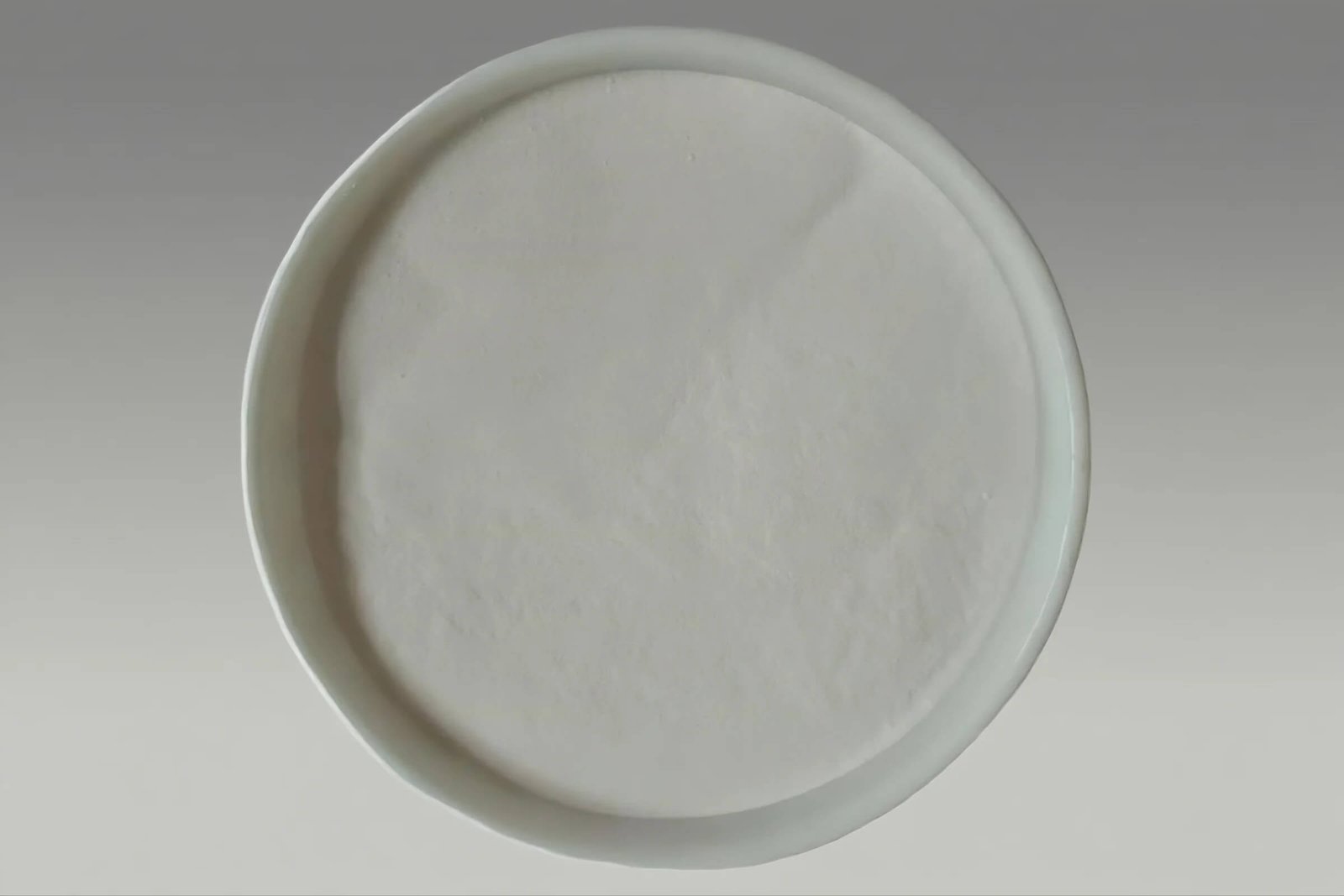
Manganese carbonate (MnCO₃) is one of the main manganese-based materials used in the fertilizer industry. It improves crop yield by correcting manganese deficiency in soil. This article explains why it is used, how it compares with other manganese sources, and what buyers should look for when sourcing manganese carbonate.
Role of Manganese in Plant Growth
Manganese is an essential micronutrient for plants. Although required in small amounts, it has significant effects on growth, yield, and crop quality.
Photosynthesis: Manganese is part of the oxygen-evolving complex in photosystem II, enabling plants to split water molecules and release oxygen.
Enzyme activation: More than 35 plant enzymes are activated by Mn, including those involved in nitrogen metabolism and carbohydrate breakdown.
Nutrient uptake: Mn improves the efficiency of phosphorus and nitrogen use in plants.
Deficiency symptoms include:
Interveinal chlorosis (yellowing between leaf veins, especially in young leaves).
Reduced photosynthesis efficiency.
Stunted root growth and lower yields.
According to the Food and Agriculture Organization (FAO), manganese deficiency affects more than 30% of agricultural soils worldwide, particularly sandy and alkaline soils.
Why Use Manganese Carbonate in Fertilizers
Manganese carbonate is one of the most common manganese sources in fertilizer production. It offers several technical and economic advantages compared with other manganese compounds.
1. High Mn Content
Manganese carbonate typically contains 44–45% Mn by weight. This high concentration makes it efficient for fertilizer blending, allowing producers to add a smaller quantity while still meeting micronutrient requirements.
2. Controlled Solubility
Unlike manganese sulfate, which dissolves very quickly in water, manganese carbonate has moderate solubility. This makes it a slow-release source of Mn, which prevents rapid leaching losses in soil. Farmers often prefer slow-release fertilizers in regions with heavy rainfall or sandy soils where nutrients wash out quickly.
Solubility of MnCO₃ in water (25°C): 0.065 g/L
Solubility of MnSO₄ in water (25°C): 700 g/L
This huge difference means manganese carbonate stays in the soil longer, providing a sustained Mn supply.
3. Soil pH Adaptability
In acidic soils, manganese carbonate slowly dissolves, releasing Mn²⁺ ions that plants can absorb.
In alkaline soils, it is more stable than MnSO₄, reducing risks of rapid oxidation to unavailable forms.
4. Stability in Fertilizer Blends
Manganese carbonate is less hygroscopic than MnSO₄. It does not easily absorb moisture, making it more stable during storage and when mixed into NPK fertilizers.
5. Cost-Effectiveness
While production cost is slightly higher than MnSO₄, the lower application rate and long-lasting effect make it economical for large-scale use.
Comparison with Other Manganese Sources
Fertilizer producers can choose among manganese carbonate, manganese sulfate, and manganese oxide. Each has different characteristics.
Table: Comparison of Common Manganese Sources for Fertilizers
| Parameter | Manganese Carbonate (MnCO₃) | Manganese Sulfate (MnSO₄·H₂O) | Manganese Oxide (MnO₂) |
|---|---|---|---|
| Typical Mn content (%) | 44–45% | 31–32% | 60–63% |
| Solubility in water (25°C) | 0.065 g/L (low) | 700 g/L (very high) | Insoluble |
| Release type | Slow-release | Fast-release | Very slow-release |
| Best use in soil type | Acidic & alkaline soils | Acidic soils | Long-term soil enrichment |
| Storage & handling | Stable, low hygroscopicity | Hygroscopic, may cake | Stable, but limited availability |
| Relative cost | Medium | Low | Low |
| Plant availability | High (gradual) | Very high (immediate) | Low (requires reduction) |
Key Insights:
Manganese Sulfate (MnSO₄): Best when crops need an immediate supply of Mn. However, it is prone to leaching and requires frequent application.
Manganese Oxide (MnO₂): Has the highest Mn content but is not easily absorbed by plants. Mostly used in long-term soil improvement or industrial applications.
Manganese Carbonate (MnCO₃): Offers a balance between content, availability, and stability, making it the preferred choice for many fertilizer producers.
Application in Fertilizer Industry
Manganese carbonate is versatile and can be used in several fertilizer formulations.
1. Direct Application as Micronutrient Fertilizer
Often granulated into single micronutrient fertilizers with Mn content ≥44%.
Typical soil application rate: 2–5 kg Mn/ha (depending on crop and soil deficiency).
2. Use in NPK Compound Fertilizers
Manganese carbonate is widely used in NPK (Nitrogen, Phosphorus, Potassium) blends. Its low solubility and stability prevent unwanted chemical reactions during storage.
Example: Adding 2–4% MnCO₃ to NPK 15-15-15 blends improves micronutrient balance.
This ensures uniform nutrient supply during the crop cycle.
3. Use in Foliar Fertilizers
Although MnCO₃ has low water solubility, advanced chelation or suspension technologies allow it to be used in liquid fertilizers or foliar sprays.
Typical concentration in foliar fertilizers: 1–3% Mn.
Foliar application rate: 200–400 g Mn/ha.
4. Fertilizer Coatings
Manganese carbonate can be applied as a coating on urea or NPK granules, creating a micronutrient-enriched product.
Benefits: improved micronutrient efficiency, longer release, lower environmental impact.
Key Quality Parameters to Consider When Buying Manganese Carbonate
When a buyer evaluates MnCO₃ for fertilizer use, several parameters are critical. Below are detailed ones, with suggested acceptable ranges backed by recognized practices / supplier data.
| Quality Parameter | Why It Matters | Acceptable Range / Data / Considerations |
|---|---|---|
| Mn Content (% by weight, elemental) | Determines how much product is needed; affects cost and blending ratios. Higher content means less filler. | ~ 44% Mn is standard for technical/fertilizer grade MnCO₃. Lower grades may drop to 40-42%, which increases required quantity. tropag.com+1 |
| Purity / Impurities | Impurities like Fe, Pb, Cd, As, Hg can reduce efficacy, cause phytotoxicity, or lead to heavy metal accumulation in soils / crops. Regulatory compliance depends on low heavy metals. | Heavy metals content: For example, Pb < 5 mg/kg; Cd < 1 mg/kg; As should be trace (< 5 mg/kg). Actual allowed limits depend on country / regulation (EU, USDA, etc.). Suppliers often provide certificates of analysis (CoA). |
| Moisture Content | High moisture leads to clumping, weight ambiguity, handling/storage/transport issues. | Typically ≤ 0.5% moisture; some technical grades may allow up to 1%, but dryer is better. |
| Particle Size / Surface Area | Smaller particles dissolve or release faster; for blends and foliar/suspension use, fine particle size helps. Uniform particle size helps in blending. | Technical grade: powder form, average particle size maybe < 50 µm; ultra-fine variants ~ 2 µm available (for special applications) as per some suppliers. tropag.com |
| Bulk Density & Flow Properties | Affects packaging volume, mixing behavior, dust generation, safety in handling. | Bulk density: e.g., ~2.8-3.2 g/cm³ for non-compacted MnCO₃; flowability improved when particle shape is spherical or granulated. |
| Solubility / Ksp Data | Buyers should know the Ksp (≈ 2.2×10⁻¹¹ at 25 °C) to estimate how fast Mn²⁺ becomes available. | Also test dissolution under different pH (e.g., 5.5, 6.5, 7.5) to see effectiveness in your target soil type. |
| Regulatory / Certification | To sell fertilizers in many markets, you need product to meet local fertilizer, chemical, and environmental standards. CoA, lab test, possible ISO / GMP / fertilizer-grade certifications. | Example: EU Fertilising Products Regulation (EU) 2019/1009 requires certain heavy metal limits; US EPA / state fertilizer boards require label claims to be accurate. |
| Physical Appearance / Stability | Color, odor (should be odorless), stability over storage (no adsorption of moisture, no clumping). | Technical MnCO₃ often light pink to light brown, odorless. Suppliers note “non-hygroscopic” or low moisture gain on storage. tropag.com+1 |
| Packaging / Transportability | Protection from moisture; packaging size; cost of freight; safe handling. | Commonly packed in moisture-proof sealed bags (25 kg) or jumbo bags (500-1000 kg). If product is ultra-fine powder, special handling to avoid dust; legal requirements for labeling may apply. |
Market Demand and Trends
According to MarketsandMarkets, the global micronutrient fertilizer market is projected to grow from USD 5.2 billion in 2024 to USD 7.4 billion by 2029 at a CAGR of 7.2%.
Manganese-based fertilizers account for 10–12% of this market.
Demand is strongest in Asia-Pacific (China, India, Southeast Asia) and Africa, where Mn deficiencies are common.
Environmental trends also favor manganese carbonate, as it provides controlled release and reduces risks of over-application compared with highly soluble salts.
Why Choose Us as Your Manganese Carbonate Supplier
As a professional supplier of manganese carbonate, we provide:
High Purity: ≥44% Mn, low impurities.
Stable Supply: Large production capacity and strong logistics network.
Customization: Available in powder, granule, or coated form.
Global Export Experience: Serving customers in Asia, Europe, Africa, and the Americas.
Conclusion
Manganese carbonate is a reliable and efficient source of manganese for fertilizers. Its combination of high Mn content, slow-release properties, soil adaptability, and storage stability makes it a strong choice for fertilizer producers and farmers. Compared with manganese sulfate and manganese oxide, it provides a balanced performance that supports both immediate and long-term crop needs.
For buyers looking for a stable and high-quality manganese carbonate supplier, choosing the right partner ensures consistent quality and better results in agriculture.
Related Products

manganese dioxide

manganese carbonate

manganese sand
Related Posts

I am Edward lee, founder of manganesesupply( btlnewmaterial) , with more than 15 years experience in manganese products R&D and international sales, I helped more than 50+ corporates and am devoted to providing solutions to clients business.