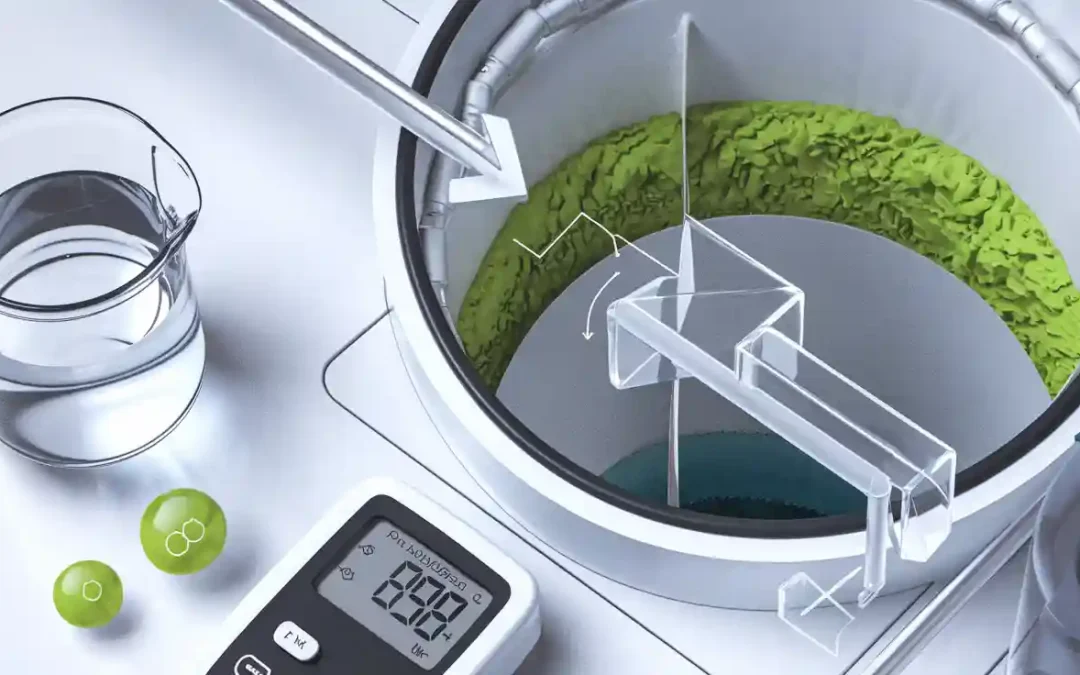
You should maintain the pH range for manganese greensand filtration between 6.5 and 8.5. Staying within this pH range for manganese greensand filtration protects the filter media and ensures effective removal of manganese from the water. If the pH falls outside this range, the filter’s performance may decline, and the media could deteriorate more quickly. Regularly monitoring your system’s pH range for manganese greensand filtration is essential to keep your filtration system safe and functioning properly.
- Keep the pH from 6.5 to 8.5. This helps remove manganese and keeps your filter safe.
- The filter works best when pH is 7.5 to 8.5. This makes the filter work faster and last longer.
- If pH is below 6.8, the filter can get damaged. You might see stains. It also removes less manganese and iron.
- If pH is above 8.5, water can look cloudy. Minerals can build up and make filtering harder.
- Test your water’s pH often. Change it if needed. You can use aeration, calcite neutralizers, or soda ash feeders. This keeps your system working well.
pH Range for Manganese Greensand Filtration

Recommended pH Levels
Keep the pH range for manganese greensand filtration between 6.5 and 8.5. This helps remove manganese and keeps your filter media safe. The best results happen when the pH is between 7.5 and 8.5. At these levels, manganese greensand filters work well. They change manganese in water into a solid that the filter can catch.
Tests in labs and real systems show that higher pH helps remove more manganese. When the pH is 10 or higher, removal is fast and almost complete. If the pH is lower, like 6 or 8, less manganese gets removed, even after many days. You need at least a pH of 7.5 for the best results. If your water’s pH is below 6.8, use a neutralizer or soda ash to raise it. This step protects the manganese dioxide coating on your filter media. It also helps your filter work the right way.
| pH Level | Manganese Removal Efficiency | Media Protection |
|---|---|---|
| <6.5 | Very Low | Media damage |
| 6.5–7.5 | Moderate | Acceptable |
| 7.5–8.5 | High (Optimal) | Best |
| >8.5 | May cause other issues | Stable |
Tip: Always test your water’s pH before and after you put in a manganese greensand filter. This helps you keep the right conditions for your system.
Why pH Matters
The pH range for manganese greensand filtration affects every part of the process. When you keep the pH in the right range, the manganese dioxide coating works well. This coating needs the right pH to change dissolved manganese into solid pieces. The filter can then trap these pieces.
Potassium permanganate helps the manganese dioxide coating work again. If the pH drops below 6.8, this process does not work as well. The filter media may lose its power, and the system will not remove manganese as well. The filter media may also not last as long if you do not use the right pH.
Manganese greensand filters also remove iron. Iron comes out best when the pH is above 6.8. But manganese needs a pH of 7.5 or higher to be removed well. If the pH goes above 8.5, you might get new problems, like colloidal iron. This kind of iron is harder to filter. You need to keep the pH balanced for the best results with both iron and manganese.
Some people think oxidizing filters work at any pH, but that is not true. If you do not control the pH, even the best filter media cannot remove manganese well. You need to check and adjust your pH often to keep your system working right.
Studies show that the pH range for manganese greensand filtration also changes how often you need to make your filter media work again. Lower pH means you need to do this more often, and your filter may not last as long. By keeping your pH in the right range, you protect your filter and get clean, safe water at home.
How Greensand Filtration Works
Filtration Process
Manganese greensand filters clean water using a special mineral media. This media has a manganese dioxide layer. When water moves through the filter, the media traps and changes dissolved metals. The main goal is to take out iron and manganese from water.
Here is what happens:
- Water goes into the filter and touches the manganese dioxide layer.
- The layer acts like a helper. It turns dissolved iron and manganese into solid bits.
- The filter media holds onto these solid bits.
- You wash out the trapped solids during backwashing.
You can make the filter work better by adding an oxidant like potassium permanganate. This keeps the media ready to remove more iron and manganese. Some systems add oxidant every time they run. Others only add it when needed.
Role of pH
The pH level in water affects how well the filter works. When pH is higher, the manganese dioxide surface gets more negative. This helps it grab and hold manganese ions better. If pH drops, the surface charge gets weaker, and the filter removes less manganese.
The main chemical reactions in the filter need the right pH. For example, manganese ions stick to the media and change into solid manganese dioxide. This works best when the water is alkaline. If water is too acidic, the filter cannot catch or change manganese well.
| Chemical Reaction / Process | Description | Influence of pH |
|---|---|---|
| Mn(II) adsorption and oxidation: Mn2+ + MnO(OH)2(s) → MnO2 + 2H+ | Manganese ions stick to the media and turn into solid manganese dioxide. | Alkaline pH helps remove more manganese. Acidic pH makes it harder. |
| Redox reaction involving Fe(II): MnO2(s) + 2Fe2+ + 4H+ → Mn2+ + 2Fe3+ + 2H2O | The filter changes iron so it can be removed from water. | Acidic pH helps this, but too much acid is not good. |
| Regeneration modes | Oxidants keep the media working for iron and manganese removal. | pH changes how well the media can be used again. |
Note: Always test your water’s pH before using manganese greensand filters. The right pH helps the filter work well and last longer.
pH and Manganese Removal
Effect on Oxidation
You must watch the pH when removing manganese from water. Studies show pH decides how fast manganese turns solid. This solid form is what your filter can catch. If you keep pH above 7.5, the manganese dioxide in your filter works better. At this pH, oxygen or oxidizing filters remove manganese faster. If pH drops below 7.5, oxidation slows down. Manganese stays dissolved, so your filter cannot catch it well.
When pH is higher, like above 9, manganese changes quickly. But this is not easy for most homes. Home systems work best with pH between 7.5 and 8.2. This range gives the best results for iron and manganese removal. Using potassium permanganate or another oxidant helps remove manganese faster at these pH levels. You also stop problems with incomplete oxidation. This means less manganese left in your water.
Tip: Always test your pH before removing iron and manganese. If pH is too low, raise it first for better results.
Media Longevity
The pH of your water affects how long your filter media lasts. Keeping pH in the right range protects the manganese dioxide coating on greensand. This coating is what makes the filter work well. If pH gets too low, the coating can break down. Then you must regenerate your filter more often. You may also need to replace the media sooner.
A steady pH saves you money. Regenerating with potassium permanganate costs more and needs care. Some systems use ozone or air as oxidants. These work best when pH is higher. If you keep pH steady, your filter lasts longer and works better.
Keep pH between 7.5 and 8.5 for best results.
Test your water often to find pH changes early.
Adjust pH as needed to protect your filter media.
A good pH means your system will remove iron and manganese well for years.
Problems with Incorrect pH

Low pH Issues
If your water’s pH drops below 6.8, you can have problems. Acidic water can hurt your manganese greensand filter media. This makes your filter not last as long. It also makes it harder to remove manganese and iron. You might see brown stains in your sinks or tubs. These stains happen when iron comes out of your pipes. Acidic water can also react with brass and copper. This leaves green stains on your fixtures. Corrosion gets worse when the water is acidic. Bad metals like lead and copper can get into your water from pipes.
Your filter will not work as well. It cannot change and catch manganese or iron easily. You may see more stains, taste changes, or smells in your water. To help your system, use a neutralizing filter or soda ash feeder. These tools raise the pH and help your filter work right.
Note: Always test your water’s pH before you put in a manganese greensand filter. If your pH is under 6.8, fix it first.
Common problems with low pH:
Media damage and shorter filter life
Iron in water and brown stains
Green stains on sinks and fixtures
Corrosion and metals in water
Poor manganese and iron removal
High pH Issues
If your pH is above 8.5, you can have other problems. You might see white or chalky stains. These stains come from minerals in the water. High pH can make colloidal iron form. Colloidal iron is hard for your filter to remove. You may notice cloudy water or tiny bits that do not settle.
Your filter media stays safe at high pH, but water quality can get worse. You might taste changes or see scale in pipes and appliances. High pH can also make some chemical treatments not work as well.
pH Level | Problems You May See |
|---|---|
<6.8 | Corrosion, staining, media damage |
>8.5 | Scaling, cloudy water, taste issues |
Tip: Keep your pH between 7.5 and 8.5 for the best results. Test your water often to stop these problems and keep your water safe.
Problems with Incorrect pH
Low pH Issues
If your water’s pH drops below 6.8, you can have problems. Acidic water can hurt your manganese greensand filter media. This makes your filter not last as long. It also makes it harder to remove manganese and iron. You might see brown stains in your sinks or tubs. These stains happen when iron comes out of your pipes. Acidic water can also react with brass and copper. This leaves green stains on your fixtures. Corrosion gets worse when the water is acidic. Bad metals like lead and copper can get into your water from pipes.
Your filter will not work as well. It cannot change and catch manganese or iron easily. You may see more stains, taste changes, or smells in your water. To help your system, use a neutralizing filter or soda ash feeder. These tools raise the pH and help your filter work right.
Note: Always test your water’s pH before you put in a manganese greensand filter. If your pH is under 6.8, fix it first.
Common problems with low pH:
Media damage and shorter filter life
Iron in water and brown stains
Green stains on sinks and fixtures
Corrosion and metals in water
Poor manganese and iron removal
High pH Issues
If your pH is above 8.5, you can have other problems. You might see white or chalky stains. These stains come from minerals in the water. High pH can make colloidal iron form. Colloidal iron is hard for your filter to remove. You may notice cloudy water or tiny bits that do not settle.
Your filter media stays safe at high pH, but water quality can get worse. You might taste changes or see scale in pipes and appliances. High pH can also make some chemical treatments not work as well.
pH Level | Problems You May See |
|---|---|
<6.8 | Corrosion, staining, media damage |
>8.5 | Scaling, cloudy water, taste issues |
Tip: Keep your pH between 7.5 and 8.5 for the best results. Test your water often to stop these problems and keep your water safe.
Testing and Adjusting pH
How to Test pH
You should check your water’s pH before and after it goes through your manganese greensand filter. This helps you find problems early and keeps your filter working well. Use a digital pH meter or test strips for fast results. Always read and follow the directions on your test kit to get the best reading.
Best ways to test pH in home water systems:
Test the pH of your water before it goes into the filter. If the pH is under 7.0, your water is acidic and needs fixing.
Test the pH again after you use a neutralizer or chemical treatment to make sure it worked.
Do not use mixed mineral media that say they treat manganese and raise pH together. These can cause problems later.
Use single media acid neutralizers like calcite or calcite plus in a backwashing tank for better results.
Test your water at least once a month, or more if you see changes in how your water looks or tastes.
Tip: Do not believe advice that says a pH close to 6.8 is “good enough.” Water this acidic can hurt your filter and make it harder to remove manganese.
Adjusting pH Levels
If your water’s pH is too low, you have a few ways to raise it and keep your filter safe:
Aeration: This method takes out extra carbon dioxide from water, which makes the pH go up. Aeration is a good first step and does not cost much.
Calcite Neutralizer: Put a backwashing tank with calcite or calcite plus in your system. When water moves through, the media dissolves and raises the pH.
Soda Ash Feeder: Use a pump to add soda ash (sodium carbonate) to your water. This lets you change the pH exactly and also makes the water more alkaline.
Chemical Dosing: For more control, add weak caustic soda or soda ash before your filter. This works best when you need to change both pH and alkalinity.
Method | How It Works | When to Use |
|---|---|---|
Aeration | Takes out CO₂, raises pH | Mild acidity, low cost |
Calcite Neutralizer | Dissolves minerals, raises pH | Regular pH adjustment |
Soda Ash Feeder | Adds sodium carbonate, raises pH | Exact, adjustable needs |
Chemical Dosing | Adds chemicals, raises pH/alkalinity | High control, tough water |
You should not let your pH fall below 7.0. Acidic water can hurt your filter media and make it harder to remove manganese. Test your water often and fix the pH quickly to keep your system working well. If you need to lower pH, ask a water treatment expert, because this is not common in homes.
Note: Checking your pH often helps your filter last longer and keeps your water clean. Set a reminder to test your pH every month for the best results.
Keeping the right pH in your manganese greensand filter helps your water stay clean and makes your filter last longer. If you keep pH between 6.7 and 8.8, your filter can take out iron and manganese better.
The right pH helps metals change into solids that your filter can trap.
When pH stays steady, your filter does not clog as much and you do not need to backwash as often.
Good pH keeps your filter media safe from harm, so it works for more years.
Check your water’s pH a lot and change it if you need to. Doing this helps keep your water safe and your filter working well.
FAQ
What happens if you do not keep the pH in the right range?
If you let the pH go too low or too high, your filter will not remove manganese well. The media can break down faster. You may see stains, bad taste, or cloudy water.
How often should you test the pH in your system?
You should test your water’s pH at least once a month. If you notice changes in water color, taste, or stains, test more often. Regular checks help you catch problems early.
Can you use any pH test kit for manganese greensand filtration?
You should use a test kit designed for drinking water. Digital meters give the most accurate results. Always follow the instructions for your kit to get a correct reading.
What is the best way to raise low pH for your filter?
Method | How It Helps |
|---|---|
Calcite Tank | Raises pH slowly |
Soda Ash Feeder | Raises pH quickly |
Aeration | Removes CO₂, raises pH |
Tip: Always adjust pH before water enters your manganese greensand filter for best results.
Related Products

manganese dioxide

manganese carbonate

manganese sand
Related Posts

I am Edward lee, founder of manganesesupply( btlnewmaterial) , with more than 15 years experience in manganese products R&D and international sales, I helped more than 50+ corporates and am devoted to providing solutions to clients business.