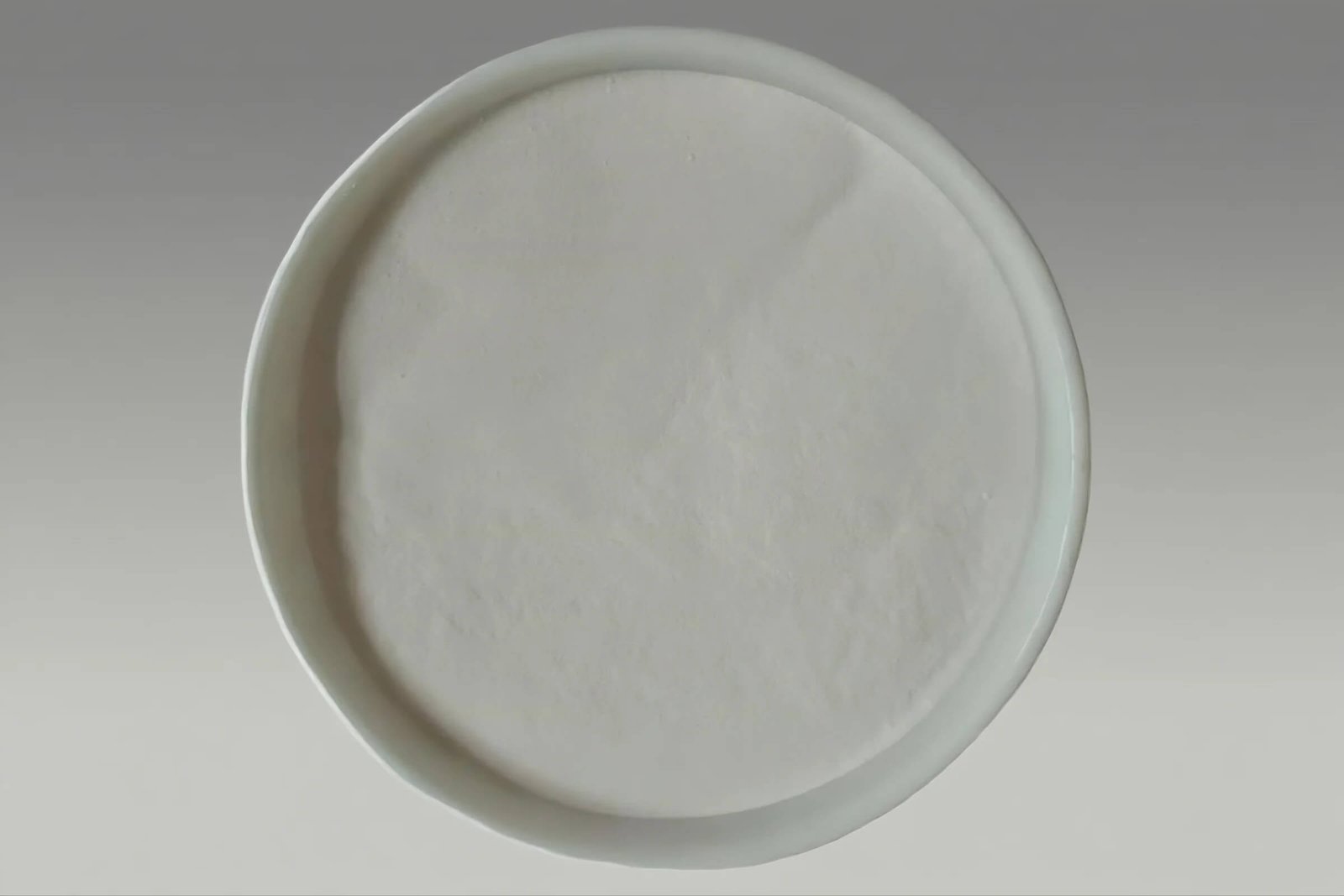
Manganese carbonate (MnCO₃) is an important chemical used in batteries, ceramics, fertilizers, and other industrial applications. For many buyers, especially new customers or overseas clients, ordering samples is the first step to verify product quality and establish a long-term supply relationship. Understanding the sample ordering process can save time, reduce risk, and improve confidence in the supplier.
The first step in ordering manganese carbonate samples is contacting the supplier. Customers usually provide information such as:
Product specifications (Mn content, particle size, moisture, purity)
Intended application (battery material, ceramic, fertilizer)
Sample quantity required
Delivery destination and preferred shipping method
Example Inquiry:
“Hello, I am interested in manganese carbonate for battery use. I need a sample of 1 kg with Mn content ≥ 44%, particle size 50–200 mesh. Please provide the quotation and shipping details.”
Tips for Effective Inquiry
Specify chemical requirements clearly
MnCO₃ content (usually 40–44% for battery grade)
Moisture content (<0.5%)
Particle size (50–200 mesh standard, can be customized)
Mention intended use
Helps the supplier suggest suitable product grade.
Include destination and timeline
International shipping may require customs documents or compliance with regulations.
we often come across situations like this : please quote price for 25-50kg manganese carbonate. Such inqury has no requirment for specifications, leading to low efficient communication
Step 2: Quotation & Confirmation
Once the supplier receives the inquiry, they provide a sample quotation. Key points usually include:
Sample fee: Some suppliers charge a small fee for sample preparation and shipping. Others may offer free samples for potential bulk buyers.
Minimum order quantity (MOQ) for bulk purchase: Clarifying this helps buyers plan future orders.
Payment terms: Prepayment via wire transfer (T/T), PayPal, or credit card is common.
Example Quotation Table:
| Item | Quantity | Price per kg | Sample Fee | Shipping |
|---|---|---|---|---|
| Manganese Carbonate | 1 kg | USD 50 | USD 0 (first sample free) | DHL Express, 3–5 days |
| Manganese Carbonate | 5 kg | USD 48 | N/A | DHL Express, 3–5 days |
Notes:
Suppliers may waive sample fees for first-time buyers to encourage testing.
Confirmation usually requires buyers to approve specifications and payment method.
- In reality, some suppliers provide only fedex service for chemical products.
Step 3: Sample Preparation & Quality Check
After confirming the order, the supplier prepares the manganese carbonate sample. This step ensures the sample matches the specifications and is safe for shipping.
Quality Checks Typically Include:
| Test Item | Standard / Requirement | Purpose |
|---|---|---|
| Mn content | ≥ 44% | Ensure chemical performance |
| Fe content | ≤ 0.05% | Prevent contamination in battery or ceramic applications |
| Moisture | ≤ 0.5% | Prevent caking or quality loss |
| Particle size | 50–200 mesh | Ensure consistency for application |
Suppliers usually provide a test report or certificate of analysis (COA).
Packaging should prevent moisture, leakage, or contamination. For example, manganese carbonate is often packed in polyethylene bags with outer carton.
Step 4: Shipping & Delivery
Shipping manganese carbonate requires attention to logistics and safety. Although MnCO₃ is not classified as highly hazardous, suppliers follow regulations for chemical transport.
Common Shipping Methods:
| Destination | Method | Transit Time | Notes |
|---|---|---|---|
| USA / Europe | Express courier (DHL, FedEx, UPS) | 3–7 days | Fast, convenient, door-to-door |
| Bulk orders | Sea freight | 15–30 days | Cost-effective for large quantities |
| Asia | Air freight | 3–5 days | Faster for urgent orders |
Tips:
Check customs regulations
Some countries require import permits for chemical substances.
Track shipment
Couriers usually provide tracking numbers.
Inspect upon arrival
Verify packaging integrity and product label.
Step 5: Feedback & Bulk Orders
Once the sample arrives, buyers can test it for application-specific performance, such as:
Battery-grade MnCO₃: Verify electrochemical performance
Ceramic-grade MnCO₃: Check color, solubility, and firing characteristics
Fertilizer-grade MnCO₃: Confirm bioavailability and particle size
After evaluation, buyers may provide feedback to the supplier and proceed with bulk orders. A smooth sample process often leads to long-term collaboration, higher trust, and better pricing for larger quantities.
Tips to Ensure a Smooth Sample Ordering Process
Provide clear specifications
Accurate Mn content, particle size, and moisture requirements reduce errors.
Ask for COA or lab report
Helps confirm product meets industrial standards.
Clarify shipping cost and delivery time
Avoid surprises, especially for international shipments.
Confirm sample policy
Some suppliers offer first-time samples free; others charge a small fee.
Document communication
Keep email or WhatsApp records for reference.
Example of a Complete Sample Process Flow
FAQ: Sample Ordering for Manganese Carbonate
1. What is the minimum sample quantity for manganese carbonate?
Typical sample quantities range from 0.5 kg to 5 kg, depending on the supplier and application. First-time samples are often smaller.
2. Are manganese carbonate samples free?
Some suppliers offer free samples for potential bulk buyers. Others may charge a small fee for preparation and shipping. Special cases may be negotiated.
3. How long does it take to receive a sample?
Express shipping: 3–7 days internationally
Air freight: 3–5 days
Sea freight: 15–30 days (for bulk or large samples)
4. What quality information is provided with samples?
Suppliers usually provide a Certificate of Analysis (COA) or lab report, including Mn content, moisture, particle size, and trace metal impurities (like Fe, Pb, or Cu).
5. Can I request a custom particle size or Mn content?
Yes, many suppliers can produce custom samples according to your specifications, but it may affect preparation time and price.
6. How should manganese carbonate samples be stored?
Keep in a dry, cool place
Avoid exposure to moisture or sunlight
Seal after opening to prevent contamination
7. Can the sample process guarantee bulk order quality?
Samples provide a preview of the quality, but bulk orders may have minor variations. Choosing a reliable supplier and verifying COA is essential.
Conclusion
Ordering manganese carbonate samples is a critical first step for buyers to evaluate product quality, supplier reliability, and logistics efficiency. A well-structured sample process saves time, reduces risk, and lays the foundation for a successful long-term supply relationship.
By following the steps outlined—Inquiry, Quotation, Sample Preparation, Shipping, and Feedback—buyers can ensure smooth procurement while suppliers demonstrate professionalism and reliability.
Related Posts

I am Edward lee, founder of manganesesupply( btlnewmaterial) , with more than 15 years experience in manganese products R&D and international sales, I helped more than 50+ corporates and am devoted to providing solutions to clients business.