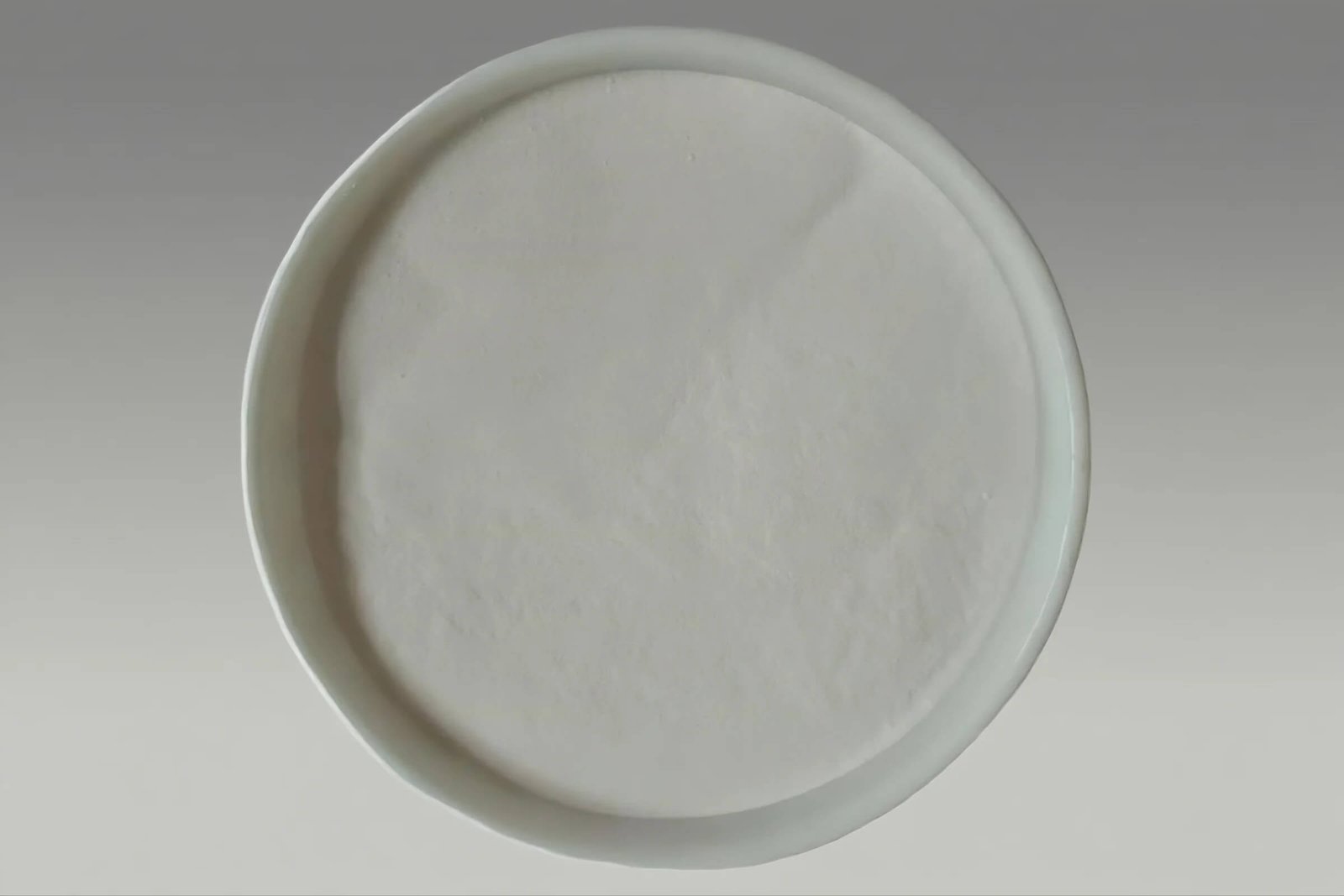
Manganese carbonate (MnCO₃) is an important raw material used in many industries. It is widely applied in:
Battery materials: precursor for electrolytic manganese dioxide (EMD) and lithium manganese oxide (LiMn₂O₄) cathodes.
Steel and metallurgy: as an additive to improve strength and resistance.
Fertilizers: to provide essential manganese micronutrients for soil.
Ceramics and pigments: as a colorant and flux.
Water treatment: for filtration materials.
China is the largest producer and exporter of manganese carbonate in the world. Many buyers choose China because of its strong mining base, developed processing technology, and competitive prices.
But ordering chemicals from overseas also involves risks: fake suppliers, low-quality products, unclear specifications, unsafe payment methods, and customs delays. This blog will show you step by step how to order manganese carbonate from China safely.
Step 1: Verify Supplier Legitimacy
Before you order, the most important step is to confirm that the supplier is real and trustworthy.
China has several manganese mining bases, but Hunan Province is especially famous for its rich manganese ore resources. Many manganese carbonate suppliers are located in Hunan, and most of them already have strong export experience. Buyers often find that suppliers from this region can provide better balance of quality and price compared to other areas.
So when verifying suppliers, you may want to give priority to factories in Hunan or suppliers who can show clear mining and processing capacity there. This does not mean suppliers outside Hunan are unreliable, but it is a useful reference point when shortlisting options.
How to check?
Business license
Ask for the Chinese business license.
Verify the company name, registration number, and address.
You can check on the official Chinese business registration platform (National Enterprise Credit Information Publicity System).
Certifications
ISO 9001 (Quality Management System).
SGS or Intertek product test reports.
REACH registration for EU buyers.
Physical address and factory photos
A real manufacturer should have a production base.
Ask for factory videos or arrange a third-party inspection.
Export history
Reliable suppliers can share past export records.
Check if they have experience shipping to your country.
Red flags of unreliable suppliers
Very low prices (much lower than market average).
No certificate of analysis (COA) or unwilling to share samples.
Communication only by personal emails (e.g., Gmail, Yahoo) instead of a company domain.
Pressure for 100% upfront payment.
???? Example: According to SGS, in 2022 they reported multiple fraud cases where overseas buyers paid cheap offers for “battery-grade manganese carbonate” but received low-purity powder below 20% Mn instead of ≥44% Mn required for industry use.
???? Checklist for Step 1
Check business license
Verify ISO/SGS/REACH
Request factory photos or videos
Ask for export records
Search for supplier’s name online for complaints
???? Extra tip: Check if the supplier has a stable source of ore in Hunan, which usually ensures consistent Mn% content and competitive pricing.
Step 2: Understand Manganese Carbonate Specifications
Not all manganese carbonate is the same. Different industries require different purities and particle sizes.
Typical Specification Ranges
| Grade | Mn Content (%) | Fe (%) | Moisture (%) | Particle Size | Application |
|---|---|---|---|---|---|
| Battery Grade | ≥ 44% | ≤ 0.01 | ≤ 0.5 | D50 = 2–5 µm | EMD, Li-ion batteries |
| Industrial/Metallurgy | 42–44% | ≤ 0.05 | ≤ 1.0 | D50 = 10–20 µm | Steel, ceramics |
| Fertilizer Grade | 40–42% | ≤ 0.1 | ≤ 2.0 | Granular (mesh 30–100) | Agriculture |
| Water Treatment | 40–44% | ≤ 0.05 | ≤ 1.0 | Granular 8×30 mesh | Filter material |
(Source: International Manganese Institute, Chinese National Standards GB/T 14949-2017)
Why it matters?
Battery industry requires very fine particle size (2–5 µm) for uniform chemical reactions.
Steel making focuses on high Mn% and low Fe% to avoid impurities.
Fertilizers prefer granules for easy soil absorption.
Water treatment demands controlled particle size (8×30 mesh) for stable filtration.
???? Checklist for Step 2
Confirm required Mn% purity
Check Fe, moisture, and impurity limits
Verify particle size distribution (D50 or mesh size)
Compare supplier COA with international standards
Step 3: Quality Assurance and Testing
Never rely only on a supplier’s words. Always request documentation and test samples.
Important Documents
COA (Certificate of Analysis)
Lists Mn%, Fe%, moisture, and other impurities.
Should be issued for each batch.
MSDS (Material Safety Data Sheet)
Provides safety and handling instructions.
Required for international shipping.
Third-party test reports
From SGS, Intertek, or BV.
Independent confirmation of product quality.
Testing methods
XRF (X-Ray Fluorescence) to measure Mn% content.
Laser particle size analyzer for D50 particle size.
Moisture analyzer to check water content.
According to ASTM E1621-13, XRF is an accepted method to measure manganese content with ±0.1% accuracy.
???? Checklist for Step 3
Request COA
Confirm MSDS availability
Arrange third-party testing
Test samples before large order
Step 4: Secure Payment Methods
Payment is one of the biggest risks in international trade.
Safe payment methods
Letter of Credit (L/C)
Most secure for large orders.
Payment released only when documents match the contract.
T/T (Telegraphic Transfer)
Common method: 30% deposit, 70% against bill of lading.
Avoid 100% upfront.
PayPal or Credit Card
Suitable for small sample orders.
Buyer protection available.
Escrow services
Platforms like Alibaba offer escrow, where money is held until goods are confirmed.
Unsafe methods
Western Union / MoneyGram – high risk, no buyer protection.
100% advance payment to unknown suppliers.
???? Checklist for Step 4
Use L/C or T/T with deposit
Avoid full advance payment
Use escrow for new suppliers
Keep all transaction records
Step 5: Logistics and Customs Clearance
Manganese carbonate is a non-hazardous inorganic chemical, but shipping requires proper documentation.
Packaging
25 kg PP woven bags with inner plastic liner.
Jumbo bags (500–1000 kg) for bulk shipments.
HS Code
HS Code: 28365000 (Carbonates of manganese).
Shipping methods
Sea freight: most common for bulk cargo.
Air freight: for urgent small orders.
Customs documents required
Commercial invoice
Packing list
Bill of lading
Certificate of origin
MSDS
(Source: UN Comtrade Database, Chinese Export Customs Guide 2023)
???? Checklist for Step 5
Confirm HS code with freight forwarder
Ensure proper packaging (bags/jumbo bags)
Prepare MSDS and COA for customs
Choose experienced freight forwarder
Step 6: Build Long-Term Partnership
Safe buying is not only about the first order, but also about long-term cooperation.
Benefits of working with real manufacturers
Stable quality control.
Competitive prices (no middleman).
Ability to customize specifications (particle size, Mn%).
Reliable supply capacity.
Tips for long-term cooperation
Visit factory if possible, or arrange online video inspection.
Keep regular communication about production schedule.
Start with small trial orders before scaling up.
Common Mistakes to Avoid
Choosing only by price
Example: Some traders offer manganese carbonate at 30% lower than market price. In many cases, the product had Mn% less than 20%.
Not checking particle size
Wrong particle size can make material unusable for batteries or water treatment.
Ignoring export experience
New suppliers may not know customs regulations, causing delays or rejections.
Not providing clear information in emails
Many Chinese suppliers are non-native English speakers. If your email is too vague, they may not fully understand your needs.
Always give clear details such as:
Required quantity (e.g., “20 metric tons per month”)
Particle size (e.g., “D50 = 3 µm” or “8×30 mesh”)
Intended use (e.g., “for Li-ion battery cathode” or “for fertilizer blending”)
- This will help suppliers quote faster and more accurately, and avoid misunderstandings later.
???? Example:
Instead of writing “Please quote manganese carbonate,” write:
“Please quote manganese carbonate, battery grade, Mn ≥ 44%, D50 = 3–5 µm, 20 MT for shipment to Hamburg, Germany.”
Conclusion
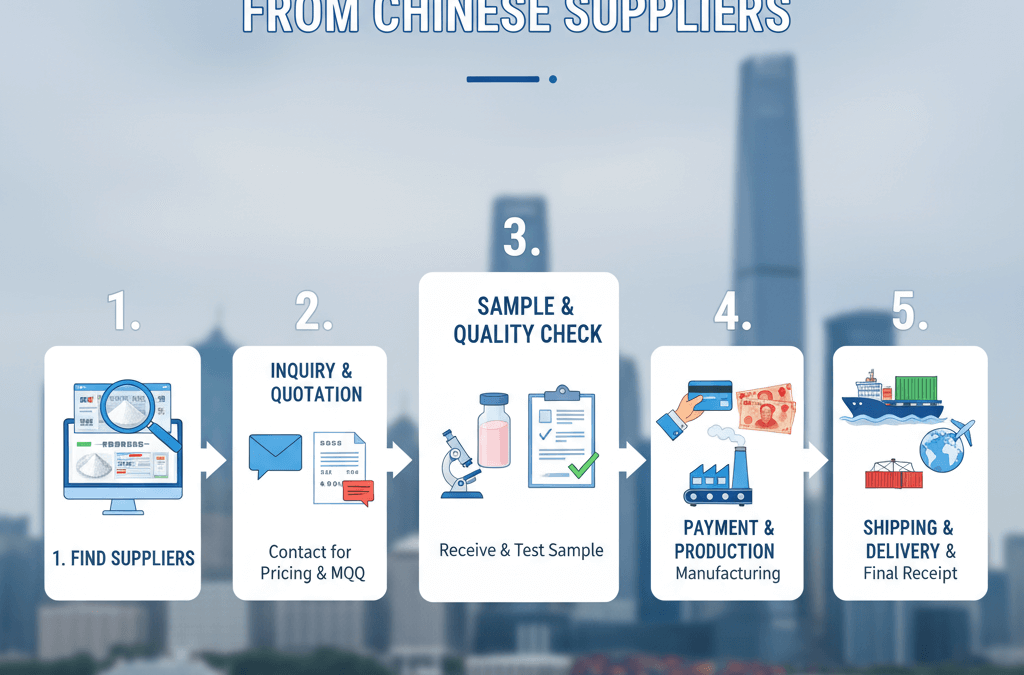
Ordering manganese carbonate from China can be safe and efficient if you follow the right steps:
Verify supplier legitimacy.
Understand the correct specifications.
Confirm quality with COA and testing.
Use safe payment methods.
Ensure proper logistics and customs clearance.
Build long-term partnerships with reliable manufacturers.
China has strong advantages in manganese carbonate production, but buyers must avoid scams, low-quality materials, and risky payments. By using the checklists and advice in this guide, you can protect your business and get the right product.
???? If you are looking for a trusted manganese carbonate factory, we provide:
≥44% Mn content, low impurities.
Custom particle size for batteries, fertilizers, and filtration.
SGS-tested quality, with COA and MSDS for each shipment.
Export experience to the USA, EU, and Southeast Asia.
???? Contact us today to request a free COA sample and the latest manganese carbonate price.
Related Products

manganese dioxide

manganese carbonate

manganese sand
Related Posts

I am Edward lee, founder of manganesesupply( btlnewmaterial) , with more than 15 years experience in manganese products R&D and international sales, I helped more than 50+ corporates and am devoted to providing solutions to clients business.