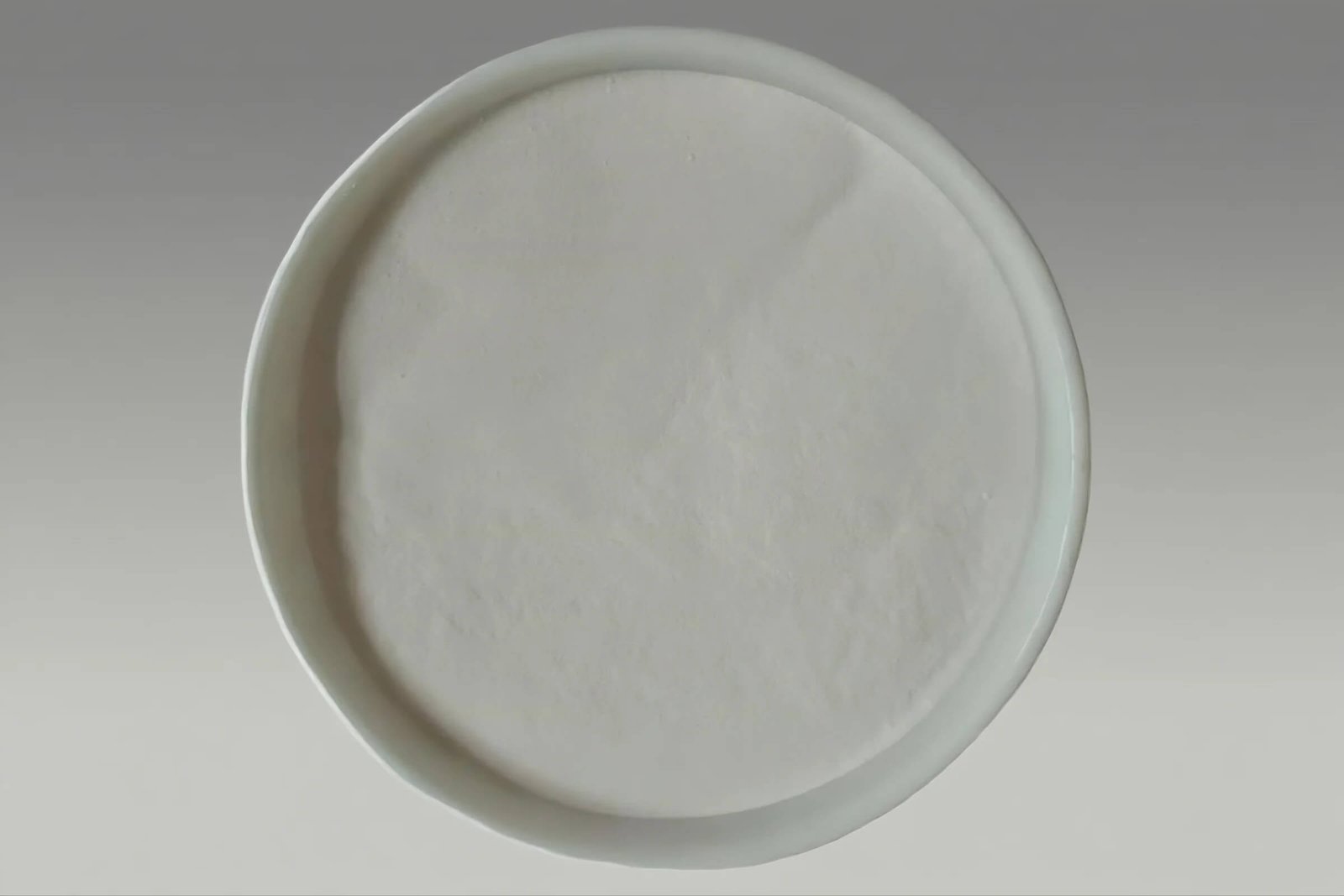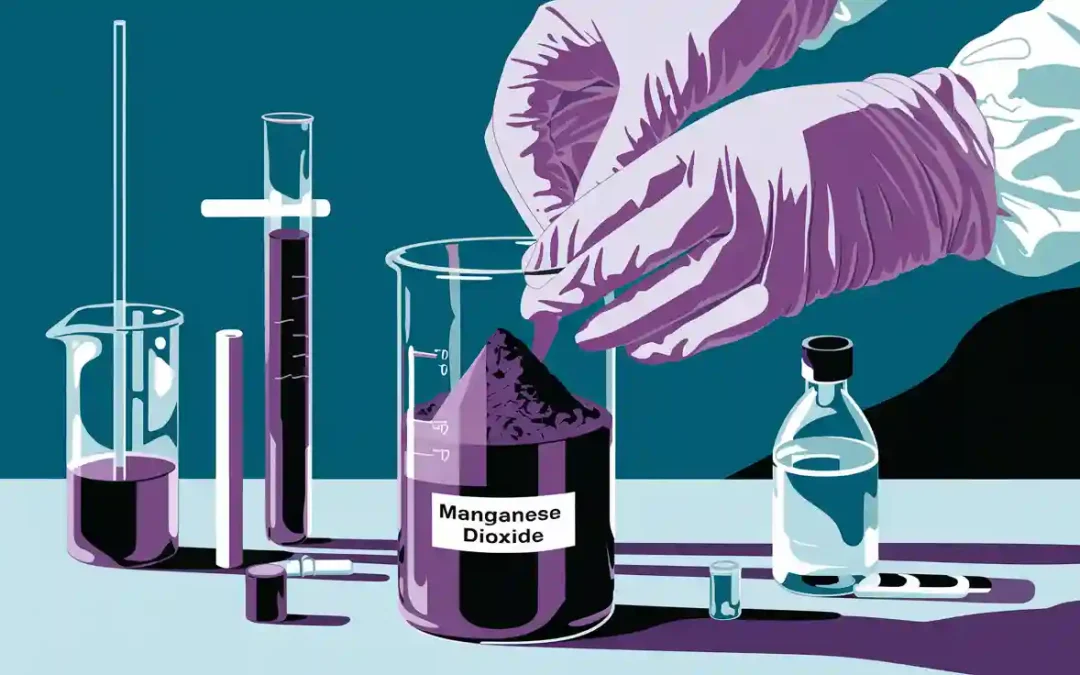
If you’re interested in how to make manganese dioxide, the most common approach is through a chemical reaction. Typically, you mix manganese sulfate with potassium permanganate. This lab method is effective and produces reliable results. When learning how to make manganese dioxide, always use proper equipment and wear safety gear, as some steps can be hazardous. There are several methods including:
- The hydrothermal method, which uses water under high heat and pressure for very pure manganese dioxide
- The sol–gel method, where you mix liquids to form gels and then heat them
- Wet chemical reduction, an easy-to-control process
- Green synthesis, which uses plant-based materials for a more eco-friendly approach
If you want to know how to make manganese dioxide from recycled materials, there are guides for extracting it from old batteries. For safe and high-quality supplies, consider checking btlnewmaterial.
Key Takeaways
You can make manganese dioxide in different ways. You can use chemical reactions, green methods, or recycle old batteries. Each way has its own steps and safety rules.
Always wear safety gear when you work with chemicals. Use gloves, goggles, and masks to keep yourself safe. This is important when you open batteries too.
Use pure chemicals and the right tools to make good manganese dioxide. This is very important if you want to use it for batteries or special projects.
Filter, wash, and dry manganese dioxide with care. This helps remove things that should not be there. It also keeps it active and ready to use.
Keep manganese dioxide in a cool, dry place. Put it in a sealed container. Keep it away from sunlight and strong oxidizers. This helps keep it safe and stable.
Materials Needed
Chemicals
To make manganese dioxide in the lab, you need some main chemicals. The most used ones are manganese sulfate and potassium permanganate. These two will react and make manganese dioxide. You can also use natural manganese dioxide if you want a simpler way. Other helpful chemicals are sulfuric acid, ammonium carbonate, sodium chlorate, and water. Each chemical is used in different ways to make manganese dioxide.
Here’s a list of what you might need:
Manganese sulfate (MnSO₄)
Potassium permanganate (KMnO₄)
Natural manganese dioxide (MnO₂)
Sulfuric acid (H₂SO₄)
Ammonium carbonate ((NH₄)₂CO₃)
Sodium chlorate (NaClO₃)
Water
When you choose your chemicals, look at how pure they are. Most labs use high-purity or lab-grade chemicals. If you want to use manganese dioxide for batteries or planes, get FA grade manganese dioxide. This kind is a powder with 76-82% MnO₂. It is stable and can partly dissolve in water. Using pure chemicals helps your results and keeps things safe.
Equipment
You do not need expensive tools, but you need the right ones. Before you begin, gather these items:
Glass beakers and flasks (for mixing and reactions)
Stirring rod or magnetic stirrer
Measuring cylinders or pipettes (for accurate measurements)
Filter paper and funnel (for separating solids)
Heat source (like a hot plate)
Tongs or heat-resistant gloves (for handling hot items)
Drying oven or a safe place to air-dry your product
Tip: Always use glass or ceramic containers. Some chemicals can damage metal or plastic.
Safety Gear
Safety is very important! You will use strong chemicals and sometimes heat. Make sure you have:
Safety goggles ???? (to protect your eyes)
Chemical-resistant gloves ???? (to keep your hands safe)
Lab coat or apron (to protect your clothes and skin)
Face mask or respirator (if you’re working with powders or fumes)
Access to running water or an eye wash station
Never forget your safety gear. Even if you feel sure of yourself, accidents can happen quickly. Keep your workspace neat and tidy. If you spill something, clean it up right away. Stay safe and have fun with your experiment!
How to Make Manganese Dioxide
Chemical Synthesis
You can make manganese dioxide in a lab with a simple reaction. This way gives you a lot of pure manganese dioxide. Here are the steps you can follow:
First, get manganese(II) oxide or manganese(II) carbonate. You can buy these from lab stores like btlnewmaterial.
Next, mix your manganese compound with strong sulfuric acid. This makes manganese(II) sulfate. Always add acid to water, not water to acid. This helps stop splashing.
Then, put potassium permanganate into the manganese(II) sulfate mix. Add a little more sulfuric acid to keep it acidic.
You will see a brown or black solid appear. That is your manganese dioxide.
Use filter paper and a funnel to separate the solid from the liquid.
Wash the solid with water to clean off extra chemicals.
Dry the manganese dioxide in an oven or let it air-dry in a safe spot.
Here is the main reaction that happens:
3MnSO₄ + 2KMnO₄ + 2H₂O → 5MnO₂ (solid) + K₂SO₄ + 2H₂SO₄
You can also try the sol-gel method. In this way, you mix potassium permanganate with an ethanol-water mix. Add hydrogen peroxide and polyvinyl alcohol, then stir. A brown powder will show up. This is manganese dioxide. Wash and dry it to get a fine powder for many uses.
Purity Level | Yield Characteristics | Notes | |
|---|---|---|---|
Chemical Precipitation | High purity | Not specified | Easy and cheap, but the particles may look different |
Solid-phase Method | Lower purity | High yield | Simple and fast, but the product can stick together |
Hydrothermal Method | Good crystallinity | Not specified | Makes nice crystals, but needs high heat and pressure |
Sol-gel Method | High purity | Not specified | Smooth powder, but takes longer and may stick together when heated |
Safety Tip: Manganese dioxide is a strong oxidizer. It can react with other chemicals and cause fires or explosions. Always wear gloves, goggles, and a mask. Work where there is fresh air. Do not breathe in dust or fumes. Keep manganese dioxide away from things that can burn.
If you want to make manganese dioxide for batteries or other projects, chemical synthesis gives you a pure product. You can get all the chemicals and tools you need from btlnewmaterial.
Extraction from Batteries
You can also get manganese dioxide from old batteries. This is a good way to recycle and learn how to make manganese dioxide at home. Most alkaline and carbon-zinc batteries have a lot of manganese dioxide—sometimes up to 43% by weight.
Here is how you can do it:
Put on your safety gear. Wear gloves, goggles, and a mask. Work in a place with good airflow.
Carefully open the battery. Use pliers or cutters to take off the metal cover. Be gentle so nothing spills.
Take out the plastic and cardboard layers. Remove the positive end and the carbon rod.
Look for the black paste inside. This is manganese dioxide mixed with other stuff.
Scoop out the black paste. Try not to get any cardboard or paper in it.
Rinse the paste with water. This helps wash away salts and other chemicals.
Use filter paper to separate the solid manganese dioxide from the liquid.
Dry the manganese dioxide. Let it air-dry or use a drying oven.
Note: The manganese dioxide from batteries is not pure. It can have zinc chloride, ammonium chloride, carbon, and even small bits of paper. For most simple uses, washing with water is enough. If you need it cleaner, soak it in weak sulfuric acid, then rinse and dry it again.
Parameter | Value/Range |
|---|---|
Manganese content in alkaline batteries | |
Manganese leaching yield (non-selective) | 83.7–99.3% |
Zinc leaching yield (non-selective) | 95.6–99.7% |
Safety Alert: Never use batteries that look broken or leaking. Some chemicals inside can be harmful. Always wash your hands after touching battery parts. Do not eat or drink while working.
Getting manganese dioxide from batteries is a fun way to recycle, but the product is not as pure as lab-made manganese dioxide. If you want very pure manganese dioxide for special projects, you should buy it from a trusted store like btlnewmaterial.
If you want to know how to make manganese dioxide in different ways, both chemical synthesis and getting it from batteries are good choices. Each way has its own steps and safety rules. Always stay safe and follow the instructions carefully.
Purification
Filtering
After you get your manganese dioxide, you need to filter it. This step removes leftover liquid and small pieces. You want your manganese dioxide to be as pure as you can make it. The best way is to use a filter that catches tiny bits.
Membrane filters with pores from 0.2 to 1 micron work well. They help separate dissolved manganese from solid manganese dioxide. If you need to catch even smaller pieces, use ultrafiltration membranes. These have pores about 0.02 microns wide. Some labs use special ultrafiltration membranes with cutoffs like 10,000 or 30,000 Dalton. These help remove very small colloidal manganese.
Tip: For super clean manganese dioxide, try a reverse osmosis membrane. These have very tiny pores, about 0.0001 microns. This method gives you very pure manganese dioxide. But it may be more than you need for home or school projects.
Manganese dioxide made by hydrothermal methods has mesoporous structures. These have pores from about 5.4 to 7.5 nanometers. These pores trap impurities and help your filtering work better.
Washing and Drying
After filtering, you need to wash your manganese dioxide. This step gets rid of leftover chemicals or salts. Use clean water and pour it gently over the filtered manganese dioxide. Repeat this until the water looks clear.
Now you need to dry your manganese dioxide. Spread the wet powder on a tray or use filter paper. If you have a drying oven, set it to a low heat and let it dry slowly. Big labs or factories use belt dryers or rotary flash dryers. Belt dryers move the paste on a belt with warm air. Rotary flash dryers use hot air and spinning to dry the powder fast.
Note: Drying at a low temperature keeps the manganese dioxide active. It also stops it from clumping together. If you do not have a dryer, let it air-dry in a safe, clean place.
When it is dry, your manganese dioxide is ready for the next step or storage. Careful filtering and drying help you get the purest product!
Manganese Dioxide Electrodes
Preparation
You can make manganese dioxide electrodes at home or in a lab. If you made manganese dioxide with chemical synthesis, you get a pure powder. This powder works well for electrodes. If you got it from batteries, you can still use it. But it might not be as clean.
To make manganese dioxide electrodes, start with a clean metal or carbon piece. You can use carbon paper, silver foil, or nickel. Spread a thin layer of manganese dioxide paste on the surface. Some people add a binder to help it stick. You can also use a one-step electrodeposition method. This way, you can change the shape and size of the manganese dioxide. You do this by changing the solution and how you add electricity. For example, use a manganese sulfate solution with water. Put manganese dioxide right onto carbon paper. This makes a strong electrode. You do not need glue or extra steps.
Big labs use electrolysis in sulfuric acid with manganese sulfate. They use titanium or graphite as the base. They control the temperature and electricity. This helps the coating stay smooth and not crack. These manganese dioxide electrodes work well in batteries. They are used in zinc–carbon and alkaline batteries. They also help in new batteries like lithium-ion and sodium-ion batteries.
Here is a quick table showing how different metals work as a base for manganese dioxide electrodes:
Substrate | Specific Capacitance (F/g) | Cycle Stability (%) |
|---|---|---|
Silver | 198 | 89 |
Nickel | 150 | N/A |
Aluminum | 101 | N/A |
Silver foil gives the best results. But you can use other metals if you need to.
Safety Tips
Always be careful when making manganese dioxide electrodes. Wear gloves, goggles, and a lab coat. If you use acids like sulfuric acid, pour acid into water. Never pour water into acid. Acids can burn your skin and eyes. High heat can also burn you. Use tongs or heat-resistant gloves. Work in a place with good airflow. Do not breathe in dust or fumes. If you spill something, clean it up right away. Keep your workspace neat. Never eat or drink near your experiment.
⚠️ Remember: Safety is most important! Go slow and check each step before you begin.
Usage and Storage
Handling
You will find manganese dioxide in many places. It powers batteries in your remote controls, flashlights, and even electric vehicles. Factories use it to make glass, ceramics, and pigments for paints and textiles. Water treatment plants rely on it to clean water. Electronics companies use it in semiconductors and other tiny parts. You might even see it as a mineral supplement in animal feed.
When you handle manganese dioxide, always put safety first. Wear gloves and goggles to protect your skin and eyes. The powder can get messy, so work in a spot with good airflow. Try not to breathe in the dust. If you spill some, clean it up right away with a damp cloth. Never eat or drink near your work area. Wash your hands after you finish.
Tip: If you use manganese dioxide for science projects or battery making, keep your workspace tidy. Label all your containers. This helps you avoid mistakes and keeps everyone safe.
Storage Tips
Manganese dioxide stays stable if you store it the right way. You want to keep it in a dry place, away from moisture. Use a sealed container, like a glass jar with a tight lid. Store it somewhere cool and out of direct sunlight. Keep it away from strong oxidizers and other reactive chemicals. This helps prevent any unwanted reactions and keeps your manganese dioxide pure.
Here’s a quick table to help you remember:
Storage Step | What to Do |
|---|---|
Container | Use airtight glass or plastic jars |
Location | Store in a cool, dry place |
Away from | Keep away from strong oxidizers |
Sunlight | Avoid direct sunlight |
If you follow these tips, your manganese dioxide will last a long time. You will always have it ready for your next experiment or project.
There are a few ways to make manganese dioxide. You can use chemical synthesis, take it from batteries, or try green methods. Electrolytic manganese dioxide is the purest kind. It works best if you want to use it in batteries. Always put on your safety gear before you start. Follow each step carefully so you stay safe. Make sure your chemicals come from a trusted supplier with good certifications. btlnewmaterial is a good place to buy them.
Keep your manganese dioxide in a closed container. Store it somewhere dry and out of sunlight. This keeps it safe and ready for when you need it next!
FAQ
How pure does my manganese dioxide need to be for battery projects?
If you want to make batteries, you need high-purity manganese dioxide. Lab-made or electrolytic manganese dioxide works best. Battery-grade powder usually has 76–82% MnO₂. If you use recycled battery material, your results may not be as good.
Can I make manganese dioxide without strong acids?
Yes, you can try the sol-gel or green synthesis methods. These ways use milder chemicals and sometimes plant extracts. You still need to follow safety rules. If you skip acids, your product may not be as pure.
Is it safe to extract manganese dioxide from batteries at home?
You can do it, but you must wear gloves, goggles, and a mask. Old batteries can leak harmful chemicals. Always work in a place with good airflow. Never use damaged or leaking batteries.
What should I do if I spill manganese dioxide powder?
Stay calm. Wear gloves and a mask. Use a damp cloth or paper towel to clean up the powder. Avoid sweeping, as this can spread dust. Wash your hands after cleaning.
Related Products

manganese dioxide

manganese carbonate

manganese sand
Related Posts

I am Edward lee, founder of manganesesupply( btlnewmaterial) , with more than 15 years experience in manganese products R&D and international sales, I helped more than 50+ corporates and am devoted to providing solutions to clients business.