Manganese dioxide (MnO₂) is one of the most widely used manganese compounds in the world. It plays a critical role in batteries, water treatment, glass, ceramics, and metallurgy. According to the U.S. Geological Survey (USGS), global manganese production reached 21 million metric tons in 2022, and China accounted for more than 30% of the global supply of manganese-related products.
Because of this strong production base, many international buyers choose to import manganese dioxide from China. In this article, we explain in simple terms how to do it step by step, what to watch out for, and how to select the right supplier.
What is Manganese Dioxide?
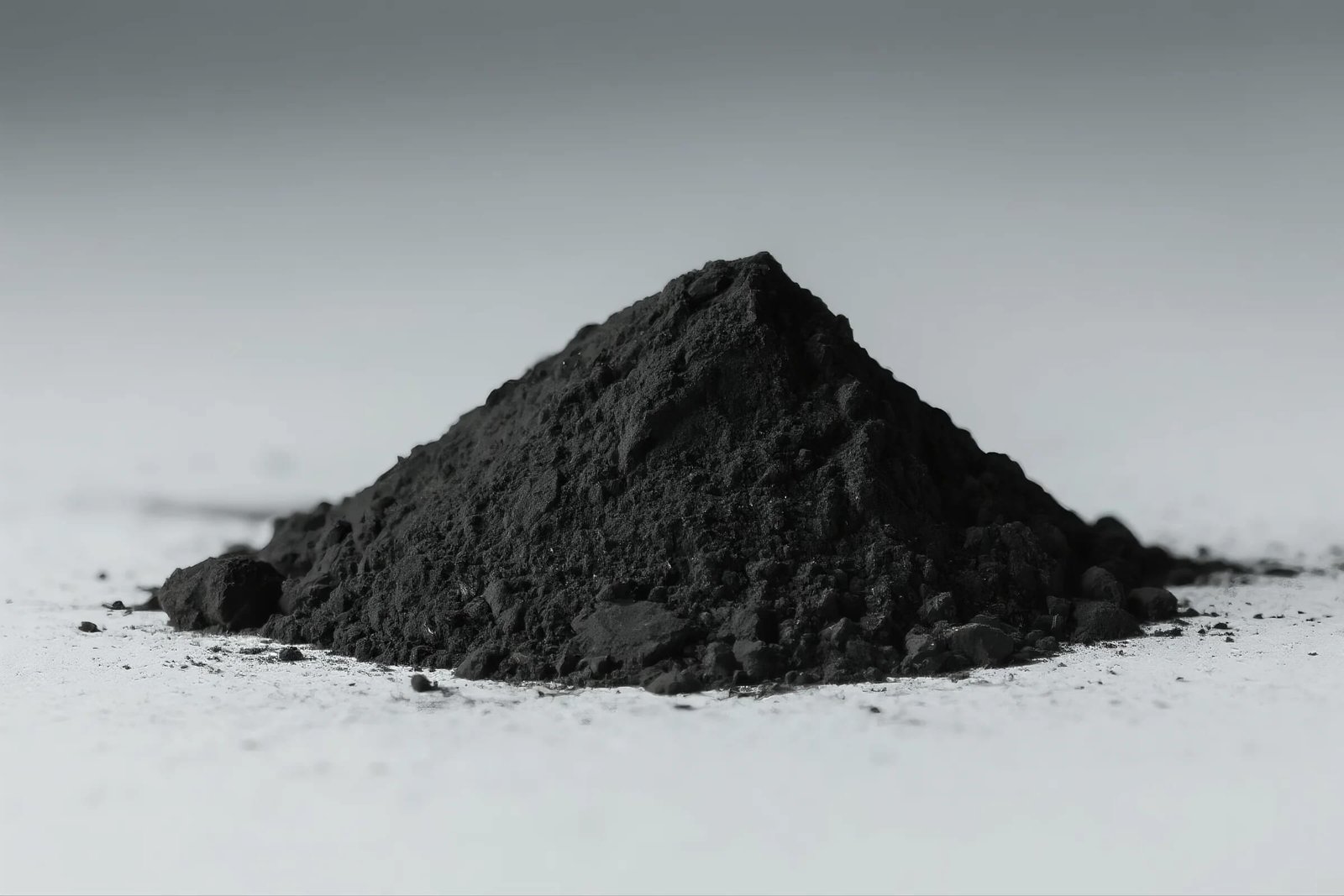
Manganese dioxide is an inorganic compound with the chemical formula MnO₂. It is a black or dark brown powder or granular material.
Different grades are available depending on purity and particle size. Below is a comparison:
Table 1: Common Grades of Manganese Dioxide
| Grade Type | Purity (MnO₂ %) | Main Use | Example Specification | Source |
|---|---|---|---|---|
| Electrolytic (EMD) | ≥ 91–92% | Batteries (alkaline, lithium) | High surface area, low heavy metals | |
| Chemical (CMD) | 70–85% | Dry cell batteries, catalysts | Medium purity, controlled particle size | ScienceDirect |
| Natural (NMD) | 40–70% | Glass, ceramics, metallurgy | Raw ore with impurities | USGS Data |
Why Import from China?
Global Production Hub
China supplies a large portion of the world’s manganese dioxide.
According to Roskill market research, China’s electrolytic manganese dioxide (EMD) capacity exceeds 400,000 tons/year, the highest in the world.
Competitive Price
The average export price of MnO₂ from China is 15–30% lower than equivalent products from Europe or the U.S., based on 2022 trade statistics.
Wide Range of Products
From battery grade to water treatment grade, Chinese factories can meet different requirements.
Export Experience
Many Chinese suppliers already work with U.S. and EU buyers and can provide documentation like COA, MSDS, and SGS reports.
Key Considerations Before Importing
1. Quality Standards
Battery Grade: Purity ≥ 91% MnO₂, Fe < 0.05%, Cu < 0.01%.
Water Treatment Grade: Focus on particle size (0.5–2 mm) and adsorption capacity.
Industrial Grade: Purity 60–85%, suitable for pigments and glass.
2. Packaging Options
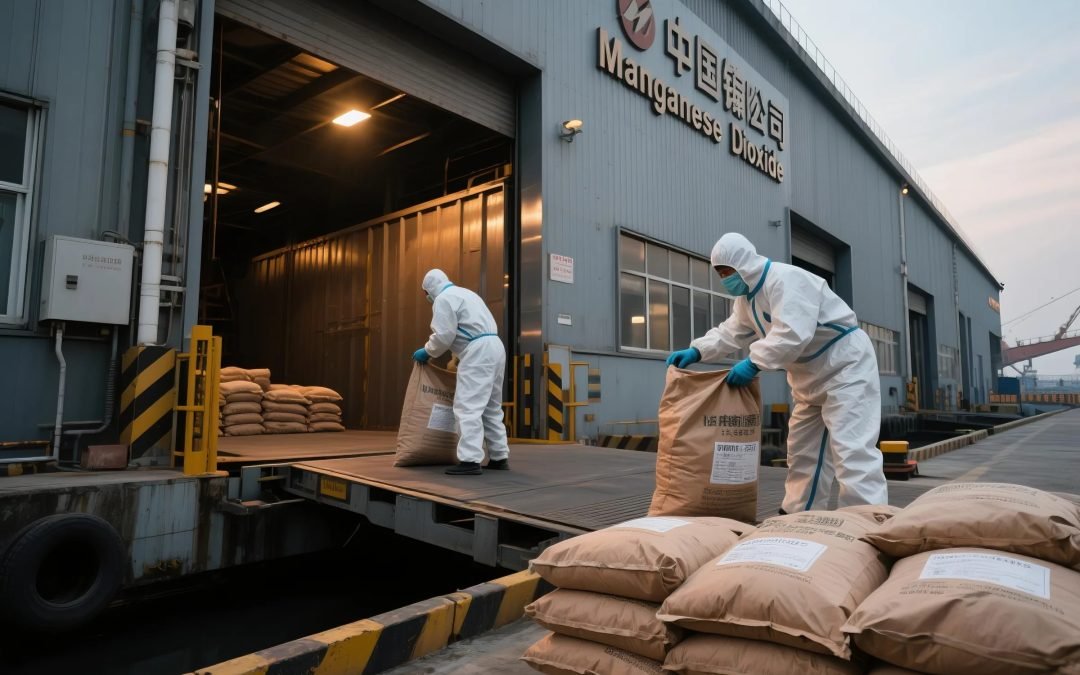
25 kg plastic-lined woven bags.
1,000 kg jumbo bags for bulk orders.
3. Certification
Most buyers ask for ISO 9001 quality management certification.
For Europe, REACH compliance may be required.
For the U.S., OSHA and EPA guidelines apply to handling and importing chemicals.
Step-by-Step Import Guide
Step 1: Identify the Right Supplier
Check if the supplier is a direct manufacturer (factories ensure better consistency).
Verify export experience and ask for references from existing clients.
Step 2: Request Samples and Technical Data
Always test samples in your lab before placing a large order.
Request a Certificate of Analysis (COA) and Material Safety Data Sheet (MSDS).
Step 3: Negotiate Price and Terms
Prices depend on purity, particle size, packaging, and order volume.
Example: Battery-grade MnO₂ (≥91% purity) FOB China Port in 2023 traded at $2,000–2,400 per ton.
Step 4: Understand Trade Terms
Here is a simple comparison:
Table 2: Common Trade Terms (Incoterms)
| Term | Responsibility for Cost | Risk Transfer Point | Typical Use |
|---|---|---|---|
| FOB (Free on Board) | Buyer pays freight & insurance | When goods are on board ship | Large shipments |
| CIF (Cost, Insurance, Freight) | Seller pays for transport & insurance | When goods arrive at destination port | New buyers |
| DDP (Delivered Duty Paid) | Seller pays all costs incl. customs | Buyer’s warehouse | Small buyers who want simplicity |
???? Learn more from International Trade Administration – Incoterms.
Step 5: Customs Clearance
Check your country’s HS Code for manganese dioxide (HS Code: 282090).
Prepare documents: COA, MSDS, Certificate of Origin, Bill of Lading.
U.S. importers must comply with EPA Toxic Substances Control Act (TSCA). (EPA TSCA).
Step 6: Delivery
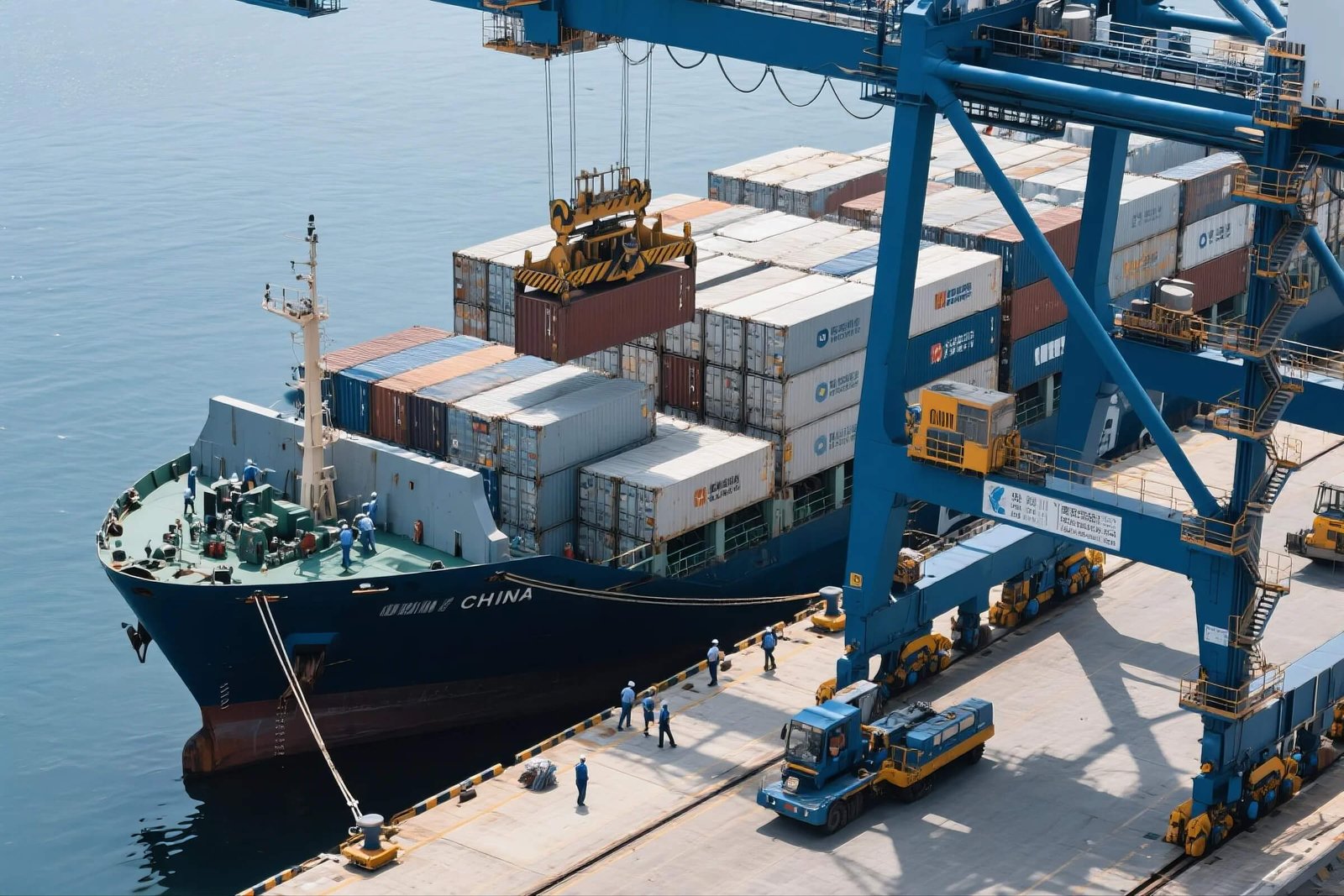
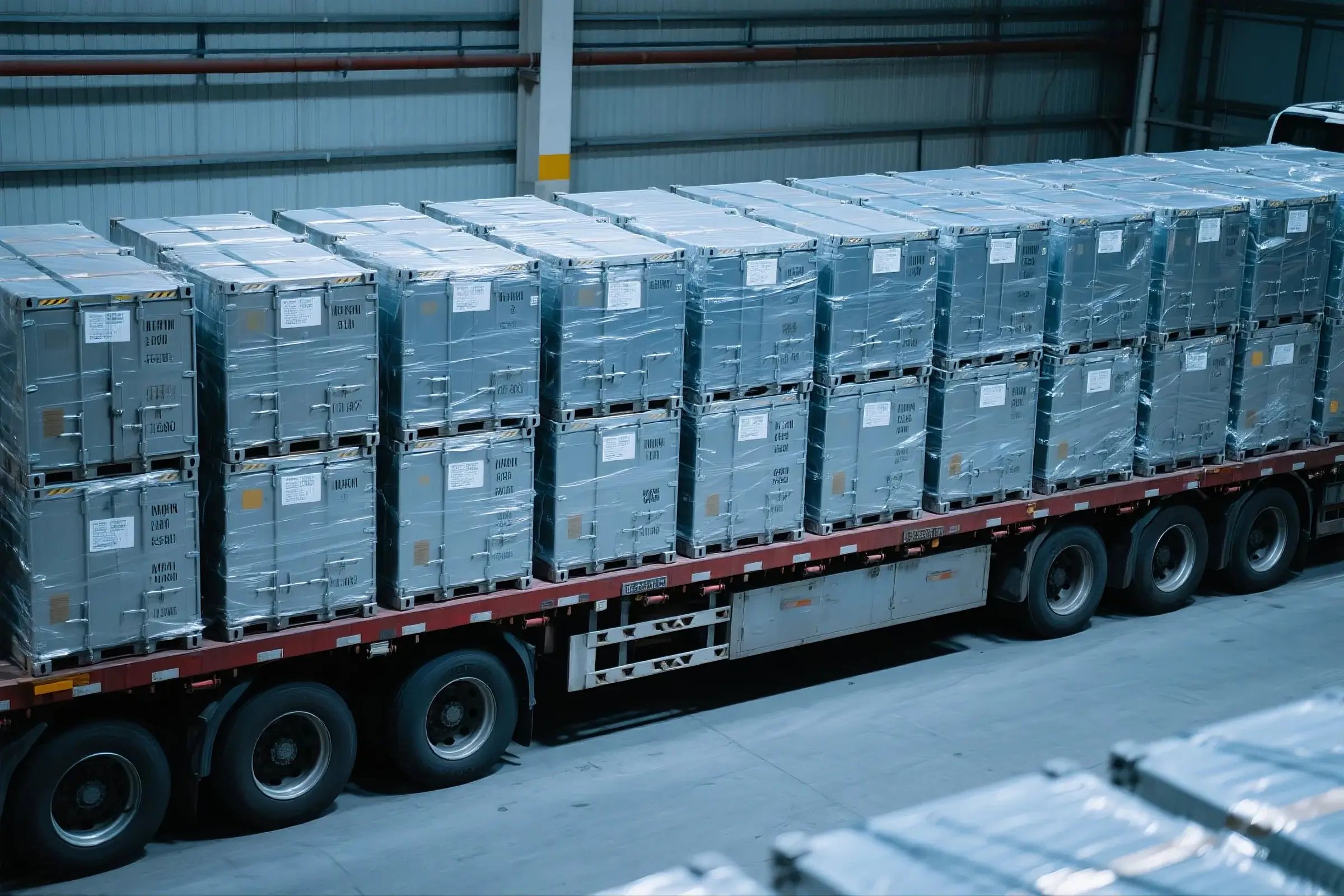
Sea freight to the U.S. or EU usually takes 4–6 weeks.
Air freight is possible but costly (around $4–6 per kg).
Common Challenges and How to Avoid Them
Quality Inconsistency
Solution: Request third-party lab analysis (e.g., SGS, Intertek).
Delays in Delivery
Solution: Sign contracts with clear delivery timelines and penalties.
Customs Issues
Solution: Confirm HS Code and chemical import rules before shipping.
Transport Risks
Solution: Buy cargo insurance for bulk shipments.
Tips for First-Time Buyers
Start with 1–5 tons before moving to larger volumes.
Use a freight forwarder experienced in chemicals.
Ask for video factory audits if you cannot visit in person.
Keep communication documented by email or signed contracts.
Conclusion
Importing manganese dioxide from China is not complicated if you follow the correct steps. China has strong production, competitive prices, and a wide range of grades to meet different industrial needs. By selecting the right supplier, checking quality standards, and preparing documents properly, you can build a reliable supply chain.
???? At BTL New Material, we provide battery-grade, industrial-grade, and water treatment-grade MnO₂ with strict quality control and full export support. Contact us today for a detailed quotation.
FAQs
Q1: What is the MOQ when importing MnO₂ from China?
A: Most suppliers set the MOQ at 1–5 tons, depending on grade.
Q2: What documents are needed for customs clearance?
A: Typically COA, MSDS, Certificate of Origin, and Bill of Lading.
Q3: How do I check the quality of MnO₂?
A: Request laboratory analysis for purity, heavy metals, and particle size.
Q4: What is the shipping time from China to the U.S.?
A: Sea freight usually takes 30–40 days; air freight takes 5–7 days.
Q5: Can suppliers offer customized packaging?
A: Yes, many Chinese manufacturers provide OEM packaging options.
Related Products

manganese dioxide

manganese carbonate

manganese sand
Related Posts

I am Edward lee, founder of manganesesupply( btlnewmaterial) , with more than 15 years experience in manganese products R&D and international sales, I helped more than 50+ corporates and am devoted to providing solutions to clients business.