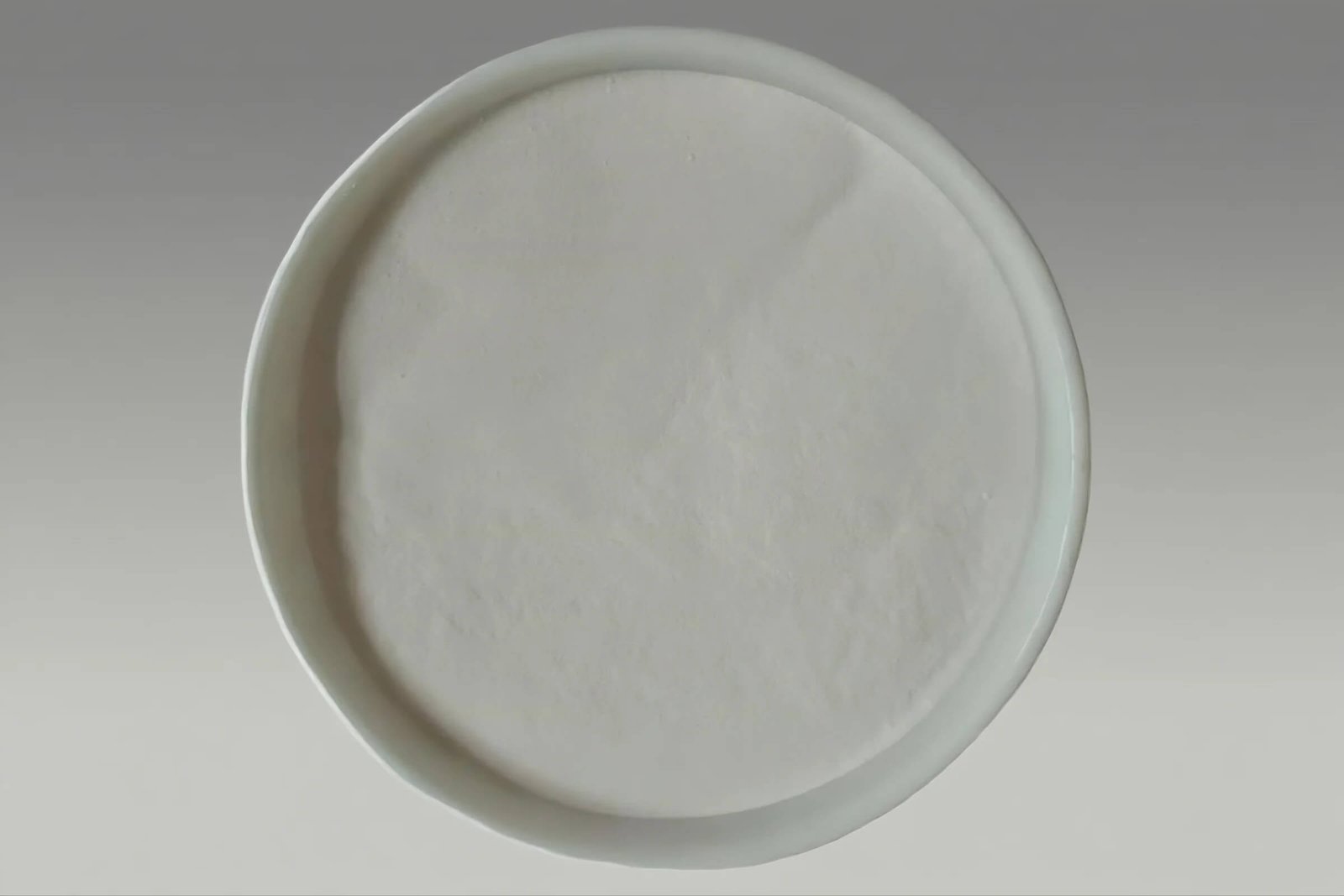
The main difference between feed grade and fertilizer grade manganese sulfate is about purity and safety. Feed grade must be very safe for animals to eat. Fertilizer grade is made for farms and factories. Purity is very important when picking a product. For example, batteries need ultra-high purity manganese sulfate. This means the purity must be 99.99% or more. The sulfate content must be less than 0.005%. The table below shows why people want safe and pure manganese sulfate:
Statistic / Fact | Detail |
|---|---|
Purity level required | |
Battery segment market share | 70.4% of ultra-high purity manganese sulfate market |
Maximum sulfate (SO4) content | Less than 0.005% |
Other key applications | Agriculture, water treatment, pharmaceuticals |
Selenium contamination is often found in manganese sulfate. This can be dangerous, especially for batteries. Even small amounts can cause problems and make cleaning more expensive. Picking the right grade helps follow rules and makes each use work better.
Feed grade manganese sulfate is cleaner and safer for animals. Fertilizer grade is made for plants and factories. Using the correct grade stops health issues in animals. It also helps crops grow well and strong. Feed grade has more manganese and strict safety rules. This keeps animals healthy. Fertilizer grade fixes low manganese in soil. It helps crops give better harvests. Always store manganese sulfate the right way. Follow local rules to keep animals, plants, and nature safe.
Uses
Feed Grade
Feed Grade manganese sulfate is important for animal nutrition. Farmers and vets use it to help livestock like cattle, poultry, and swine stay healthy. This type gives animals minerals they need for strong bones and a healthy metabolism. Many animal feeds have this supplement to stop problems from not getting enough minerals. If animals do not get enough, they might not grow well or could get sick. In vet medicine, Feed Grade manganese sulfate helps treat and stop leg problems like perosis in poultry. When animals get the right amount of manganese, their health improves.
Fertilizer Grade
Fertilizer grade manganese sulfate is used a lot in farming and industry. Farmers use it to fix soil that does not have enough manganese. This helps crops grow better and gives bigger harvests. It helps plants make food and form chlorophyll, which is very good for crops like citrus.
Agricultural uses include:
- Fixing soil with low manganese
- Helping crops grow well
- Making harvests better
- Helping plants make food and chlorophyll
- Industrial uses include:
- Helping chemical reactions work
- Making fertilizers, ceramics, and animal feed
- Used in paints, varnish driers, textile dyes, and fungicides
- Used in ore flotation, viscose, and synthetic manganese dioxide
Note: Fertilizer grade manganese sulfate is also used in vet medicine. It helps with nutrition and stops some poultry diseases.
Farmers and companies use fertilizer grade manganese sulfate to keep crops healthy and help with many industrial jobs.
Differences
Purity
Purity is the biggest difference between feed grade and fertilizer grade manganese sulfate. Feed grade goes through more cleaning steps. These steps take out more bad stuff and heavy metals. This makes feed grade have more manganese and less dirt. High purity manganese sulfate monohydrate (HPMSM) has about 32% manganese. Fertilizer grade has about 30.5% manganese. The table below shows how pure each type is and what they are used for:
Grade Type | Typical Manganese Purity (%) | Usage/Application |
|---|---|---|
Feed Grade | ~32 | Animal nutrition |
Fertilizer Grade | ~30.5 | Agriculture, industry |
Makers use special machines and strong rules to keep feed grade safe. They follow local and world rules. These steps stop bad things from getting in and make sure the product is safe.
Safety
Safety matters a lot, especially for animal feed. Feed grade manganese sulfate must be very safe. Companies use checks and tracking systems. These systems watch the product from start to finish. They help keep animals healthy and safe.
Fertilizer grade does not have the same safety checks. If animals eat it by mistake, it can hurt them. Some dangers are:
Brain problems, like symptoms of Parkinson’s
DNA damage and changes in chromosomes
Trouble with having babies and baby growth
Changes in the immune system and blood
Animals need some manganese, but too much is bad. Fertilizer grade should never be used instead of feed grade for animals.
Appearance
Feed grade and fertilizer grade manganese sulfate look almost the same but have some differences. Feed grade is usually a fine or crystal-like powder. It is very pure and has almost no stuff that does not dissolve. The powder is very fine, so it mixes well in animal feed.
Fertilizer grade is also a fine powder. It melts fast in water, which helps farmers use it on crops. Both types need to be stored the right way to stay good. Feed grade should be kept in a dry, airy place, away from water and sunlight. Fertilizer grade should be kept cool and dry so it does not stick together.
Aspect | Feed Grade Manganese Sulfate | Fertilizer Grade Manganese Sulfate |
|---|---|---|
Physical Form | Powder or crystalline powder | Fine powder, easy to dissolve |
Manganese Content | ~32% | ~30.5% |
Solubility | Nearly 100% soluble in water | High solubility |
Packaging | Sealed, food-safe packaging | Bulk bags or sacks |
Storage | Ventilated, dry, away from toxins | Cool, dry, ventilated |
Note: Storing and handling both grades the right way keeps them safe and good to use.
Application
Animal Feed
Feed grade manganese sulfate is important for animal health. Farmers and vets put it in animal feed. It helps animals grow and keeps their bodies working well. Manganese is a trace mineral that animals need. It helps bones get strong and enzymes work right. It also helps animals use energy. Cows and sheep do not absorb manganese easily. If their food has lots of calcium and phosphorus, it gets even harder. When animals do not get enough manganese, they do not grow well. Their bodies do not work as they should. Feed grade products give animals the right amount of manganese. The form is easy for animals to use. This stops health problems and helps animals grow strong.
Tip: Always use feeding rules. Do not give too much or too little manganese. The right amount keeps animals healthy and helps them do well.
Crops & Soil
Fertilizer grade manganese sulfate helps fix soil problems. Crops need manganese for photosynthesis and enzyme work. Farmers use different ways to put this fertilizer on fields:
Broadcasting: They spread powder over the field before planting.
Sidedressing: They put fertilizer next to plants to help roots.
Fertigation: They mix manganese sulfate in water for watering.
Foliar Spray: They spray water with powder on leaves for fast use.
Each way helps crops get the manganese they need. This makes crops grow strong and gives better harvests. Farmers pick the best way for their crops, soil, and tools.
Choosing
Factors
Picking the right manganese sulfate grade depends on a few things. The first thing to think about is what you need it for. If you want to help animals, Feed Grade is the safest choice. It has the right purity for livestock. If you want to help plants or fix soil, fertilizer grade is better. It works well for crops and soil.
Safety is very important when making this choice. Using the wrong type can cause trouble. For example:
If the particle size or form is wrong, fertilizer may not work well.
If the grade does not fit the job, mixing can be hard.
Too much manganese can hurt some crops like potatoes or tomatoes. You might see spots, burnt edges, or yellow leaves.
Using too much or mixing with pesticides can hurt plants.
If you use fertilizer grade in animal feed, it can make animals sick.
Cost is another thing to think about. Feed Grade manganese sulfate usually costs $400 to $500 per ton. Fertilizer grade costs more, from $500 to $910 per ton. Fertilizer grade is more expensive because it is purer and has special packaging. People buy Feed Grade for animals because it saves money. Farmers buy fertilizer grade for crops, even if it costs more, because it helps plants grow.
Rules and laws are also important. There are strict limits on heavy metals in both feed and fertilizer. Labels must show the right grade and what is inside. If you break these rules, you could pay up to $5,000 in fines, especially if safety is at risk.
Tip: Always read the label and follow local laws before buying. Picking the right grade keeps animals, crops, and the environment safe.
Picking the right manganese sulfate grade keeps animals and crops safe. Feed grade is cleaner and safer for animals. Fertilizer grade helps soil and plants grow better. The main differences are how pure it is, safety steps, and what it is used for. Always read the label and follow local laws before you buy.
Using the right grade makes sure things are safe and work well every time.
FAQ
What is the main difference between feed grade and fertilizer grade manganese sulfate?
Feed grade is cleaner and safer for animals. Fertilizer grade is made for plants and factories. Feed grade is best for animal food. Fertilizer grade helps crops grow strong.
Can fertilizer grade manganese sulfate be used for animal feed?
No, it should not be used for animals. Fertilizer grade can have things that are not safe. Animals need feed grade to stay healthy. Using fertilizer grade in feed can make animals sick.
How should manganese sulfate be stored?
Keep both types in a cool, dry spot. Feed grade should stay away from water and sunlight. Use closed packages for feed grade. Fertilizer grade can go in big bags.
Why does purity matter for manganese sulfate?
High purity keeps bad stuff out. Animals and plants need clean minerals. Dirty minerals can hurt health or not work well. Feed grade must follow strict purity rules.
Is manganese sulfate safe for all crops?
Most crops do well with manganese sulfate. Some crops, like potatoes and tomatoes, can get hurt if there is too much. Farmers should use the right amount for each crop.
Related Products

manganese dioxide

manganese carbonate

manganese sand
Related Posts

I am Edward lee, founder of manganesesupply( btlnewmaterial) , with more than 15 years experience in manganese products R&D and international sales, I helped more than 50+ corporates and am devoted to providing solutions to clients business.