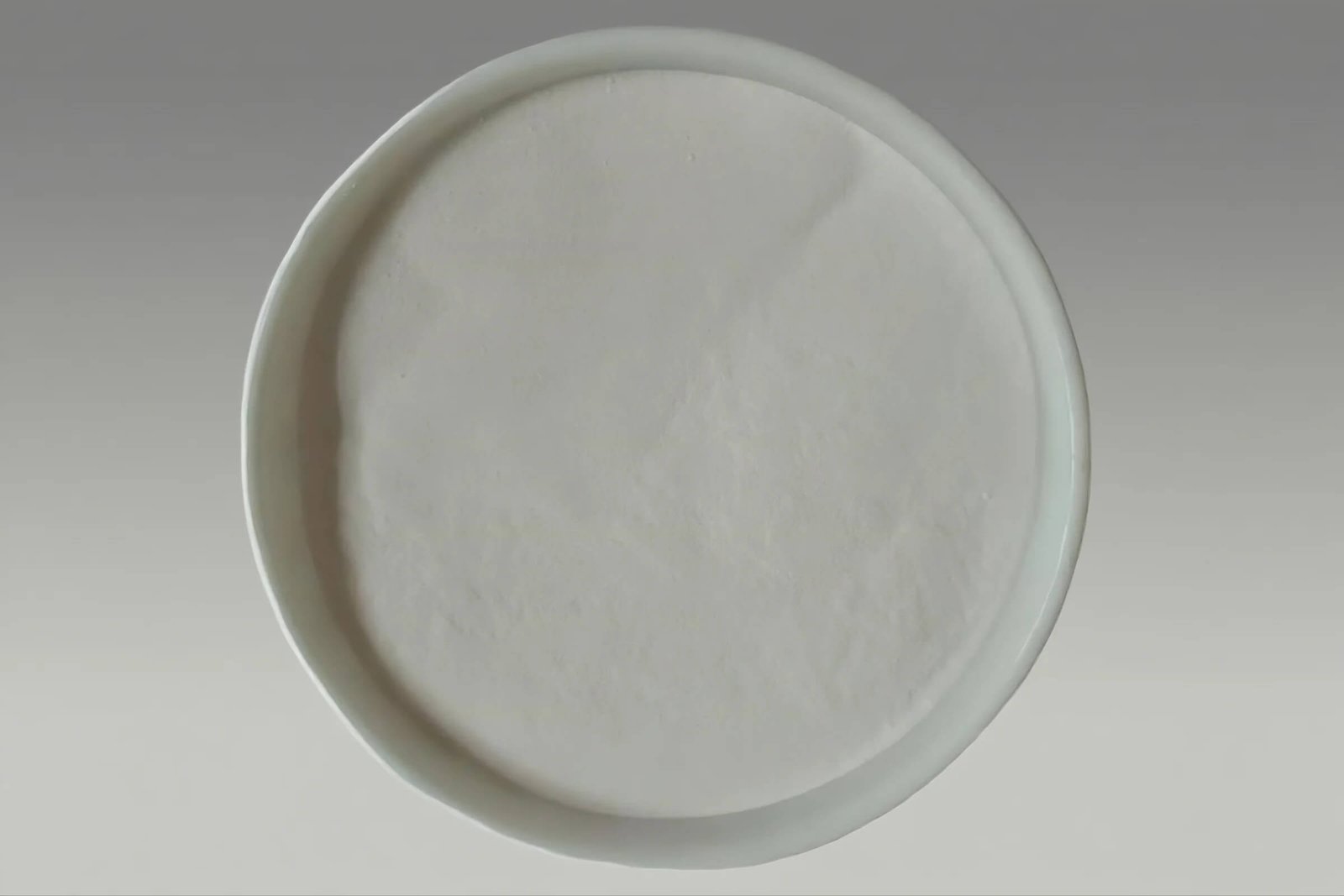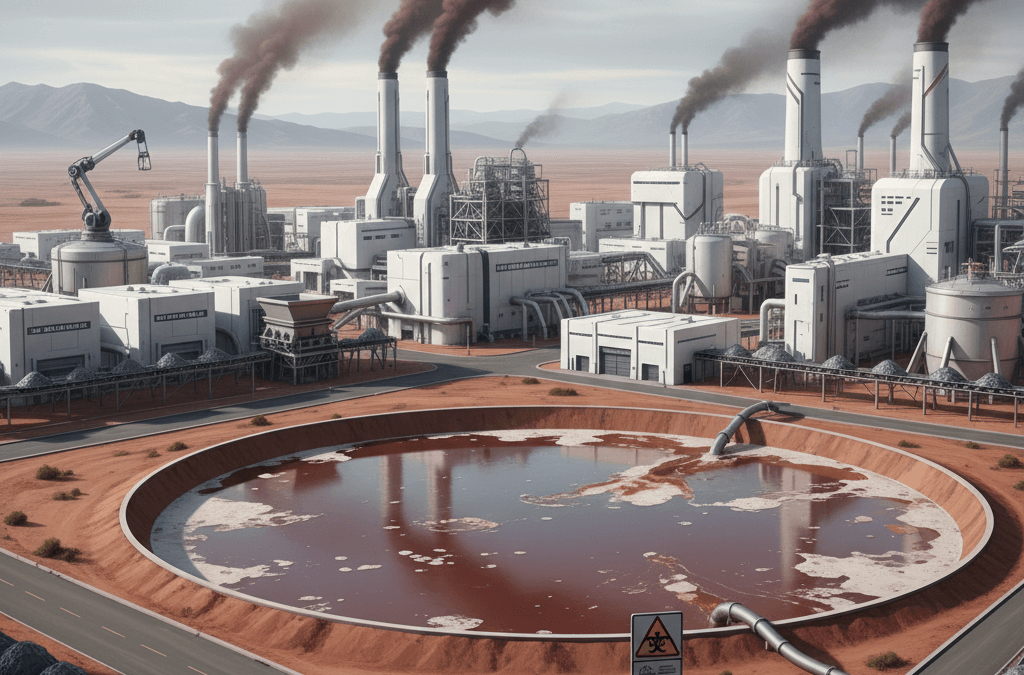
Manganese carbonate (MnCO₃) is an important raw material used in battery cathodes, steel alloys, fertilizers, ceramics, and chemical intermediates. Its production involves mining, chemical processing, and waste disposal—all of which can have substantial environmental impacts. This article delves into the key environmental issues, regulatory landscape, mitigation strategies, and market implications associated with manganese carbonate production.
Overview of Manganese Carbonate Production Process
Manganese carbonate (MnCO₃) is primarily obtained from manganese-bearing minerals such as rhodochrosite (MnCO₃) and other carbonate ores. In some regions, low-grade carbonate ores are processed because high-grade deposits are scarce. The production process typically involves several key stages—ore beneficiation, acid leaching, and precipitation—each with its own environmental implications.
Ore Preparation and Beneficiation
The ore is first crushed and ground, followed by flotation or gravity separation to concentrate manganese carbonate. This stage consumes significant energy and generates fine tailings that require storage, raising concerns about soil and water contamination.Acid Leaching
Concentrated ore is then treated with sulfuric acid or hydrochloric acid to dissolve manganese into solution. This step is highly chemical-intensive and produces acidic wastewater that, if untreated, can contaminate local rivers and groundwater. Leaching also releases CO₂ due to the breakdown of carbonate minerals, contributing to greenhouse gas emissions.Precipitation and Refining
The leach solution undergoes neutralization and precipitation (commonly using carbonates, hydroxides, or ammonium salts) to recover high-purity manganese carbonate. This stage generates chemical sludge and requires proper waste handling.Energy and Reagent Demand
Throughout the process, considerable energy input is needed for grinding, heating, and pumping. The reliance on fossil-fuel electricity or steam increases the carbon footprint, while the use of acids, alkalis, and flocculants creates risks of secondary pollution if not well managed.
Because each step—mining, leaching, and waste management—is closely tied to land use, emissions, and chemical discharge, manganese carbonate production has a direct link to environmental sustainability. Proper handling of these stages determines whether operations remain compliant with environmental standards or pose significant ecological risks.
Key Environmental Impacts
Below are the main environmental hazards linked to producing manganese carbonate, supported by research findings.
Mining & Land Degradation
Mining operations for manganese-bearing ores (those that can be converted to manganese carbonate) often employ open-pit or surface mining. This causes habitat destruction, landscape alteration, loss of vegetation, and soil erosion.
Example: In the Chiatura region (Georgia), extensive manganese ore mining has led to severe soil and river contamination. Waste from ore extraction has accumulated, transforming terrain and causing manganese concentration in nearby waters to soar to hundreds of mg/L—orders of magnitude above natural background levels.
Inflammatory consequences include increased sediment runoff, which can smother aquatic habitats and decrease water quality downstream.
Water Use & Water Pollution
Chemical leaching / acid treatments used in extraction and purification can generate wastewater containing dissolved manganese, other heavy metals, and acidic or alkaline pH. If untreated or poorly treated, this can lead to contamination of surface water and groundwater.
The presence of manganese in water bodies at elevated concentrations can be toxic to aquatic life. For instance, Ecotoxicological consequences of manganese mining show manganese compounds released into waterways kill or impair organisms even when present in low concentrations.
Effluent limits are a concern: research on US permits shows that average effluent limits for manganese from mining operations are around 2 mg/L (30-day average), with daily maxima up to 4 mg/L under some regulations.
Air Emissions & Dust
During crushing, grinding, transport, and smelting steps, airborne dust and particulates containing manganese or its compounds can be emitted. Inhalation of manganese dust or fumes is associated with neurological effects.
Regulatory bodies such as Safe Work Australia set workplace exposure limits (e.g. time-weighted average, short-term exposure limits) for airborne manganese compounds.
Also, energy consumption for heating / chemical reactions can cause CO₂, NOₓ, SOₓ emissions depending on the fuels used.
Generation of Waste & Tailings
Tailings (mining residues), chemical precipitates, and other by-products can accumulate. If tailings storage facilities are poorly managed, there can be leakage of heavy metals into soils/water.
Acid mine drainage is a related risk when sulfide minerals are present; although manganese carbonate ores might not always have massive sulfide content, impurities often include metals that can cause downstream toxic effects.
The waste from manganese carbonate ore preparation can also include by-products such as magnesium, calcium, iron etc., which if not recovered, may contribute to environmental load. A recent study shows that manganese carbonate ore from Guangxi, China containing ~13.8% Mn also had impurities of Ca (19.3%), Si, Mg etc. and developed processes to recover Mg/other constituents.
Carbon Footprint & Energy Demand
Processing manganese carbonate involves energy for mining, ore crushing, drying, chemical leaching, precipitation, etc. If the energy comes from fossil fuels, significant greenhouse gas emissions result.
Additionally, transportation of ore or product may be long-distance, further increasing emissions.
The magnitude depends greatly on regional energy mix, efficiency of process, and whether any renewable energy or waste heat recovery is used.
Toxicity to Humans & Ecosystems
Chronic exposure to elevated manganese in drinking water can cause neurological problems. The WHO and EPA have set guidelines to minimize these risks. For example, the Drinking Water Criteria Document for Manganese from the US EPA recommends 0.05 mg/L in freshwater to prevent undesirable taste, odor and likely neurological effects with high exposure.
Bioaccumulation in aquatic organisms, or accumulation in soils, can further magnify risk up the food chain. Studies show that manganese pollution, particularly in mining zones or tailings leaks, can harm both aquatic and terrestrial life.
Regulations and Standards
Given the risks, various jurisdictions have established rules, guidelines, or standards relevant to manganese carbonate production and its environmental impact.
Effluent Limits & Water Quality Regulations
In the United States, under the Clean Water Act, regulations limit manganese in mine process effluents. The frequently cited limit is 2 mg/L (30-day average) and 4 mg/L (daily maximum) for manganese in discharged water from mining operations.
Under the Safe Drinking Water Acts, regulatory bodies such as the EPA have documents outlining acceptable levels of manganese in drinking water (often 0.05 mg/L or lower for aesthetic or health-based endpoints) to protect consumers.
Air Quality & Occupational Exposure Standards
For workers in plants handling manganese compounds (including manganese carbonate processing), agencies like Safe Work Australia regulate airborne manganese limits: e.g. “maximum eight-hour time weighted average (TWA)” and short-term exposure limits.
Ambient air or community exposure is less uniformly regulated, but concern is growing—especially as evidence mounts that lower level exposure may still be harmful. The recent Arizona manganese mining project discussion, for example, highlights the lack of legally binding ambient air standards for manganese in some U.S. states, despite studies indicating neurological effects even at very low airborne concentrations.
Toxicological / Environmental Risk Guidelines
WHO / Inchem / CICAD documents: Manganese and its compounds: environmental aspects describes manganese’s environmental fate, toxicity thresholds, and risk assessment methods.
Drinking water guidelines and criteria documents (EPA, WHO) address both acute and chronic health endpoints.
Emerging / Green Process Regulations
Some countries are beginning to require or incentivize “green processes” in mining and chemical production—for example, mandating treatment of by-products, resource recycling, energy efficiency, and cleaner chemical reagents.
The EU’s broader chemicals regulation (REACH), emission trading / carbon pricing regimes, and ESG reporting requirements (for firms listed or operating in Europe) effectively force manganese carbonate producers to consider environmental externalities.
There are also market/consumer pressures and “green supply chain” standards that may not be legal mandates, but which create de facto regulatory pressure.
Standards in Life Cycle Analysis, Certification etc.
ISO 14001 for environmental management systems.
ESG (Environmental, Social, Governance) frameworks that investors and large buyers use to audit suppliers. Companies in the battery supply chain increasingly demand proof of sustainable sourcing for manganese compounds.
Mitigation Strategies & Sustainable Practices
To reduce environmental impacts, producers and regulators can adopt or require practices and technologies that improve sustainability. Below are detailed strategies and some examples.
Green and Cleaner Production Processes
Leaching and recovery of by-products: The 2025 Green Process for the Preparation of MnCO₃ and Recovery of By-Product Mg-Containing (NH₄)₂SO₄ Solution describes a process in Guangxi, China, where manganese carbonate ore (≈13.81% Mn) is leached, carbonized, then by-products such as Mg-containing ammonium sulfate are stripped/ad federated. This both recovers useful secondary products and reduces waste.
Use of milder reagents, lower temperature or lower energy chemical steps can reduce chemical consumption and emissions.
Tailings / Wastewater Treatment & Recycling
Implementing closed-loop water systems: reuse process water rather than letting it discharge untreated.
Treatment of wastewater to remove dissolved manganese, heavy metals, and to adjust pH before release. Technologies may include chemical precipitation, adsorption, membrane filtration, or ion exchange.
Recovery of metals or other valuable elements from tailings or by-product streams. As in the above green process, Mg and other elements in impurity phases can be separated and sold.
Air Emissions Control
Dust suppression: using water sprays, enclosures around crushing/grinding, baghouses, electrostatic precipitators.
Capture of fugitive emissions: regular monitoring and maintenance of leakage points.
Using cleaner energy sources (electricity, renewables) for process heat, where feasible, to reduce CO₂ / particulates / SOₓ emissions.
Energy Efficiency & Low-Carbon Energy Sources
Shifting to renewable electricity (solar, wind, hydro) for the processing plant operations.
Installing heat recovery systems, better insulation, more efficient motors / equipment to reduce energy demand.
Optimizing process flows to reduce redundant or energy-intensive steps.
Regulatory Compliance & Best Practices
Adherence to certified environmental management systems (ISO 14001).
Regular monitoring and reporting of emissions, effluents, workplace air quality. Transparency helps both regulatory compliance and market perception.
Engaging local communities, performing environmental impact assessments (EIA) before mines and plants are built or expanded.
Innovation & Research
Development of novel recovery methods: e.g. using CO₂ in the recovery of manganese from waste streams, or bio-leaching techniques.
New green precipitating agents, adsorbents, or catalysts that reduce chemical and energy demand.
Life cycle assessments (LCAs) to identify hotspots of environmental impact (carbon, water, toxicity) and prioritize interventions.
Market Implications of Environmental Impact
Environmental performance in manganese carbonate production is not just a compliance issue—it increasingly influences cost, competitiveness, investor behavior, and market access.
Cost Pressure & Investments
Complying with stricter environmental regulations (waste-water treatment, emission controls, green technologies) requires capital investment. Producers that lag behind may face fines, penalties, or loss of permits.
Conversely, early adopters of efficient, green processing may realize savings in energy or raw material usage and avoid regulatory risks.
ESG / Investor and Consumer Expectations
ESG (Environmental, Social, Governance) ratings and reporting are now significant in capital markets. Producers with poor environmental records may find it harder to attract financing or investment.
Buyers of battery materials, chemicals, or steel increasingly demand verified “green supply chain” certifications. Manganese carbonate producers supplying into EV battery cathodes are under particular scrutiny.
Regulatory Barrier and Trade Implications
Regions with strict environmental/chemical import regulation (e.g. EU under REACH, or potential carbon border adjustment mechanisms) may impose extra tariffs, import restrictions, or require disclosures that increase costs of manganese carbonate sourced from less clean operations.
Products that do not meet environmental or health safety criteria may be restricted in certain markets.
Reputation, Liability, and Risk
Environmental mishaps (pollution, spills, illegal emissions) can lead not only to regulatory penalties but also public backlash, lawsuits, loss of license, or remediation costs.
Regions with high biodiversity or water-scarce environments are particularly vulnerable, so operations there carry higher risk.
Competitive Advantage through Sustainable Practice
Producers that can demonstrate low environmental impact (via LCAs, environmental certifications, green innovation) may gain preference from forward-thinking buyers (e.g. in the EV / renewable sector).
Market reports already note that “increasingly stringent environmental regulations are impacting the manganese carbonate market” and that “companies are adopting cleaner production technologies, reducing emissions, improving waste management to meet regulatory requirements and differentiate themselves.”
Supply Chain Disruptions / Material Sourcing
Environmental constraints (e.g. water scarcity, restrictions on mining, delays in permitting) could restrict manganese carbonate supply, potentially increasing costs.
Suppliers may need to demonstrate sustainability to remain part of supplier lists, meaning operations that do not adhere risk being dropped.
Conclusion
The production of manganese carbonate carries significant environmental risks—ranging from land and water degradation, toxicity, air emissions, waste generation, and carbon emissions. Regulatory regimes in many countries are increasingly tightening around water effluent standards, air quality, workplace exposure, and chemical safety.
Producers who adopt sustainable and green practices—including improved waste water treatment, energy efficiency, by-product recovery, and cleaner production processes—not only help reduce environmental harm but also position themselves better in terms of cost, compliance, reputation, and access to growing markets sensitive to ESG criteria.
As demand for manganese carbonate grows (especially from battery and renewable energy sectors), environmental management will not be optional—it’s becoming a central component of competitiveness and risk mitigation.
Related Products

manganese dioxide

manganese carbonate

manganese sand
Related Posts

I am Edward lee, founder of manganesesupply( btlnewmaterial) , with more than 15 years experience in manganese products R&D and international sales, I helped more than 50+ corporates and am devoted to providing solutions to clients business.