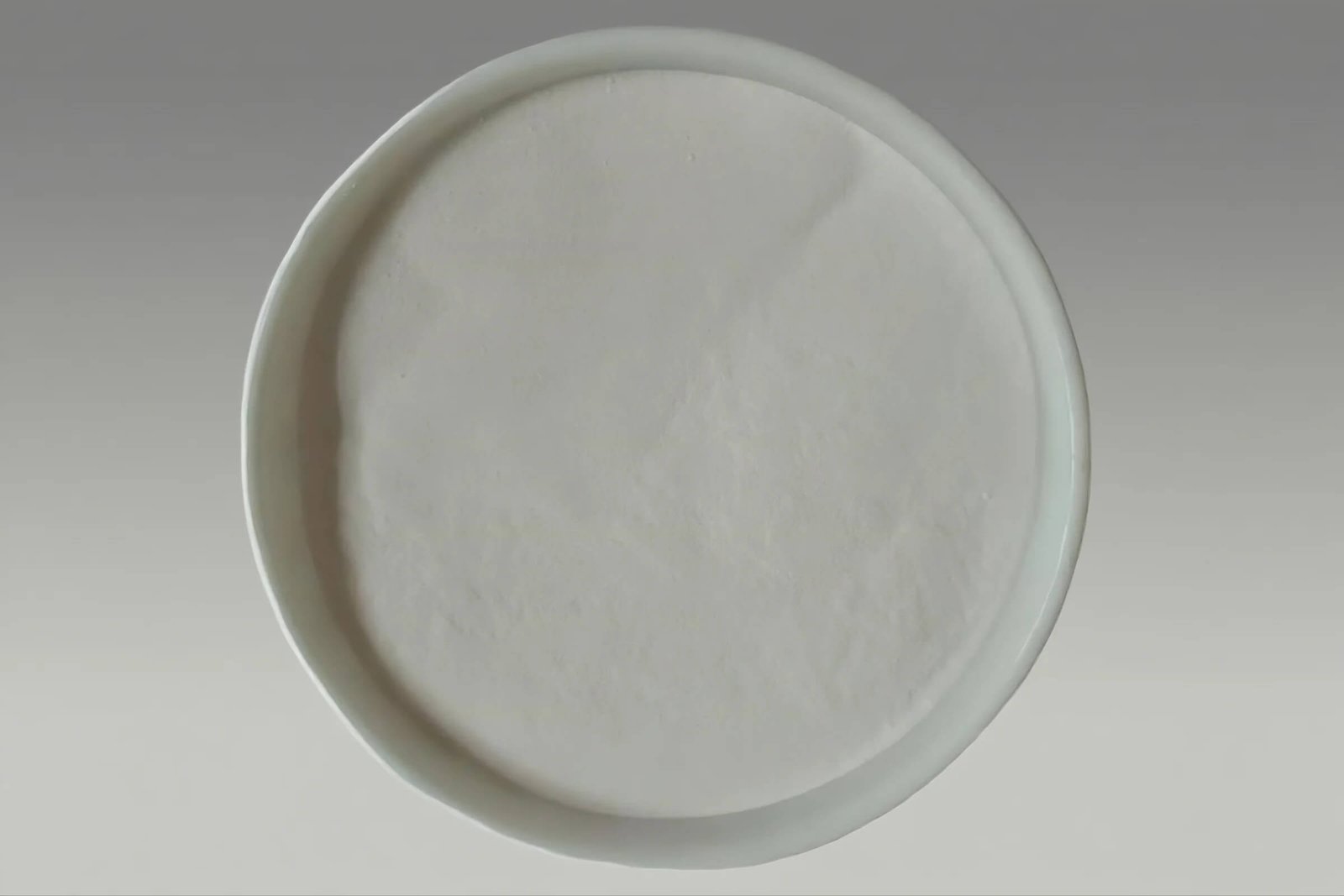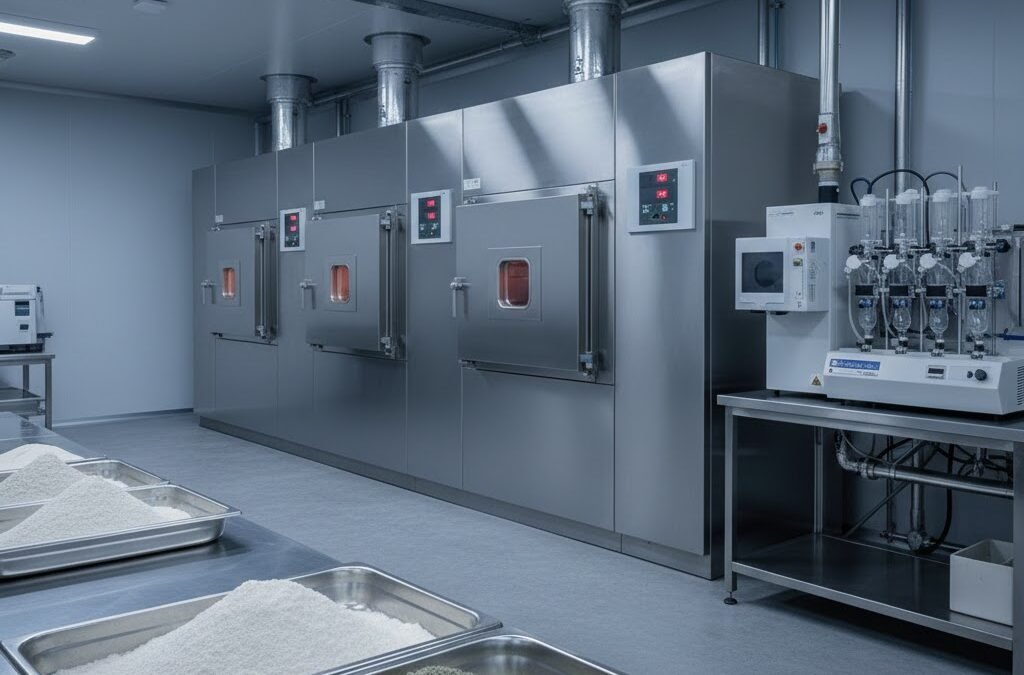
Manganese oxide (MnO) is a widely used inorganic trace mineral source in animal nutrition, supplying essential manganese (Mn) required for skeletal development, enzyme activation, reproductive performance, and antioxidant defense. In livestock and poultry diets, manganese oxide typically contains 60–76% elemental Mn, offering a cost-effective solution for meeting dietary manganese requirements when properly formulated. Compared with organic manganese sources, manganese oxide is valued for its thermal stability, long shelf life, and consistent mineral content, making it suitable for premixes and compound feeds. However, purity level, particle size, and impurity control directly influence bioavailability, mixing uniformity, and regulatory compliance.
1. Technical Background of Manganese Oxide
1.1 What Is Manganese Oxide?
In animal feed applications, “manganese oxide” usually refers to manganese(II) oxide (MnO), an inorganic manganese compound produced through controlled reduction or calcination of manganese ores or intermediates. MnO appears as a fine greenish to gray powder, insoluble in water but reactive in acidic environments such as the digestive tract.
Typical chemical characteristics:
Chemical formula: MnO
Manganese content: 60–76% Mn
Insolubility in water; partial solubility under gastric conditions
1.2 Role of Manganese in Animal Physiology
Manganese is an essential trace element for all classes of livestock and poultry. It functions primarily as:
A cofactor for enzymes involved in carbohydrate, lipid, and amino acid metabolism
A key element in bone and cartilage formation
A component of manganese superoxide dismutase (Mn-SOD), a major antioxidant enzyme
A regulator of reproductive hormone synthesis
Deficiency may result in skeletal deformities, reduced growth, poor eggshell quality, impaired fertility, and weakened immune response.
1.3 Why Feed-Grade Quality Matters
Unlike pharmaceutical or electronic applications, feed minerals are consumed continuously and at scale. Small deviations in purity or impurity levels can accumulate over time, affecting animal health, feed safety, and regulatory compliance. Therefore, feed-grade manganese oxide must balance nutritional efficacy, cost efficiency, and safety control.
2. Key Benefits of Manganese Oxide in Feed Applications
2.1 Manganese Content (%) → Nutritional Adequacy
Feed-grade manganese oxide typically delivers:
60–68% Mn for standard livestock feed
≥72% Mn for poultry and breeder formulations with higher precision requirements
Higher Mn content allows lower inclusion rates, improving formulation flexibility and reducing total mineral load in premixes.
2.2 Particle Size (D50, µm) → Mixing Uniformity
Typical feed-grade D50: 5–20 µm
Coarser particles increase segregation risk in premixes
Excessively fine particles (<3 µm) may increase dusting and handling loss
Controlled particle size supports uniform distribution in vitamin-mineral premixes and reduces batch-to-batch variability.
2.3 Moisture and LOI (%) → Storage Stability
Moisture: typically ≤1.0%
Loss on ignition (LOI): ≤2.0%
Low moisture and LOI reduce:
Caking during storage
Oxidative changes
Interaction with vitamins in premixes
2.4 Impurity Control (ppm) → Feed Safety
Key impurities monitored in manganese oxide include:
Iron (Fe)
Lead (Pb)
Arsenic (As)
Cadmium (Cd)
Mercury (Hg)
Strict impurity control minimizes long-term accumulation risks and ensures compliance with FDA, EFSA, and FAO feed safety guidelines.
3. Typical Specification Ranges for Feed-Grade Manganese Oxide
| Parameter | Typical Feed-Grade Range | Why It Matters |
|---|---|---|
| Manganese (Mn) content | 60–76 % | Determines inclusion rate and nutritional value |
| Purity (MnO basis) | ≥99 % | Ensures consistency and predictable formulation |
| Particle size D50 | 5–20 µm | Affects mixing uniformity and segregation |
| Moisture | ≤1.0 % | Impacts shelf life and premix stability |
| LOI | ≤2.0 % | Indicates thermal and compositional stability |
| Lead (Pb) | ≤10 ppm | Feed safety and regulatory compliance |
| Arsenic (As) | ≤5 ppm | Long-term toxicity control |
| Cadmium (Cd) | ≤1 ppm | Heavy metal accumulation prevention |
4. Impact on Animal Performance and Feed KPIs
4.1 Growth and Skeletal Development
Adequate manganese intake supports:
Proper bone mineralization
Normal joint and cartilage formation
Reduced incidence of leg disorders in poultry
Typical dietary manganese requirements:
Broilers: 60–120 mg Mn/kg feed
Layers: 70–130 mg Mn/kg feed
Swine: 20–40 mg Mn/kg feed
4.2 Reproductive Performance
Manganese influences:
Eggshell thickness and strength
Hatchability in breeder flocks
Estrus regularity in breeding animals
Deficiency is associated with reduced fertility and higher embryo mortality.
4.3 Antioxidant and Immune Function
As a component of Mn-SOD, manganese contributes to:
Reduced oxidative stress
Improved immune response
Better resilience under heat or metabolic stress
4.4 Manufacturing Yield and Consistency
From a production perspective, stable manganese oxide quality improves:
Premix homogeneity
Reduced rework or batch rejection
Predictable nutrient delivery across production runs
5. Quality Control and Testing Methods
5.1 Certificate of Analysis (COA)
A standard COA for feed-grade manganese oxide should include:
Mn content (%)
Moisture and LOI
Particle size distribution
Heavy metal results (ppm)
Batch number and production date
5.2 Elemental Analysis
ICP-OES or ICP-MS for Mn and trace impurities
Ensures compliance with feed regulations and customer specifications
5.3 Particle Size Measurement
Laser diffraction per ISO 13320
Confirms suitability for premix blending
5.4 Sampling Principles
Representative sampling is critical due to:
Fine powder characteristics
Risk of segregation during transport
Proper sampling ensures analytical results reflect actual batch quality.
6. Purchasing and Supplier Evaluation Considerations
6.1 Grade Differentiation
Feed grade: controlled heavy metals, moderate Mn content
Industrial grade: often unsuitable due to impurity risks
Electronic/battery grade: unnecessary cost for feed use
6.2 Packaging and Storage
Standard packaging: 25 kg bags or 1,000 kg big bags
Inner PE liner recommended to control moisture
Store in dry, ventilated conditions
6.3 Logistics and Trade Factors
Common HS code: 282090 (may vary by country)
Bulk shipping reduces unit cost but increases handling requirements
6.4 Common Sourcing Risks
Inconsistent Mn content between batches
Insufficient heavy metal control
Lack of feed-specific documentation
7. Frequently Asked Questions
Q1: What manganese content is typical for feed-grade manganese oxide?
Most feed-grade products contain 60–76% Mn, depending on production method.
Q2: Is manganese oxide safe for all animal species?
Yes, when used within recommended dietary limits and compliant with feed regulations.
Q3: How does manganese oxide compare with manganese sulfate?
Manganese oxide has lower solubility but higher Mn concentration and better thermal stability.
Q4: Why is particle size important in premixes?
It affects mixing uniformity and reduces segregation during transport and handling.
Q5: What heavy metals are most critical to control?
Lead, arsenic, cadmium, and mercury due to long-term accumulation risks.
Q6: Can industrial-grade MnO be used in feed?
Generally not recommended due to uncontrolled impurities.
8. Final Practical Checklist for Feed Buyers and QA Teams
Confirm Mn content (%) matches formulation requirements
Verify heavy metal limits meet local regulations
Check particle size distribution for premix compatibility
Review COA completeness and batch traceability
Assess supplier consistency and feed-grade experience
Evaluate packaging and moisture protection during logistics
Related Posts

I am Edward lee, founder of manganesesupply( btlnewmaterial) , with more than 15 years experience in manganese products R&D and international sales, I helped more than 50+ corporates and am devoted to providing solutions to clients business.