Manganese Dioxide for Catalytic Filtration in Water Treatment | MnO₂ Media
Water Treatment Challenges Requiring Catalytic Filtration
In many groundwater, industrial water, and wastewater treatment projects, iron (Fe²⁺), manganese (Mn²⁺), hydrogen sulfide (H₂S), and certain organic contaminants are present at concentrations that exceed regulatory or operational limits.
According to commonly referenced drinking water guidelines:
- Iron: aesthetic limit ≤ 0.3 mg/L
- Manganese: health-based guideline ≤ 0.1 mg/L (WHO)
- Hydrogen sulfide: detectable odor at ≥ 0.05 mg/L
Conventional filtration media often struggle to maintain stable removal efficiency when contaminant concentrations are high, oxidation kinetics are slow, or raw water quality fluctuates significantly. In such cases, catalytic filtration using manganese dioxide (MnO₂) becomes a preferred technical solution.
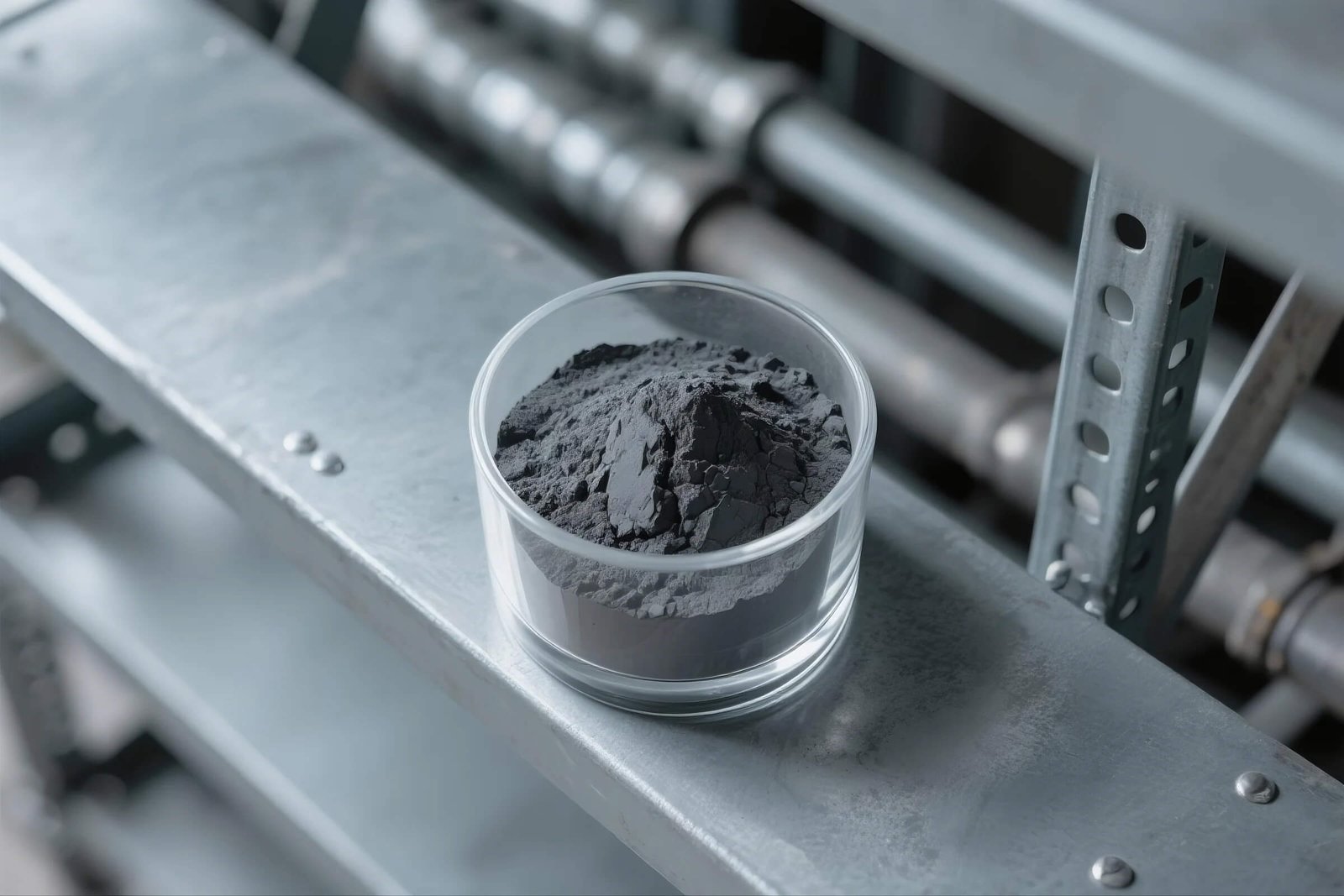
Role of Manganese Dioxide in Catalytic Filtration
Manganese dioxide is a strong oxidation catalyst widely used in water treatment systems to accelerate redox reactions.
Catalytic Mechanism
- MnO₂ provides active surface sites for oxidation reactions
- Dissolved Fe²⁺ and Mn²⁺ are rapidly oxidized to insoluble Fe³⁺ and Mn⁴⁺ oxides
- Oxidized particles are retained by the filtration system or downstream filter media
Unlike purely physical filtration materials, MnO₂ does not rely solely on contact time. Its catalytic surface significantly improves reaction kinetics, especially under challenging water conditions.
Typical Technical Specifications of Manganese Dioxide for Water Treatment
The following specifications are commonly used in catalytic filtration and oxidation systems:
| Parameter | Typical Value | Test Method |
|---|---|---|
| MnO₂ Content | ≥ 85% / ≥ 90% | Chemical analysis |
| Iron (Fe) | ≤ 2.0% | ICP-OES |
| Heavy Metals (Pb, As) | ≤ 0.01% | ICP-MS |
| Particle Size | Powder or granular (customized) | Sieve / Laser analysis |
| Bulk Density | 1.2–1.6 g/cm³ | ASTM C29 |
| Surface Activity | High catalytic reactivity | Application testing |
| Moisture Content | ≤ 5.0% | Gravimetric method |
High MnO₂ purity and controlled impurity levels are critical to ensure consistent catalytic performance and prevent secondary contamination.
Water Treatment Applications of MnO₂ Catalytic Media
Manganese dioxide is widely used in:
Groundwater iron and manganese removal systems
Industrial water pre-treatment units
Hydrogen sulfide (H₂S) removal processes
Wastewater oxidation and polishing stages
Drinking water treatment plants with high raw water variability
It is commonly applied in fixed-bed reactors, pressure filters, or as a coating or additive in composite filter media.
Operating Conditions and Performance Considerations
Typical operating parameters for MnO₂ catalytic filtration systems include:
Effective pH range: 6.0–9.5
Operating temperature: 5–40 °C
Iron concentration: up to 20 mg/L (system-dependent)
Manganese concentration: up to 10 mg/L with proper oxidation support
Contact time: shorter than conventional media due to catalytic action
In many designs, MnO₂ works in combination with aeration, chlorine, ozone, or potassium permanganate to further enhance oxidation efficiency.
Comparison: MnO₂ Catalytic Filtration vs Conventional Filter Media
| Aspect | MnO₂ Catalytic Media | Conventional Sand / Media |
| Oxidation Speed | High | Low to moderate |
| Chemical Consumption | Reduced | Often higher |
| Adaptability to Water Quality Changes | Strong | Limited |
| Removal Efficiency at High Load | Stable | Often unstable |
| Service Stability | Long-term | Degrades faster |
This makes manganese dioxide particularly suitable for projects with fluctuating raw water conditions or strict discharge standards.
Quality Control and Compliance
For water treatment applications, manganese dioxide quality control focuses on:
MnO₂ purity and phase stability
Heavy metal impurity limits
Consistent particle size and surface activity
Batch-level Certificate of Analysis (COA)
Compliance with drinking water and industrial water treatment requirements
Third-party inspections and independent laboratory testing can be supported upon request.
Project-Based Supply and Technical Support
Selecting manganese dioxide for catalytic filtration requires evaluation of raw water composition, system design, and operational targets.
For water treatment projects, we can provide:
Technical datasheets and safety documentation
Grade selection based on application
Samples for pilot or bench-scale testing
Packaging options for bulk and international supply
Long-term supply support for ongoing projects
If you are planning or upgrading a catalytic filtration system, contact us to discuss manganese dioxide solutions tailored to your water treatment project.
FAQ
How does manganese dioxide work in catalytic filtration?
Manganese dioxide acts as an oxidation catalyst. Its surface accelerates the conversion of dissolved iron (Fe²⁺), manganese (Mn²⁺), and hydrogen sulfide (H₂S) into insoluble oxides, which can then be removed by filtration.
What MnO₂ purity is recommended for water treatment applications?
For most water treatment systems, manganese dioxide with a purity of ≥85% MnO₂ is suitable. High-load or sensitive systems often require ≥90% MnO₂ to ensure stable catalytic performance.
Can manganese dioxide remove hydrogen sulfide (H₂S)?
Yes. MnO₂ is effective in oxidizing hydrogen sulfide, reducing odor and corrosion issues in groundwater and industrial water treatment systems.
What pH range is suitable for MnO₂ catalytic filtration?
Manganese dioxide performs effectively within a pH range of 6.0–9.5, making it suitable for most drinking water and industrial water applications.
Does manganese dioxide require chemical regeneration?
In many systems, MnO₂ functions without frequent chemical regeneration. In high-contaminant or variable water conditions, periodic oxidation support (such as aeration or chlorination) may be applied to maintain performance.
Related Products

manganese dioxide

manganese carbonate

manganese sand
Related Posts