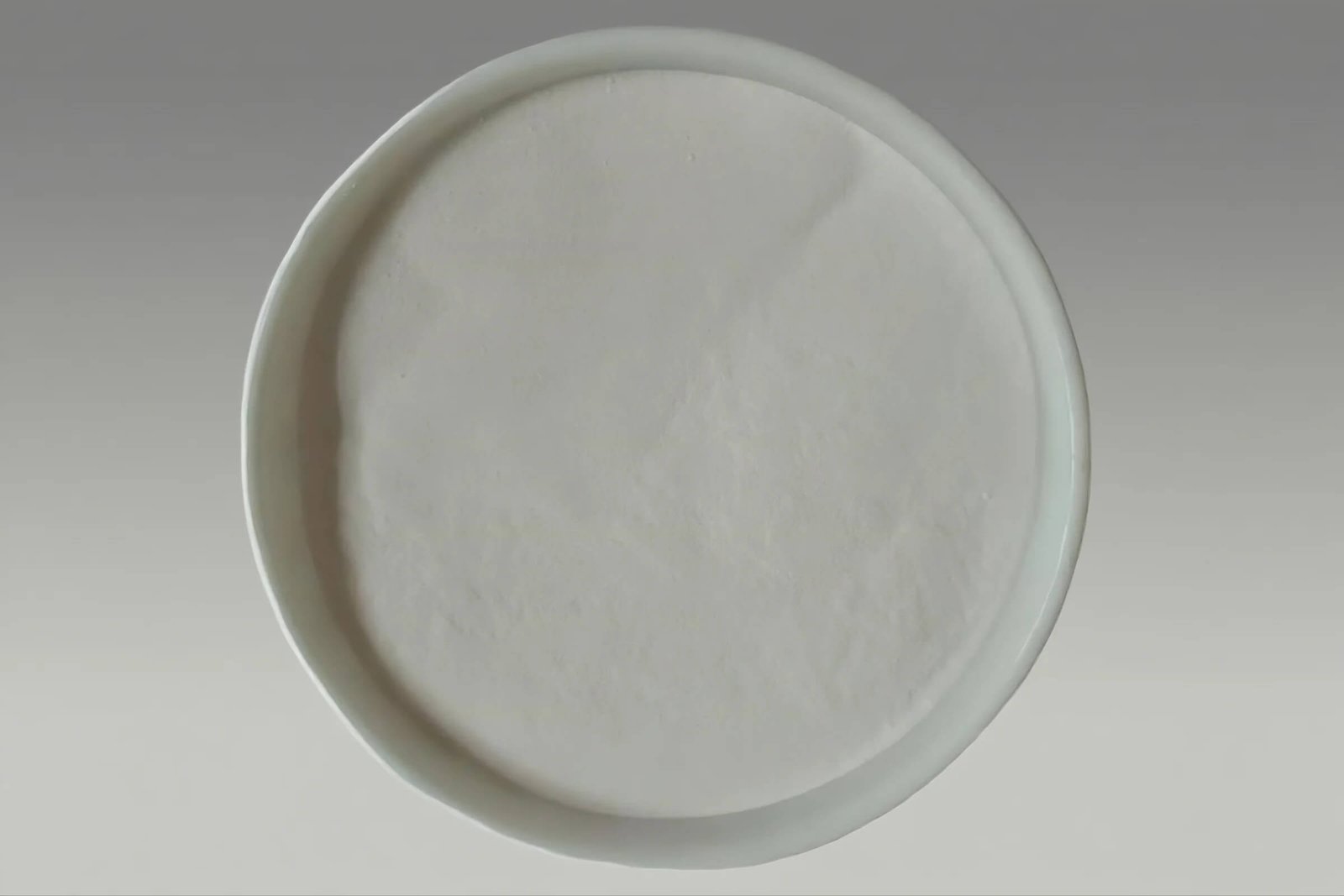
Manganese carbonate (MnCO₃) is an important industrial raw material used in battery cathode production, ceramics, chemical synthesis, and water treatment. In recent years, the growing demand for lithium manganese dioxide (LiMnO₂) and electrolytic manganese dioxide (EMD) has increased the importance of MnCO₃ purity and consistency.
Low-quality or unstable MnCO₃ can cause problems such as:
Poor oxidation efficiency in MnO₂ production
Impurities affecting battery performance
Inconsistent catalytic activity in water treatment systems
Verifying the quality of manganese carbonate before purchasing is therefore essential for any battery manufacturer, chemical company, or industrial buyer.
II. Key Quality Indicators of Manganese Carbonate
High-quality manganese carbonate is defined by specific chemical, physical, and visual standards. The table below summarizes the commonly accepted specifications according to GB/T 1472-2008 (China National Standard) and ASTM D1556-20.
| Parameter | Typical Specification | Industrial Reference / Source | Why It Matters |
|---|---|---|---|
| Mn content (%) | ≥ 44.0% | GB/T 1472-2008 | Indicates the purity of MnCO₃; higher Mn means higher conversion yield to MnO₂. |
| Moisture (%) | ≤ 0.5% | ISO 760:1978 | Prevents agglomeration and ensures accurate mass during transport. |
| Insoluble matter (%) | ≤ 0.05% | N/A | High insolubles reduce reactivity and affect catalytic properties. |
| Fe content (%) | ≤ 0.005% | ICP-OES analytical standard, NIST 3126a | Iron impurities degrade electrochemical performance in batteries. |
| Pb content (%) | ≤ 0.002% | WHO heavy metal guidelines | Lead contamination poses environmental and safety risks. |
| Particle size (μm) | 5–20 μm | Laser Particle Analysis, ISO 13320:2020 | Consistent size ensures stable reaction rates in oxidation. |
| Color | Light pink to pale brown | Visual Standard, Industrial Quality Control | Indicates oxidation state and absence of iron or organic residue. |
Interpretation
A Mn content of ≥44.0% usually indicates battery-grade manganese carbonate. Industrial-grade MnCO₃, used in ceramics or pigments, may have slightly lower purity (around 42–43%). Moisture and insoluble matter should remain low to avoid caking or loss during transportation.
III. Laboratory Testing Methods
To verify manganese carbonate quality, manufacturers and buyers rely on several laboratory analysis methods. These are standardized techniques that provide quantitative measurements of purity and impurities.
1. Chemical Analysis (Mn Content Determination)
The EDTA titration method or ICP-OES (Inductively Coupled Plasma Optical Emission Spectroscopy) is typically used to determine manganese content.
EDTA titration (GB/T 1472-2008): dissolve 0.5 g MnCO₃ sample in nitric acid, titrate with standard EDTA solution.
ICP-OES: provides precise Mn concentration, accuracy ±0.1%.
Standard requirement:
High-purity MnCO₃ should contain at least 44.0% Mn, equivalent to 92.8% MnCO₃ by weight.
???? Source: [GB/T 1472-2008, General Test Method for Manganese Carbonate]
2. Impurity Detection (Fe, Pb, Cd, etc.)
Method: Atomic Absorption Spectroscopy (AAS) or X-Ray Fluorescence (XRF).
Typical acceptable limits:
| Element | Max Allowable (%) | Testing Method | Reference |
|---|---|---|---|
| Fe | ≤ 0.005% | ICP-OES | NIST 3126a Standard |
| Pb | ≤ 0.002% | AAS | EPA 3050B |
| Cd | ≤ 0.001% | ICP-MS | ISO 11885:2007 |
Exceeding these limits can lead to cathode contamination and reduced conductivity in lithium or alkaline battery systems.
3. Moisture Measurement
The thermogravimetric method is commonly used.
A sample is dried at 105°C ± 5°C for 2 hours, and the weight loss is recorded.
Acceptable limit: ≤ 0.5% moisture
Testing standard: ISO 760:1978
Moisture above 1.0% can cause lumping and microbial growth during storage, especially in humid climates.
4. Particle Size Distribution
Particle size affects reactivity and filtration efficiency.
Laser diffraction analyzers (ISO 13320:2020) are used to measure the D₅₀ (median particle size).
Recommended range: 5–20 μm
Finer particles increase surface area but may reduce flowability.
5. Visual Inspection
Visual assessment remains a simple but effective step:
Color: light pink to pale brown
Texture: dry, uniform, and free of lumps
Smell: odorless; any sulfur or burnt odor indicates contamination.
IV. Common Quality Problems and Their Causes
Even reputable suppliers may experience quality variation due to processing or environmental conditions. The following table summarizes common issues and corresponding solutions.
| Problem | Likely Cause | Impact | Solution |
|---|---|---|---|
| Dark or brownish color | Fe contamination or oxidation | Indicates poor purification | Use high-purity raw materials and inert storage |
| Lumpy or damp product | High moisture or poor drying | Difficult handling and caking | Improve drying system; use sealed packaging |
| Inconsistent Mn content | Process instability | Unreliable downstream performance | Optimize reaction and filtration process |
| High insoluble matter | Incomplete washing | Reduces MnO₂ yield | Add purification and filtration stages |
| Unpleasant odor | Sulfide or organic residue | Indicates contamination | Use chemical-grade water and clean reactors |
V. Factory Quality Control Process
A reliable manganese carbonate supplier maintains a multi-stage quality control system covering raw materials, processing, and final inspection. Below is an example of the workflow used by BTL New Material, a global MnCO₃ manufacturer.
Production and QC Steps
Raw Material Testing
Analyze manganese oxide ore purity (MnO ≥ 60%).
Screen for Fe and Pb impurities using AAS.
Reaction Control
Convert Mn²⁺ solution into MnCO₃ under controlled pH 7–8.
CO₂ gas flow is monitored to ensure uniform precipitation.
Filtration and Washing
Multi-stage washing to reduce insoluble residues below 0.05%.
Drying and Packaging
Oven drying at 105°C until moisture ≤0.5%.
Vacuum or nitrogen packaging to avoid oxidation.
Final Inspection
COA includes: Mn content ≥44.0%, Fe ≤0.005%, Pb ≤0.002%.
Tested according to ISO 9001:2015 certified process.
Example of a COA (Certificate of Analysis)
| Parameter | Result | Unit | Method |
|---|---|---|---|
| Mn Content | 44.25 | % | ICP-OES |
| Fe | 0.004 | % | AAS |
| Moisture | 0.35 | % | ISO 760 |
| Insoluble Matter | 0.03 | % | Gravimetric |
| Particle Size D₅₀ | 10.2 | μm | Laser Diffraction |
???? Reference: BTL New Material – Manganese Carbonate Product Page
VI. How Buyers Can Verify Supplier Quality
Industrial buyers should not only rely on supplier claims but also take the following steps to verify product authenticity and stability.
1. Request Analytical Certificates
Always ask for a COA (Certificate of Analysis) and MSDS (Material Safety Data Sheet) for every batch.
These documents must include:
Mn content
Moisture
Impurities (Fe, Pb, Cd)
Date of testing and laboratory certification number
2. Require Third-Party Inspection
Independent labs like SGS, Intertek, or Bureau Veritas can verify COA results.
Testing cost is usually around USD 200–300 per batch, and turnaround time is 2–5 days.
Recommended standards:
SGS chemical composition testing
Intertek moisture and particle size analysis
BV packaging and safety inspection
3. Evaluate Factory Certification and Reputation
Check whether the manufacturer:
Holds ISO 9001:2015 certification
Has export experience and customs records
Offers consistent batch-to-batch analysis
For example, BTL New Material and similar suppliers publish their ISO certificate and export data online, which enhances trust and transparency.
4. Compare Multiple Samples
Before placing large orders:
Obtain at least 3 samples from different suppliers
Compare color, density, and free-flowing ability
Verify Mn% difference within ±0.2%
This small testing step often prevents costly long-term quality issues.
5. Conduct a Pilot Production Test
If MnCO₃ is used for battery or catalyst production, a pilot run helps determine:
Oxidation yield rate (typically >97%)
Residual impurity content
Reaction time stability
Only materials meeting these parameters should proceed to mass production.
VII. Global Standards for Manganese Carbonate Quality
Different regions may follow slightly varied industrial standards. The table below compares common benchmarks.
| Region | Mn (%) | Fe (%) | Moisture (%) | Standard Reference |
|---|---|---|---|---|
| China | ≥44.0 | ≤0.005 | ≤0.5 | GB/T 1472-2008 |
| EU | ≥43.5 | ≤0.007 | ≤0.6 | REACH Regulation EC1907/2006 |
| USA | ≥44.0 | ≤0.005 | ≤0.5 | ASTM D1556-20 |
| Japan | ≥44.2 | ≤0.004 | ≤0.4 | JIS K1460-2010 |
Manufacturers supplying international markets usually align their production with the strictest standard (ASTM or JIS) to ensure global compatibility.
VIII. Safety and Environmental Considerations
Although MnCO₃ is not classified as hazardous under GHS Category 1, proper handling ensures safety and compliance.
Storage: keep sealed in dry, ventilated area
Personal Protection: use gloves and mask when handling powder
Waste Disposal: follow OECD Guidelines 301F for chemical substances
Transportation: classified under UN No. 3077, Class 9 (environmentally hazardous)
IX. Conclusion
Verifying the quality of manganese carbonate is a critical step for ensuring performance, stability, and safety in downstream products like battery materials, catalysts, and chemical intermediates.
Buyers should focus on measurable parameters—Mn content, impurity levels, moisture, and particle size—and confirm them through certified testing and COA documentation. Working with ISO-certified manufacturers such as BTL New Material ensures consistent, reliable supply for industrial applications.
FAQ
Q1: What is the minimum purity required for battery-grade manganese carbonate?
A: Battery-grade MnCO₃ should contain at least 44.0% Mn and less than 0.005% Fe .
Q2: Can manganese carbonate oxidize during storage?
A: Yes. Exposure to air and humidity can oxidize Mn²⁺ to Mn³⁺, turning the powder brown. Vacuum packaging prevents this.
Q3: How can I distinguish between industrial and fertilizer-grade MnCO₃?
A: Fertilizer-grade MnCO₃ often has lower purity (Mn 38–40%) and higher insolubles. Industrial grade must meet tighter impurity limits.
Q4: Which testing method is best for small buyers?
A: ICP-OES is recommended; it provides accurate results even for small samples (0.1 g).
Related Products

manganese dioxide

manganese carbonate

manganese sand
Related Posts

I am Edward lee, founder of manganesesupply( btlnewmaterial) , with more than 15 years experience in manganese products R&D and international sales, I helped more than 50+ corporates and am devoted to providing solutions to clients business.