Manganese carbonate (MnCO₃) is an important raw material in the battery industry. It plays a key role as a precursor for producing manganese-based compounds used in cathode materials. With the fast growth of electric vehicles and energy storage, the demand for manganese carbonate is increasing. This article explains why manganese carbonate matters, how it is used in batteries, its advantages compared to other manganese compounds, the latest market trends, and the quality standards buyers should look for.
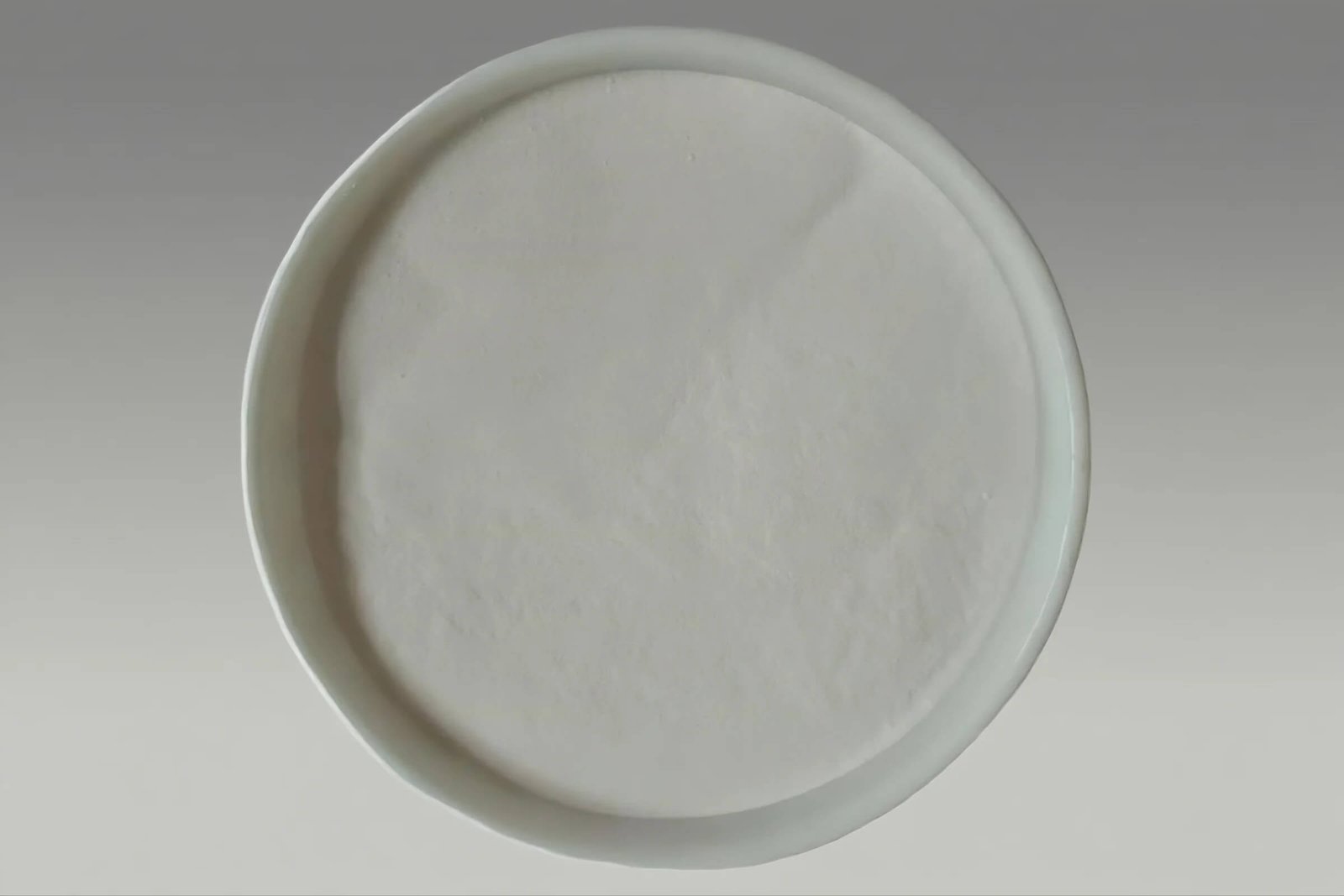
What is Manganese Carbonate?
Chemical formula: MnCO₃
CAS number: 598-62-9
Appearance: light pink powder
Typical purity: industrial-grade (≥44% Mn) and battery-grade (≥99% MnCO₃)
Main use: precursor to manganese oxides and sulfates in lithium-ion batteries.
Why Manganese Carbonate is Important in Battery Materials
Manganese carbonate (MnCO₃) is not used directly in batteries. Instead, it is an essential precursor that transforms into various manganese oxides during processing. These oxides then form the basis of cathode materials.
Decomposition into oxides
At 300–400 °C, MnCO₃ decomposes into MnO.
With further heat treatment in air (500–700 °C), MnO converts into Mn₂O₃ or Mn₃O₄.
These oxides are then combined with lithium to make LiMn₂O₄ (LMO) or used in NCM precursors.
(Source: Journal of Materials Chemistry A, 2022)
Purity and impurities
Battery performance is highly sensitive to raw material purity.
Impurities like Fe, Ni, Cu, and Pb can accelerate side reactions, shorten cycle life, and reduce safety.
For battery-grade MnCO₃, Fe must be <50 ppm (0.005%), while Ni and Cu must be below 10 ppm (0.001%).
Cost advantage vs cobalt and nickel
Manganese carbonate costs USD 900–1200/ton in 2024 (China export, SMM data).
By comparison, cobalt carbonate is over USD 25,000/ton.
This makes MnCO₃ attractive for mass-market EVs and energy storage systems where cost per kWh matters.
Table: Key parameters of battery-grade MnCO₃
| Parameter | Requirement | Reference |
|---|---|---|
| MnCO₃ content | ≥ 99% | GB/T 1622-2016 |
| Fe | ≤ 0.005% (50 ppm) | ScienceDirect, 2021 |
| Ni, Cu | ≤ 0.001% (10 ppm) | ScienceDirect |
| Moisture | ≤ 0.5% | GB/T 1622-2016 |
| Particle size | D50 = 5–10 μm | Industry practice |
Applications of Manganese Carbonate in Battery Industry
1. Lithium-ion batteries
Spinel LiMn₂O₄ (LMO):
Good safety, thermal stability, and low cost.
Used in power tools, e-bikes, and entry-level EVs.
Energy density: 100–120 Wh/kg.
NCM (Nickel-Cobalt-Manganese):
MnCO₃ is used as a precursor in NCM111, NCM523, and NCM622.
Manganese stabilizes the structure and reduces cobalt use.
Example: CATL and LG Energy Solution use NCM with Mn content between 10–20%.
2. Zinc-manganese rechargeable batteries
MnCO₃ is calcined into MnO₂, which acts as a cathode.
Zinc-ion batteries with Mn-based cathodes offer >5000 cycles and safer aqueous electrolytes.
Suitable for grid-scale storage.
(Source: Journal of Power Sources, 2023)
3. Sodium-ion batteries
Sodium-manganese oxides (NaMnO₂, NaMn₂O₄) made from MnCO₃ are being researched.
Expected energy density: 90–120 Wh/kg (lower than Li-ion, but cheaper).
Potential for stationary energy storage.
(Source: Nature Energy, 2022)
Table: Role of MnCO₃ across battery chemistries
| Battery Type | Derived Material | Role of MnCO₃ | Advantages |
|---|---|---|---|
| Li-ion (LMO) | LiMn₂O₄ | Precursor for spinel cathode | Low cost, safe, stable |
| Li-ion (NCM) | Ni-Co-Mn oxides | Precursor for NCM cathode | High energy density, cobalt reduction |
| Zn-ion | MnO₂ | Cathode material | Aqueous, safe, long cycle |
| Na-ion | Na-Mn oxides | Precursor for cathode | Low cost, good for grid storage |
Advantages of Using Manganese Carbonate over Other Manganese Compounds
Manganese carbonate is often compared with MnSO₄ (manganese sulfate) and MnO₂ (manganese dioxide), which are also used in batteries.
Processing flexibility
MnCO₃ decomposes cleanly to oxides without leaving unwanted residues.
MnSO₄ requires crystallization and careful washing to remove sulfate ions.
MnO₂ is harder to reduce and requires higher temperatures.
Purification and impurity control
Easier to refine MnCO₃ to high-purity levels than MnO₂.
Sulfate processes risk contamination from residual SO₄²⁻ ions, which can harm cathode performance.
Cost efficiency
MnCO₃ offers lower cost per ton and simpler production from carbonate ores.
Table: Comparison of Mn compounds in batteries
| Criteria | MnCO₃ | MnSO₄ | MnO₂ |
|---|---|---|---|
| Cost (2024) | $900–1200/ton | $1200–1600/ton | $1500–2000/ton |
| Processing | Simple calcination to oxides | Crystallization, drying | High-temp reduction |
| Impurity control | Easier | Risk of sulfate residue | Harder to refine |
| Use in batteries | Precursor for LMO, NCM | NCM precursor | Direct cathode in Zn batteries |
Market Trends and Demand
EV growth
Global EV sales: 14 million in 2023 → forecast 40 million by 2030 (IEA, Global EV Outlook 2024).
Each EV battery requires 10–20 kg of Mn (as compounds), depending on chemistry.
Energy storage systems (ESS)
Grid storage expected to reach 1,500 GWh by 2035 (BloombergNEF, 2024).
Mn-rich cathodes like LMO and Na-Mn oxides are strong candidates due to cost.
Regional demand
China: >80% of global MnCO₃ supply (USGS, 2024).
EU & US: rising demand due to local gigafactories (Tesla, Northvolt, GM).
Southeast Asia: fast-growing hub for battery production (Indonesia, Vietnam, Thailand).
Table: Estimated global demand for MnCO₃ in batteries
| Year | Global demand (tons) | Main drivers |
|---|---|---|
| 2023 | ~150,000 | EV batteries, pilot ESS |
| 2025 | ~250,000 | NCM growth |
| 2030 | ~500,000+ | EVs + grid storage |
Key Quality Parameters Buyers Should Look For
When sourcing MnCO₃ for battery use, the following are critical:
Purity
≥99% MnCO₃ for battery grade.
Higher purity ensures better precursor quality and fewer side reactions.
Impurity limits
Fe ≤ 0.005%
Ni, Cu ≤ 0.001%
Pb ≤ 0.001%
(Reference: ScienceDirect, GB/T 1622-2016)
Moisture content
≤0.5% to avoid clumping and reaction issues.
Particle size distribution
D50 around 5–10 μm for good reactivity and mixing.
Too large → poor reactivity; too small → handling issues.
Packaging and storage
Must be packed in moisture-proof bags (25 kg or jumbo bags).
Stored in dry, ventilated warehouses.
Table: Typical specifications of battery-grade MnCO₃
| Parameter | Requirement | Testing method |
|---|---|---|
| MnCO₃ content | ≥99% | Titration (GB/T) |
| Fe | ≤0.005% | ICP |
| Ni, Cu | ≤0.001% | ICP |
| Moisture | ≤0.5% | Drying test |
| Particle size D50 | 5–10 μm | Laser particle size analyzer |
Conclusion
Manganese carbonate is a key raw material in the battery industry, especially for lithium-ion cathodes. It offers a balance of low cost, stable supply, and reliable performance. As global EV and energy storage demand increases, the role of manganese carbonate will only grow.
Related Products

manganese dioxide

manganese carbonate

manganese sand
Related Posts

I am Edward lee, founder of manganesesupply( btlnewmaterial) , with more than 15 years experience in manganese products R&D and international sales, I helped more than 50+ corporates and am devoted to providing solutions to clients business.