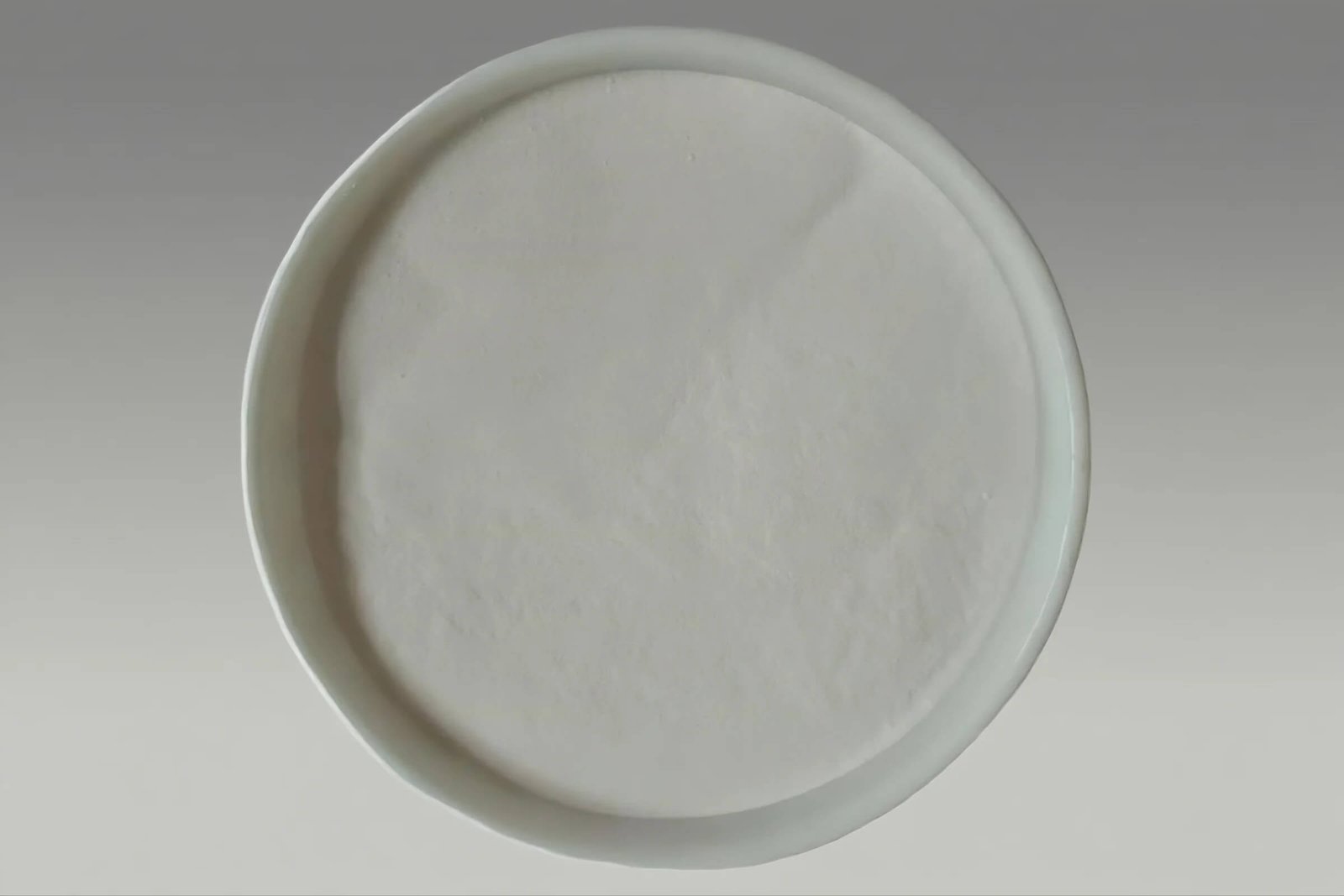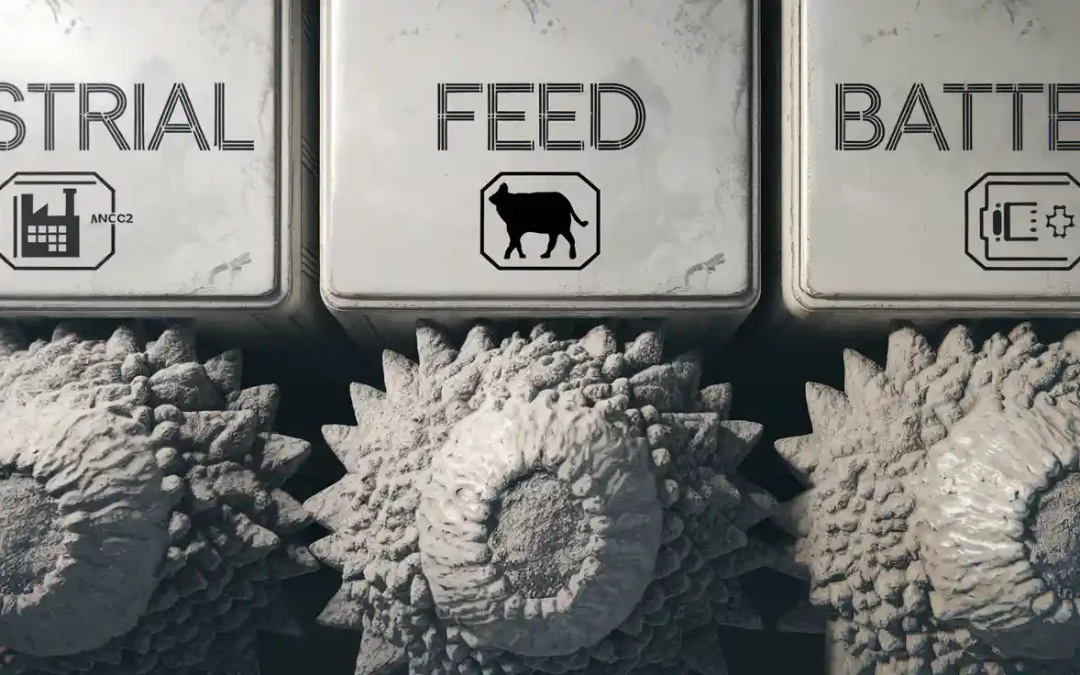
You usually find three main manganese carbonate grades: industrial, feed, and battery. Industrial grade is used for making chemicals and ceramics. Feed grade helps animals get nutrients and keeps them healthy. Battery grade is very pure and is used in batteries and electronics. Each manganese carbonate grade has its own special use in its industry.
Manganese carbonate has three grades: industrial, feed, and battery. Each grade is used for a different job in many industries. Industrial grade is for making chemicals and ceramics. It has some impurities but is good for factories. Feed grade is safe for animals and goes in their food. It helps animals grow strong and stay healthy with needed nutrients. Battery grade is the cleanest type. It is very important for batteries and electronics. It helps them work well and last longer. Picking the right manganese carbonate grade is important. It keeps things safe, works well, and gives better results in projects.
Manganese Carbonate Grades
There are three main types of manganese carbonate. These are industrial grade, feed grade, and battery grade. Each type is used for a different job. Picking the right type helps you get good results.
Industrial Grade
Industrial grade mnco₃ is found in many factories. People use it to make chemicals and ceramics. It is also used for pigments. This grade is not as pure as others. It works well for most factory jobs. You see it in making chemicals for batteries and ceramics. Industrial grade mnco₃ has some other minerals in it. These extra minerals do not hurt most uses. You pick this grade when you need a lot of mnco₃.
Feed Grade
Feed grade manganese carbonate is made for animals. Farmers add it to animal food. It helps animals grow strong and stay healthy. Feed grade has fewer extra minerals than industrial grade. It does not need to be as pure as battery grade. You use it to make animal food better. This grade helps bones grow and keeps animals from getting sick. When you choose feed grade, animals get the nutrients they need.
Battery Grade
Battery grade mnco₃ is the cleanest type. You use it in batteries and electronics. It has very few extra minerals. This is important for devices that need to work well. You need battery grade for good energy storage. It is also used to make vitamins and supplements. Battery grade meets strict rules for quality. You get the best results in jobs that need high purity.
Picking the right manganese carbonate grade helps your products work well.
Pharmaceutical grade is used for vitamins and supplements.
Food grade helps make foods healthier.
Industrial grade is used for chemicals and ceramics.
Industrial Manganese Carbonate
Composition
Industrial grade mnco₃ has a simple formula: MnCO₃. It has manganese, carbon, and oxygen. Manganese is the main part. It makes up about 44% to 46%. Carbon and oxygen make up the rest. The table below shows what is in it:
Component | Percentage |
|---|---|
Manganese (Mn) | 44% – 46% |
Carbon (C) | N/A |
Oxygen (O) | N/A |
Industrial mnco₃ can have tiny bits of other things. These are called impurities. Some examples are iron and sulfur. You should know about these. They can change how well mnco₃ works for some jobs.
Purity
When you pick industrial mnco₃, you want it to be pure. High purity is needed for many uses. Makers clean mnco₃ with special methods. They remove unwanted tiny bits. They test purity with tools like ICP-MS and X-ray fluorescence. They also check the size of the particles. They keep moisture very low, under 0.1%. Here are some common standards:
USP (United States Pharmacopeia)
NF (National Formulary)
FCC (Food Chemicals Codex)
Kosher and Halal certifications
Industrial mnco₃ can still have some impurities. Iron and sulfur are the most common. Iron can make mnco₃ less useful in batteries and electronics. Sulfur can lower quality in some chemical jobs.
Impurity | Effect on Product Quality |
|---|---|
Iron (Fe) | Makes batteries and electronics work less well. |
Sulfur (S) | Lowers quality in some chemical jobs. |
Applications
Industrial manganese carbonate is used in many places. Some main uses are:
Automotive and construction
Heavy machinery
Battery making
Agriculture
Chemicals, glass, and ceramics
Pharmaceuticals and food
People like industrial mnco₃ because it is pure and meets tough rules. In steel, it helps make things stronger and last longer. In batteries, pure mnco₃ helps make cathodes. This makes batteries safer and better. You can trust industrial mnco₃ for good results in many jobs that need high purity.
Feed Grade Manganese Carbonate
Composition
Feed grade mnco₃ is in many animal nutrition products. It has manganese, carbon, and oxygen. The formula is the same as other grades. This grade is made safe for animals. Feed grade mnco₃ has fewer impurities than industrial types. People use it in animal feed and fertilizer blends. Producers check what is inside to keep animals healthy. They do not add heavy metals or harmful things. Feed grade mnco₃ gives steady results in animal feed.
Purity
Purity is very important for feed grade mnco₃. High purity helps animals take in manganese better. Low purity can hurt animals and cause health problems. The table below shows how purity changes animal health and performance:
Purity Level | Implications for Animal Health | Benefits of High-Purity Manganese Carbonate |
|---|---|---|
Low Purity | Risks of heavy metal build-up that can make animals sick. | Gives a safe source of manganese for livestock and poultry. |
High Purity | Animals absorb manganese better and use it well. | Makes bones stronger and helps animals have healthy babies. |
You should check purity before using mnco₃ in animal feed. High-purity feed grade helps animals grow and have strong bones. It also helps animals have healthy babies. You get safer results with high-purity feed grade mnco₃.
Tip: Always ask for a certificate of analysis when you buy feed grade mnco₃. This proves it is pure and safe for your animals.
Applications
Feed grade mnco₃ is used in many ways. The main use is in animal feed. Farmers add it to food for poultry, cattle, and pigs. This helps animals grow and stay healthy. It is also in fertilizer mixes for crops. These mixes help soil and crops grow better. Mnco₃ stops manganese deficiency in animals. It helps bones grow and keeps animals active. Feed grade mnco₃ works well in feed and fertilizer blends. You get good results when you pick the right grade.
Animal feed fortification for poultry, cattle, and pigs
Fertilizer trace-element blends for crops
Prevention of manganese deficiency in livestock
Feed grade mnco₃ is a safe and good way to help animals and crops grow.
Battery Grade Manganese Carbonate
Composition
Battery grade mnco₃ has a very strict chemical makeup. It must meet high standards to work well in batteries. The table below shows what is inside:
Test Item | Specification | Test Result |
|---|---|---|
Mn | 44% min | 44.1% |
Cl- | 0.01% max | 0.009% |
SO4²- | 0.6% max | 0.5% |
Fe | 0.001 % max | Qualified |
This table shows battery grade mnco₃ has lots of manganese. It has very little chloride, sulfate, and iron. You need this control so the material works in lithium-ion battery anode material.
Purity
You must check purity when picking battery grade mnco₃. High purity is needed for making cathode materials in lithium-ion battery anode material. Even tiny amounts of iron or other metals can cause problems in batteries. Producers use advanced ways to clean and extract mnco₃. They face some tough challenges:
There are not many sources of good manganese ore for battery-grade carbonate.
Building special plants costs a lot of money.
There are strict rules for mining and processing to protect nature.
New technology helps with these problems. Better ways to extract and clean mnco₃ make it easier to get pure material. Some companies use eco-friendly mining and recycling to keep the supply steady.
Advancement Type | Description |
|---|---|
Innovations in Extraction Processes | New extraction methods help make purer manganese carbonate. |
Refining Process Improvements | Better refining helps meet tough battery standards. |
Sustainable Mining Practices | Eco-friendly mining helps keep manganese supply good for the planet. |
Recycling Initiatives | Recycling helps save resources and cut down on waste. |
Applications
Battery grade mnco₃ is used in many high-tech products. The main use is in batteries for electric vehicles. More people are buying electric cars every year. Experts think electric car sales could reach 30 million each year by 2030. This means more need for high-purity mnco₃.
You also find battery-grade carbonate in other energy storage systems. It helps batteries last longer and stay safe. Many companies use it to make lithium-ion battery anode material. People care about the environment, so they want clean and green batteries. Battery grade mnco₃ is good for new eco-friendly battery types.
Tip: For the best batteries or electronics, always pick battery grade mnco₃. This grade gives you the purity and performance needed for advanced technology.
Comparing Manganese Carbonate Grades
Key Differences
You need to know how each mnco₃ grade is different. Each grade has special features, purity, and uses. Picking the right one helps you do your job well.
Composition
Industrial Grade: This grade has a simple formula. It has manganese, carbon, and oxygen. Sometimes, there is a little iron or sulfur. These do not change most factory jobs.
Feed Grade: This type also has manganese, carbon, and oxygen. It has fewer extra things than industrial grade. Makers remove heavy metals so animals stay safe.
Battery Grade: This grade is the cleanest. It has almost no iron, chloride, or sulfate. You need this pure grade for batteries and electronics.
Purity
Industrial Grade: This grade is pretty pure, but not the highest. It works for making ceramics, chemicals, and metals.
Feed Grade: This grade needs to be more pure. It keeps animals healthy and safe. Rules stop heavy metals like lead and arsenic.
Battery Grade: This grade must be super pure. Even tiny bits of iron or other metals can hurt batteries.
Application Fields
Mnco₃ is used in many places. Each grade is made for a special job.
Grade | Main Application Fields | Typical Uses |
|---|---|---|
Industrial | Ceramics, chemicals, metallurgy | Used in making ceramics, pigments, and as a raw material in chemical processes |
Feed | Animal nutrition, agriculture | Added to animal feed to prevent deficiencies and support healthy growth |
Battery | Energy storage, electronics | Used in lithium-ion batteries and other advanced energy storage systems |
Factories use industrial-grade mnco₃ for ceramics, chemicals, and metals. Feed-grade mnco₃ helps animals grow strong and healthy. It stops bone problems and keeps livestock well. Battery-grade mnco₃ is needed for new battery technology. You find it in batteries for electric cars and electronics.
Regulatory Standards and Certifications
Each grade has its own rules. These rules help keep products safe and good.
Grade | Regulatory Body/Standard | Key Requirements |
|---|---|---|
Feed Grade | EU, AAFCO, FDA, China GB 13078-2017 | Strict limits on heavy metals, high manganese content, safety and efficacy studies |
Industrial Grade | Varies by application | Requirements depend on use, less strict than feed or battery grades |
Battery Grade | Varies by application | Focus on purity and performance, often set by battery manufacturers |
Some certifications show mnco₃ is good quality. FAMI QS is important for feed grade. ISO 9001 and ISO 14001 show good quality and care for nature.
FAMI QS: For feed industry standards
ISO 9001: For quality management
ISO 14001: For environmental management
Tip: Always look for certifications and approval before you buy mnco₃.
Summary Table
Here is a quick way to see the main differences:
Feature | Industrial Grade | Feed Grade | Battery Grade |
|---|---|---|---|
Purity Level | Moderate | High | Very High |
Impurities | Iron, sulfur allowed | Low heavy metals | Very low, strict limits |
Main Use | Ceramics, chemicals | Animal feed, agriculture | Batteries, electronics |
Certification | ISO standards | FAMI QS, ISO, feed laws | Battery industry specs |
Each mnco₃ grade is made for a special use. You should always pick the right grade for your job. This helps you get safe, strong, and good results.
Now you know how industrial, feed, and battery grades are different. If you understand these grades, you can pick the best one. This helps you get better results and save money.
Pick the right grade for good performance and safety.
You can follow rules and make your products better.
Factor | Details |
|---|---|
Choose types with less sulfur and silicate. | |
Harmful Elements | Stay away from SiO₂, CaO, MgO, Al₂O₃, K₂O, P, S, and other bad things. |
Processing Methods | Use carbonate-type manganese ore for better results. |
Tip: Always check what minerals and harmful things are in it before you buy manganese carbonate. This helps you get the best quality for what you need.
FAQ
What is the difference between industrial, feed, and battery grade manganese carbonate?
Industrial grade is used in factories. Feed grade is for animal food. Battery grade is used in electronics. Each grade has a different level of purity. Battery grade is the cleanest. Feed grade is safe for animals. Industrial grade is good for chemicals and ceramics.
How do you check the purity of manganese carbonate?
You can ask your supplier for a certificate. Labs use special tools to test purity. ICP-MS and X-ray fluorescence are common tools. High purity means less bad stuff inside. Always look at test results before buying.
Is feed grade manganese carbonate safe for animals?
Yes, feed grade is made to be safe for animals. Makers take out heavy metals and other bad things. Certified feed grade helps animals grow strong and healthy.
Can you use industrial grade manganese carbonate in batteries?
No, you should not use industrial grade in batteries. Industrial grade has more impurities. These can make batteries work worse and be less safe. Always choose battery grade for electronics and energy storage.
What certifications should you look for when buying manganese carbonate?
Look for FAMI QS for feed grade. ISO 9001 is for quality. ISO 14001 is for caring about the environment. Battery grade follows battery industry rules. Certifications help you get safe and good products.
Related Products

manganese dioxide

manganese carbonate

manganese sand
Related Posts

I am Edward lee, founder of manganesesupply( btlnewmaterial) , with more than 15 years experience in manganese products R&D and international sales, I helped more than 50+ corporates and am devoted to providing solutions to clients business.