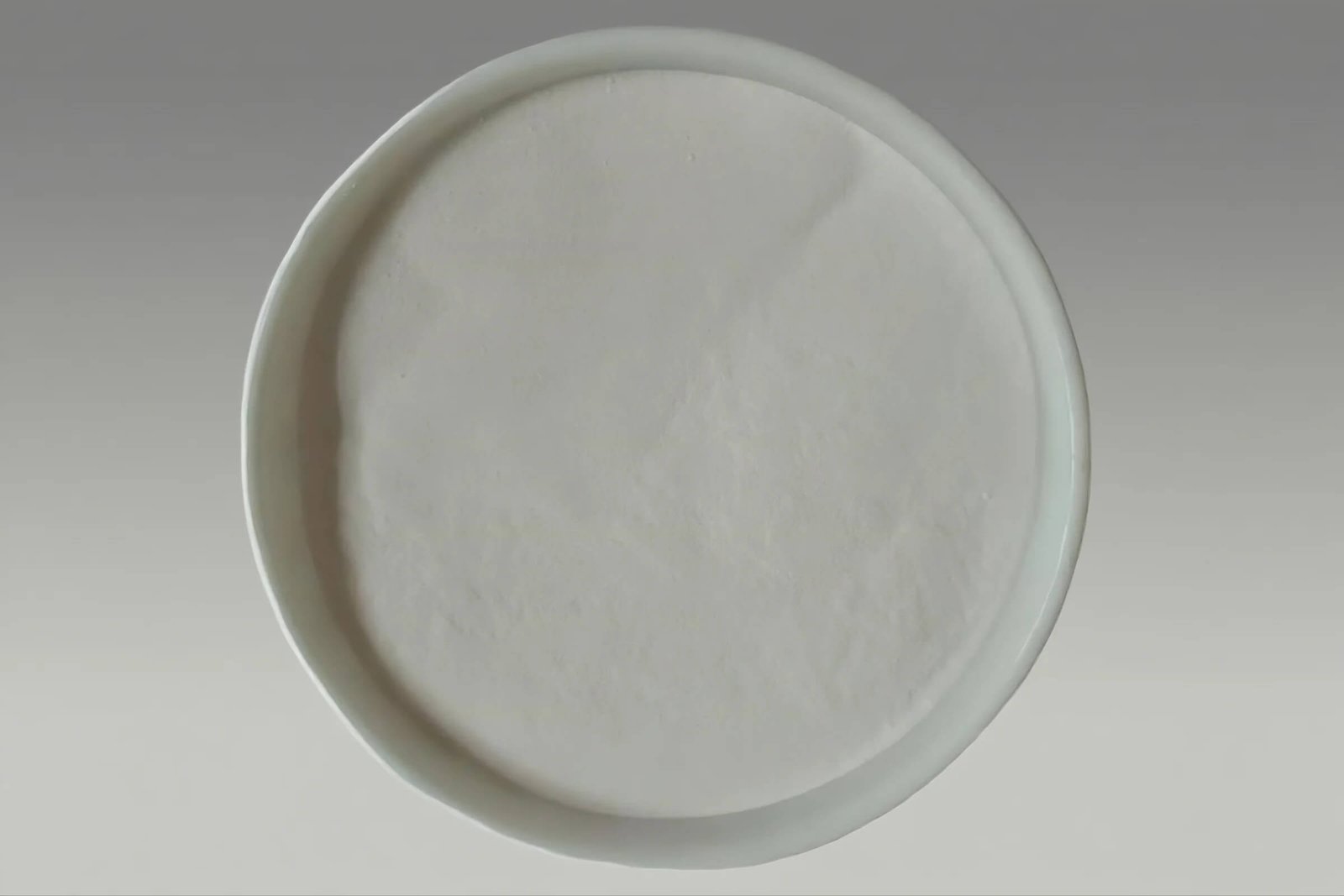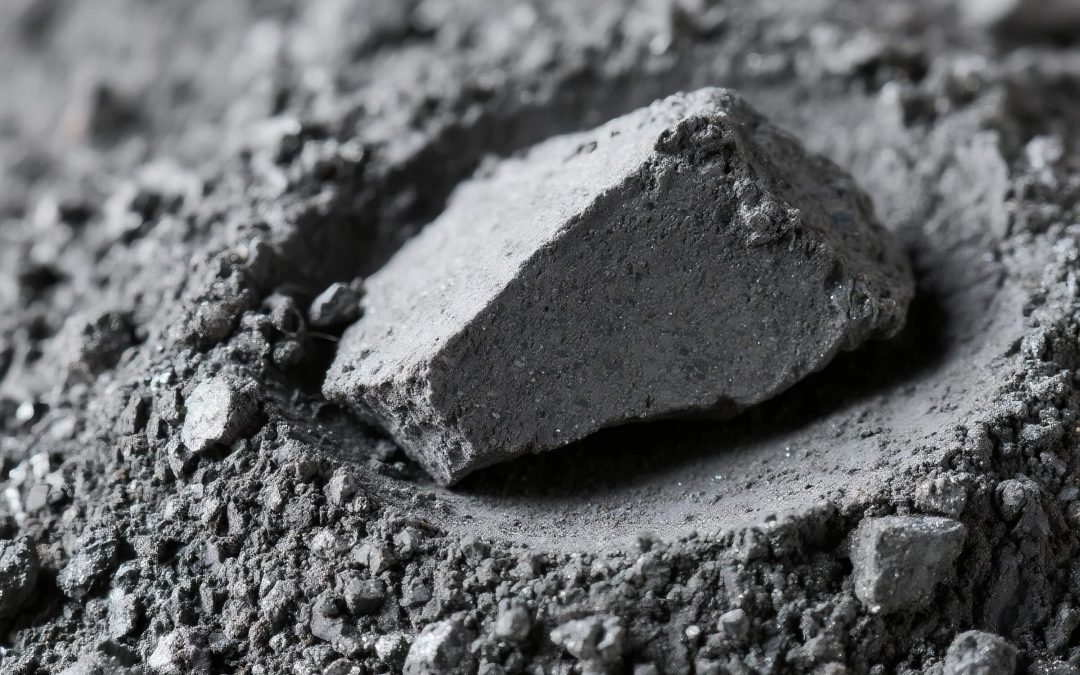
Manganese dioxide (MnO₂) is a key material used in many industries, from ceramics and glass to modern batteries and electronics. It can come from natural mineral deposits or be produced synthetically through chemical or electrochemical methods. The choice between natural and synthetic MnO₂ affects purity, performance, applications, and market use. This blog explains their differences and how each type is applied in industry.
Source and Origin
Natural manganese dioxide mainly comes from the mineral pyrolusite, one of the most abundant manganese ores. Pyrolusite is often mined in countries with rich manganese resources, including South Africa, Australia, Brazil, and India.
Composition and Purity
The MnO₂ content in raw pyrolusite is typically around 62–63% (MDPI, 2021).
For use in traditional batteries (such as Leclanché dry cells), natural ore is concentrated to reach 75–85 wt.% MnO₂.
It usually contains 3–5% water, 0.5–5% silica (SiO₂), 0.2–0.3% iron (Fe), and 0.1–0.2% other oxides (MDPI, 2021).
Characteristics
Natural MnO₂ has lower purity compared to synthetic types.
The presence of impurities can affect its electrochemical performance.
It is cheaper to obtain, but its quality varies depending on the ore deposit.
Applications
Historically, natural manganese dioxide was widely used in Leclanché batteries.
Today, it is still valuable in metallurgy, glass coloring, and ceramics.
Due to impurity levels, it is less common in high-performance modern batteries.
2. What Is Synthetic Manganese Dioxide (SMD)?
Synthetic manganese dioxide is manufactured through controlled processes to achieve high purity and consistent structure. It comes mainly in two forms: Chemical Manganese Dioxide (CMD) and Electrolytic Manganese Dioxide (EMD).
2.1 Chemical Manganese Dioxide (CMD)
CMD is produced by reacting manganese salts (such as manganese sulfate, MnSO₄) with oxidizing agents like sodium chlorate (NaClO₃).
Sedema process: MnO₂ is deposited on MnO₂ particles, producing spherical, smooth granules. However, the density is lower compared to EMD (US Patent 5348726).
CELLMAX process: An improved chemical route that yields denser MnO₂, closer in quality to EMD.
CMD offers higher purity than natural ore, but its electrochemical performance is generally weaker than EMD.
2.2 Electrolytic Manganese Dioxide (EMD)
EMD is the most important synthetic form and is produced by electrolyzing manganese sulfate (MnSO₄) in sulfuric acid.
At the anode, Mn²⁺ is oxidized and deposited as MnO₂.
The resulting material is high-density γ-MnO₂, known for its excellent electrochemical activity.
Properties of EMD (DSIR Report, 2019):
Purity: 90–92% γ-MnO₂
Particle size: < 74 µm (-200 mesh)
True density: 4.2–4.5 g/cm³
Tap density: 1.7–2.5 g/cm³
Surface area: 30–60 m²/g
Water: 3–5% chemically bound
Applications of EMD
Modern alkaline batteries, zinc-carbon batteries, and lithium batteries.
Used as a catalyst and in electronic components requiring high purity.
Global demand is high: more than 230,000 tons/year are used for batteries, growing at around 10% annually (MDPI, 2021).
3. Natural vs. Synthetic MnO₂: Key Differences
To better understand the practical implications, let us compare natural and synthetic MnO₂ side by side:
| Property | Natural MnO₂ (NMD) | Synthetic MnO₂ (CMD / EMD) |
|---|---|---|
| Source | Mined mineral (pyrolusite) | Industrial processes (chemical or electrolytic) |
| Purity | ~62–85% | ≥90%; EMD 90–92% γ-MnO₂ |
| Impurities | SiO₂, Fe, Al, Ca | Extremely low |
| Structure | Mixed crystalline phases, less controlled | Controlled γ-MnO₂ structure (high density) |
| Density | Variable | 4.2–4.5 g/cm³ (EMD) |
| Surface Area | Not optimized | 30–60 m²/g (EMD) |
| Electrochemical Activity | Low | High, ideal for batteries |
| Cost | Lower | Higher (due to complex process) |
| Applications | Ceramics, glass, metallurgy, low-cost batteries | Alkaline, lithium, zinc batteries, catalysts, electronics |
4. Why Synthetic MnO₂ Has Become the Industry Standard
Modern battery technology requires materials with:
High purity (to avoid unwanted side reactions).
Stable structure (to maintain consistent discharge rates).
Reliable performance under cycling conditions.
Because of these needs, synthetic MnO₂—especially EMD—has replaced natural MnO₂ in most battery markets.
Alkaline batteries: EMD ensures higher capacity and longer shelf life.
Lithium batteries: High-purity MnO₂ supports improved energy density.
Catalysts: Synthetic MnO₂ offers repeatable properties crucial for chemical reactions.
On the other hand, natural MnO₂ remains cost-effective for industries like glass coloring, ceramics, and metallurgy, where extreme purity is not critical.
5. Global Market Trends
Natural MnO₂: Still mined in large quantities, but mainly used in non-battery industries.
Synthetic MnO₂ (EMD): The dominant form in the battery sector, with demand growing due to electric vehicles (EVs) and portable electronics (Discovery Alert, 2025).
As the battery industry expands, synthetic MnO₂ is expected to see significant growth, while natural MnO₂ will likely remain in more traditional applications.
6. Choosing the Right Type for Your Application
When sourcing manganese dioxide, the choice depends on your target industry:
Use Natural MnO₂ if:
You are in ceramics, glass, or metallurgy.
Cost is a major factor.
Purity and electrochemical performance are less critical.
Use Synthetic MnO₂ (EMD or CMD) if:
You are producing alkaline batteries, lithium batteries, or electronic devices.
Consistency and purity are essential.
Long-term reliability matters more than raw material cost.
7. Conclusion
The difference between natural and synthetic manganese dioxide lies in more than just how they are made. Natural MnO₂, sourced from mineral ores, is economical but limited in purity and performance. Synthetic MnO₂, particularly electrolytic manganese dioxide (EMD), offers high purity, optimized structure, and superior electrochemical properties—making it indispensable for modern battery technologies.
As the world moves toward renewable energy and electric mobility, demand for synthetic MnO₂ will only grow, while natural MnO₂ will continue to serve traditional industries. Understanding these differences helps manufacturers and buyers make informed sourcing decisions that align with both cost and performance needs.
Related Products

manganese dioxide

manganese carbonate

manganese sand
Related Posts

I am Edward lee, founder of manganesesupply( btlnewmaterial) , with more than 15 years experience in manganese products R&D and international sales, I helped more than 50+ corporates and am devoted to providing solutions to clients business.