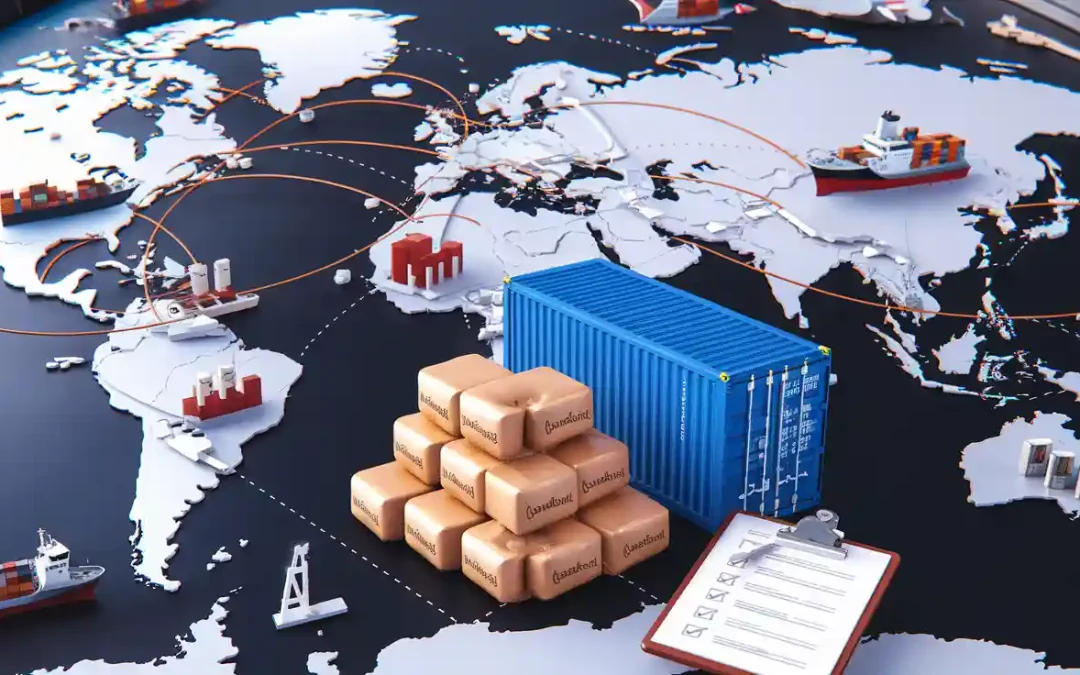
You face big problems when working with the manganese sulfate supply chain. Delays in shipping, high energy prices, and limits on transport make it hard to get this important material. Manganese sulfate is very important for batteries in electric cars and for farming. Problems in the supply chain can cause shortages and price changes. You can see these patterns in the table below. The table shows world production, use, and price changes from 2020 to 2031.
Category | Year Range | Data Type | Description |
|---|---|---|---|
Global Manganese Sulphate Consumption | 2020-2025 | Tons | Consumption statistics by region |
Global Manganese Sulphate Production | 2020-2025 | Tons | Production statistics by type and application |
Global Manganese Sulphate Production Capacity | 2020-2031 | Tons | Capacity statistics over time |
Global Manganese Sulphate Average Price | 2020-2031 | US$/Ton | Average price trends over time |
Global Manganese Sulphate Production Value | 2020, 2024, 2031 | US$ Million | Value comparison by region |
Manganese sulfate is very important for electric car batteries and farming. This makes its supply chain very important.
China makes most of the manganese sulfate. This means other places may have trouble getting it.
High energy prices and tough rules make it hard to make manganese sulfate. These things also change how much it costs.
Bad weather and world problems can stop the supply chain. This can make prices go up and down a lot.
To lower risks, use many suppliers and watch market news and rules.
Manganese Sulfate Supply Chain
Structure and Key Players
Many companies are part of the manganese sulfate supply chain. These companies help move manganese sulfate from mines to factories. Then, they send it to customers. Some companies only do mining. Others focus on processing or distribution. Each step must work well with the next one. This keeps products moving without problems.
Here are some of the biggest producers and distributors in the manganese sulfate supply chain:
American Elements
Eramet
Compania Minera Autlan
Mesa Minerals Limited
Prince International Corporation
Hunan Huitong Science & Technology Co., Ltd.
Guangxi Yuanchen Manganese Industry Co., Ltd.
Rech Chemical Co., Ltd.
Lantian Chemical Industrial Factory
DaHua Chemical
Xiangtan Electrochemical Scientific Ltd.
Hunan Yueyang Sanxiang Chemical Co., Ltd.
Hunan QingChong Manganese Industry Co., Ltd.
Guizhou Redstar Developing Co., Ltd.
Hunan Jinlong Manganese Industry Co., Ltd.
Tosoh Corporation
Hunan Hengxing Chemical Co., Ltd.
Guangxi Detian Chemical Cycle Co., Ltd.
Hunan Jingshi Group Corporation
Guangxi Menghua Technology Co., Ltd.
Most of these companies are in China. This means the manganese sulfate supply chain depends a lot on China. Strict environmental rules affect how these companies work. Companies that follow these rules and use new technology can sell to more places. Partnerships and new ways to clean manganese sulfate help the supply chain stay strong.
Geographic Concentration
The manganese sulfate supply chain is found all over the world. But some places are more important than others. Most manganese sulfate is made in China. Other places include North America, South America, Europe, Asia Pacific, and the Middle East and Africa. Each place has its own market trends and problems.
Key Factor | Description |
|---|---|
Manganese sulfate production is mostly in China, which leads the market. | |
Geopolitical Moves | Some countries want to make battery materials at home. This helps them depend less on China. |
Regulatory Compliance | New rules, like the EU’s battery law, ask for carbon footprint reports. This changes where companies make manganese sulfate. |
New projects are starting outside China. These projects try to make the manganese sulfate supply chain safer. Laws in places like the EU make companies lower their carbon footprint. This can change where new factories are built. By watching these changes, you can see how the manganese sulfate supply chain meets global needs.
Supply Chain Challenges
Logistics and Transportation
Moving manganese sulfate around the world is hard. It takes a long time and costs a lot of money. You need to get it from mines to factories. Then, it goes to places that make batteries or use it for farming. There are strict environmental rules. These rules make things more expensive. Sometimes, they stop you from moving as much as you want.
Following rules costs more money and can slow down work.
Problems like trade fights, bad weather, and government rules make things harder.
Not enough good manganese ore and political problems can make it tough to get what you need.
“Rogers says Jupiter had trouble with trains. Now, they use trucks to move ore.”
In some places, roads and bridges are not good. This makes moving manganese sulfate even slower. Some countries do not have strong power or good roads. These problems make it cost more and take longer to deliver. Even rich countries have old roads and railways. This can cause delays and make things less efficient. In the countryside, bad internet makes it hard to sell manganese sulfate.
Energy and Production Costs
Energy prices are very important for making manganese sulfate. New laws in Western countries help people build new factories. But energy costs are high in these places. This makes it hard to compete with China. In China, energy is cheaper. Companies there can make manganese sulfate for batteries at a lower price.
New laws in the West help people invest in making manganese sulfate.
Energy prices help decide where to make manganese sulfate.
China has cheaper energy, so it is the best place to make battery-grade manganese sulfate.
Energy prices can change fast. If energy costs go up, it costs more to make manganese sulfate. This can make batteries more expensive. If energy prices go down, it is cheaper to make manganese sulfate. But prices do not always drop for you.
Price Volatility
The price of manganese sulfate changes a lot. Many things can make prices go up or down. You need to watch for problems in the supply chain. Demand goes up in farming seasons and when new batteries are made. If factories slow down, there can be shortages. This makes prices change. Weather and new rules can also stop mining and making manganese sulfate.
Factor | Description |
|---|---|
Supply chain disruptions | Problems in the supply chain can make prices change a lot. |
Seasonal agricultural demand | When farmers need more, prices go up. |
Evolving battery technologies | More electric cars mean more need for manganese sulfate. |
Production bottlenecks | Slow factories can make shortages and raise prices. |
Fluctuations in manganese flake prices | If manganese flake prices change, manganese sulfate prices change too. |
Mining and production disruptions | Bad weather or new rules can stop mining and making manganese sulfate. |
Raw material availability | If there is not enough manganese ore, prices can go up. |
International trade policies and regulations | Trade rules can change how much manganese sulfate costs and how easy it is to get. |
Farmers see prices go up and down because of costs and rules. Problems in different countries can also make prices change. When farming and battery companies need more, prices go up. But prices can also change because of new rules and costs.
Weather and Disruptions
Bad weather can make big problems for the manganese sulfate supply chain. Heavy rain, floods, or droughts can stop mining. They can also slow down trucks and trains. Natural disasters can break roads and ports. This makes deliveries late and prices higher.
You also have problems from trade fights and government rules. These can stop shipments or make it hard to get manganese. When there is less supply, prices go up. You need to plan for these problems to keep your supply chain safe.
Note: You can lower risks by buying from more suppliers and building better roads and factories. Watching the news and learning about world events helps you get ready for new problems.
Bottlenecks in the Manganese Sulfate Market
China’s Processing Capacity
China does most of the world’s manganese sulfate processing. It handles 95% of high-purity manganese sulfate. Almost all battery-grade manganese sulfate comes from China. People in the U.S. and Europe rely on China for supply. Only two plants outside China make manganese sulfate. These plants make just 4% of the world’s supply.
China’s control can cause supply problems.
The U.S. and Europe have tough rules and few local plants.
New U.S. laws try to help local mining, but it is slow.
If China has trouble, there may be shortages and higher prices. You should watch China’s energy costs, rules, and export plans. These things can quickly change the global supply.
High-Purity Production Declines
High-purity manganese sulfate production is dropping. Producers now work at less than half their normal speed. They focus on long-term orders and skip spot sales. This happens because demand is weak and the market is unsure. Companies want smaller inventories, so they buy less.
The table below shows how battery types use manganese:
Cathode Chemistry | Manganese Content (%) | Market Share Trend |
|---|---|---|
NMC 111 | 33.3 | Declining |
NMC 532 | 20.0 | Stable |
NMC 622 | 20.0 | Stable |
NMC 811 | 10.0 | Increasing |
NMC 9.5.5 | 5.0 | Emerging |
LMO | ~50.0 | Declining |
LMFP | 15-20 | Developing |
Some batteries need less manganese now. Companies switch to high-nickel cathodes, which use less manganese. Sodium-ion battery projects are slow, so demand drops. LMFP technology has problems, so it grows slowly. These things make it hard for producers to plan.
Ternary cathode precursor production is low.
High-nickel cathodes mean less manganese is needed.
LMFP technology has many challenges.
Supply-Demand Imbalance
There is a big gap between supply and demand. Most supply comes from China, but demand keeps rising. Battery-grade manganese sulfate is 61% of the market. Electric vehicle sales grow over 20% each year. Battery makers need more manganese sulfate to keep up.
China makes over 80% of the world’s manganese sulfate.
Supply problems and price changes are more likely.
Industrial-grade manganese sulfate demand grows 5.5% each year until 2030.
EV sales make battery makers increase production.
A small drop in ore supply can raise prices a lot. For example, a 7% drop in ore supply made prices go up 14%. The market is very sensitive to changes. If new mining projects do not start in the U.S. and Europe, bottlenecks will get worse. Mining rules on land and sea may cause shortages later.
You can lower risks by helping new projects outside China and making better rules. Watching market trends helps you get ready for sudden changes.
Regional Differences
Asia-Pacific
Asia-Pacific makes the most manganese sulfate in the world. China is the biggest producer. Most battery-grade manganese sulfate comes from China. This lets China control the global supply. Other countries like India and South Korea want to grow their industries. They have trouble with technology and getting raw materials. China has strict environmental rules. These rules can slow down production. When rules change, supply and prices change fast. Japan and South Korea work on new battery technologies. But they still need to import from China.
North America and Europe
North America and Europe buy most of their manganese sulfate from other places. North America gets over 60% from Africa and South America. Europe imports about 48% and looks for sustainable sources. Both regions want to lower these risks. Governments help local production projects. North America builds new refining facilities. Europe builds new plants in Norway and Finland. These steps help lower imports and make supply chains stronger.
Region | Import Dependency | Key Markets and Drivers | Local Production Initiatives |
|---|---|---|---|
North America | Over 60% | Technology, electric vehicles, pharmaceuticals | Pilot-scale manganese refining facilities |
Europe | About 48% | Sustainability, electric vehicles, regulations | New plants in Norway and Finland |
Both regions have strong government policies. North America and Europe want greener production and recycling old batteries. The European Union makes rules for carbon neutrality and sustainable sourcing. These actions help move toward local supply and better environmental practices.
Emerging Markets
Emerging markets like Africa and South America are growing. These regions send raw manganese ore to other countries. Local industries have problems with roads and technology. Governments want more investment and new processing plants. They work with global companies. These efforts help make supply chains stronger and create jobs. As these markets grow, new sources of manganese sulfate may appear outside Asia-Pacific, North America, and Europe.
Manganese Sulfate Demand Trends
Battery and EV Growth
Batteries and electric vehicles are changing quickly. This makes more people need manganese sulfate. Most batteries use manganese sulfate to work better and last longer. In 2022, over 60% of batteries used manganese. A Chevy Bolt battery uses more than 24 kg of manganese sulfate. More people buy electric cars every year, so battery demand goes up.
Year | Manganese Sulfate Demand (Projected) |
|---|---|
2022 | Current demand level |
2030 | Nearly triple current demand |
As EV sales rise, the world needs more manganese sulfate. By 2030, experts think demand will be almost three times higher. Companies plan for more supply and better ways to make batteries. They want batteries to last longer and use less energy. These changes help meet demand and keep things sustainable.
EV sales make manganese sulfate demand go up.
Battery makers need high-purity manganese sulfate for new models.
More money goes into making batteries in greener ways.
Agricultural Demand
Farmers also need more manganese sulfate. It helps crops grow strong and healthy. New farming rules and practices make farmers use it more. Governments give rewards for using manganese sulfate. AI and IoT tools help farmers use nutrients better.
The world needs more food. Experts say food production must go up by 70% by 2050. Manganese sulfate is important for healthy crops. More farmers use organic and precision farming. These changes help manage nutrients and keep farming sustainable. Research helps farmers use manganese sulfate in smarter ways.
Long-Term Outlook
Looking ahead, demand for manganese sulfate will stay high. EVs and energy storage systems need more every year. The market finds new supply sources and follows stricter rules. Companies focus on ESG goals and cleaner ways to make manganese sulfate. These trends shape the future of demand.
Market growth depends on battery demand and sustainable farming. New rules and technology can change things fast. Companies that care about sustainability and better supply chains will do well. Manganese sulfate will help make cleaner energy and better food in the future.
You have big problems in the manganese sulfate industry. Prices for raw materials change a lot. New rules for the environment make things harder.
Bottleneck Type | Description |
|---|---|
Raw Material Price Volatility | Manganese metal prices went up and down by more than 25%. This makes it cost more to make and sell manganese sulfate. |
Environmental and Regulatory Concerns | Tougher rules for mining manganese make it harder to make manganese sulfate. These rules are because mining can hurt the environment. |
These problems can make high-quality manganese sulfate cost more. They can also make it harder to sell for farming and batteries. You can lower risks by making more manganese sulfate at home. You can also get it from more places and use smart tools to help. If you care about the environment and new ideas, you can help make the market safer for everyone.
FAQ
What is the manganese sulfate market?
The manganese sulfate market is a worldwide system. It links miners, processors, and buyers together. This market is important for batteries and farming. People watch trends, supply, and demand closely. The market changes quickly. You need to keep learning to make good choices.
Why do manganese sulfate prices change so often?
Manganese sulfate prices go up and down a lot. Problems with supply, energy costs, and new rules affect prices. When more people want it or there is less supply, prices rise. People watch these changes to plan when to buy.
How does China impact the manganese sulfate market?
China is the main country in the manganese sulfate market. Most processing happens in China. If China changes its rules or how much it makes, the whole market feels it. Many people depend on China for supply. They watch what China does to guess what will happen next.
What are the main uses of manganese sulfate?
Manganese sulfate is used in batteries and farming. The market grows because electric vehicles need better batteries. Farmers use it to help crops grow strong. As technology and farming get bigger, more people want manganese sulfate.
How can you manage risks in the manganese sulfate market?
You can lower risks by buying from different suppliers. You should read news about the market. You can help new projects outside China. You also watch prices and make plans early. This helps you avoid running out or paying too much.
Related Products

manganese dioxide

manganese carbonate

manganese sand
Related Posts

I am Edward lee, founder of manganesesupply( btlnewmaterial) , with more than 15 years experience in manganese products R&D and international sales, I helped more than 50+ corporates and am devoted to providing solutions to clients business.