You have to follow tough rules when you ship or export manganese dioxide. Many laws in the U.S. and other countries affect your shipment.
You need to follow rules for packaging, labeling, and safety.
Lithium batteries with manganese dioxide have more shipping limits.
Customs can slow down or punish you if you use wrong codes.
Manganese Dioxide Buyers must pay close attention to these things.
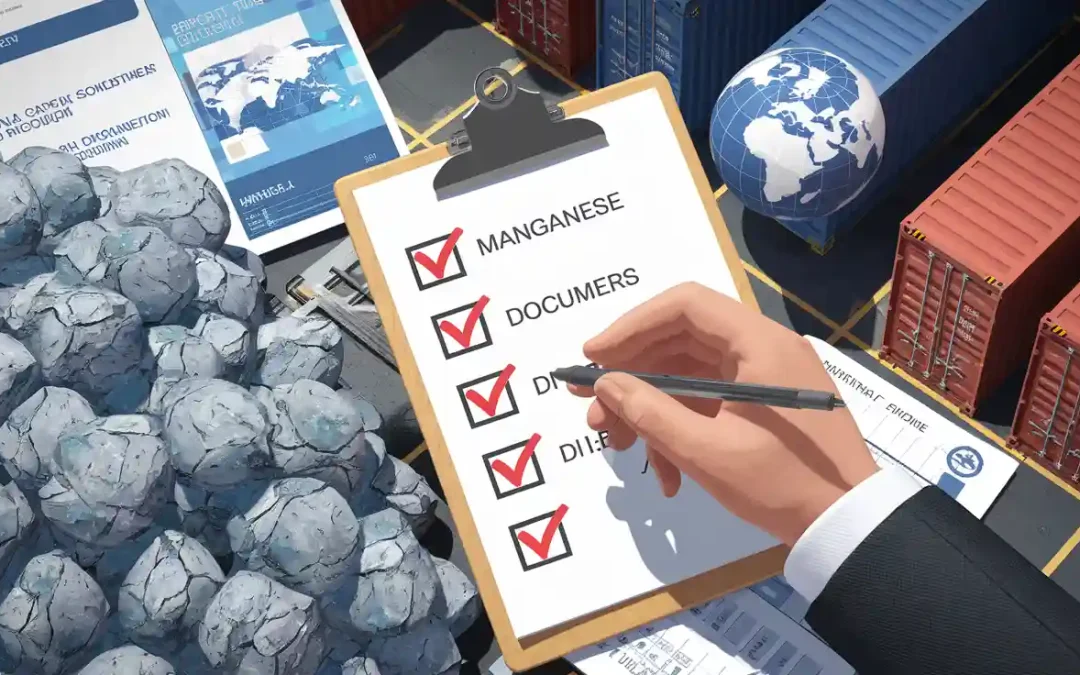
Always get all shipping papers ready and check them twice. You need the Bill of Lading, Certificate of Origin, MSDS, and HS Code 28201000. This helps you avoid problems with customs and fines.
Follow all export rules step by step. Make sure your supplier has the right certificates. Use the correct codes. This helps your shipment go through customs easily and legally.
Work with experts like customs brokers and trade consultants. Talk clearly with them. Plan for delays that might happen. This keeps your shipment safe and lowers risks.
Essential Checklist for Manganese Dioxide Buyers
Required Shipping Documents
Before you ship manganese dioxide, you need some papers. These papers show your shipment is safe and legal. Here is a checklist you can use:
Bill of Lading – This paper tells who owns the goods. It also helps track the shipment.
Certificate of Origin – Customs checks this to know where your manganese dioxide comes from.
Material Safety Data Sheet (MSDS) – This sheet gives safety rules for handling manganese dioxide.
Certificate of Analysis (COA) – This report shows the quality and purity of your product.
Pro Forma Invoice – This invoice lists sale details before you ship.
Import/Export Licenses – You need these to prove you can trade.
Customs Declaration – Customs officers use this to check your shipment.
Irrevocable Corporate Purchase Order – This order proves you agreed to buy the product.
Sales and Purchase Agreement – This contract explains the terms of your deal.
HS Code 28201000 – This code helps customs know what manganese dioxide is.
Tip: Always keep copies of your documents. If you lose papers, your shipment may be late.
Key Export Compliance Steps
You must follow some steps to meet export rules. These steps help you avoid fines and delays.
Check if your country or the U.S. has special rules for manganese dioxide.
Make sure your product uses HS Code 28201000.
Confirm your supplier follows EPA TSCA and other safety laws.
Look over all documents for correct names, dates, and codes.
Ask a customs broker for help if you are not sure.
Manganese Dioxide Buyers who use this checklist have fewer shipping problems.
Shipping and Export Documents
When you send manganese dioxide to another country, you need special papers. Each paper has a job. These papers help you follow the rules. Here is what each one does and why it is important.
Bill of Lading
The Bill of Lading is a receipt for your shipment. It also shows who owns the goods. Customs officers use it to check your cargo.
Write the real sender and receiver names.
Use the exact product name, not a general one.
Add the product code, AMS info, and packing list invoice.
Say how many pieces, like “50 boxes per pallet.”
Tell where the goods came from.
In places like India and Russia, this paper affects who controls the cargo and payment. If you make mistakes, customs can hold or take your goods.
Certificate of Origin
This paper shows where your manganese dioxide was made. Customs checks it to see if you get trade deals or lower taxes. You need it to prove where your product comes from and to avoid extra charges.
Material Safety Data Sheet (MSDS)
The MSDS gives safety rules for manganese dioxide. It lists dangers, storage tips, and what to do in an emergency. Customs and shippers need this sheet to make sure your cargo is safe and packed right.
Certificate of Analysis (COA)
A Certificate of Analysis proves your manganese dioxide is good and pure. It has test results for each batch. This shows your product meets the law.
Aspect | Explanation |
|---|---|
Checks product safety and follows rules, including limits on bad stuff. | |
Quality Assurance | Gives trusted test results from ISO 17025 labs. |
Regulatory Compliance | Supports GMP and world standards. |
Batch Traceability | Each batch has a special number for tracking. |
Accreditation and Standards | Suppliers have ISO 9001 and BRCGS AA+ grade certificates. |
Export Facilitation | Helps customs clear your goods and get rule approval. |
Pro Forma Invoice
The Pro Forma Invoice shows sale details before shipping.
Give it with your import license for customs.
Make sure your bank says yes to a Letter of Credit before you ship.
If you ship before the bank says yes, you could get fined or lose money.
Import/Export Licenses
You need these licenses to show you can trade manganese dioxide. Customs checks them before letting your shipment in or out of a country.
Customs Declaration
The Customs Declaration lists all shipment details. You must say the product name, amount, value, and HS code. Customs uses this to check if your cargo follows the rules and to set taxes.
Irrevocable Corporate Purchase Order
This order proves you agreed to buy manganese dioxide. It shows your intent and helps banks and customs check the deal. You need it to stop problems and delays.
Sales and Purchase Agreement
A Sales and Purchase Agreement keeps both buyer and seller safe.
Sellers promise no pollution and that they follow laws.
The agreement can be changed for special risks.
Buyers can get paid back if sellers break the rules.
Some promises last for a set time, so you can claim later.
Some parts cover known or possible problems.
There are limits so you cannot claim for extra checks or cleanup.
This agreement also covers secrets, moving permits, and site visits. It helps you handle risks and makes sure everyone follows the law.
HS Code 28201000
HS Code 28201000 is the official number for natural manganese dioxide powder. Customs uses it to sort your product, set taxes, and check export benefits.
This code helps you follow the rules and supports trade data. You can use it to get better tariffs and free trade deals.
Tip: Always check your HS code to stop customs delays and extra fees.
Process for Manganese Dioxide Buyers
Pre-Purchase Preparation
First, check the shipping rules for manganese dioxide. Look at laws in your country and the other country. Ask your supplier for safety and quality papers. Confirm the HS code is correct. Make sure your supplier follows EPA TSCA rules. Plan how much money you need. Set when you want your delivery.
Document Collection
Gather all the documents before you buy anything. Collect the Bill of Lading and Certificate of Origin. Get the MSDS and COA too. Also, get your Pro Forma Invoice and licenses. Collect the customs declaration as well. Check each paper for correct names and dates. Make sure codes are right. Keep copies in a safe place.
Tip: Use a checklist to keep track of your documents. This helps you not forget anything.
Customs Clearance
Send your documents to customs officers. Answer any questions they ask you. Pay all taxes and fees. Make sure your shipment matches your papers. Fix mistakes quickly if customs finds problems.
Step | What You Do |
|---|---|
Submit Papers | Give customs all your documents |
Pay Fees | Pay taxes and charges |
Answer Questions | Respond to customs officers |
Fix Issues | Correct mistakes fast |
Final Delivery
Arrange for your goods to go to your warehouse or factory. Check if anything is damaged or missing. Confirm delivery with your supplier. Store manganese dioxide safely. Follow all safety rules.
Common Pitfalls to Avoid

Missing Documents
If you forget papers, customs can stop your shipment. You might wait a long time or pay extra fees. Some mistakes happen often:
1. If you use the wrong words for manganese dioxide or other goods, customs might hold or take your shipment. 2. If Incoterms are missing or do not match, people get confused about who pays. This can slow down customs. 3. If you do not finish customs papers, like leaving out the origin document or import/export license, your shipment can get stuck and cost more.
Tip: Always use a checklist. This helps you make sure you have all the papers you need before you ship.
Incorrect Information
If you put wrong details on shipping papers, you can get in trouble. You might get fined or lose shipping services. Sometimes you cannot use some carriers anymore. The shipper must check that all labels, packages, and papers are right. Mistakes can cause big problems. Always check everything before you send your goods.
Regulatory Non-Compliance
You must follow all rules for shipping dangerous goods like manganese dioxide. If you skip safety laws or steps, customs can say no to your shipment. You could get sued or lose money. Always look up the newest rules in your country and the country you ship to.
Poor Communication
If you do not talk well with your supplier, customs broker, or shipping company, things can get confusing. This can cause delays. Make sure everyone knows what to do and has the right info. Fast answers and clear updates help stop mistakes and keep your shipment moving.
Tips for First-Time Manganese Dioxide Buyers
Partnering with Experts
Working with experts makes buying easier. Trade partners like CAMAL help you find good suppliers. They check if the product is high quality. They also help with shipping and customs. Experts make sure you follow all trade rules. They can inspect factories and test samples. They do background checks too. This help stops mistakes and builds trust with suppliers.
What Experts Do | |
|---|---|
Sourcing and Evaluation | Find trusted suppliers and check prices |
Logistics and Transportation | Plan safe and timely delivery |
Customs Compliance | Help you follow trade laws and fill out paperwork |
Quality and Safety | Make sure your product meets standards and is safe to use |
Double-Checking Documentation
Check your documents before you ship anything. Look at the Bill of Lading and Certificate of Origin. Check all safety sheets too. Make sure names, dates, and codes are right. Keep copies of every paper. If you forget a paper or make a mistake, your shipment may get delayed or stopped.
Tip: Ask your freight forwarder or customs broker to check your papers. They can find errors you might miss.
Monitoring Regulations
Shipping rules for chemicals can change often. You need to know the import and export laws in both countries. Check the right HS Code for manganese dioxide. Make sure you meet standards like ISO 9001, REACH, and EPA. This helps you avoid fines and keeps your shipment moving.
Planning for Delays
Delays can happen even if you plan well. Start with small orders, like 1–5 tons, to lower risk. Sign contracts with clear delivery dates and penalties for late shipments. Buy cargo insurance to protect your goods while they travel. Keep all emails and signed papers as proof if problems happen.
If you need help, talk to trade consultants, customs brokers, or industry groups. They can answer questions and help you through the process.
You need to follow each step in the checklist to avoid delays and problems. Review every document before you ship. Careful planning helps you meet all rules. Good records and clear communication keep your shipment safe. For more help, contact a customs broker or trade expert.
FAQ
What is the HS Code for manganese dioxide?
You use HS Code 28201000 for manganese dioxide. Customs officers check this code to identify your product and set taxes.
Tip: Always confirm the code before shipping.
Do you need a Material Safety Data Sheet (MSDS) for every shipment?
Yes, you must include an MSDS with each shipment. This sheet shows safety rules and helps customs clear your cargo.
How can you avoid customs delays?
Check all documents for correct names, codes, and dates. Work with a customs broker. Keep copies of every paper.
| Step | Action |
|---|---|
| Review docs | Check for accuracy |
| Ask experts | Get help if needed |
| Keep records | Store copies safely |
Related Products

manganese dioxide

manganese carbonate

manganese sand
Related Posts

I am Edward lee, founder of manganesesupply( btlnewmaterial) , with more than 15 years experience in manganese products R&D and international sales, I helped more than 50+ corporates and am devoted to providing solutions to clients business.