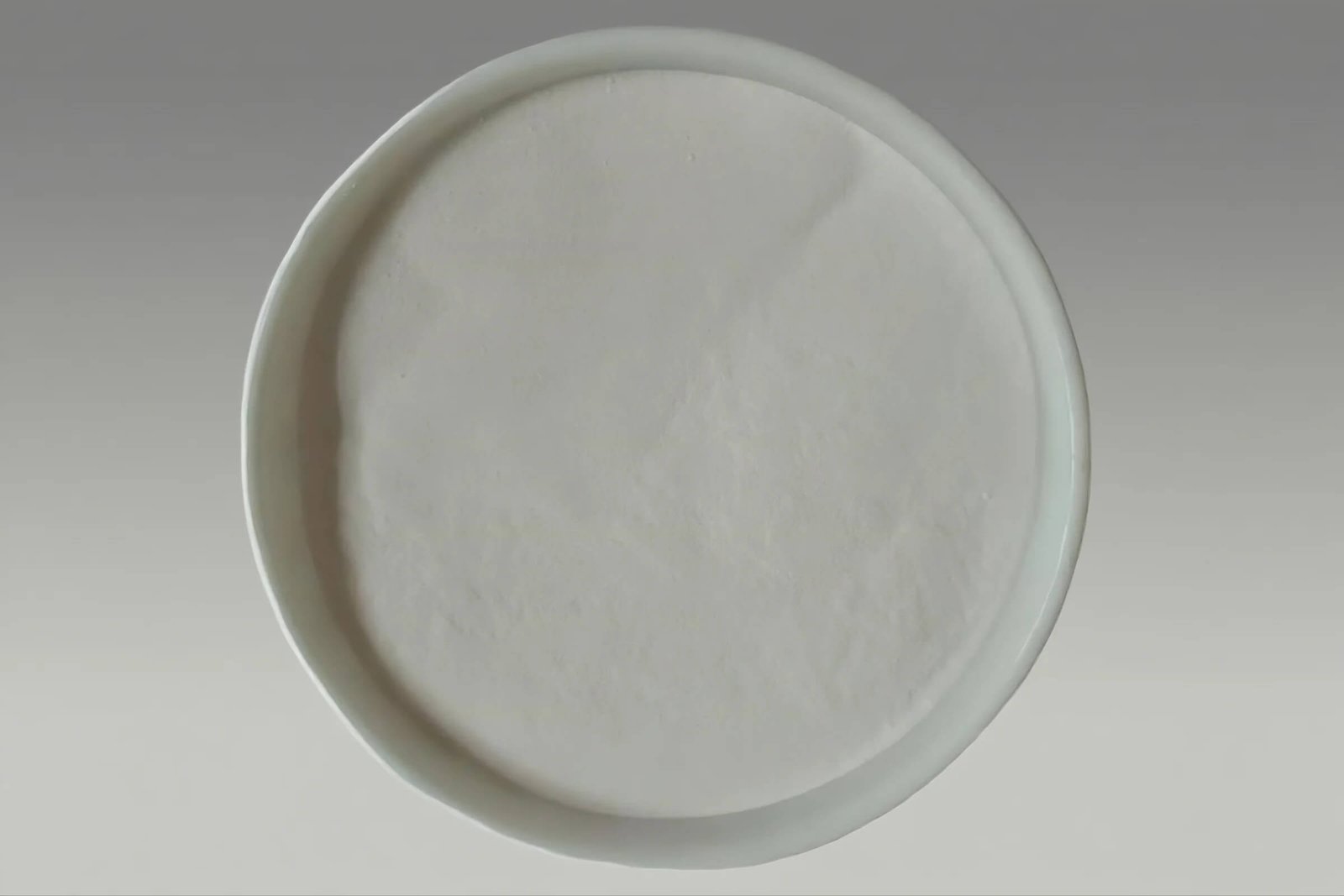
Manganese sulfate monohydrate is very important in many industries. Companies use manganese sulfate monohydrate in fertilizers, animal feed, and batteries. This chemical helps in making chemicals, electronics, cars, and buildings. The table below shows where it is used:
| Sector | Application |
|---|---|
| Agriculture | Fertilizers, Animal Feed |
| Battery Production | Cathode Materials |
| Chemical Manufacturing | Raw Materials |
| Automotive | Electric Vehicles |
| Electronics | Components |
| Construction | Industrial Uses |
Manganese sulfate monohydrate is needed for good work in these areas. Its sulfate form helps new ideas and meets more market needs.
Manganese sulfate monohydrate is an important chemical. Many industries use it, like farming, batteries, electronics, and building.
It helps plants grow strong. It makes batteries work better. It also makes things like ceramics and glass tougher.
Factories save energy and money by using manganese sulfate monohydrate. It helps products work better and last longer.
Workers need to handle it safely and store it the right way. This keeps people safe and keeps the product good.
Picking good suppliers and checking purity is important. This helps farming, battery making, and other jobs get the best results.
Overview
What is Manganese Sulfate Monohydrate
Manganese sulfate monohydrate is a chemical used in many industries. It looks like a pink, crystal solid. In some places, people call it manganese sulphate monohydrate. Both names mean the same thing. Companies use it in farming, batteries, and making chemicals. This compound gives plants and animals the manganese they need. Battery makers use it to make parts for lithium-ion batteries.
To make manganese sulphate monohydrate, there are several steps:
Makers begin with manganese ore or dust that is not very pure.
They use sulfuric acid and a reductant to get manganese out.
They clean the liquid with calcium hydroxide or potassium hydroxide.
Next, they use sulfides to remove more impurities.
Manganese is turned into manganese oxide by changing the pH.
The manganese oxide is mixed with sulfuric acid again.
The solution is dried, often with a vacuum, to get pure crystals.
This process helps make sure the product is high quality for industry.
Chemical Properties
Manganese sulfate monohydrate has clear chemical features. It has manganese, sulfate, and one water molecule. Its formula is MnSO4·H2O. The table below shows its main chemical facts:
Property | Description |
|---|---|
MnSO4·H2O (also represented as H2MnO5S) | |
Molecular Weight | 169.02 g/mol |
Chemical Structure | Manganese(2+) ion coordinated with sulfate anion and one water molecule |
SMILES | O.[O-]S(=O)(=O)[O-].[Mn+2] |
InChI | InChI=1S/Mn.H2O4S.H2O/c;1-5(2,3)4;/h;(H2,1,2,3,4);1H2/q+2;;/p-2 |
IUPAC Name | manganese(2+); sulfate; hydrate |
Manganese sulphate monohydrate mixes well with water. The sulfate part helps it dissolve and react. These features make it useful in many industries. Companies trust its steady quality to get good results.
Applications

Ceramics and Glass
Manganese sulfate monohydrate gives manganese to ceramics and glass. It works as a dopant and changes how glass and ceramics act. This makes them stronger and helps them last longer. Products with manganese sulfate monohydrate do not wear out fast. These materials are better for tough jobs in factories.
Pigments and Dyes
Manganese sulfate monohydrate is used to make colors in many products. It gives pink, purple, or brown shades to ceramics, paints, inks, and dyes. The sulfate form helps the color stay bright and not fade. It also keeps the color stable when mixed with other chemicals. Factories use it in textiles to help dyes stick to fibers. It is also used to make paint and ink driers like manganese naphthalate solution. This helps paint dry faster and keeps the color strong. As more factories grow and new tech comes, the need for manganese sulfate monohydrate goes up.
Battery Manufacturing
Battery makers need very pure manganese sulfate monohydrate for batteries.
Electric cars and lithium-ion batteries use more of this compound.
Lithium-ion batteries are now over 70% of rechargeable batteries.
These batteries are cheaper and more people use them.
Governments want more electric cars, so demand is rising.
Battery-grade manganese sulfate monohydrate is needed for making high-purity manganese.
This manganese is used in cathode precursors for NCM batteries.
Manganese-based cathodes give more energy and work better.
They cost less and are better for the environment than cobalt.
Most pure manganese sulfate is made in China, but other places want to make more.
Manganese sulfate monohydrate helps make manganese oxides for cathodes.
This makes batteries work better and last longer.
The market for pure manganese sulfate monohydrate is growing fast.
It may grow about 9.5% each year from 2026 to 2033.
The market could go from USD 1.2 billion in 2024 to USD 2.5 billion by 2033.
Agriculture and Improved Crop Yield
Manganese sulfate monohydrate is important for farming. Farmers use it to fix manganese problems in plants. This stops plant sickness and helps crops grow well. The sulfate compound gives plants the manganese they need. This makes crops bigger and helps farmers get more food. It also makes roots stronger and helps plants fight bugs and sickness. Crops grow better and are healthier. Manganese sulfate monohydrate keeps plant food balanced and soil healthy. This is important for farming that lasts a long time. It helps plants make food from sunlight and supports enzyme work. These enzymes help with nitrogen, fat, and DNA in plants. The compound also helps plants fight stress and take in more nutrients like nitrogen and phosphorus.
Application Type | Crop/Condition | |
|---|---|---|
Broadcast (pre-plant/plant) | General crops | 20-60 lbs per acre |
Side-dress/Banded | General crops | 10-30 lbs per acre |
Foliar Spray – Maintenance | General crops | 1 lb per 100 gallons of water |
Foliar Spray – Mild Deficiency | General crops | 1-2 lbs per 100 gallons of water |
Foliar Spray – Severe Deficiency | General crops | 3 lbs per 100 gallons of water |
Around Palm Trees – Small | Small palms | 0.5 to 1 lb per tree |
Around Palm Trees – Medium | Medium palms | 1 to 3 lbs per tree |
Around Palm Trees – Large | Large palms | 3 to 6 lbs per tree |
Note: Always water well after using manganese sulfate monohydrate. This helps plants take in the nutrient.
Farmers use manganese sulfate monohydrate to fix manganese problems and help crops grow better. This keeps plants healthy and soil balanced for good harvests.
Nutrition and Animal Health
Manganese sulfate monohydrate is added to animal food. It gives animals the manganese they need to grow and stay healthy. It helps animals grow better and protects them from stress. In prawns, it helps them grow and keeps their stomachs healthy. It also helps fish like Atlantic salmon get enough manganese for growth and balance. Too little or too much can hurt animals, so the right amount is important. It is also used in medicine for animals to make sure they get enough nutrients.
Water Treatment
Water plants use manganese sulfate monohydrate to clean water. This compound helps remove bad stuff from water. Workers make Mn(II) solutions to study how to clean water. They turn dissolved manganese into solids that can be filtered out. Using air and manganese sulfate monohydrate is cheaper and safer than strong chemicals. This way does not make dangerous waste. It depends on things like pH, air flow, and how the plant is built. This method is good for modern water cleaning.
Electroplating and Coatings
Factories use manganese sulfate monohydrate to coat metals. The sulfate form gives a steady supply of manganese ions. These ions stick to metal during electroplating. This makes metals harder and stops rust. It also makes them look better. Manganese sulfate monohydrate helps paint and varnish dry faster. This makes coatings last longer. These uses help many industries, like cars and electronics.
Paper Industry
The paper industry uses manganese sulfate monohydrate to add manganese to paper. This compound helps make special papers and can help bleach or improve paper. It is pure and mixes well with water, so it is easy to use. Even if the exact benefits are not always listed, it helps in any process that needs manganese.
Benefits
Efficiency
Manganese sulfate monohydrate helps factories work better. It is used in electrodeposition with sulfate electrolytes. New ideas have made these processes use less energy.
Factories use sulfate electrolytes for manganese electrodeposition. Old ways only get 65–70% current efficiency and use 5.6–7.0 kWh for each kilogram.
New anode materials and better mixing help a lot. They raise current efficiency by about 10%. They also cut energy use by 27%.
Pulsed current and rotary electrolysis methods work even better. They reach up to 86.45% current efficiency. Energy use drops to 4.27 kWh for each kilogram.
Sulfate monohydrate is still the main electrolyte in these systems. It helps these improvements happen.
These changes help factories save energy and make more products.
Cost-Effectiveness
Sulfate compounds help companies save money. Manganese sulfate monohydrate dissolves well and gives manganese easily. This means less waste and lower costs. In farming, sulfate fertilizers help crops grow with less product. Battery makers use sulfate for pure manganese. This helps them make more batteries for less money. Water plants use sulfate to clean water without expensive chemicals. These reasons make sulfate a smart choice for many businesses.
Tip: Using sulfate-based products can help lower costs for running and fixing equipment over time.
Performance
Manganese sulfate monohydrate helps things work better in many industries. The table below shows how it helps:
Industrial Sector | Enhanced Performance Metrics | Supporting Details |
|---|---|---|
Agriculture | Crop yield, soil health | Sulfate helps plants make food and enzymes, so they grow more. |
Battery efficiency, longevity | Sulfate is needed for lithium-ion batteries. It helps batteries last longer and work better. | |
Industrial Production | Product quality, purity | Sulfate keeps products pure and steady, so they are more reliable. |
Sulfate helps plants grow strong and gives more food. In batteries, sulfate makes them work longer and better. Factories use sulfate to make good and steady products.
Safety
Handling
Workers need to be careful with manganese sulfate monohydrate. They should wear gloves and goggles. Protective clothes help keep them safe. This compound can hurt skin and eyes. Workers should not breathe in the dust. Good airflow keeps the air clean. Safety showers and eye wash stations must be close. Training teaches workers about risks and how to use it right.
Tip: Wash your hands after using sulfate products. This stops you from getting exposed by accident.
Storage
Companies keep manganese sulfate monohydrate in cool, dry places. They use closed containers to block moisture. Sulfate pulls water from the air, so humidity must be controlled. Storage rooms need to be clean and have no leaks. Labels show the product name and safety warnings. Workers keep sulfate away from acids and oxidizers. Checks help find spills or broken packages.
Store sulfate in its original container
Keep it out of sunlight
Use pallets so it does not touch the floor
Regulatory
Factories must follow many rules for manganese sulfate monohydrate. The EU Battery Regulation sets rules for recycled parts in batteries. It includes sulfate-based materials. The Carbon Border Adjustment Mechanism adds carbon costs to imports. This makes companies use low-emission sulfate production. China has strict rules for sulfate plant emissions. The U.S. Inflation Reduction Act needs sulfate from approved partners. China’s export quotas change global supply and prices. Buyers in Europe and North America want environmental certificates like ISO 14001. The EU Critical Raw Materials Act helps keep local sulfate supply safe.
Region | Key Regulation or Policy | Impact on Sulfate Use |
|---|---|---|
EU | Battery Regulation, CBAM, Raw Materials Act | Sustainability, traceability |
China | Emission Standard, Export Quotas | Emission control, supply |
USA | Inflation Reduction Act | Sourcing, supply chain |
Companies must know the latest sulfate rules. This keeps workers, the environment, and supply chains safe.
Sourcing and Quality

Manganese Sulphate Monohydrate Standards
Manufacturers and buyers follow strict rules for manganese sulphate monohydrate. These rules make sure it works well in factories and on farms. The product must be very pure and look pink or white as small grains. Quality rules like USP 30, HG/T 2962-1999, and GB/T13082-1991 set limits for things that should not be in it. These rules also say what the product should look like and how it should act. They help keep manganese sulphate monohydrate safe and useful for fertilizers, animal food, batteries, and cleaning water.
Quality Parameter | Requirement / Limit |
|---|---|
Manganese Content (Mn) | Minimum 31.8% (typically ≥32.01%) |
Lead (Pb) | Maximum 0.002% (≤0.001%) |
Arsenic (As) | Maximum 0.001% (≤0.0005%) |
Cadmium (Cd) | Maximum 0.001% (≤0.0005%) |
Iron (Fe) | Maximum 0.004% (0.002% typical) |
Water Insoluble Matter | Maximum 0.05% (0.03% typical) |
Moisture Content | Maximum 0.25% |
Physical Appearance | White or slightly pink powder/granular |
Recognized Standards | HG/T 2962-1999, GB/T13082-1991, USP 30 |
The words “sulfate” and “sulphate” mean the same thing. In America, people write “sulfate.” In Europe and Asia, people often write “sulphate.” Both spellings are correct, but buyers should check labels and papers to be sure.
Tip: Always ask for a certificate of analysis. This proves manganese sulphate monohydrate meets the right rules.
Supplier Selection
Picking a good supplier for manganese sulphate monohydrate takes careful thought. Buyers want suppliers with strong delivery plans and good storage spots. This helps them get their orders on time. The product must always be pure and high quality for use in factories and on farms. Suppliers should have fair prices and show they know how to make manganese sulphate monohydrate for many uses, like farming, animal food, batteries, and water cleaning.
Good supply chains help keep products in stock
Warehouses in smart places mean fast shipping
Fair prices and clear deals are important
Trusted partners work with well-known makers
High purity and steady quality come from strong checks
Skilled teams watch over how it is made
Suppliers care about happy customers and long-term deals
New factories follow all the right rules
Suppliers often have a minimum order size. Buyers should make sure suppliers can give them enough manganese sulphate monohydrate. Trained teams and new machines help keep the product safe and high quality.
Note: Buyers should check supplier certificates and ask for samples before big orders.
Manganese sulfate monohydrate is important for many industries. The sulfate market was worth about USD 650 million in 2024. It might reach USD 1.2 billion by 2033. Companies use sulfate in farming, medicine, chemicals, water cleaning, and batteries. North America is the top area for sulfate because of fertilizer use and water laws. Using sulfate the right way, handling it safely, and getting it from good sources give the best results. The sulfate business now cares more about being green and making new things. If you want to learn more or find good sulfate suppliers, talk to experts in the industry.
FAQ
What industries use manganese sulfate monohydrate most?
Many industries need sulfate. Agriculture uses it to help plants grow. Battery makers use it for batteries. Ceramics and water treatment also use sulfate. Factories add it to animal food and pigments. Electroplating uses sulfate too. The sulfate form gives pure and steady results in these jobs.
How does sulfate improve battery performance?
Sulfate gives pure manganese for battery parts. Battery makers use it for strong batteries. It helps batteries store more energy and last longer. The compound keeps lithium-ion batteries working well. This makes sulfate important for electric cars and small devices.
Is sulfate safe for agricultural use?
Sulfate is safe if used the right way. Farmers use it to fix low manganese in soil. The compound helps crops grow strong and give more food. Handling it right and following rules keeps everyone safe. This protects plants, animals, and workers.
What should buyers check before purchasing sulfate?
Buyers must check how pure the sulfate is. They should look at supplier certificates and rules. Good suppliers give certificates of analysis. Checking quality makes sure it works for farming or batteries. Always ask for samples before big orders.
Why do some labels say “sulfate” and others “sulphate”?
“Sulfate” and “sulphate” mean the same thing. “Sulfate” is used in the United States. “Sulphate” is used in Europe and Asia. Buyers should check if the product fits their needs. The spelling does not change what the compound is.
Related Products

manganese dioxide

manganese carbonate

manganese sand
Related Products

I am Edward lee, founder of manganesesupply( btlnewmaterial) , with more than 15 years experience in manganese products R&D and international sales, I helped more than 50+ corporates and am devoted to providing solutions to clients business.