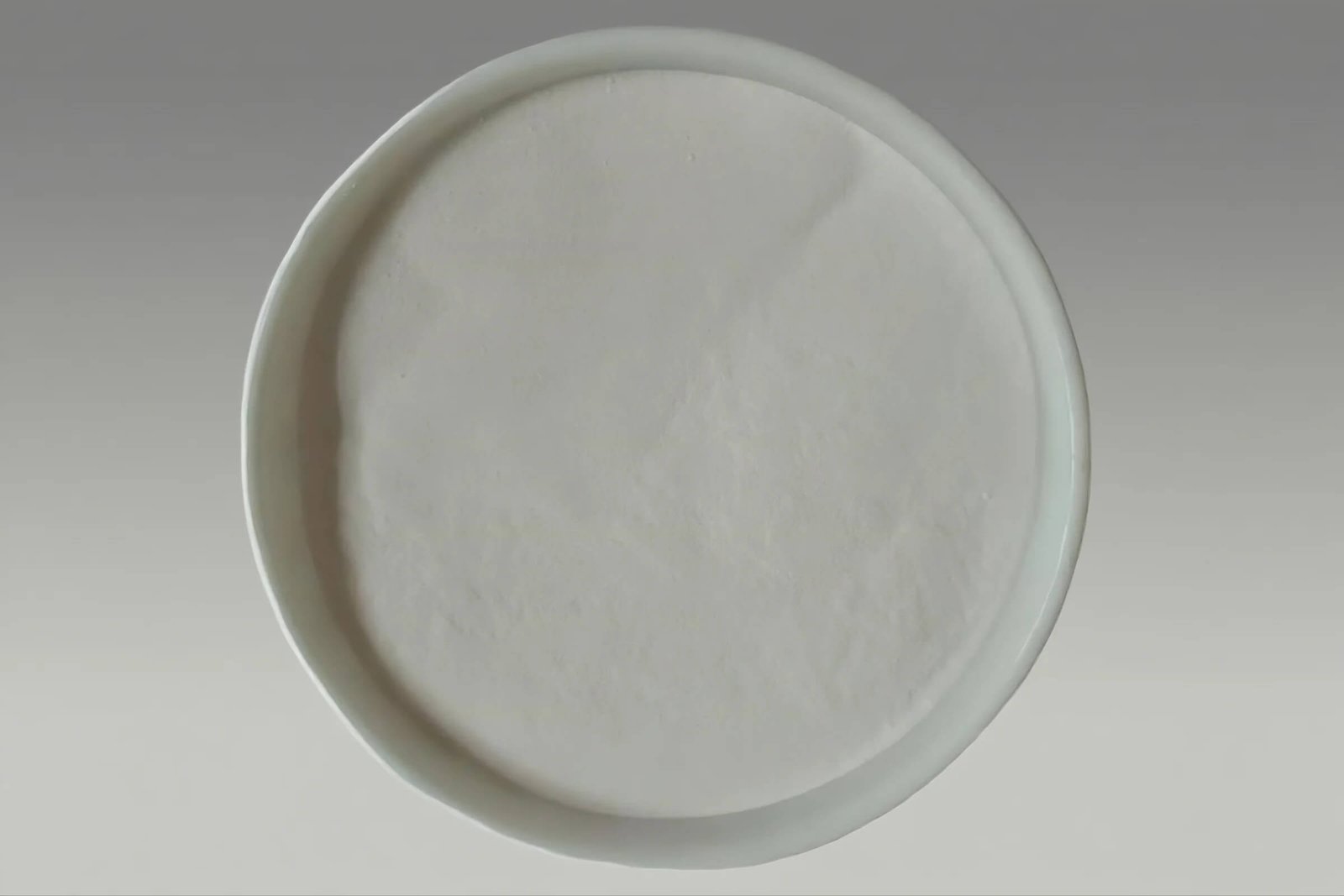
Manganese carbonate in anti-corrosion coatings helps stop rust. This compound is a protective pigment and an important ingredient for manganese phosphate coatings. Many industries like manganese carbonate because it makes coatings safer and better for the environment. Manganese pigments take the place of old, dangerous ones. Factories use manganese carbonate in anti-corrosion coatings to make each layer last longer. Manganese carbonate sticks well to metals and forms a thick coating. This coating acts like a shield and helps protect against tough conditions. Manganese carbonate in anti-corrosion coatings is a new way to make every coating work better.
Manganese carbonate makes a hard phosphate layer. This layer keeps metal safe from rust and corrosion.
This compound helps coatings stay on metal well. It also helps them last longer. Metal parts become stronger in harsh places.
Manganese carbonate coatings are safer for workers. They are also better for the environment than old, harmful coatings.
Factories change how much manganese carbonate they use. They also watch bath conditions to control coating quality.
Scientists keep studying ways to make coatings stronger. They want to lower costs and help more people use manganese carbonate coatings.
Effectiveness Overview
Manganese Carbonate in Anti-Corrosion Coatings
Manganese carbonate in anti-corrosion coatings gives strong protection to metal. It works as a pigment and helps make manganese phosphate coatings. Factories use it to cover steel and other metals. This coating keeps out water and air, which cause corrosion. Manganese carbonate makes the coating thicker and smoother. This helps the coating stand up to chemicals and tough weather.
Tests show manganese carbonate slows down corrosion and makes metal stronger. Scientists use special tools to check how well it works. They use a three-electrode system and a potentiostat. The corrosion rate is found with this formula:
CR (mpy) = (0.13 × Jcorr × E.W.) / d
Jcorr means corrosion current density. E.W. is the equivalent weight. d is the metal’s density. When manganese carbonate is added, the corrosion current density goes down. This keeps the metal safe for a longer time.Tip: If you leave metal in the phosphating bath with manganese carbonate longer, it gets even better protection.
Key Benefits
Manganese carbonate has many good points in coatings. These make it a top pick for factories.
Enhanced Corrosion Resistance
Manganese carbonate helps the coating fight rust. The metal under the coating stays safe.Improved Coating Durability
The coating lasts longer and does not wear out fast. Manganese carbonate helps it stick to the metal.Precise Performance
Tests show the corrosion rate and current density are almost always right. This means the results can be trusted.Environmental Safety
Manganese carbonate in anti-corrosion coatings takes the place of old, unsafe chemicals. Factories use it to make safer and cleaner products.Adaptability
Manganese carbonate works with many metals and coatings. It fits lots of factory needs and gives steady protection.
Benefit
Description
Impact on Corrosion Resistance
Enhanced Protection
Makes a strong shield against corrosion
High
Durability
Helps the coating last a long time
High
Reliable Performance
Test results are always close to the same
High
Environmental Safety
Uses fewer harmful chemicals in coatings
Moderate
Versatility
Works with many metals and coating types
High
Manganese carbonate in anti-corrosion coatings keeps getting better at stopping corrosion. It lowers corrosion rates and makes coatings work better. This makes it very important for new coatings that fight corrosion.
Chemical Role and Properties
Structure and Reactivity
Manganese carbonate has special chemical properties. These make it helpful in anti-corrosion uses. The compound has a stable structure. This helps it react with other chemicals in the manganese phosphating process. When manganese carbonate touches metal, a reaction starts. This reaction forms manganese phosphate right on the metal. The process makes a strong coating. This coating helps stop corrosion.
Manganese carbonate can bond with phosphate ions. This bonding builds a thick layer of manganese phosphate. The coating blocks water and air from the metal. The reaction also helps the coating stick well. This strong bond helps stop corrosion. It also makes the coating last longer. Manganese carbonate helps grow crystals of manganese phosphate. These crystals give the coating its protective power.
Use in Manganese Phosphate Coatings
Manganese carbonate is a main part of manganese phosphate coatings. Factories put manganese carbonate in the phosphating bath. This starts the manganese phosphating process. The amount of manganese carbonate changes the coating’s properties. More manganese carbonate means better corrosion resistance. It also makes the coating stronger.
Note: SEM shows manganese phosphate forms as crystals on metal. XRD proves manganese phosphate phases, like Mn2.5(HPO4)(PO4)(H2O)2, are in the coating.
Tests show more manganese from manganese carbonate helps stop corrosion. Longer time in the manganese carbonate bath makes coatings even stronger. The in-situ reaction makes sure the coating covers the metal evenly. This gives the metal high resistance to corrosion. It also helps the coating last longer.
Key roles of manganese carbonate in manganese phosphate coatings:
Gives manganese for in-situ manganese phosphating
Controls how thick the phosphate coating is
Makes the coating last longer and stops corrosion
Helps form crystals of manganese phosphate
Makes phosphate coatings protect better
Role of Manganese Carbonate | Impact on Coating | Effect on Corrosion Resistance |
|---|---|---|
Precursor for manganese phosphate | Forms dense coating | High resistance |
Controls coating thickness | Uniform layer | Improved corrosion resistance |
Increases manganese concentration | Stronger coating | Enhanced durability |
Mechanisms of Corrosion Resistance
Protective Layer Formation
Manganese phosphate coatings make a tough shield on metal. This shield keeps water, air, and chemicals away from the metal. The layer forms when manganese carbonate reacts with phosphate ions. Factories use this to help metal parts last longer.
The coating grows as small crystals. These crystals cover the metal and fill tiny spaces. The thick layer helps stop corrosion. Manganese phosphate coatings also stick tightly to metal. This strong grip keeps the coating on, even in rough places.
The protective layer helps in a few ways:
It keeps water and air off the metal
It slows down how fast rust forms
It makes the surface smooth so dirt does not stick
Note: Thicker manganese phosphate coatings protect better. Factories change the amount of manganese carbonate and time in the bath to control thickness.
The table below shows how the shield helps stop rust:
Feature | Effect on Corrosion Protection |
|---|---|
Dense crystal structure | High resistance to corrosion |
Strong adhesion to metal | Long-lasting protection |
Uniform phosphate coverage | Consistent corrosion resistance |
Manganese phosphate coatings protect many metals from rust. This way is safer than old coatings. It gives better protection and helps metal last longer.
Cathodic Protection
Manganese phosphate coatings also help with cathodic protection. This method makes the metal less likely to rust. The coating acts like a shield and changes how electricity moves on the metal.
When the coating covers the metal, it slows down electron flow. This makes rust form more slowly. The layer also holds a little water and some ions. These trapped ions help the coating protect even more.
Cathodic protection works best when the coating is thick and even. The coating stops the metal from losing electrons. This keeps the metal safe from rust and other damage.
Key facts about cathodic protection with manganese phosphate coatings:
The coating slows rust by blocking electron flow
The layer acts as a shield for the metal
Manganese in the coating helps keep the metal strong
Tip: Checking the coating often helps keep it working well. Factories test the coating with salt spray or special tools.
Manganese phosphate coatings give both a shield and cathodic protection. This double help makes them a great choice for stopping rust in many places.
Anti-Corrosion Properties Compared
Versus Chromium-Based Pigments
Chromium-based pigments were used for stopping rust before. These coatings protect metal well but can be dangerous. Workers can get sick from hexavalent chromium. It may cause cancer and other health problems. Getting rid of chromium is bad for the environment. Many companies want safer choices now.
Manganese carbonate protects metal without being toxic. It makes a strong phosphate layer on metal. Factories say manganese carbonate coatings work well and are safer. Using manganese carbonate helps keep workplaces cleaner. It also follows strict environmental rules. Companies see that manganese carbonate coatings stop rust and keep workers safe.
Versus Zinc Phosphate Coatings
Zinc phosphate coatings are still common in factories. Studies show zinc phosphate works better than manganese phosphate in tough places. For example, steel with zinc phosphate rusts less in river and sea water. Tests prove zinc phosphate keeps its shape and stops rust more than manganese phosphate. ZnO in zinc phosphate helps block rust.
Some research says manganese phosphate or mixed coatings can work a little better than zinc phosphate. But the difference is small. Zinc phosphate coatings are still the best for stopping rust. Their thin layers may not protect as much in some cases.
The table below shows how manganese carbonate and zinc phosphate coatings are used:
Aspect | Manganese Phosphate (Manganese Carbonate) | Zinc Phosphate Coatings |
|---|---|---|
Application Method | Immersion | Immersion or Spray |
Operating Temperature | 195–205°F | 175–185°F |
Bath Concentration | About 10% by volume | 3–4% by volume |
Pre-treatment | Grain-refining pre-dip | Titanium-based pre-dip |
Coating Weight | Can exceed 1,500 mg/ft² | 500–2,000 mg/ft² |
Functional Purpose | Wear resistance, oil retention, corrosion protection | Rust prevention, lubricant retention |
Both coatings help stop rust. Zinc phosphate usually works better in hard conditions. Manganese carbonate coatings are safer and better for the environment. They are good when you need medium rust protection.
Practical Application

Incorporation Methods
Factories have a few ways to add manganese carbonate. The most common way is to mix it into the phosphate bath. This helps make the manganese phosphate coating right on the metal. Workers watch the temperature and how fast they mix. This helps manganese carbonate dissolve and react with phosphate ions. Making the coating this way helps it cover the metal evenly.
Some factories use carbon-based waste to support manganese carbonate. This method has some problems. Scientists do not fully know how manganese carbonate and these carbon materials react. At high heat, carbonate ions can turn into CO2 gas. This changes the holes and grain size in the coating. Manganese-modified materials often only cover the top of the raw material. They do not reach deep spots. This makes the coating less even and can hurt how well it works. Different starting materials, like how much lignin they have, also change how well manganese carbonate stays in the coating.
Tip: Mixing well and keeping the right temperature helps make a better manganese phosphate coating.
Optimal Concentrations
How much manganese carbonate is in the bath changes the coating. Most factories use about 10% manganese carbonate for this process. This amount makes a thick and strong coating. If there is less, the coating is thin and does not protect well. If there is too much, the coating gets too thick. This can make it not stick or bend as well.
The bath has other chemicals to help the reaction. Workers check the pH and temperature to keep things steady. The right mix of manganese carbonate and phosphate ions helps crystals form. These crystals protect the metal. Changing the amount lets factories control how thick and strong the coating is.
Concentration (%) | Coating Thickness | Protection Level | Notes |
|---|---|---|---|
5 | Thin | Low | May need reapplication |
10 | Dense | High | Standard for in-situ preparation |
15 | Very thick | Moderate | Can reduce flexibility |
Note: Factories test often to find the best amount of manganese carbonate for each coating.
Research and Industry Evidence
Laboratory Results
Scientists have tested manganese phosphate coatings in labs. They check how well these coatings protect metal from rust. The tests show that manganese phosphate coatings make thick layers. These layers stop water and air from reaching the metal. This slows down rust. When scientists look closer, they see the crystal layer is even and covers all the metal.
The data from special tests show good results for manganese phosphate coatings made with manganese carbonate. Lab teams find the coatings can hold between 100 and 140 mAh/g. This depends on how the coating is made and the current used. The Mn/Fe ratio in the coating changes how stable and strong it is. Iron makes the coating better. Even if there is less carbon, these coatings still conduct electricity well and form good crystals. The temperature where manganese carbonate breaks down changes how stable and strong the coating is. The size of the grains and leftover carbon do not matter much.
More tests with MgCO3@2Mn1−xAgxCO3 coatings show they keep their power for a long time. The Mg0.995Ag0.005CO3@2MnCO3 sample keeps 282.60 mAh/g at 50 mA/g after six cycles. The power stays close to 280 mAh/g for many cycles. When the current is higher, the coating still works well and can be used again and again. Ag-doped samples have lower resistance, so they work even better. These results show that manganese phosphate coatings, especially with extra materials, protect metal from rust and work well for a long time.
Industrial Use Cases
Factories use manganese phosphate coatings on many metal parts. Car companies put these coatings on gears, bolts, and engine parts. The coatings help stop rust and make the parts last longer. Companies that make big machines use these coatings to protect their equipment from tough weather. The phosphate layer helps the metal stay strong and not wear out.
Real-world examples show that manganese phosphate coatings from manganese carbonate work well. Companies see fewer broken parts and longer times between repairs. The coatings also follow strict safety rules and replace old, unsafe ways. Workers say manganese phosphating gives the same good results on different metals and shapes. The process works well for making lots of parts at once.
Note: Checking and taking care of manganese phosphate coatings often helps them keep protecting metal in factories.
Challenges and Future Trends
Current Limitations
Manganese carbonate in anti-corrosion coatings has some problems. One big problem is that the particles can stick together. When this happens, the phosphate coating does not spread out evenly. This makes the metal less protected. Scientists also have trouble making the coating stick well to the metal. They do not fully know how the bonding works. This makes it hard to make the coating stronger.
Moisture and CO2 can react with manganese carbonate. These reactions change the coating’s properties over time. This can make the coating less stable. Factories need to change their steps to use manganese carbonate. They must do this without losing good surface features. Making more coatings in big factories needs more research. It is hard to keep the quality high and the cost low.
There are other problems too. Factories must get manganese carbonate in a safe way. They need to make less pollution when making and using it. Teams must change the phosphate mix for different places. Other old ways to stop rust are still popular. This makes it hard for manganese carbonate coatings to be used more. The first cost is high, so companies do not want to switch. Real places where metal rusts are all different. This makes it hard to make one coating that works everywhere. Companies must think about saving money now or later.
When particles clump, the coating is not even.
If the coating does not stick, it does not last.
Water and CO2 can make the coating weaker.
Factories must change steps to use it right.
Making lots of coatings needs more research.
Factories must care about the environment.
Emerging Solutions
Scientists and companies are working on new ways to fix these problems. Better mixing methods stop the particles from sticking together. This helps the coating cover the metal better. Scientists are learning how to make the coating stick stronger to metal. New chemicals help stop water and CO2 from hurting the coating. This makes the coating last longer.
Changing the process helps factories use manganese carbonate without losing quality. Machines and checks help keep the coating the same every time. Using safe materials and green ways helps the earth. Cheaper ways to make the coating help more companies use it.
When scientists and factories work together, they make better coatings faster. Testing in real places helps make the coating work in many conditions. As technology gets better, manganese carbonate coatings will be stronger, cheaper, and safer for the earth.
Tip: New research and teamwork help make better phosphate coatings.
Manganese carbonate helps coatings stop rust on metal. It makes a strong phosphate layer that keeps metal safe. Factories use it to make coatings last longer in tough places. Workers see that these coatings stick well to metal. They also keep out water and air. Companies need to use the right amount of manganese carbonate. This helps get the best coating. Experts think rare earth conversion coatings can help keep manganese stable. They say more research is needed on how these coatings stop chain corrosion. Comparing rare earth coatings could make phosphate coatings safer and better for metal.
FAQ
What is the main purpose of manganese carbonate in anti-corrosion coatings?
Manganese carbonate helps make a tough phosphate layer. This layer keeps metal from rusting or getting damaged. Factories use it so metal parts last longer.
How does the phosphate coating stop corrosion?
The phosphate coating makes a wall that blocks water and air. This wall keeps rust away from the metal. Oil can also stick to the coating, giving extra protection.
Can phosphate coatings work on all metals?
Phosphate coatings work best on steel and iron. Some factories try them on zinc or aluminum. Results can change for different metals, so the process may need tweaks.
Are phosphate coatings safe for the environment?
Phosphate coatings with manganese carbonate are safer than old chromium ones. They do not let out harmful chemicals. Factories pick them to follow safety and environmental rules.
How do factories control the quality of phosphate coatings?
Factories test how thick and strong each coating is. They watch the bath temperature and chemical mix. Regular checks help keep the coating smooth and tough.
Related Products

manganese dioxide

manganese carbonate

manganese sand
Related Posts

I am Edward lee, founder of manganesesupply( btlnewmaterial) , with more than 15 years experience in manganese products R&D and international sales, I helped more than 50+ corporates and am devoted to providing solutions to clients business.