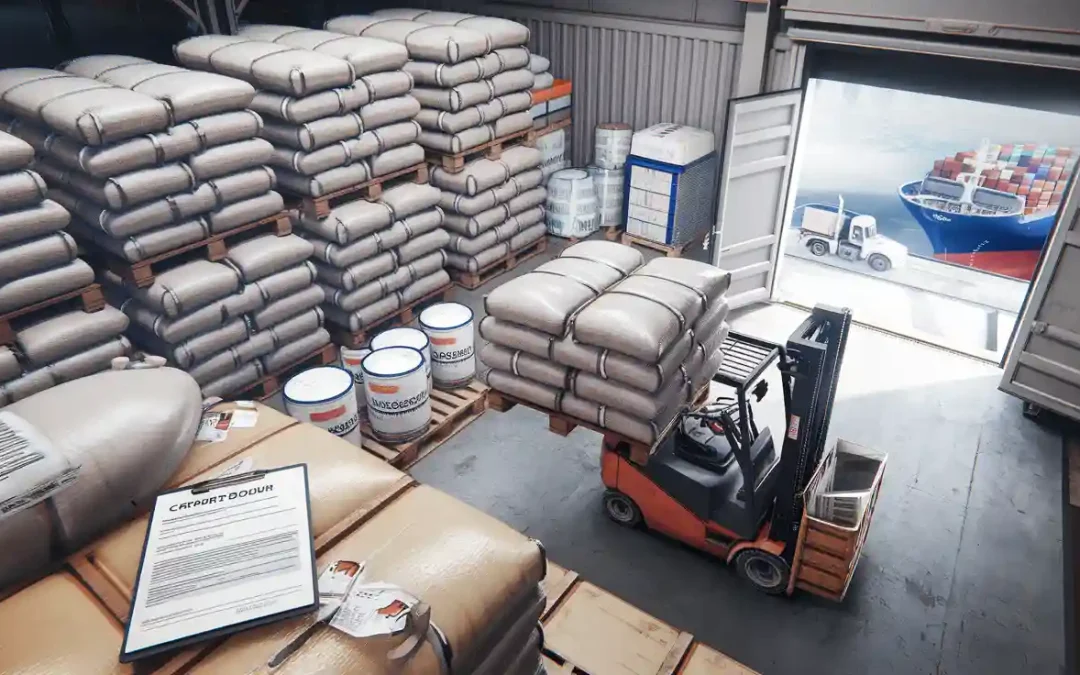
The world market for bulk manganese carbonate is getting bigger. This is because more people want batteries, electric cars, and steel. Factories everywhere work hard to pack and ship manganese carbonate well. The market is growing fast in the Asia-Pacific area.
Checking how each plant makes manganese carbonate helps keep the market strong. Careful packing and shipping also help meet the world’s need for manganese.
- Picking tough and safe packaging like kraft-paper bags, jumbo bags, or drums keeps manganese carbonate clean and steady when stored or shipped.
- Following export rules and using smart shipping helps companies stop delays, save money, and send manganese carbonate quickly around the world.
- Using green packaging and digital tools helps the environment and lets factories meet more demand for batteries and electric cars.
Importance of Packaging
Product Stability
Good packaging keeps manganese carbonate safe when stored or moved. Things like water, air, and dirt can harm the product. Companies pick strong packaging to stop these problems. They use packages that close tightly and do not leak. This keeps manganese carbonate clean and good until it gets to the buyer.
Compliance
Exporters must follow special packaging rules. These rules come from local and world groups. If companies follow the rules, they do not get fines or late shipments. Labels must show the right product name and safety warnings.
Note: Some agencies may check packaging before it leaves the country. Companies should look at the newest rules often.
Efficiency
Smart packaging saves both time and money. Workers move products faster with the right packaging. Big bags or containers are used for large shipments. This means less work and quicker shipping.
- Smart packaging also cuts down on trash and keeps everyone safer.
Bulk Manganese Carbonate Packaging
Kraft-Paper Bags
Many plants use kraft-paper bags with PE liners to pack manganese carbonate. Each bag holds about 25 kg of the product. Kraft-paper is good for the environment because it breaks down and can be recycled. The PE liner keeps water out and stops dirt from getting in. These bags are strong and last a long time. Plants can also put their brand on the bags for marketing.
Kraft-paper bags are tough and can carry heavy loads.
The PE liner keeps water away, which helps keep the product safe.
These bags are bigger and heavier than plastic ones, so they need more room to store.
They cost more than plain paper bags because of the liner.
Kraft-paper bags with PE liners are harder to recycle and may hurt the environment more than plain kraft-paper bags.
Plants have to think about cost, safety, and the environment when picking kraft-paper bags for shipping manganese carbonate.
Jumbo Bags and FIBCs
Jumbo bags and Flexible Intermediate Bulk Containers (FIBCs) are used for big shipments. These bags can hold between 1.1 and 1.3 metric tons of carbonate. Plants use UV-stabilized polypropylene to make these bags strong and keep out water. Jumbo bags and FIBCs are good for sending lots of manganese carbonate at once.
Aspect | Jumbo Bags / FIBC Bags |
|---|---|
Material | UV-stabilized polypropylene |
Sizes Available | 1.1 MT and 1.3 MT |
Durability | Strong, made for easy transport and to keep out water |
Suitability | Good for big shipments, like exporting manganese carbonate |
Packaging Info | Labeled with product details; bulk packaging if needed |
Plants like these bags because they are strong and protect the product during long trips. The bags are easy to load and unload, which saves time and work. Jumbo bags and FIBCs help plants send manganese carbonate to other countries quickly.
Drums and Pails
Some plants use drums and pails for smaller amounts of manganese carbonate. Drums are made of steel or plastic and can hold up to 200 liters. Pails are smaller and hold about 20 to 25 liters. These containers keep out water and dirt very well. Plants use them for special orders or when customers want exact amounts.
Drums and pails are easy to stack and move around. They keep the product safe for important shipments. But, drums and pails cost more than bags, so plants use them mostly for small or special orders.
Eco-Friendly Options
Many plants now try to use eco-friendly packaging. Some use bags that break down or are made from recycled stuff. Others use less plastic or skip the PE liner. These choices help plants make less waste and meet customer needs for green products.
Plants must check if these eco-friendly bags can protect the product as well as regular bags. Some green bags may not be as strong or keep out water as well. Plants should test these bags before using them for big shipments.
Tip: Plants can talk to packaging companies to make special bags that fit their needs and help the environment.
Export Logistics for Manganese
Secure Loading
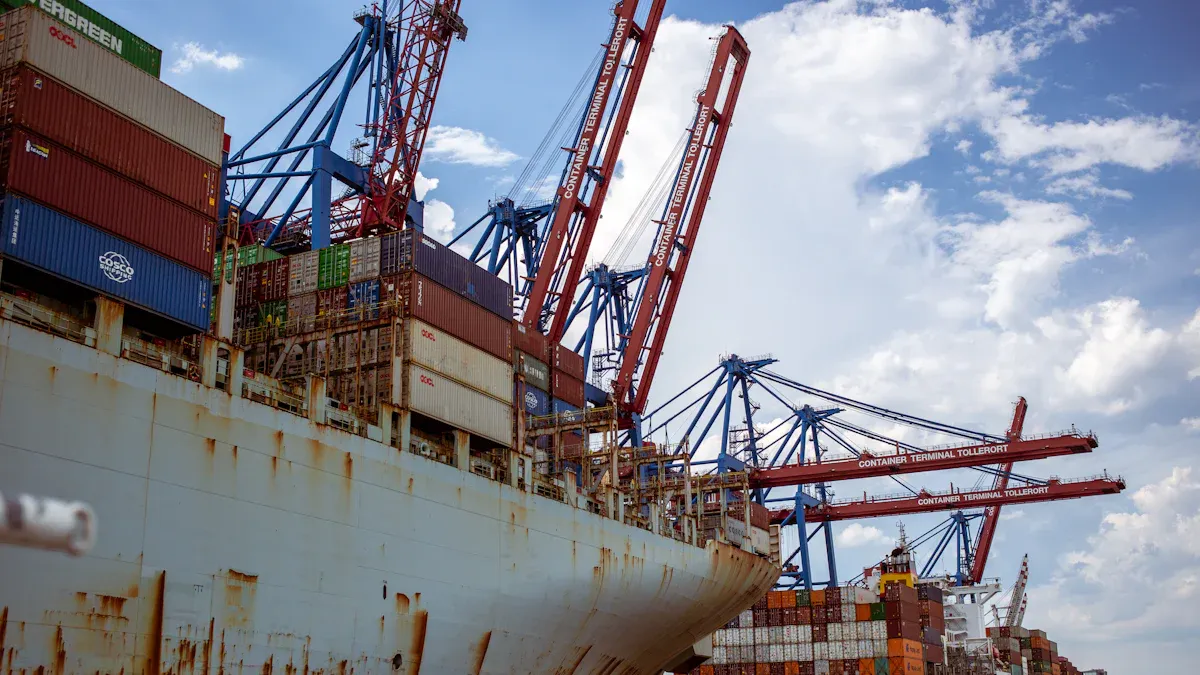
Exporters need to load manganese carbonate safely. They use big machines like cranes and conveyor belts. Steel chains help move heavy carbonate. Workers check all equipment before loading. They make sure the carbonate is clean and dry. A stowage plan helps fit more carbonate and keeps it safe. Supervisors watch workers to follow the plan and safety rules. They trim and adjust ballast so the carbonate does not move. Careful loading stops damage and keeps the product good for buyers.
Tip: Keep carbonate dry when storing and loading. This helps keep its quality.
Transportation Modes
Companies use different ways to move manganese carbonate. They move it from the plant to the port and then to buyers. Rail and road are the main ways to move carbonate on land. Rail costs less and is good for big loads, but space is limited. Road costs more and can have delays or not enough trucks. If rail cannot carry all the carbonate, companies use trucks for extra loads. At the port, ships like Handysize, Handymax, or Panamax carry carbonate overseas. The way companies move carbonate changes the cost and risk.
Rail: Costs less, good for big loads, but not much space.
Road: Costs more, used when rail is full, has more risks.
Sea: Big ships move lots of carbonate to other countries.
Freight prices can change fast. Lower prices help companies export more carbonate and keep prices low.
Documentation
Exporting manganese carbonate needs the right papers. Carbonate is not dangerous under ADR/RID, IMDG, or IATA rules. Exporters still need standard documents. These include a Safety Data Sheet (SDS) and proof for chemical lists like EINECS or TSCA. The table shows the main papers needed:
Document Type | Needed for Carbonate Export | Notes |
|---|---|---|
Safety Data Sheet | Yes | Shows safety and handling info |
Chemical Inventory | Yes | EINECS, TSCA, or local lists |
Dangerous Goods Docs | No | Not needed for carbonate |
Environmental Label | No | Carbonate is not marked as hazardous |
Exporters must check all papers before shipping. Wrong or missing papers can slow down customs.
Regulatory Steps
Exporters must follow many rules to ship manganese carbonate. These rules can change, so companies must stay updated. They need permits and licenses before exporting. Missing permits can cause fines, delays, or bans. Companies should use trusted sources like government agencies and trade groups for new rules. Working with skilled suppliers helps avoid mistakes and keeps exports smooth.
Get all permits and licenses before shipping.
Use trusted sources for rule changes.
Work with suppliers who know export laws.
Note: Not following export rules can cause big problems. This includes legal trouble and losing business.
Cost and Risk Factors
Packaging Costs
The type of packaging changes how much plants spend. Kraft-paper bags with liners cost more than plain bags. But they keep carbonate safer. Jumbo bags and FIBCs help save money when shipping a lot. Drums and pails are the most expensive for each unit. They are best for special orders. Plants must think about cost, safety, and rules. Good packaging stops damage and helps keep manganese supply steady.
Shipping Costs
Shipping costs depend on how and how far you send carbonate. Rail is cheaper to move carbonate to the port. But there is not much space on trains. Road costs more and can be slow. Sea freight prices go up and down with world demand. Plants need to watch these changes to plan well. High shipping costs can make profits smaller for plants.
Risk Management
Plants can lose money if carbonate gets damaged or lost. Rules can also change and cause problems. Good packaging and safe loading help lower these risks. Plants buy insurance and plan carefully to protect their money. They watch the market and change their plans if needed. Good risk management helps plants keep working even when things change.
Manganese Carbonate Production Cost Analysis Report
A manganese carbonate production cost analysis report helps plants plan exports. The report explains project costs, money needs, and financial details. It lists costs for land, machines, and setting up the plant. It also shows costs for raw materials, utilities, packaging, and transport. The report tells about income, profits, and how long to get money back. It explains rules and market trends too. Plants use this report to plan spending and meet demand. The report shows how new rules in the U.S. and other places change costs. Plants that use this report can do better and meet world demand for batteries and steel.
Best Practices
Packaging Selection
Plants must use special packaging when sending carbonate to other countries. The packaging needs alkaline sizing and at least 3% alkaline reserve. This keeps the chemical stable. The pH should stay between 8.0 and 10.0. Low lignin helps stop the packaging from breaking down. The packaging must be tough and smooth so it lasts longer. Each box should have the right size, smooth sides, and strong locks. The packaging must not have any dirt, damage, or mistakes. Plants seal and label each package with the order number and amount. They check and test packages to keep quality high. These rules help plants pick the best packaging for each shipment. Good packaging keeps carbonate safe while it travels.
Compliance Checks
Exporters check every step to follow world packaging rules for carbonate. They say carbonate is non-hazardous under the Globally Harmonized System. Plants use strong bags or drums made of polyethylene, polypropylene, steel, or plastic. These containers have tight lids. Plants fill out papers like the bill of lading and Material Safety Data Sheet. These papers help make shipping safe. Plants follow rules from groups like the International Maritime Dangerous Goods Code and the European Chemicals Agency. They make sure loads are safe for trucks, check railcars, and follow ship rules. Carbonate is kept in dry, airy places to stop damage. Plants get all needed permits and certificates before shipping.
Logistics Optimization
Plants save money and make shipping better by using smart logistics. Asia-Pacific plants get help from the government for digital tools and better shipping networks. European plants work hard to follow rules, be green, and use machines. Latin American plants spend money to modernize and be more green, even if it is hard. Plants in many places work together to handle tariffs and world risks. Working with other companies helps move carbonate from mines to batteries. New hydrometallurgical methods help plants get more product and use less energy. This lowers costs. Digital tools help plants watch machines and fix problems before they stop work. Plants build factories close to growing markets and use recycling to stay strong for the future. Governments help by building roads and giving money for digital changes. This makes it easier for plants to ship carbonate.
The bulk carbonate market needs good packaging and smart shipping. Companies keep products safe and save money by picking the best ways. Exporters who check their packaging and follow rules do well. They also watch the market for changes. Good planning helps top companies stay in front.
FAQ
What are the main packaging requirements for bulk manganese carbonate?
Plants use strong bags, drums, or FIBCs to pack carbonate. The packaging must keep the carbonate dry and safe. Each package needs labels to follow rules and show what is inside.
Why does manganese carbonate production cost analysis report matter for investment?
A cost analysis report helps investors know how much it costs to make carbonate. It also shows how much money is needed and if the market wants more carbonate. This report helps people decide if they should invest in a plant.
How does manganese supply affect batteries and electric vehicles?
Manganese supply helps make batteries for electric vehicles. When more people want batteries, the need for manganese goes up. This makes the market grow and changes how many batteries are made around the world.
Related Products

manganese dioxide

manganese carbonate

manganese sand
Related Posts

I am Edward lee, founder of manganesesupply( btlnewmaterial) , with more than 15 years experience in manganese products R&D and international sales, I helped more than 50+ corporates and am devoted to providing solutions to clients business.