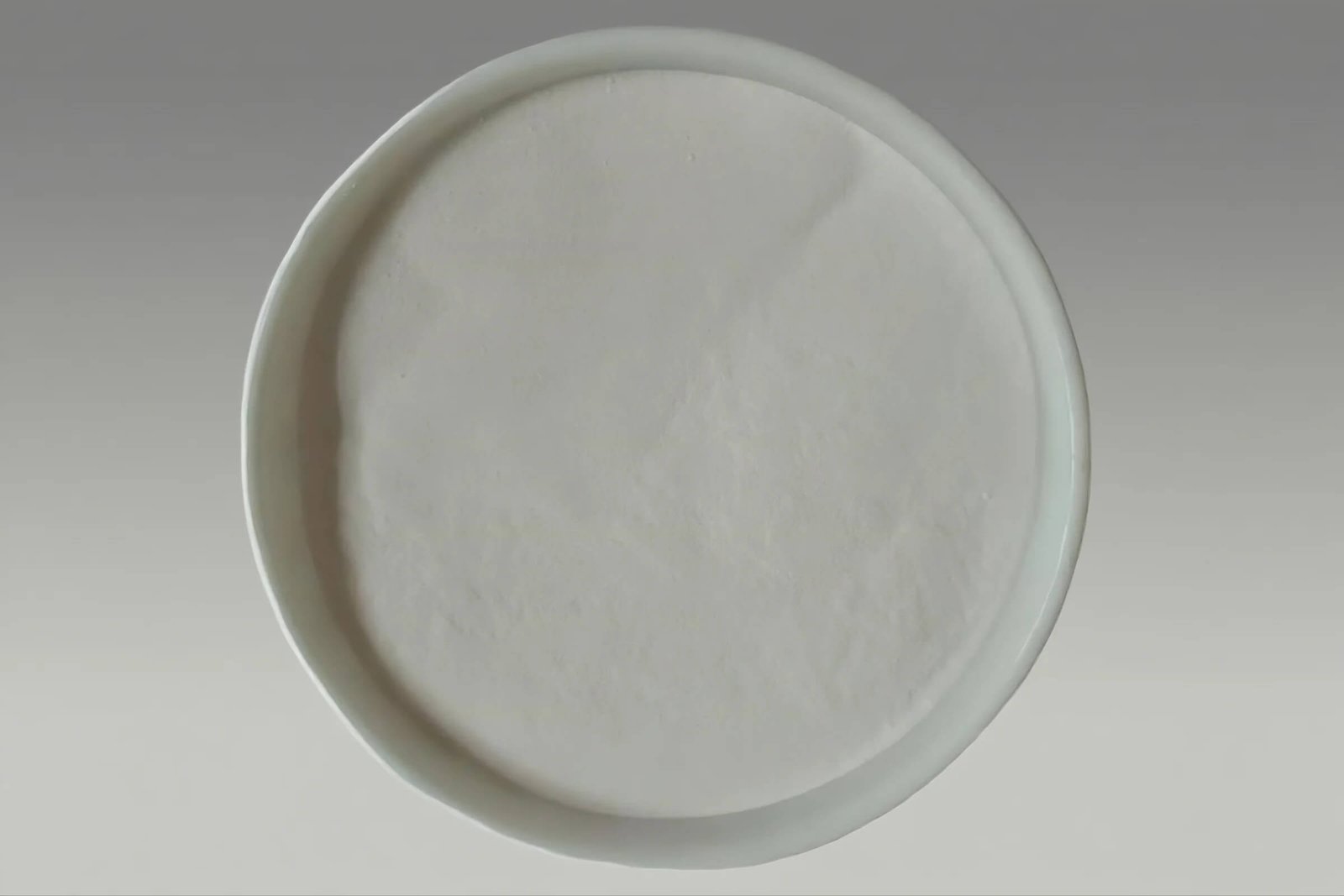
Manganese sand in a manganese greensand filter is highly effective at removing various contaminants from groundwater. So, what contaminants can manganese sand remove? It can eliminate iron, manganese, hydrogen sulfide, arsenic, and radium, all of which may be present at elevated levels in untreated water. Treating groundwater with manganese sand is essential to ensure the water is safe for drinking. Iron and manganese often occur together, sometimes exceeding health guideline limits. Removing these contaminants not only improves the taste and appearance of water but also protects health. Manganese sand is particularly efficient at removing iron and manganese, helping to enhance water quality and safety.
Contaminant | Typical Groundwater Levels | Health Impact |
|---|---|---|
Iron | Stains surfaces and alters taste | |
Manganese | >50 μg/L | Can cause nerve damage if excessive |
Manganese sand filters take out iron, manganese, hydrogen sulfide, arsenic, and radium from groundwater. This makes water safer and better tasting. The filter has a manganese dioxide coating. This coating changes dissolved contaminants into solids. The solids get trapped and removed. Cleaning with chemicals like potassium permanganate and backwashing keeps the filter working well. This also helps the filter last longer. Manganese greensand filters remove iron and manganese better than some other media. They work best when the water chemistry is right. Picking the right filter depends on your water quality and needs. Manganese greensand is a trusted and long-lasting choice for many water problems.
How Manganese Greensand Filter Works
Oxidation and Filtration
Manganese greensand filters clean water using oxidation filtration. Each piece of greensand has a layer of manganese dioxide. This layer helps start chemical reactions. When water flows through, iron and manganese ions stick to the surface. The manganese dioxide changes these ions into solid bits. These bits get caught in the filter. Sometimes, workers add chemicals like chlorine or potassium permanganate before filtering. These chemicals help the manganese dioxide work faster. The filter works best if the water pH is about 6.8 and alkalinity is over 120 ppm. This method cleans water quickly and works well, even if there is a lot of iron or manganese.
Note: How well the filter works depends on the water’s chemistry. Using the right amount of chemicals helps the filter keep removing contaminants.
Removing Manganese from Water
Taking manganese out of water is a main job of greensand filters. The manganese dioxide layer grabs and changes dissolved manganese. This makes solid manganese dioxide that stays in the filter until cleaning. Regular sand needs a long time to build up a layer, but greensand works right away. Sand filters can work if they get a coating, but they are slower and less steady. Manganese greensand filters have been used since the 1950s. They are still trusted for cleaning groundwater. These filters remove manganese, iron, and other bad stuff, so water is safe to drink.
Main differences between greensand and regular sand:
Greensand comes with a manganese dioxide layer already on it.
Regular sand might get a layer, but it takes a long time and is not always steady.
Greensand filters need to be cleaned with chemicals often to keep working well.
For more details about manganese greensand filters, check the U.S. EPA Drinking Water Treatability Database.
What Contaminants Can Manganese Sand Remove
Manganese sand helps clean groundwater by removing bad stuff. People often ask what it can take out. It removes iron, manganese, hydrogen sulfide, arsenic, and radium. These things can make water unsafe or taste bad. Manganese greensand filters use oxidation and filtration. This makes water safer to drink and use every day.
Iron Removal
Iron in water can make red stains and a metal taste. It can also make water look cloudy. Taking out iron is a main job for manganese greensand filters. The filter has a manganese dioxide layer. This layer changes dissolved iron into solid bits. The bits get stuck in the filter. Studies show manganese sand lowers iron to safe levels. It can meet the World Health Organization standard of 0.30 mg/L. This helps water taste and look better. It also stops stains and protects pipes. Removing iron and manganese together makes water cleaner.
Taking out iron with manganese greensand helps other filters last longer. It lowers the amount of bad stuff they need to catch.
Contaminant | Typical Source | Health or Aesthetic Impact | Removal Efficiency |
|---|---|---|---|
Iron | Groundwater | Staining, taste, color | Up to 97% |
Manganese Removal
Manganese in water can make black stains and a metal taste. Too much manganese can be bad for health. Removing manganese is important for homes and towns. Manganese greensand filters use chemicals and helpful bacteria. These work together to change dissolved manganese into solids. The solids get trapped in the filter. Studies show manganese sand can remove up to 95% of manganese. The filter needs to be cleaned with potassium permanganate often. Well water can have too much manganese, so good removal is needed.
Too much manganese can hurt thinking and movement, especially in kids.
EPA says keep manganese below 1 ppm for safety and taste.
Manganese Greensand | Manganese Dioxide Media | |
|---|---|---|
Manganese Removal | Up to 10-15 mg/L | 15-25 mg/L |
Lifespan | 3-5 years | 5-15 years |
Regeneration Needed | Yes | No |
Hydrogen Sulfide
Hydrogen sulfide makes water smell like rotten eggs. It can also damage pipes. Manganese greensand filters help remove hydrogen sulfide. The filter changes the gas into solid sulfur bits. These bits stay in the filter until cleaning. Manganese greensand can take out up to 2-3 mg/L of hydrogen sulfide. If there is more, the filter needs cleaning more often. Removing hydrogen sulfide makes water taste and smell better. It also keeps silverware from turning black.
Removing hydrogen sulfide with manganese greensand makes water nicer for drinking and cooking.
Arsenic and Radium
Arsenic and radium are rare but very dangerous in water. They can cause cancer and other health problems. Manganese greensand filters can remove both by oxidation and adsorption. For arsenic, workers sometimes add ferric chloride first. This helps the filter work better. Town water systems show radium removal from 19% to 82%. How well arsenic is removed depends on iron and cleaning. These filters help treat water in places with radioactive materials or arsenic.
Contaminant | Health Risk | Removal Efficiency | Notes |
|---|---|---|---|
Arsenic | Toxicity, cancer risk | Effective (variable) | Enhanced by iron presence, pre-treatment |
Radium-226 | Radioactivity, cancer risk | 19% to 63% | Municipal water treatment |
Radium-228 | Radioactivity, cancer risk | 23% to 82% | Municipal water treatment |
Manganese greensand filters help towns follow rules for arsenic and radium. This keeps people safe and healthy.
Comparison to Other Filtration Media
Manganese Greensand vs. Birm
Manganese greensand and Birm are both used to clean groundwater. They both help remove iron and manganese. But they work in different ways and need different care. Manganese greensand has a special coating that traps bad stuff. Birm needs oxygen in the water to work. Birm does not need chemicals to keep working. Manganese greensand needs potassium permanganate to stay effective.
A study in 2019 showed Birm took out 87.5% of iron. Manganese greensand removed 71.8% of iron. Birm is not as good at removing manganese if the water pH is low. Manganese greensand works better for manganese. It is a better choice if you need to remove both iron and manganese.
Feature | Manganese Greensand | Birm |
|---|---|---|
Contaminant Removal Efficiency | Good for iron; manganese removal changes a lot | |
Regeneration Requirement | Needs potassium permanganate often | No chemicals needed; uses oxygen in water |
pH Requirement | Needs pH above 7.5 for manganese | Needs pH 6.8 for iron, 7.5 for manganese |
Maintenance | Needs backwashing and safe chemical handling | Needs backwashing; easier to care for |
Operational Notes | Works for dissolved and solid iron and manganese | Needs enough oxygen; manganese removal not steady |
Greensand costs more because it needs chemicals often.
Manganese Greensand vs. Activated Carbon
Manganese greensand is great for taking out iron and manganese. It uses oxidation and filtration. Activated carbon is good for removing organic stuff. It takes out things like VOCs, pesticides, and things that make water taste or smell bad. Activated carbon grabs these molecules on its surface. Manganese greensand does not remove organic stuff.
Filter Type | Maintenance Requirements | Media Replacement Frequency |
|---|---|---|
Manganese Greensand | Needs potassium permanganate sometimes; must be washed to clear iron sludge and stop clogs. | |
Activated Carbon | Gets full from chemicals; needs to be changed often; some types can be washed. | Needs changing more often than greensand |
Activated carbon needs to be replaced more often than greensand. Manganese greensand needs careful chemical use but lasts longer before you need new media.
Other Groundwater Filters
Other filters for groundwater are CalMedia GSR Plus and manganese oxide media like Pro-OX and Filox. CalMedia GSR Plus removes iron and manganese easily and can clean more water. Manganese oxide media take out iron, manganese, and arsenic. They can last up to 15 years. These filters need strong water flow to wash them because they are heavy.
Filtration Media | Contaminants Removed | Regeneration / Maintenance | Operational Advantages / Notes |
|---|---|---|---|
Manganese Greensand | Iron, Manganese | Works well for iron and manganese; long wash cycle; anthracite cap can blow off during washing | |
CalMedia GSR Plus | Iron, Manganese | Uses chlorine and KMnO4 all the time; easy wash | Cleans more water; no anthracite cap; lets water flow better; easy to care for |
Birm | Iron only (not good for manganese unless pH > 8.2) | Needs oxygen; no chemicals needed | Costs less; needs oxygen added; does not work for manganese; pH matters a lot |
Manganese Oxide Media | Iron, Manganese, Arsenic, other metals | No chemicals needed; needs strong wash flow | Lasts 10-15 years; removes more bad stuff; heavy media needs strong wash |
Manganese greensand is still a good pick for iron and manganese. Other filters may last longer or be easier to use. Each filter has its own good points. People should pick the filter that fits their water best.
Operational Considerations
Water Chemistry
Water chemistry is very important for these filters. Many things can change how well they work:
pH and dissolved oxygen affect how manganese changes in water.
If pH is less than 9, manganese changes slowly unless there is an oxidant.
Dissolved oxygen helps, but the reaction is still slow.
Ammonia and nitrite can stop good bacteria from working.
Bacteria remove manganese best when pH and oxygen are just right.
Changing pH or adding chemicals like sodium hydroxide or hydrogen peroxide can help manganese change faster.
Manganese oxides on the filter help remove manganese more quickly.
Operators often change the water chemistry before filtering. They might use air or chemicals to turn ferrous iron into ferric iron. Cleaning steps like removing dirt and fixing pH help the filter work better.
Maintenance
Taking care of manganese greensand filters is very important. Operators put potassium permanganate in the tank every one to three months. This step makes the filter strong again so it can keep working. Backwashing happens every few days or on a schedule. It washes out the trapped dirt and particles. Each year, workers check the system to find problems early. Most filters need new media every four to eight years. This depends on how much water is used and how dirty it is. Following the maker’s rules helps the filter last longer.
Tip: Doing regular care and adding chemicals is needed for good manganese removal.
Limitations
Manganese greensand filters do not work for every job. Sometimes, people need other ways to treat water. The table below shows some other choices:
Description & Mechanism | Best Use Case / Limitations | |
|---|---|---|
Sequestration | Keeps manganese and iron stable, stops stains, but does not take out manganese | Not for homes, does not remove manganese |
Water Distillers | Takes out manganese by boiling and cooling water, but is slow | Good for small amounts, not for whole houses |
Ultrafiltration | Uses membranes to take out manganese, not as common as reverse osmosis | Good for some filters, but not used as much |
Air Injection & Oxidation | Adds air to change manganese, then filters it out | Good for wells with lots of manganese, iron, or bad smells |
Alternative Media | Pro-OX, Filox, Katalox Light, Birm, do not need chemicals to work | Easier to care for, work better with hot or high-pressure water |
Some other filters, like Pro-OX or Filox, need less care and can handle hot or high-pressure water. Operators should pick the best way for their water and what they want to fix.
Manganese greensand filters take out iron, manganese, hydrogen sulfide, arsenic, and radium from groundwater. Tests show these filters can lower iron and manganese by as much as 98%. They work in homes, businesses, and city water systems. People who run these filters say they are easy to care for and last a long time. The filter media can last up to eight years. Cleaning and adding chemicals often helps the filter keep working well. Manganese filters can also be used with other ways to treat water. This makes them a good choice for safe and clean water.
FAQ
What is manganese greensand made of?
Manganese greensand has glauconite with a manganese dioxide coating. This coating helps take out iron, manganese, and other bad things from water. The filter media looks dark green or black.
How often should operators regenerate manganese greensand filters?
Operators usually clean manganese greensand filters every one to three months. Potassium permanganate helps the filter keep removing bad stuff. Cleaning the filter often keeps it working well.
Can manganese greensand remove all types of iron?
Manganese greensand takes out dissolved iron and some solid iron. It works best if the water has the right pH and enough oxidant. For more information, visit the CDC’s iron in drinking water page.
Is manganese greensand safe for drinking water?
Yes. If people use and care for it the right way, manganese greensand is safe for cleaning drinking water. It meets rules from groups like the U.S. EPA.
What happens if the filter is not maintained?
If you do not take care of the filter, it can clog or stop working. Water might taste bad or not be safe. Cleaning and regenerating the filter often helps stop these problems.
Related Products

manganese dioxide

manganese carbonate

manganese sand
Related Posts

I am Edward lee, founder of manganesesupply( btlnewmaterial) , with more than 15 years experience in manganese products R&D and international sales, I helped more than 50+ corporates and am devoted to providing solutions to clients business.