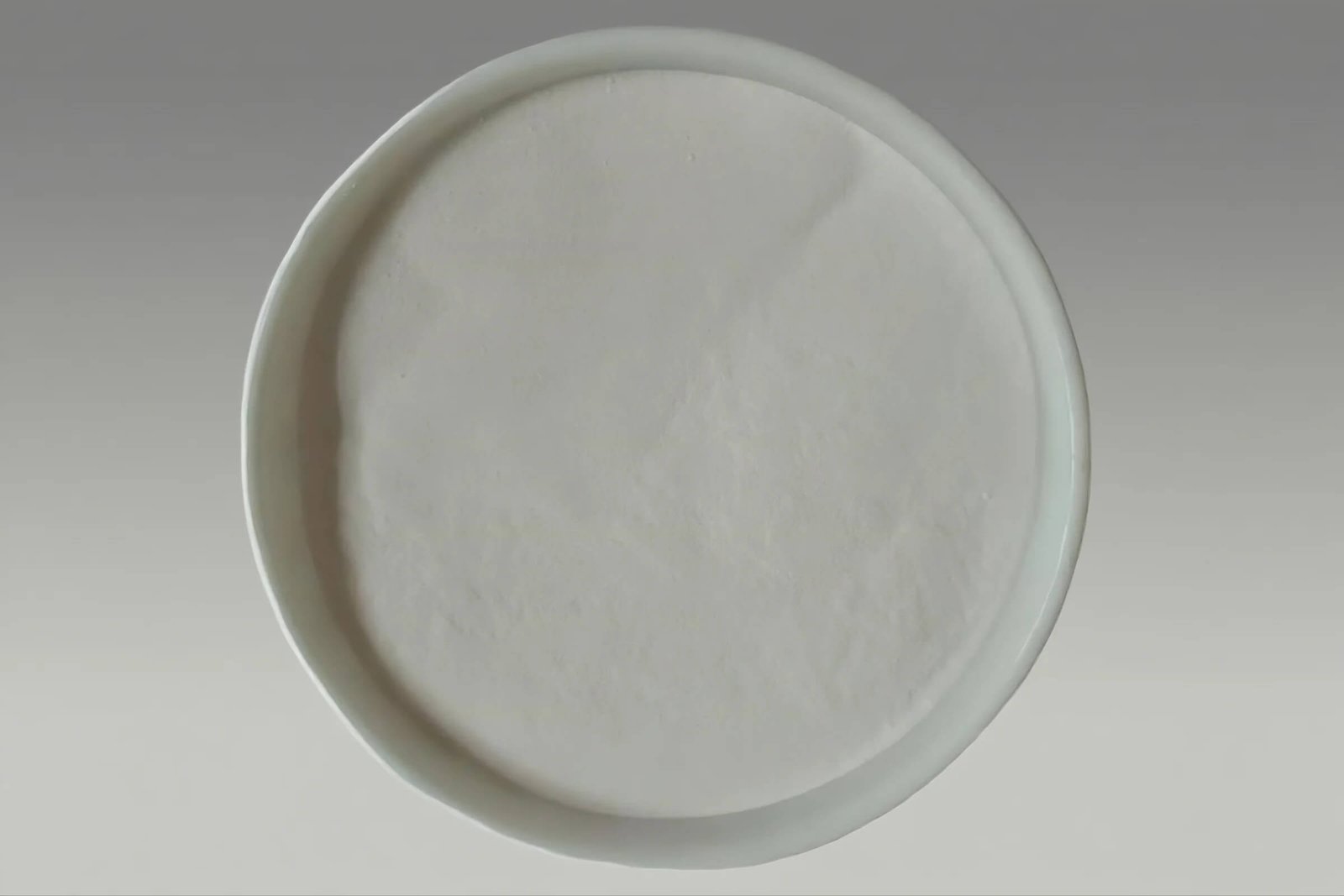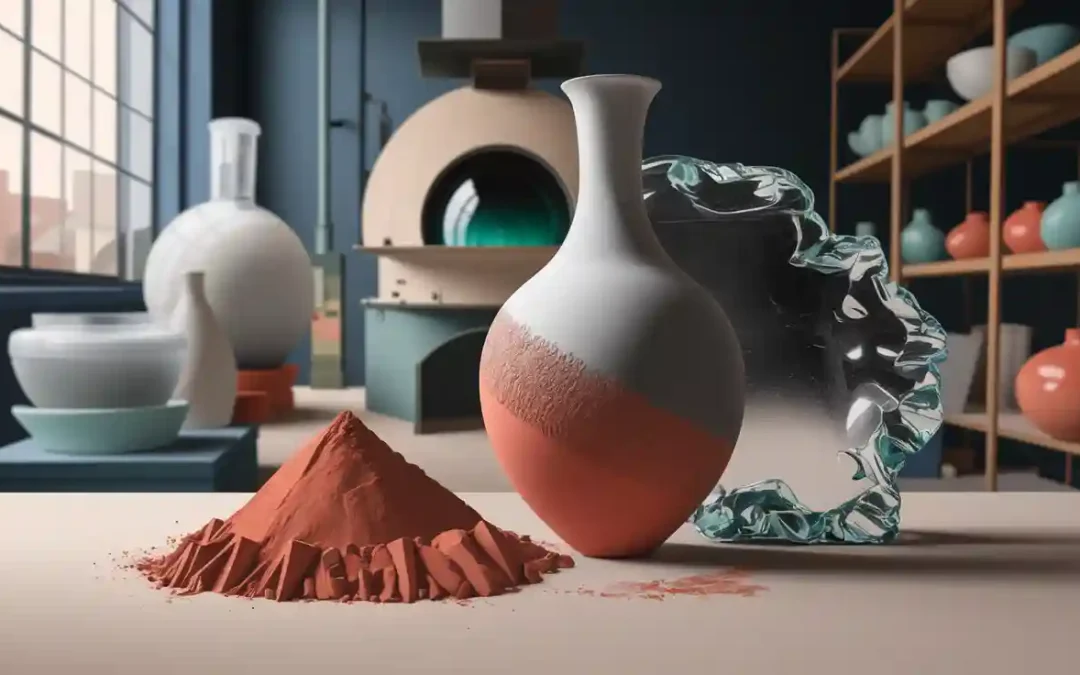
Manganese plays a vital role in ceramics and glass production. Manufacturers rely on manganese monoxide in ceramics and glass for its unique properties. The chemical formula mno identifies this essential compound. Manganese acts as a colorant, network modifier, and densifier, directly impacting product quality. When heated, manganese dioxide transforms into manganese monoxide, which enhances color stability. These applications improve both appearance and strength.
Manganese enables precise control over ceramic and glass properties, making it indispensable for modern manufacturing.
Manganese monoxide adds rich colors like black, brown, and purple to ceramics and glass, helping artists and manufacturers create vibrant finishes.
It strengthens products by increasing density and reducing cracks, making ceramics and glass more durable and long-lasting.
Manufacturers control color and quality by adjusting manganese monoxide levels and firing conditions during production.
Proper mixing and safe handling of manganese monoxide ensure consistent results and protect workers from health risks.
Using manganese monoxide improves product performance but requires careful dosage to avoid defects and maintain safety.
Manganese Monoxide in Ceramics and Glass
Roles as Colorant
Manganese monoxide in ceramics and glass serves as a powerful colorant. Manufacturers use manganese(ii) oxide to achieve a wide spectrum of hues in glazes, including deep blacks, rich browns, and subtle purples. The color outcome depends on the firing atmosphere and the concentration of manganese(ii) oxide in the batch. In oxidation, glazes often display brown or purple tones, while reduction firing can yield intense black shades. Manganese(ii) oxide interacts with other metal oxides in glazes, allowing for precise color control. This versatility makes manganese monoxide in ceramics and glass essential for artists and industrial producers who seek consistent and vibrant finishes. Manganese in clay bodies also contributes to color development, especially in stoneware and earthenware.
Tip: Adjusting the amount of manganese(ii) oxide in glazes can fine-tune the final color, but exceeding recommended levels may cause defects or toxicity concerns.
Network Modifier and Densifier
Manganese(ii) oxide acts as a network modifier in both ceramics and glass. When introduced into the glass matrix, manganese enters the structure as [MnO4] tetrahedra, substituting for silicon or aluminum ions. This substitution disrupts the original silicon-oxygen network, releasing free oxygen and altering the degree of polymerization. At low concentrations, manganese(ii) oxide increases the stability of the glass network by enhancing polymerization and inhibiting ion diffusion. This effect improves the chemical durability of glazes and glass products. At higher concentrations, the less stable Si–O–Mn bonds promote nucleation and crystallization, which can influence the microstructure of ceramics and glass. Manganese(ii) oxide also acts as a densifier, reducing porosity and increasing the density of fired ceramics. This property benefits manufacturers who require strong, durable products.
Manganese monoxide in ceramics and glass modifies the network structure, affecting both physical and chemical properties.
The presence of manganese(ii) oxide in glazes can hinder crack propagation, leading to improved mechanical strength.
Effects on Physical Properties
The addition of manganese monoxide in ceramics and glass directly impacts several key physical properties. Manganese(ii) oxide promotes densification during firing, which reduces shrinkage and increases the mechanical strength of the final product. This effect is especially valuable in structural ceramics, where durability and resistance to wear are critical. The thermal stability of manganese(ii) oxide ensures that it remains effective throughout the firing process, even at high temperatures. Manganese oxide occurs naturally in some raw materials, which can influence the baseline properties of clay bodies and glazes. By carefully controlling the amount of manganese(ii) oxide, manufacturers can optimize shrinkage, density, and strength, resulting in high-quality ceramics and glass.
Property | Effect of Manganese(ii) Oxide |
|---|---|
Color Range | Blacks, browns, purples in glazes |
Densification | Increased density, reduced porosity |
Shrinkage | Controlled, less warping |
Mechanical Strength | Improved crack resistance |
Thermal Stability | Maintains performance at high temps |
Manganese monoxide in ceramics and glass remains a critical component for achieving desired color, structure, and durability in modern manufacturing.
Manganese Dioxide and Color Control
Decomposition to Manganese Monoxide
Manganese dioxide plays a crucial role in the production of ceramics and glass. When manufacturers heat manganese dioxide to high temperatures, it decomposes and forms manganese monoxide. This transformation occurs during the firing process. The change from manganese dioxide to manganese monoxide is essential for controlling the final properties of glazes. Manganese dioxide powder, when added to a ceramic or glass batch, does not remain stable. Instead, it loses oxygen and converts to manganese(ii) oxide. This reaction influences the color and structure of the finished product. The process allows manufacturers to predict and manage the outcome of their glazes. The stability of manganese monoxide at high temperatures ensures consistent results in industrial settings.
Note: The transformation from manganese dioxide to manganese monoxide can affect the oxidation state of other elements in the glaze, leading to unique color effects.
Color Modulation in Glazes
Manganese dioxide and manganese(ii) oxide both serve as important colorants in glazes. Manufacturers use manganese dioxide to achieve a range of colors, including browns, purples, and blacks. The specific shade depends on the amount of manganese dioxide and the firing atmosphere. In an oxidizing environment, manganese dioxide produces lighter browns and purples. In a reducing atmosphere, the conversion to manganese monoxide deepens the color, often resulting in rich blacks. Manganese also helps remove unwanted green tints caused by iron impurities in glass. By adjusting the ratio of manganese dioxide to manganese(ii) oxide, manufacturers can fine-tune the appearance of glazes. This control over color makes manganese compounds valuable in both artistic and industrial applications.
Manganese dioxide in glazes can mask undesirable hues and enhance the clarity of glass.
Manganese(ii) oxide provides stability and consistency in color development.
A careful balance of manganese dioxide and manganese(ii) oxide ensures that glazes meet the desired aesthetic and functional standards. This approach supports the production of high-quality ceramics and glass with precise color control.

Application Methods and Processing
Incorporation Techniques
Manufacturers add manganese monoxide to ceramic and glass batches using several methods. The most common approach involves blending fine manganese monoxide powder directly with other raw materials before firing. This ensures even distribution throughout the batch. Some producers use coprecipitation, where manganese mixes with other metal salts in solution and then precipitates as a solid. This method creates a uniform mixture and improves the interaction between manganese and other oxides. Calcination of layered double hydroxide precursors containing manganese also produces highly active mixed oxides. These techniques help achieve better dispersion and enhance the effectiveness of manganese in the final product.
Uniform mixing of manganese monoxide with batch materials leads to consistent color and improved physical properties.
Coprecipitation and precursor modification methods increase the number of oxygen vacancies, which can boost the performance of the final ceramic or glass.
Highly dispersed manganese within the matrix supports stronger and more durable products.
Dosage and Safety
The amount of manganese monoxide added to a batch depends on the desired color and physical properties. Most manufacturers use 0.5% to 5% by weight, but exceeding this range can cause defects or health risks. Proper handling is essential because manganese dust can be hazardous if inhaled. Workers should wear protective equipment and follow safety guidelines during mixing and firing.
Dosage (% by weight) | Typical Effect | Safety Consideration |
|---|---|---|
0.5 – 2 | Subtle color, stable glaze | Low risk, standard PPE |
2 – 5 | Deep color, higher density | Increased monitoring needed |
>5 | Risk of defects, toxicity | Strict controls required |
Replacing magnesium oxide or calcium oxide with manganese monoxide can affect leachability and chemical stability. Manganese improves the durability of glazes but may change how the product interacts with acids or bases. Manufacturers must test finished products to ensure they meet safety and quality standards.
Tip: Always monitor manganese levels in the workplace and finished goods to maintain both product quality and worker safety.
Benefits and Challenges
Advantages for Manufacturers
Manufacturers benefit from using manganese monoxide in ceramics and glass production. This compound provides strong color control, allowing for a wide palette of blacks, browns, and purples. Manganese monoxide acts as a reliable network modifier, which increases the density and mechanical strength of finished products. Many producers find that manganese monoxide improves the chemical durability of glazes, making them more resistant to acids and bases. The thermal stability of manganese monoxide ensures consistent performance during high-temperature firing. When compared to other additives, manganese monoxide often delivers more predictable results. Manufacturers can also use manganese dioxide as a precursor, which transforms into manganese monoxide during firing and supports precise color development. These advantages make manganese monoxide a preferred choice for many industrial applications.
Tip: Consistent use of manganese monoxide can help manufacturers achieve uniform product quality and reduce waste.
Limitations and Considerations
Despite its benefits, manganese monoxide presents several challenges. Excessive use may lead to defects such as pinholing or blistering in glazes. Workers must handle manganese monoxide with care, as inhalation of dust poses health risks. Safety protocols, including personal protective equipment, remain essential in all facilities. Manganese dioxide, while useful for color control, can complicate the firing process if not managed properly. The transformation from manganese dioxide to manganese monoxide may alter the oxidation state of other elements, affecting final product appearance. Manufacturers must monitor the dosage closely, as high concentrations can increase leachability and reduce chemical stability. Testing finished goods for safety and compliance is necessary. Manganese dioxide and manganese monoxide both require careful storage to prevent contamination and maintain effectiveness. These considerations highlight the need for expertise and attention to detail in all applications involving manganese compounds.
Challenge | Impact on Production |
|---|---|
Overuse | Glaze defects, toxicity |
Dust exposure | Health risks |
Color unpredictability | Inconsistent results |
Chemical interactions | Changes in product quality |
Manganese monoxide stands as a key material in ceramics and glass manufacturing. It delivers vibrant color, enhances mechanical strength, and supports efficient production. Manufacturers value its versatility and reliability. Proper handling and precise process control ensure safe and optimal results.
Manganese monoxide will continue to shape the future of advanced ceramics and glass, offering both performance and innovation.
FAQ
What is the main function of manganese monoxide in ceramics and glass?
Manganese monoxide acts as a colorant and network modifier. It helps control glaze color, increases product density, and improves mechanical strength. Manufacturers use it to achieve consistent quality and vibrant finishes.
How does manganese monoxide affect glaze color?
Manganese monoxide produces blacks, browns, and purples in glazes. The final color depends on its concentration and the firing atmosphere. Artists and manufacturers adjust the amount to achieve the desired shade.
Is manganese monoxide safe to use in manufacturing?
Workers must handle manganese monoxide with care. Inhalation of dust can pose health risks. Facilities should use protective equipment and follow strict safety protocols to ensure a safe working environment.
Can manganese monoxide replace other oxides in ceramic formulas?
Oxide Replaced | Effect of Substitution |
|---|---|
MgO or CaO | Increases durability, may alter leachability |
Manufacturers sometimes substitute manganese monoxide for magnesium or calcium oxide. This change can improve durability but may affect chemical stability.
Related Products

manganese dioxide

manganese carbonate

manganese sand
Related Posts

I am Edward lee, founder of manganesesupply( btlnewmaterial) , with more than 15 years experience in manganese products R&D and international sales, I helped more than 50+ corporates and am devoted to providing solutions to clients business.