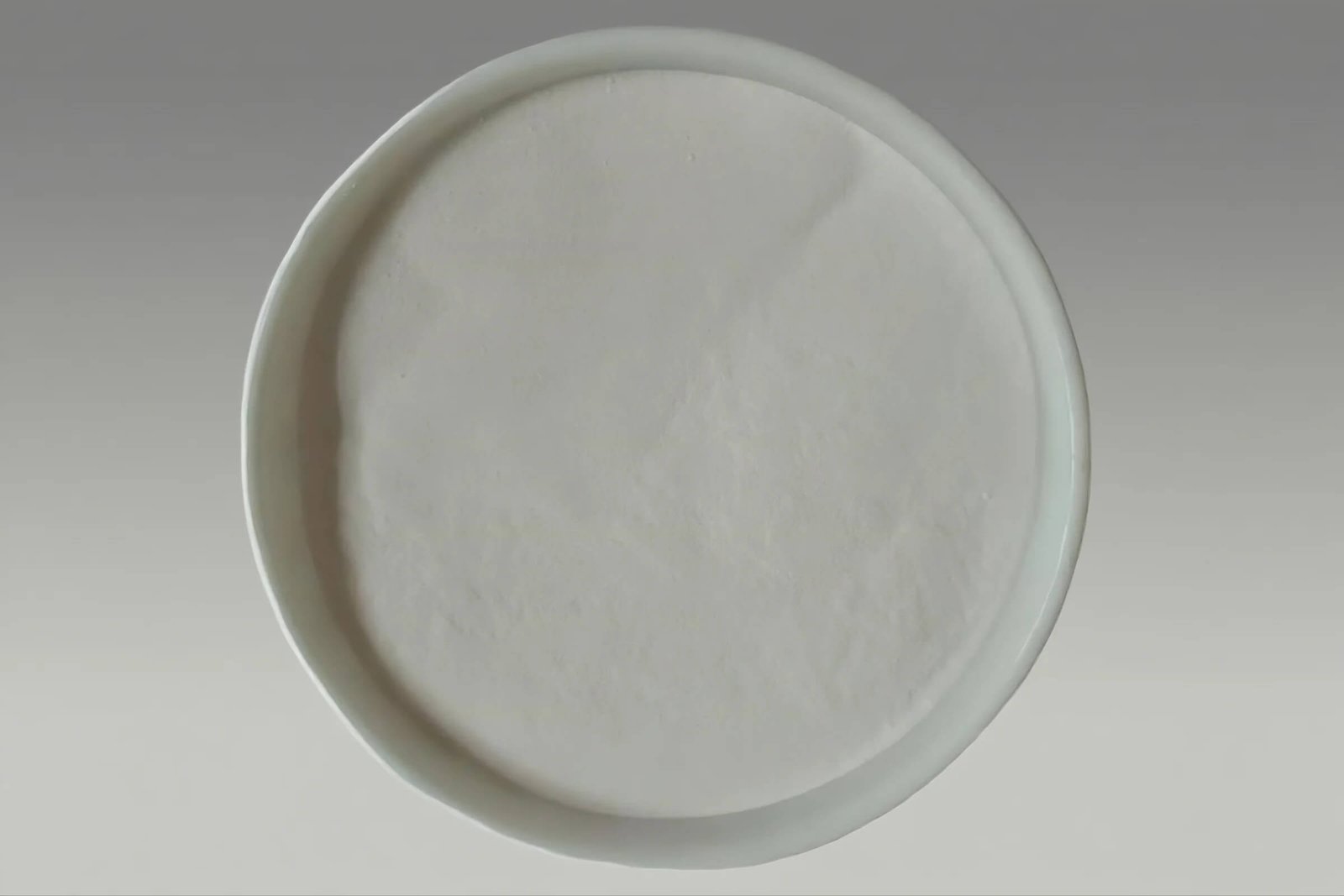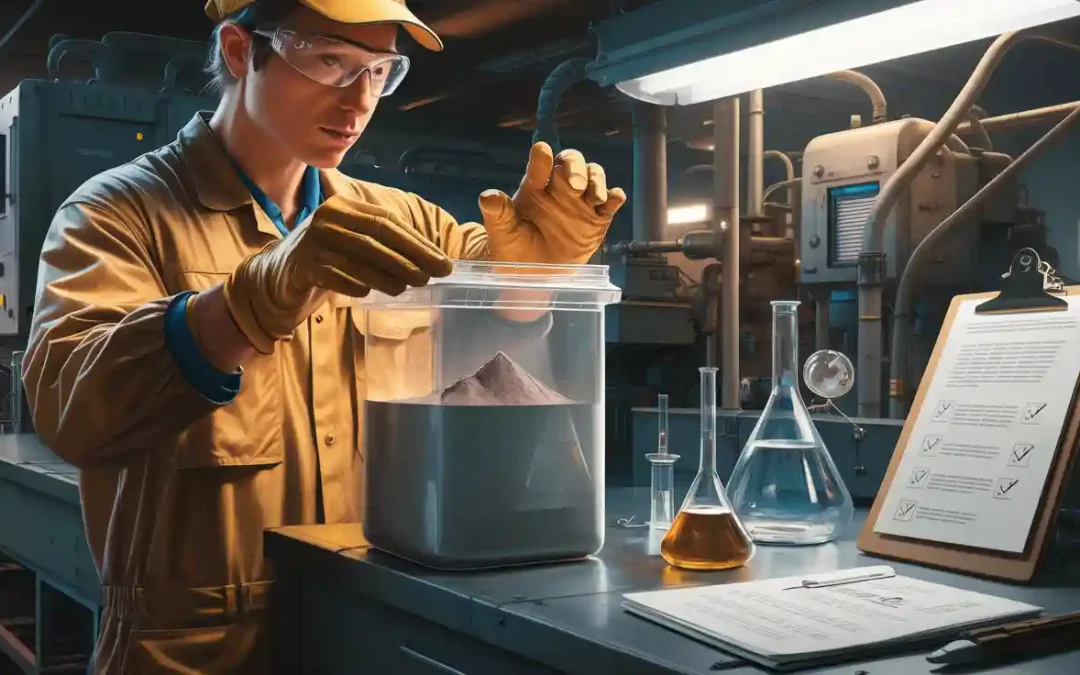
I work hard to give the best manganese dioxide quality at btlnewmaterial by picking raw materials carefully, watching every step in making it. My team and I check the final product very closely. Making customers happy makes me want to make our manganese dioxide better every day.
We pick and check raw materials very carefully. This helps us make sure they are pure and the right size. Good materials help clean water better. We use special tools to watch the process all the time. This helps us keep manganese dioxide quality the same. We test the chemicals and particle size often. This makes sure every batch is good and stable. We check the product at the end and pack it safely. This keeps it clean and safe for people to use. We have certificates and always try to get better. This shows we care about quality, safety, and the environment.
Raw Materials
Selection
I always pick the best raw materials for manganese dioxide. The right media is important for water treatment. I follow strict rules to choose what goes into our process. Here is how I decide:
Selection Criteria | Description |
|---|---|
Purity | High purity, over 99%, is needed for batteries and electronics. For industrial water treatment, lower purity is okay. |
Particle Size | I want the particles to be even and small. This helps water filtration work better. |
Price | I look at the price to keep costs low. I try to balance quality and cost for each batch. |
Supply Chain Stability | I choose suppliers who are steady. This keeps the water treatment process going without stops. |
I look for media that can handle water filtration and removal jobs. I want every batch to help with water quality and manganese removal. I always think about how the media will work in water treatment systems.
Verification
When the raw materials come in, I check every step. I look at each lot of media before making manganese dioxide. My team checks the physical and electrical properties. I give each batch a special ID. This helps me track each lot from start to finish. I make sure the media meets all standards for water treatment and removal. I do not use any media that does not pass my tests. I want every piece of media to help with water filtration and treatment. My goal is to make sure the media removes unwanted things from water. I know good media means better water and better results.
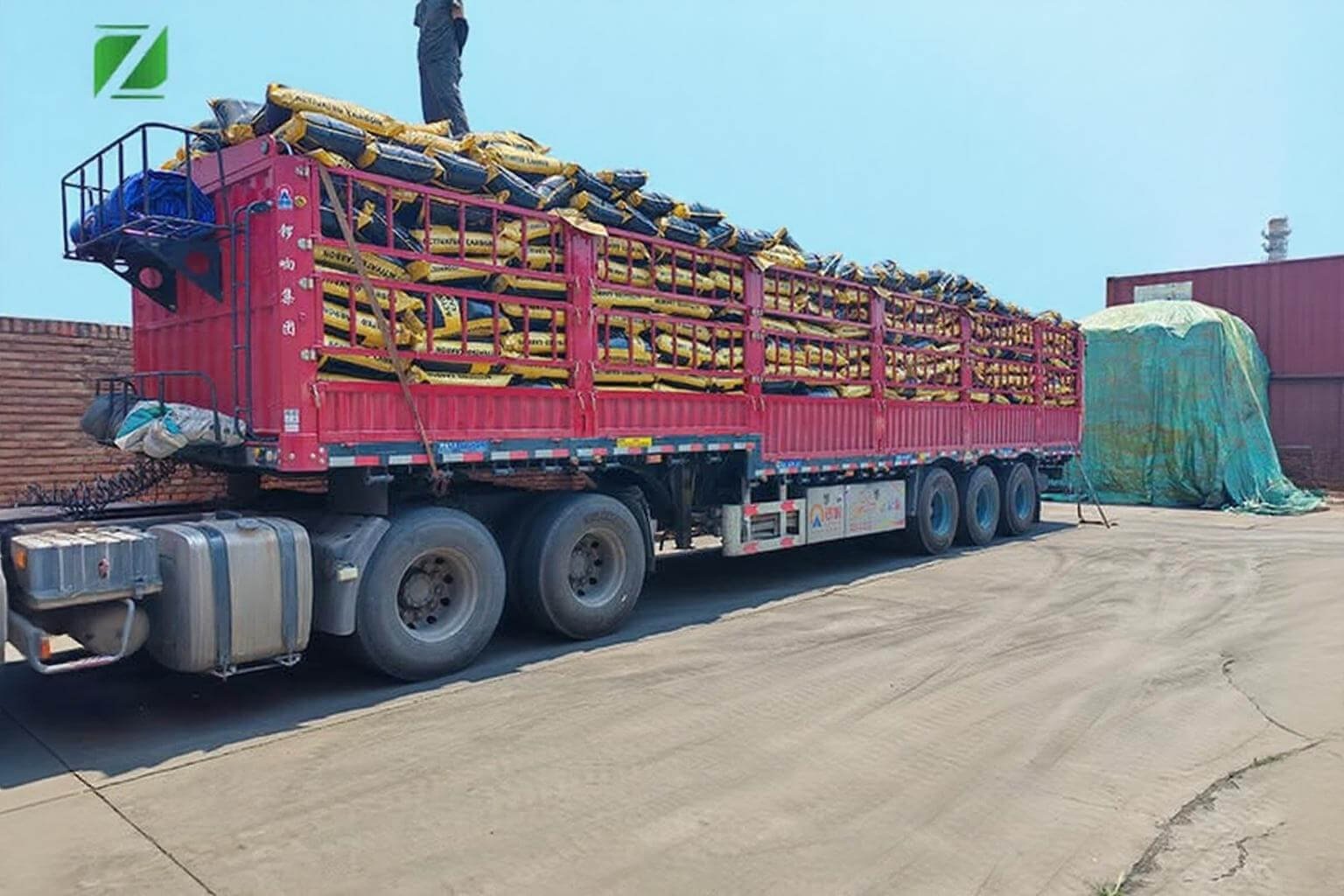
Production Process
Monitoring
I use special systems to watch every step of making manganese dioxide. I use the External Standard Calibration spectrophotometric method. This tool shows me Mn2+ levels right away. I do not have to do hard sample prep. The system checks itself often, so results are always right. I also use an IoT-based multispectral analysis system. This system has sensors and uses machine learning. It shines light on the media and checks the signals that bounce back. The data helps me sort manganese grades very well. I can see changes in the media fast. This keeps water treatment working well. I make sure the media meets all rules for water filtration and removal. My team and I check each batch to make sure it works well. I want the media to help with water filtration, water quality, and water removal every time.
I think real-time monitoring is the key to good manganese dioxide quality. I do not wait for problems. I find them early and fix them fast.
Advanced Techniques
I use the best equipment to make high-purity manganese dioxide. My process uses programmable furnaces and rotary kilns. I control heat and gas flow very carefully. I use gases like hydrogen and carbon monoxide to reduce MnO₂. This helps me get the right manganese oxide phase and take out impurities. I also use flexible anodes in electrolytic cells. These anodes let me remove manganese dioxide deposits without stopping the process. I can change the electrode surface to control particle size. This makes the media better for water treatment and filtration. I use advanced electrode materials to use less power and make better deposits. I check the media with X-ray diffraction and scanning electron microscopy. These checks help me keep the media pure and stable for water treatment and removal. I always look for new ways to make the process better and make better electrolytic manganese dioxide for water treatment.
My process gives me:
Better control of media quality
Higher efficiency in water treatment
Easier removal of unwanted materials from water
Consistent results for every batch
Manganese Dioxide Quality Control
Testing Methods
I use careful tests to check manganese dioxide quality at each step. First, I look at the chemical makeup. I heat samples with strong hydrochloric acid. This step melts the manganese oxides. After that, I add water and filter the mix. I use atomic absorption spectroscopy to measure manganese. This tool gives me exact results for every batch.
Sometimes, I use other acids like nitric acid or hydrogen peroxide. It depends on what the sample is like. If the sample has silica, I add hydrofluoric acid after the first step. When I work with organic stuff, I burn the sample before using acid. This stops hard manganese oxides from forming.
I also check how big the particles are. I use laser diffraction and electron microscopy. These tools show if the particles are the right size for water treatment and batteries. For high-quality manganese dioxide, I keep nanoparticles between 23 nm and 32 nm. For electrolytic manganese dioxide, I use -200 mesh size to fit what customers want.
Product Type | Particle Size | Purity and Notes |
|---|---|---|
Electrolytic Manganese Dioxide | -200 mesh | Purity > 91%, Pb < 0.2%, Fe < 0.05%, Cu < 0.001% |
Electrolytic Manganese Dioxide | Customer’s requirement | Purity > 91%, Pb < 0.0005%, Fe < 0.03%, Cu < 0.0005%, Surface Area 30-35 m²/g |
I test each batch many times while making it. I check the chemical makeup, particle size, and physical traits. I do not let any batch move on unless it passes all tests. This way, manganese dioxide quality stays high.
I think testing often and fully is the most important part of good manganese dioxide quality.
Purity and Stability
I care a lot about purity and stability so my manganese dioxide works well for a long time. I use special tools like X-ray diffraction and scanning electron microscopy. These tools help me find tiny impurities and check the crystal shape.
To test stability, I run long tests. I keep manganese dioxide coatings at 800 °C for up to 50,000 hours in wet air. I use a current to see how the material holds up. I watch the electrical resistance. After 42,500 hours, the resistance goes up by less than 10 mΩ·cm². This shows the electrical stability is very good.
I also look at the coating under a microscope before and after tests. I see almost no extra layers, less than 10 microns. This means the coating stays strong and does not break down. I use heat cycles and higher temperatures to speed up aging. These tests help me guess how long the manganese dioxide will last.
I use thermogravimetric and differential scanning calorimetry to see how manganese dioxide changes with heat. I check for weight and structure changes up to 1000 °C. I use these results to figure out activation energy and heat capacity. This helps me make my products last longer.
My stability tests include:
Long high-temperature tests
Watching electrical resistance
Looking at the microstructure before and after tests
Speeding up aging with heat cycles
Calculating heat capacity and activation energy
I make sure every batch of manganese dioxide meets strict purity and stability rules. This gives my customers trust in the quality and reliability of my products.

Final Inspection and Packaging
Inspection Criteria
I check each batch of manganese dioxide before it leaves. My team uses a checklist to follow all quality rules. We look at color, particle size, and purity. We test if the media can remove water and treat it. I write down every result in my system. Each batch gets its own special code. This code lets me track the media from start to finish. If I see a problem, I stop the batch and fix it. I keep all records for later checks. My goal is to make sure the media works well for water jobs.
Inspection Step | What I Check For | Why It Matters |
|---|---|---|
Visual Check | Color, shape, and dust | Shows if the media is clean |
Particle Size Test | Even and correct size | Helps with water flow and removal |
Purity Test | No unwanted materials | Keeps water safe |
Performance Test | Water removal and treatment | Proves the media works |
Traceability | Batch code and records | Tracks every batch |
I think careful checking keeps my media safe and ready for any water job.
Controlled Packaging
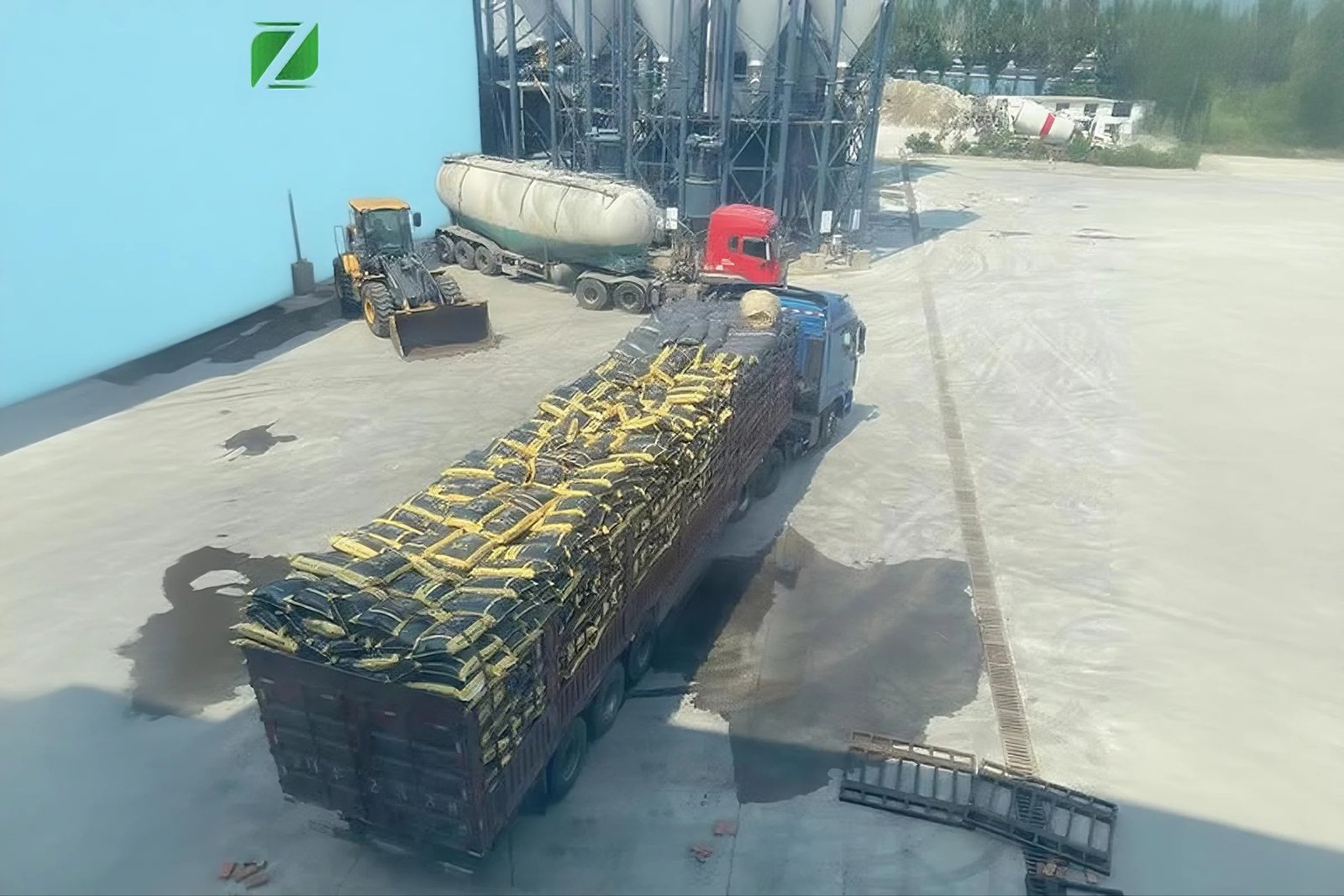
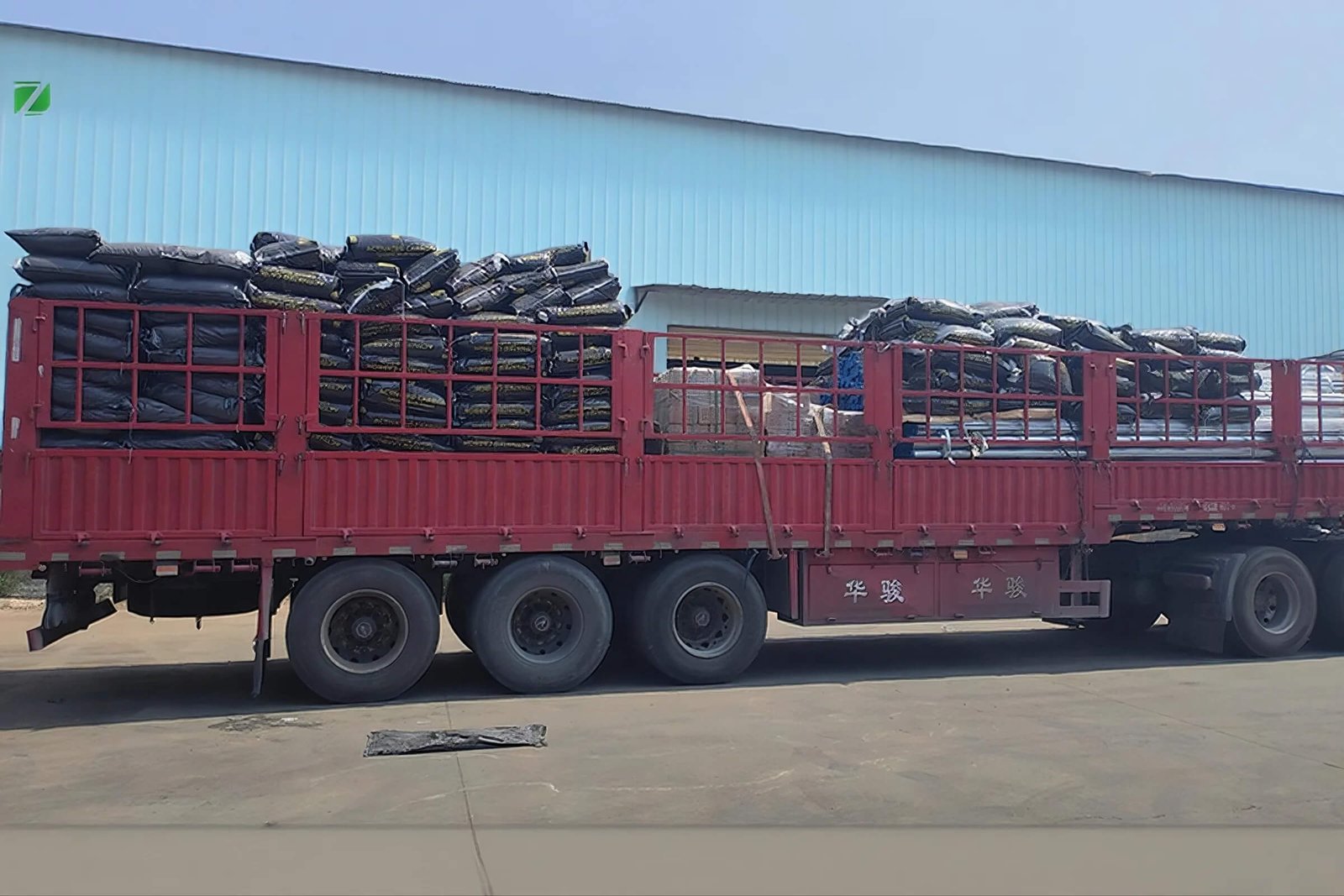
I use special rooms to package manganese dioxide. I keep the media away from dust and water. My team puts it in sealed bags and strong boxes. This keeps the media clean and safe while we store or ship it. I plan the packaging to follow strict rules for pure media. For special jobs like batteries, I use custom packaging for customers. I also pack manganese dioxide sputtering targets with extra care. I store all media in a clean, dry place. I tell my team to handle the media gently so it does not get damaged or dirty.
I always:
Use sealed bags and boxes for all media
Keep packaging rooms clean and dry
Follow special steps for high-purity and custom orders
Store media away from water and dust
Train my team to handle media with care
I know good packaging keeps the media safe and ready for water jobs. My customers trust me to send them safe, high-quality media every time.
Standards and Improvement
Certifications
I use strict rules to keep manganese dioxide quality high. Good certifications show customers I care about safety and quality. Here are the main certifications I have in my factory:
ISO 9001:2015 helps me control quality at every step.
ISO 14001:2015 guides me to protect the environment.
GMP makes sure my media stays safe and clean.
HACCP helps me find and fix hazards in the process.
UNICERT checks my media for quality and care for the environment.
These certifications help keep my media pure and safe for water treatment. I use them to make sure my media follows all the rules for water jobs. They also help me support green production in my factory.
Continuous Review
I always try to make my media better. I check my process often and listen to customers. My team and I look at every step, from raw media to the final product. We test media for water removal and filtration. If I see a problem, I fix it right away.
I keep records for every batch of media. I use these records to find ways to improve. My team meets often to talk about new ideas for media quality. We use feedback from customers who use our media in water systems. Their ideas help me make my media work better for water treatment.
I think checking my process and listening to customers keeps my media strong and reliable. This helps me always give the best media for water jobs.
At btlnewmaterial, I care most about manganese dioxide quality. I check raw materials before using them. I watch the process closely to avoid mistakes. I test every batch to make sure it is good. I look at the final product before sending it out. I always try to do my job better for customers. My customers trust me because I give them good manganese dioxide each time. If you want to know more or talk about quality, you can contact me.
FAQ
What purity levels do I offer for manganese dioxide?
I have manganese dioxide with over 99% purity for batteries and electronics. For water treatment, I use grades with more than 91% purity. I always pick the right product for what each customer needs.
How do I ensure batch traceability?
Each batch gets its own special code. I write down all test results and steps in making it. This helps me follow every batch from start to finish.
Can I provide custom particle sizes?
Yes, I can change the particle size if you ask. I use special machines to control the size and how it spreads out. I check the size with laser diffraction and electron microscopy.
How do I package manganese dioxide for safe transport?
I put the product in sealed bags and strong boxes. My team works in clean rooms so nothing dirty gets in. I keep everything in dry, dust-free places before shipping.
What certifications do I hold for quality and safety?
I have ISO 9001:2015, ISO 14001:2015, GMP, HACCP, and UNICERT certifications. These show I care about quality, safety, and the environment.
Related Products

manganese dioxide

manganese carbonate

manganese sand
Related Posts

I am Edward lee, founder of manganesesupply( btlnewmaterial) , with more than 15 years experience in manganese products R&D and international sales, I helped more than 50+ corporates and am devoted to providing solutions to clients business.